Discover The Difference Between a Care Home and a Nursing Home - An Expert Guide For 2024

Deciding on the best care option for yourself or a loved one is a significant choice. This article sheds light on the key differences between care homes and nursing homes, providing you with the clarity needed to make a well-informed decision. Care homes emphasize personal support and social interaction, offering a comfortable space for daily living. nursing homes, on the other hand, are equipped to handle complex medical needs, providing round-the-clock healthcare. By understanding these distinctions, you'll gain the insight needed to choose the right environment that balances care needs and quality of life. Let’s explore both options to help you feel confident in your decision-making process.

Key Differences Between Care Settings
When considering care options for older people, it's vital to understand the significant differences between a Care Home and a Nursing Home. These differences primarily revolve around the level of care provided and the subsequent impact on care costs.
Residential Care Homes Explained
In a Residential Care Home, care is provided 24 hours a day by trained Care Assistants. This setting is typically suited for elderly residents with age-related health issues, such as reduced mobility. The focus here is on assisting with daily living activities in a supportive environment.
Nursing Homes Defined

Conversely, Nursing Homes offer 24-hour care by Registered Nurses, supported by Care Assistants. Residents in these homes require more complex nursing care, including tasks like intravenous medication administration or wound care. Due to the advanced care level provided, nursing homes' costs are generally higher.
Professional Assessment And Funding
Determining the right care setting often involves healthcare professionals like Social Workers, Registered Nurses, and Doctors. They assess whether an individual's care needs are best met in a Nursing or Residential Care Home. Additionally, individuals with Funded Nursing Care (FNC) from the NHS can only be admitted to a Nursing Home.
Case Study: Dementia Care Needs
Deciding between a Nursing Home or a Residential Care Home for a person with dementia is not straightforward. It depends on the individual's additional care needs.
Wandering Tendencies:
- No: A Residential Home supporting people with dementia.
- Yes: A Residential Home with a Secure Dementia Unit.
Signs of Aggression:
- No: A Residential Home supporting people with dementia.
- Yes: A Residential Home or Nursing Home with an EMI (Elderly Mentally Infirm) Dementia Unit.
EMI units cater to advanced stages of dementia, with specialized staff trained in handling challenging behaviors. Mental Health Nurses in Nursing Homes are equipped to administer necessary medications for advanced dementia alongside other nursing care needs.
Mobility Concerns And Care Decisions
The choice between a nursing home and a care home for someone with mobility issues depends on the extent of their immobility.
- A Residential Care Home may be suitable if mobility is limited but not severely restricted (e.g., using a walking frame).
- Complete immobility, particularly if bed-bound or requiring hoisting, indicates a need for nursing care due to the increased risk of complications like pressure sores requiring a Registered Nurse's attention.
Distinguishing Between Care Homes and Nursing Homes

Care Needs: Personal vs. Medical Support
- Care Homes: Here, individuals find support with personal care tasks, like bathing and dressing, and can enjoy a respite from daily chores such as cleaning and cooking. These homes cater to those who require assistance with day-to-day activities but do not need intensive medical care.
- Nursing Homes: In contrast, nursing homes are equipped to handle a broad spectrum of medical needs, offering 24-hour medical care by professional nurses. This option is ideal for those with more complex health requirements beyond basic personal care.
Team Training: Tailored Care and Expertise
- Care Homes: Care assistants, experienced and compassionate, provide discreet support, engaging with residents in activities and outings. These teams prioritize getting to know each resident personally to tailor care to individual needs.
- Nursing Homes: The nursing staff in these homes are adept at providing various medical services. This expertise ensures that if a resident's needs evolve, they can continue receiving appropriate care without the need to relocate. Nursing homes conduct thorough care assessments and create bespoke care plans, regularly reviewed to adapt to changes in the resident's condition.
Cost Considerations: Affordability vs. Specialized Care
- Care Homes: Generally, residential care costs are lower as they cater to less intensive needs. The cost varies depending on the specific requirements of your loved one.
- Nursing Homes: The costs are typically higher due to the specialized nursing support and facilities required. However, options like Funded Nursing Care (FNC) can help manage these expenses. It's important to understand the factors influencing costs, which can be found on our cost information page.
The Concept of Dual-Registered Homes

Dual-registered homes are a unique and practical solution in elder care. These facilities are equipped to offer both residential and nursing care, making them an ideal choice for residents who currently need personal care but might require medical nursing care in the future. This dual capability ensures that residents remain in the same familiar environment even as their care needs evolve.
Determining the Need for Nursing Care
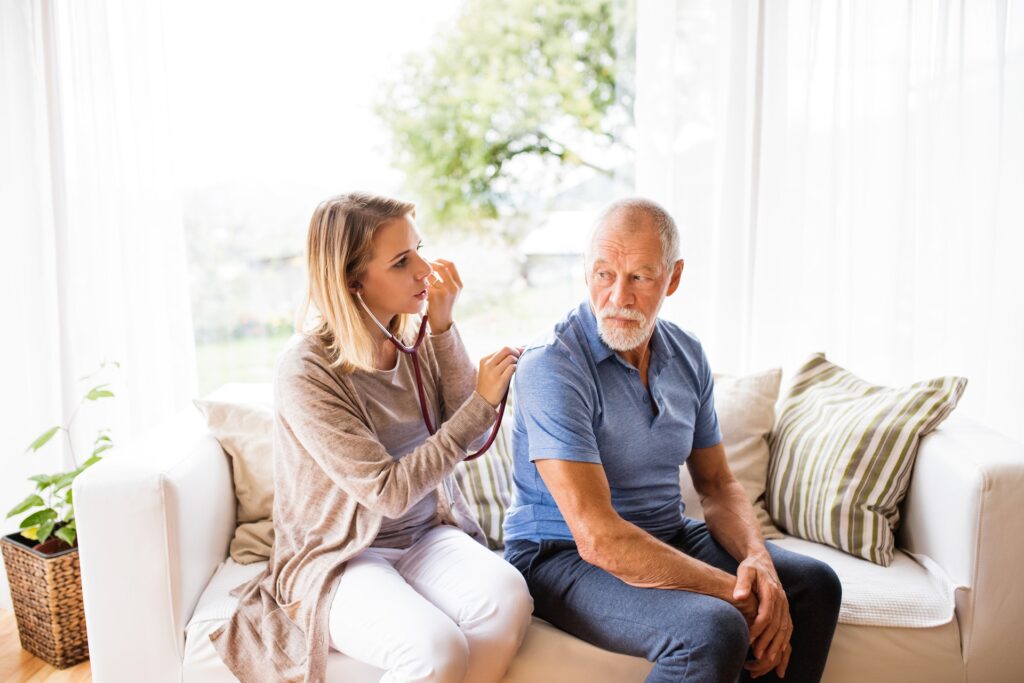
When deciding between residential and nursing care for your loved one, several factors should be considered:
- Medical Conditions: Does your loved one have health issues requiring regular medical monitoring?
- Complex Medical Needs: Are there any specialized medical needs beyond basic care?
- Mobility Issues: Consider if your loved one requires extensive assistance with mobility, such as needing a hoist to move from their bed.
These considerations are crucial in determining whether nursing care, with its higher medical support, is required.
What Are The Typical Costs Associated With Care Homes And Nursing Homes?
The costs associated with care homes and nursing homes in the United Kingdom can vary widely based on several factors, including the location, the level of care required, the quality and range of facilities, and whether the home is privately or publicly funded.
Residential Care Homes Costs
- Average Cost: Residential care homes typically range from about £600 to £1,200 per week. However, these figures can vary significantly depending on the region. For instance, care homes in the South East of England are generally more expensive than those in the North.
- Factors Affecting Cost: The cost is influenced by factors like the quality of the home, the room type (e.g., private or shared), and additional services offered.
Nursing Home Costs
- Average Cost: Nursing home costs are higher due to the higher level of medical care and supervision provided. On average, nursing home costs range from about £800 to £1,500 per week.
- Factors Affecting Cost: The costs increase with the complexity of medical care required. Specialist nursing care, such as for dementia patients or those needing palliative care, often incurs higher costs.
Additional Expenses
- Extras: Both types of homes may charge extra for services like phone bills, hairdressing, and some activities.
- Self-Funded vs State-Funded: The cost can also be affected by whether the individual is self-funding their care or receiving financial support from local authorities or the NHS.
Financial Support
- Means Testing: If an individual's capital and income are below a certain threshold, they may be eligible for local authority funding.
- NHS Funding: In some cases, where the primary need is health-based, the NHS may cover the costs through schemes like NHS Continuing Healthcare.
Cost Fluctuations
- Yearly Increases: It's important to note that care home costs can increase annually, and long-term affordability should be considered.
It's crucial for individuals and families to thoroughly research and consider both the immediate and long-term financial implications when choosing between a residential care home and a nursing home. Professional financial advice and guidance from local authorities can also be invaluable in making an informed decision.
What Are The Criteria For Admission To A Nursing Home?
Admission to a nursing home in the United Kingdom is typically based on an individual's healthcare needs and the level of care they require, which is more intensive than what is provided in a residential care home. The criteria for admission can vary slightly depending on the specific nursing home and its specializations, but generally, the following factors are considered:
- Healthcare Needs Assessment: A thorough assessment of the individual's healthcare needs is usually the first step. A multidisciplinary team, including a doctor, a nurse, and sometimes a social worker, often conducts this assessment. The assessment will determine if the person requires the level of care provided in a nursing home, which includes 24-hour nursing care.
- Medical Conditions Requiring Nursing Care: Admission is often based on the individual with medical conditions or care needs requiring regular nursing supervision. This could include complex medical care, regular medication management, wound care, medical equipment use, and vital signs monitoring.
- Mobility and Physical Care Needs: Individuals who are immobile or have significant physical disabilities that require regular assistance or specialized equipment are often candidates for nursing home care.
- Advanced Dementia or Severe Cognitive Impairment: Those with advanced stages of dementia or severe cognitive impairments that require specialized care, which cannot be adequately provided in a residential care home, may also be eligible.
- Behavioral Needs: Nursing homes are equipped to handle residents with challenging behaviors that might stem from dementia or other conditions that require specialized interventions and monitoring.
- End-of-Life Care Needs: Nursing homes often provide palliative care for individuals in the end stages of life, ensuring comfort and medical support.
- Rehabilitation Needs: Some nursing homes offer rehabilitation services for individuals recovering from surgeries, strokes, or other medical conditions requiring intensive rehabilitation and nursing care.
- Funded Nursing Care (FNC) or NHS Continuing Healthcare Eligibility: If an individual is eligible for NHS-funded care due to their health needs, this might influence their admission into a nursing home that can provide the required level of care.
It's important to note that the decision for admission is usually made after careful consideration of the individual's overall health status and care needs. The goal is to ensure they receive the appropriate level of care that matches their medical and personal requirements.
What Are The Specific Care Needs For Individuals With Dementia?
Caring for individuals with dementia requires a specialized approach that caters to their unique needs. Dementia, a progressive condition, affects memory, cognitive abilities, and behavior, necessitating tailored support and care. The specific care needs of individuals with dementia can be broadly categorized into several key areas:
Cognitive Support:
- Assistance with memory recall through activities, pictures, and familiar items.
- Structured routines to reduce confusion and anxiety.
- Engagement in activities that stimulate cognitive functions and promote a sense of achievement.
Emotional and Psychological Support:
- Providing a safe, calming, and supportive environment.
- Encouragement of social interactions to reduce feelings of isolation.
- Validation therapy to acknowledge their feelings and experiences, even if they are based on memory impairments.
Behavioral Management:
- Techniques to manage common behavioral symptoms like agitation, aggression, wandering, and sleep disturbances.
- Non-pharmacological interventions such as music therapy, sensory stimulation, and pet therapy.
- Continuous monitoring to ensure safety, especially for those prone to wandering.
Personal Care Assistance:
- Help with daily living activities like bathing, dressing, eating, and toileting.
- Gentle reminders and assistance to maintain personal hygiene and grooming.
Communication Assistance:
- Using clear, simple sentences and maintaining eye contact.
- Listening patiently and trying to interpret non-verbal cues.
- Encouraging expression of thoughts and feelings.
Nutrition And Hydration:
- Monitoring dietary intake to ensure proper nutrition, as individuals with dementia may forget to eat or drink.
- Adapting food textures and providing assistance with feeding if necessary.
- Regular checks to prevent dehydration.
Healthcare Management:
- Coordination with healthcare professionals for regular medical check-ups.
- Management of co-existing medical conditions and medication.
- Monitoring for signs of pain or discomfort, as they may have difficulty expressing it.
Safety Measures:
- Implementing safety measures in living areas to prevent falls and injuries.
- Use of technology like GPS trackers for those who may wander.
- Ensuring a secure environment to prevent access to potentially dangerous items.
End-of-Life Care:
- Providing palliative care that focuses on comfort and quality of life.
- Support for family members and caregivers through the stages of the disease, including the end-of-life phase.
Family Support and Education:
- Educating family members about the nature of dementia and effective communication strategies.
- Offering emotional support and counseling for families coping with the challenges of dementia care.
Each individual with dementia is unique, and their care needs will vary depending on the stage of the disease and their personal preferences and history. Personalized care plans that adapt to changing needs are essential in providing effective and compassionate care for individuals with dementia.
Conclusion
In conclusion, navigating the journey of dementia care can be challenging, but understanding the specific needs of individuals with this condition is key to providing compassionate and effective support. Every person with dementia is unique, and their care plan should be as personalized as possible. It's crucial to stay informed about the progressive nature of dementia, the potential risks involved, and the various care strategies that can significantly improve their quality of life. While focusing on safety and health management is essential, remember the power of emotional support, engagement in meaningful activities, and maintaining dignity and respect. If you're a caregiver or a family member, seek support when needed, and consider joining support groups to share experiences and learn from others. With the right approach, knowledge, and compassion, you can positively impact the life of someone living with dementia, bringing comfort not only to them but also to yourself. Remember, you're not alone in this journey, and the steps you take today can lead to more rewarding and fulfilling experiences for you and your loved one.
Useful Links To Learn More
- Age UK - Types of Care Homes - An in-depth guide to understanding the differences between care homes and nursing homes.
- NHS - Choosing a Care Home - Offers advice on selecting the right type of care home based on your needs, including nursing homes.
- Care Quality Commission - What is the Difference Between a Care Home and Nursing Home? - The Care Quality Commission explains the differences and offers guidance on regulated care services.
- Which? - Nursing Homes vs Care Homes - This article breaks down the distinctions between care homes and nursing homes, helping you make informed decisions.
- UK Care Guide - Care Homes or Nursing Homes? - Provides comparisons between the two types of homes and advice on choosing the right option for your care needs.
More Great Articles To Check Out
20+ Gentle Exercises For Older Adults To Try in 2024!Ultimate Guide to Public Transport Concessions, Free Bus Passes, and Senior Railcards In 2024!
Enhancing Wellbeing: The Critical Role of Personal Hygiene in Care Home Settings!
30 Inspiring Things To Do in Retirement In 2024!
What is an EMI Unit in a Care Home & 8211; The Ultimate Guide In 2024!
Understanding Convalescent Care: A Path to Recovery
What is Personal Care: Your Guide to Daily Support and Assistance In 2024!
10 Best Countries for Older Adults to Live In & 8211; Ultimate Guide For 2024!
50 Best Games for Elderly People To Play Inm 2024!
10 Best Healthy Breakfast Ideas for the Elderly In 2024!
10 Inspiring Ways To Make Elderly People Happy In 2024!
18 Famous Elderly TV And Movie Characters & 8211; Can You Guess Them All!
25 Inspiring Ideas To Help Old People Have Fun In 2024!
10 Amazing Ways Robots Could Help Elderly People In 2024 & 038; Beyond!
5 Reasons Why You Should Respect Your Elders In 2024!
7 Best Savings Accounts For Over 60& 8217;s In 2024!
How Much Is the UK State Pension For a Couple In 2023/24?
DWP PIP Rates 2023/2024 & 8211; The Ultimate Guide!
The Ultimate Guide To Retirement Home Investments in 2024!
10 Best Cash ISA Rates For Over 60s In 2024!
The Best Instant Access Savings Accounts For Over 50s
Blog
An Expert Guide To Property Protection Wills In 2024!
Discover The Difference Between a Care Home and a Nursing Home & 8211; An Expert Guide For 2024
An Expert Guide To Assisted Living For Young UK Adults in 2024!
Yes Over 60s Get Free Glasses | Discover What Else You Are Entitled To?
How Much Is The Winter Fuel Allowance In 2024: What Pensioners Need to Know
What are the New UK PIP rates in 2024 & 8211; The Ultimate Guide!
Over 60s Discounts: Here& 8217;s How to Save Big with These UK Discounts In 2024!
Over 60 Benefits: Understanding What You& 8217;re Entitled To In 2024!
Death by Dementia Explained: From Cognitive Deterioration to Life’s Final Chapter
5 Tips To Tell If Pip Assessment Went Well In 2024!
The Global Health Insurance Card Explained: What Travelers Must Know In 2024!
The Best Second Jobs To Boost Your Income In Retirement & 8211; Ultimate Guide For 2024!
How Much Does A Will Cost With A UK Solicitor & 8211; The Ultimate Guide In 2024
10 Best Self Employment Jobs To Start In Your 50& 8217;s In 2024!
No Caller ID: Understanding the Reasons and Risks Behind Hidden Numbers In 2024!
How Long Can Someone Stay Without Paying Council Tax? Get The Facts In 2024!
Widows Pension Explained: Understanding Your Rights After 70 And How To Apply
30 Best Historic Places To Visit UK & 8211; Updated For 2024!
How To Pass DVLA Visual Field Test In 2024!
UK& 8217;s Care Home Fee Cap Set for 2025: How Will It Impact You!
How Much Does A Carer Cost & 8211; The Ultimate Guide In 2024!
How Long Does Probate Take & 8211; The Ultimate Guide In 2024!
What Is a Residential Care Home – Get The Facts in 2024!
Difference Between Nursing Home And Care Home & 8211; Ultimate Guide In 2024!
10 Best Seaside Towns To Live In & 8211; Updated For 2024!
5 Easy Tips to Convert A Bath To Walk-in Shower & 8211; The Ultimate Guide In 2024!
How Much Does Probate Cost? Expert Advice For 2024!
What Benefits Can I Claim If I Resign From My Job In 2024? The Ultimate Guide!
What Happens To Universal Credit If You Split Up With Partner & 8211; Get The Facts In 2024!
Expert Advice On Mortgages for over 60s In 2024!
What Happens After Probate Is Granted & 8211; Get The Facts In 2024!
Expert Guide To Universal Credit If You Own A Property & 8211; Get The Facts In 2024!
Arthritis Nodules Explained: Symptoms, Causes, and Treatment For 2024!
Contact Us
10 Best Things To Buy And Sell If You Are Over 50
An Expert Guide To Care Homes For People With Learning Disabilities in 2024!
10 Best Countries To Retire To In 2024!
DNACPR Explained: What You Need to Know In 2024
Expert Guide To Who Pays for Palliative and End-of-Life Care In 2024
When Can Healthcare Workers Stop Wearing Masks & 8211; Expert Guide For 2024?
Legitimate Reasons For Missing Universal Credit Appointments
An Expert Guide To Learning Disabilities In 2024
How Much Is A Used Stairlift Worth & 8211; An Expert Guide In 2024!
An Expert Guide To Attendance Allowance in Care Homes In 2024!
10 Best Retirement Speech Tips, Tricks & Examples In 2024
Deferring State Pension & 8211; Is It Worth It In 2024 An Expert Guide!
Do Over 60s Get Free Dental Treatment UK? An Expert Guide For 2024!
Getting A Council House With Depression & 8211; Expert Guide In 2024!
An Expert Guide To Frozen Final Salary Pension & 8211; How Much Is It Worth In 2024!
An Expert Guide To Universal Credit For A Stay-at-Home Mum In 2024!
How to Buy A Long-term Care Annuity & 8211; An Expert Guide in 2024!
Can One Person Live In A 3 Bedroom Council House In 2024!
10 Tips To Foster Connections With Your Distant Grandchildren & 8211; An Expert Guide In 2024!
An Expert Guide To A Person-Centered Approach to Dementia Care In 2024!
10 Tips To Embrace Freedom and Build An Amazing Happy Life In Your 50& 8217;s & 8211; An Expert Guide In 2024!
Is Council Tax A Utility Bill & 8211; An Expert Guide For 2024!
10 Expert Tips for Selecting a Mobility Scooter For Shopping In 2024!
Family Protection Trusts Explained: Secure Your Assets for 2024 and Beyond
An Expert Guide to Complaining About Care Home Standards: From Concern to Action
10 Tips to Write a Letter to Your Future Self That You’ll Love Forever
An Expert Guide to Securing Your Dream Senior Apartment in 2024
Expert Guide To Benefits For Adults With Learning Disabilities In 2024!
Overnight Care for the Elderly: How Much Does It Cost In 2024!
An Expert Guide To Continuing Healthcare Funding In 2024!
50 and Fabulous: How to Make the Most of Your Golden Years
An Expert Guide to Buying and Using a Wheelchair in 2024!
10 Best Adjustable Beds For Those With Limited Mobility & 8211; Expert Guide For 2024
An Expert Guide To Universal Credit Questions + Detailed Answers In 2024!
Is my State Pension being underpaid & 8211; An Expert Guide In 2024!
Do you lose your state pension when you move into a care home & 8211; An Expert Guide In 2024!
10 Tips Regarding Care Homes For Couples & 8211; An Expert Guide In 2024!
How To Get A Free Stair Lift & 8211; An Expert Guide In 2024!
What is Alcohol-related Dementia? An Expert Guide For 2024!
10 Tips Tpo Care home funding in Wales & 8211; An Expert Guide For 2024
Can I Cash In My Pension If I No Longer Work For The Company?
Free Eye Test & 038; Glasses For Pensioners: An Expert Guide In 2024!
Care Home Stats: Understanding the Numbers and Their Implications In 2024!
Personal Expenses Allowance (PEA) & 8211; An Expert Guide For People In Care In 2024
Need A Medical for A Driving Licence & 8211; 3 Expert Tips To Follow In 2024!
UK Public Sector Pensions & 8211; An Expert Guide In 2024!
The Ultimate Seniors Guide To Using Siri In 2024!
An Expert Guide To VAT Relief For The Disabled & Elderly In 2024!
Properties
Our Mission
ADVERTISING POLICY
Privacy Policy
Affiliate Disclosure
Editorial Policy
Feature Image Photo By Kampus Production on Pexels
Keep reading

20 Amazing Crochet Beginner Ideas
Join the fun with these 20 amazing beginner crochet projects that will inspire your creativity and lead you to endless possibilities!

20 Amazing Crochet Blue Ideas
Join us as we unveil 20 amazing blue crochet projects that will inspire your creativity and elevate your crafting game!
20 Amazing Crochet Black Ideas
Marvel at these 20 amazing black crochet projects that will ignite your creativity and inspire your next crafting adventure! Discover your new favorite today.
Need personal guidance?
Talk to an advisor
Our care experts are here to help you make the right choice — for free.