10 Inspiring Ways To Make Elderly People Happy In 2025!
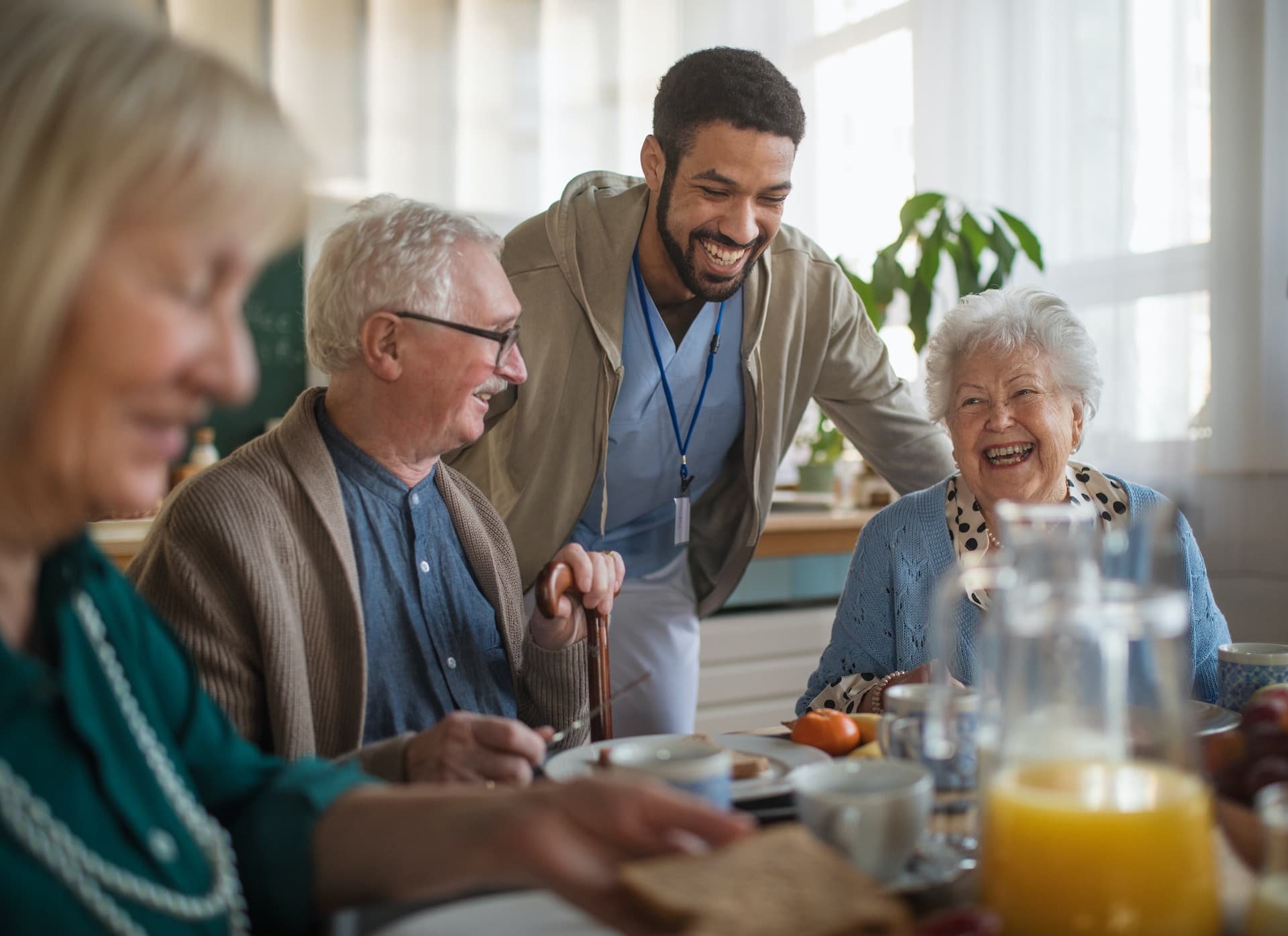
As we navigate the complexities of aging, one vital area often overlooked is the emotional well-being of our older loved ones. Healthy relationships play a crucial role in enhancing their happiness and overall quality of life. This article takes a deep dive into how we can enhance their happiness and overall quality of life. With age comes challenges like loss, loneliness, and declining health, making it more important than ever to create an environment that nurtures joy and contentment. In this piece, you’ll discover practical strategies and thoughtful insights aimed at enriching the lives of the elderly—by recognizing their unique needs, respecting their independence, and encouraging activities that bring them happiness. Through these approaches, you’ll learn how to turn the later years into a time of fulfillment and positivity. Ready to make a difference? Let’s explore how…
Introduction to Elderly Care
As people age, their needs and requirements change, and it’s essential to provide them with the necessary care and support to ensure they lead a happy and healthy life. Elderly care is a vital aspect of our society, and it’s crucial to understand the importance of providing quality care to older adults. With the increasing population of older people, it’s essential to focus on healthy aging, which includes maintaining physical health, emotional health, and mental health. A healthy diet, regular exercise, and social interaction are key components of healthy aging. By providing the right care and support, we can help older adults maintain their independence, dignity, and quality of life.
Understanding the Importance of Happiness in Later Life
Happiness plays a crucial role at every stage of life, but its significance is often magnified in later years. Maintaining a sense of hope can significantly enhance happiness in later life. As an expert in retirement living and later life care, I’ve observed that while medical care is essential, it doesn’t necessarily equate to happiness. True contentment for older people often stems from beyond just their physical needs. This article aims to shed light on practical ways to enhance happiness in the lives of older adults, whether they are family members or residents in care homes.
Encouraging Social Connections
The Power of Social Interaction
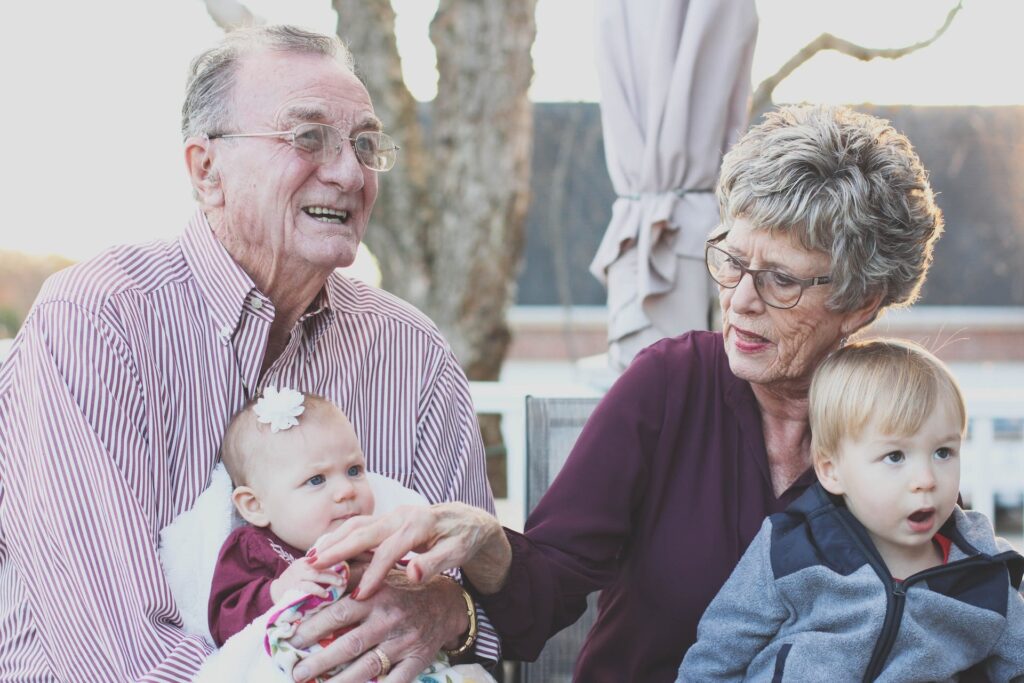
Social engagement immensely benefits mental health and well-being, particularly for older people. Many older adults risk feeling isolated, especially when transitioning to new environments. Maintaining strong connections with family and close friends is paramount, as a robust support network can help combat loneliness. Simple gestures like regular phone calls, visits, and acts of kindness can significantly uplift their spirits.
Fostering Community in Care Settings
For those in care homes, fostering a sense of community is vital. Engaging residents in activities that promote cognitive function, such as learning new skills, is important for maintaining their mental health. Encouraging participation in group activities can facilitate bonding with other residents and staff, creating a more engaging and inclusive atmosphere. Additionally, arranging regular visits from family and friends can reinforce these connections, making residents feel more integrated and valued.
Building Intergenerational Relationships
Building relationships between older adults and younger friends can be incredibly beneficial for both parties. Older adults can share their life experiences, wisdom, and knowledge with younger people, while younger people can bring new energy, ideas, and perspectives to the relationship. Intergenerational relationships can help combat social isolation, which is a significant risk factor for poor health, particularly among older adults. By spending time with family members, friends, and community members, older adults can stay connected, build strong relationships, and maintain a sense of purpose. Regular social interaction can also help older adults stay positive, find happiness, and live a happier life.
Promoting a Sense of Purpose

Engaging in activities that stimulate the mind can significantly improve mental health and overall well-being. Taking on new subjects, such as learning new skills, languages, or hobbies, can greatly enhance cognitive function. This not only keeps the brain active but also provides a sense of accomplishment and purpose.
Photo by Kampus Production via Pexels
Feeling Valued Through Contribution
Feeling useful and needed can greatly enhance an individual's sense of self-worth. Encouraging elderly individuals to partake in manageable tasks, whether folding laundry or helping with a shopping list, can give them a sense of purpose. Tailoring these tasks to their abilities is important, ensuring they feel accomplished rather than overwhelmed.
Promoting Well-Being Through Physical Activity
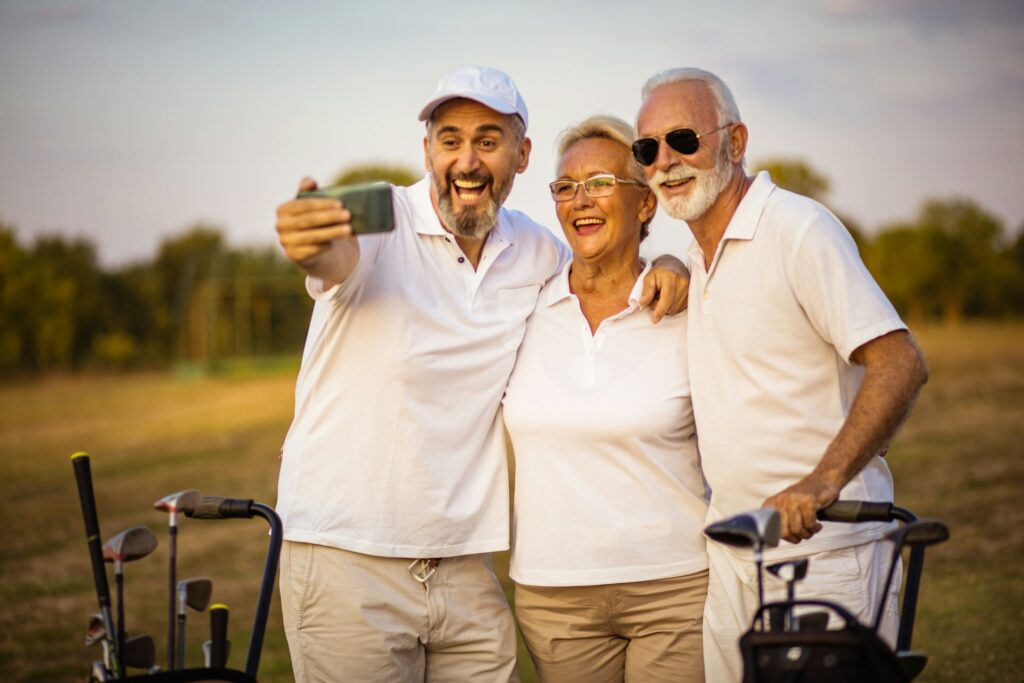
Exercising is crucial for maintaining health as one ages, as it can reduce the risk of chronic diseases, improve mental health, and enhance overall vitality.
via Unsplash
The Benefits of Physical Exercise
Engaging in physical activity is beneficial for physical health and mental well-being, particularly for older people. Physical activity can also help manage or reduce blood pressure levels. Research indicates increased physical activity can help reduce cognitive impairment risks in older adults. Assessing each individual’s capabilities to offer suitable physical activities is essential. Gentle exercises like brisk walking or chair exercises can improve circulation and heart health and alleviate symptoms of anxiety and depression.
Encouraging Movement with Music
A delightful and effective way to incorporate physical activity into the daily routine of elderly individuals is through dancing. Engaging in new things, such as dancing, can stimulate brain health and support healthy aging. Playing their favorite music and inviting them to dance, such as a Waltz, combines the joy of music with gentle physical movement, creating a perfect blend of happiness. This approach encourages physical activity and provides a fun and engaging way to interact, which is particularly beneficial for those in family settings or care homes.
Fostering Deeper Connections Through Conversation
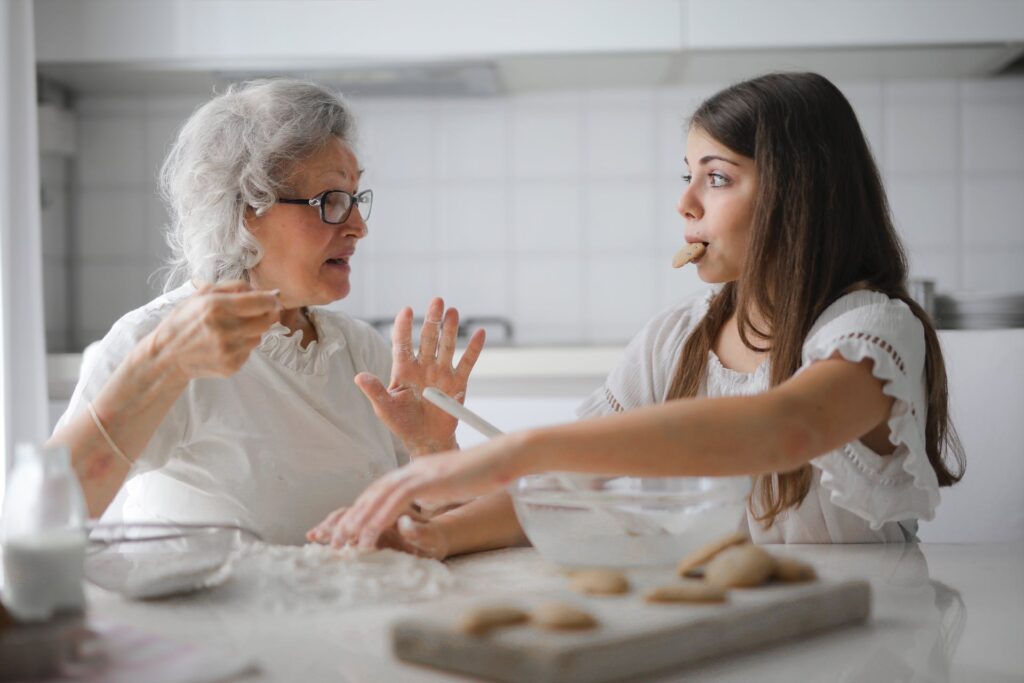
Fostering deeper connections through conversation is essential for emotional well-being. Talking with a close friend or family member to express feelings and process emotions can be incredibly beneficial during tough times.
Photo by Andrea Piacquadio via Pexels
Valuing Elderly Wisdom
Older people often feel overlooked in a fast-paced world yet possess wisdom and experience. Engaging in meaningful conversations with them can be incredibly enriching. For example, discussing their past experiences can provide valuable life lessons and foster a deeper connection. Older adults feel more valued and appreciated by employing active listening techniques, such as asking relevant questions and showing genuine interest. Their stories and insights can be a treasure trove of knowledge for younger generations.
Preserving Memories
For family members, recording conversations (with consent) can be a beautiful way to preserve family history and show elders that their lives have significant meaning and impact.
Creating a Supportive Environment
Creating a supportive environment is crucial for older adults to thrive. This includes providing a safe, comfortable, and accessible living space that meets their physical and emotional needs. A balanced diet, regular exercise, and access to healthcare services are essential for maintaining physical health and preventing health problems, such as heart disease, lung cancer, and gum disease. Additionally, older adults need emotional support, social interaction, and mental stimulation to maintain their emotional health and well-being. By providing a supportive environment, we can help older adults build strong relationships, stay connected, and find happiness in their old age.
Sharing in Their Hobbies

Sharing in hobbies is a wonderful way to bond and create lasting memories. Learning new skills is also crucial for maintaining cognitive functions as one ages. Engaging in brain training and acquiring new skills can help mitigate memory loss and improve memory performance, encouraging people to start these activities regardless of their age.
Photo by MART PRODUCTION via Pexels
The Joy of Shared Interests
Participating in hobbies with elderly individuals can be a source of immense joy and satisfaction for them. Engaging the brain by taking on new subjects, such as learning new skills, languages, or hobbies, can greatly enhance cognitive function. Whether reading, writing, solving puzzles or watching a favorite sport, these activities keep their minds engaged and help maintain cognitive functions. If physical limitations prevent them from enjoying certain hobbies, finding creative adaptations, like watching a golf game instead of playing, can be equally fulfilling.
Valuing Their Stories
Many elderly individuals hold their family history and heritage in high regard. For example, sharing stories about their childhood or significant life events can bring joy and a sense of connection. Encouraging them to share their stories and memories can profoundly show interest and respect for their life experiences. Looking through old photographs and listening to their anecdotes can bring immense joy and a sense of connection to their past and you.
Researching Family Roots
When older adults may not know much about their family background, offering to research their family history can be a thoughtful and engaging project. Understanding the ages at which family members experienced significant life events can provide valuable insights into their heritage. This provides them with insights into their heritage and conveys a deep sense of being valued and cherished.
Nurturing a Positive Outlook
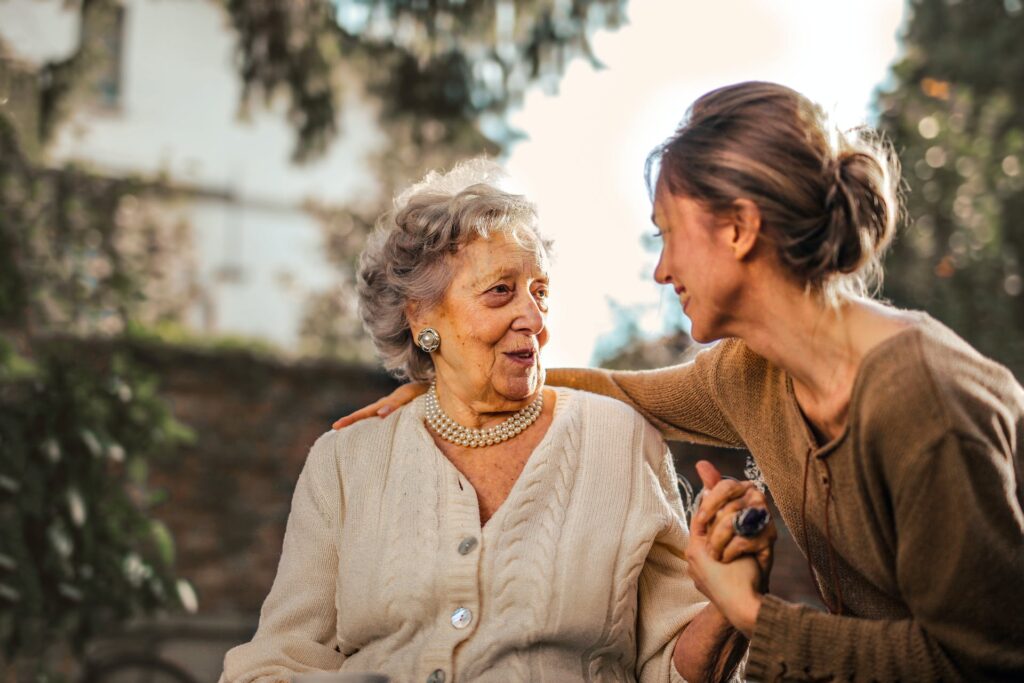
Nurturing a positive outlook is essential for overall well-being. Managing negative emotions is crucial to maintaining this positive outlook, especially as we age and face various life challenges.
Photo by Andrea Piacquadio via Pexels
Embracing Emotional Wisdom
Research suggests that with age comes an improved ability to regulate emotions, leading to a more positive outlook. Finding healthy ways to cope with life's challenges is crucial, as it helps build resilience and manage stress effectively. Many older adults tend to view life experiences and challenges through a lens of optimism.
Supporting Through Life Transitions
However, significant life changes, such as health issues or adjustments to living environments, can challenge this positivity. Understanding and managing physical changes that come with aging is crucial, as it can significantly improve one's quality of life. If an elderly individual struggles with maintaining a positive mindset, introducing the concept of gratitude can be beneficial. Encouraging them to be around uplifting people and helping them to make plans for enjoyable activities can foster a more optimistic perspective and enhance their overall life experience.
Providing Practical Support
Providing practical support is essential for older adults to maintain their independence and quality of life. This includes helping with daily tasks, such as grocery shopping, cooking, and cleaning, as well as providing transportation and accompaniment to medical appointments. Regular check-ups with a doctor can help identify potential health problems early on, and preventive measures, such as vaccinations and screenings, can help prevent illnesses. Additionally, older adults may need support with managing their finances, taking medication, and staying hydrated. By providing practical support, we can help older adults stay safe, healthy, and happy, and ensure they can live life to the fullest.
Group Activities To Foster Community Among Residents?
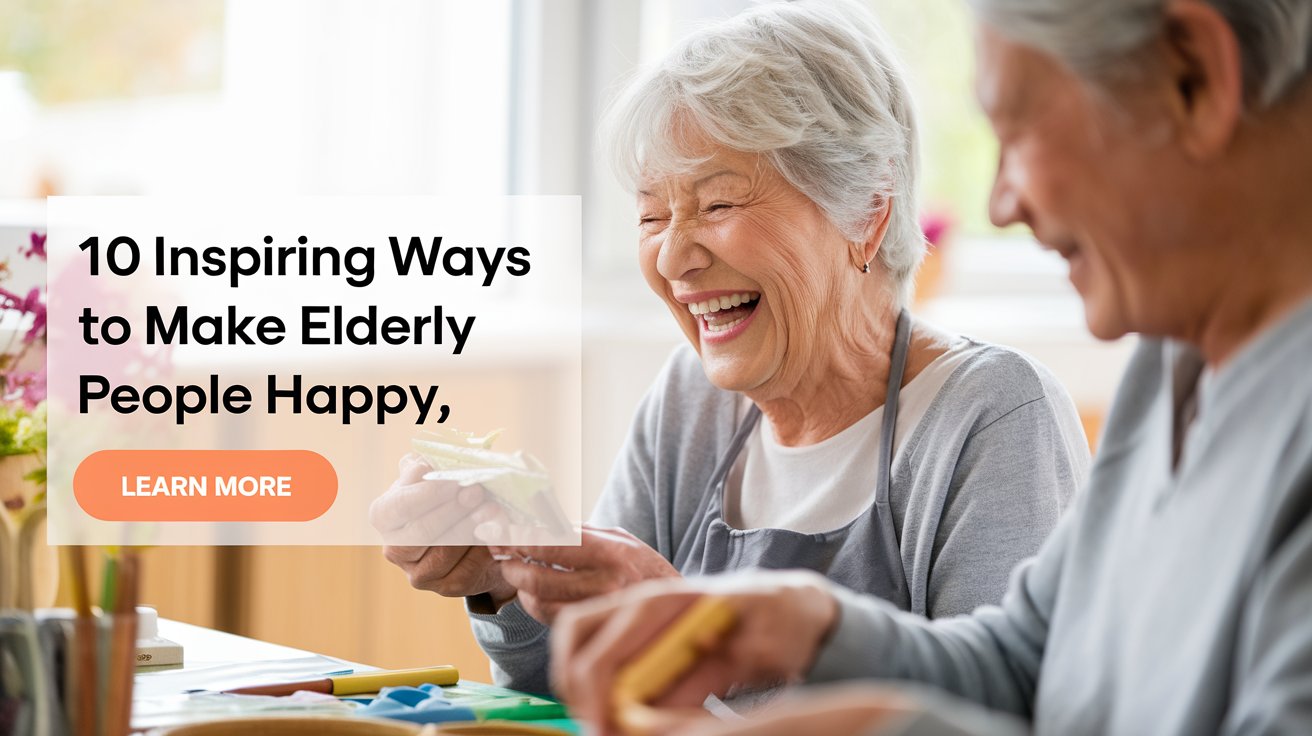
Arranging group activities in care homes is a wonderful way to foster a sense of community and enhance the well-being of residents. Engaging residents in activities that promote cognitive function, such as learning new skills, is crucial for maintaining their mental health. Here are some specific examples of activities that can be both enjoyable and beneficial:
- Arts and Crafts Workshops: Organizing sessions for painting, knitting, pottery, or scrapbooking can be therapeutic and offer a creative outlet. These activities also help in maintaining fine motor skills and cognitive function.
- Musical Entertainment and Sing-Alongs: Music has a universal appeal and can be very uplifting. Hosting live music performances, sing-along sessions, or even dance events can energize residents and bring back fond memories.
- Gardening Clubs: Creating a community garden can be immensely rewarding if space allows. Gardening is a relaxing pastime and encourages physical activity and a connection with nature.
- Exercise and Yoga Classes: Tailored exercise routines, chair yoga, or light aerobics can be adapted to suit different mobility levels. These sessions are essential for physical health and can be a social activity.
- Cooking and Baking Groups: Organizing cooking or baking sessions where residents can participate in preparing simple recipes. This can be a delightful sensory experience and a chance to share culinary skills and stories.
- Book and Film Clubs: Starting a book club or organizing regular movie nights with discussions afterward can stimulate cognitive engagement and provide topics for conversation.
- Memory and Reminiscence Sessions: Activities focused on sharing personal stories or historical events can be engaging and therapeutic, especially for residents with dementia.
- Board Games and Puzzle Evenings: Games like bingo, chess, card games, or jigsaw puzzles are not only fun but also help keep the mind sharp.
- Educational Workshops: Hosting talks or workshops on various topics, like history, science, or art, can be intellectually stimulating and offer opportunities for learning and engagement.
- Pet Therapy Sessions: Arranging visits from therapy animals can be soothing and bring immense joy to residents.
These activities keep the residents engaged and help build a sense of community and belonging. It’s important to tailor these activities to the interests and abilities of the residents to ensure maximum participation and enjoyment.
10 Special Considerations Before Engaging in Physical Activities?
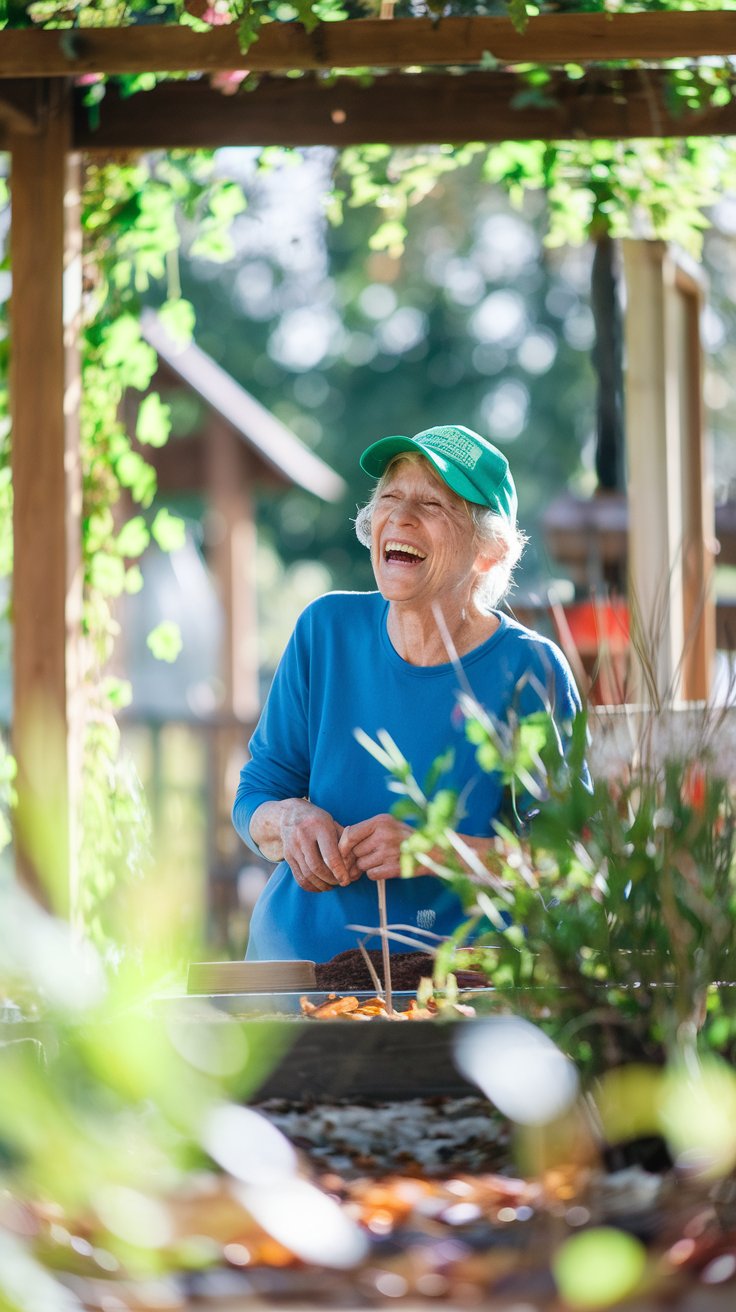
Yes, there are several important precautions and special considerations to take into account when encouraging elderly individuals to engage in physical activities. Physical activity can help manage or reduce blood pressure levels, contributing to overall health benefits:
- Medical Clearance: Before starting any new exercise program, it’s crucial to get medical clearance from a healthcare professional, especially for those with existing health conditions or who have been inactive.
- Tailored Exercise Programs: Activities should be tailored to the individual’s health status, mobility level, and physical capabilities. Avoid one-size-fits-all approaches, as elderly individuals can have various abilities and health concerns.
- Warm-Up and Cool-Down: Incorporate gentle warm-up exercises before starting and cool-down exercises after finishing to prevent strain or injury.
- Monitor Intensity: Exercise intensity should be moderate and not overly strenuous. Use simple methods like the ‘talk test’ (being able to talk comfortably during the activity) to gauge the appropriate intensity level.
- Hydration and Nutrition: Ensure participants are well-hydrated and have eaten appropriately before engaging in physical activities. Dehydration and low blood sugar can increase the risk of dizziness or fainting.
- Safe Environment: The exercise environment should be safe and free of obstacles to prevent falls. Proper equipment, supportive footwear, and any necessary aids (like walkers or handrails) should be available.
- Supervision: Supervision by
Useful Links To Learn More
- Age UK – Wellbeing and Happiness in Later Life – Offers advice and resources to help older adults maintain mental well-being and happiness.
- NHS – Mental Health and Wellbeing – Provides information on how to support mental health and happiness in older adults, including tips for combating loneliness and depression.
- The Silver Line – Helpline and Support for Older People – A free, confidential helpline providing information, friendship, and advice to older adults in the UK.
- Mind – Wellbeing Tips for Older People – Mental health charity Mind offers tips and support to help older adults maintain a positive outlook and improve their happiness.
- Royal Voluntary Service – Activities and Volunteering – Encourages older adults to engage in activities and volunteering opportunities to boost happiness and social connections.
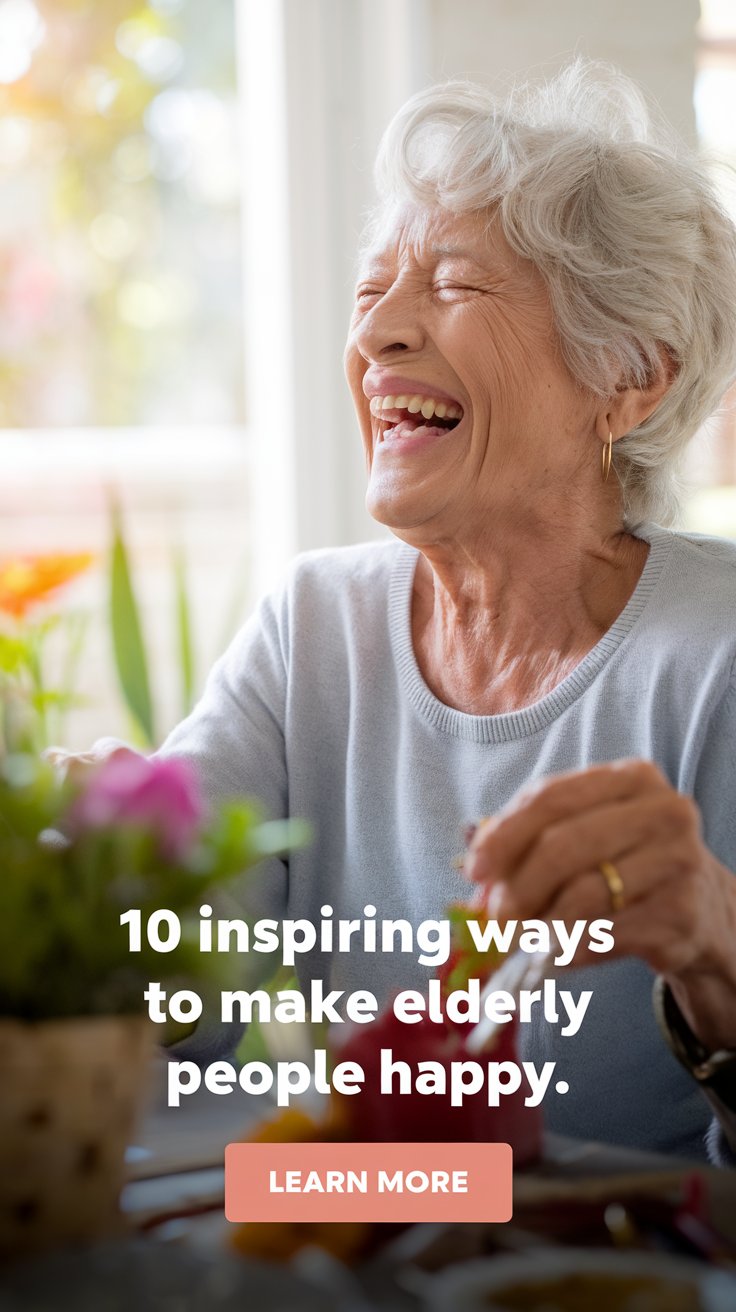
Feature image @Unsplash
Keep reading

20 Best Cruise T-Shirt Designs You Will Love
Browse these 20 cruise t-shirt designs that will transform your vacation style and make you the talk of every port.

Should You Sell Your Garage Property As-Is? Lessons from Fort Worth
Feet Swelling Causes - An Expert Guide
Common foot swelling may seem harmless, but these hidden causes could reveal serious health concerns you shouldn't ignore.
Need personal guidance?
Talk to an advisor
Our care experts are here to help you make the right choice — for free.