10 Best Mobility Scooters For Shopping - An Expert Guide In 2025!

Making your supermarket trips smoother and more comfortable with the right mobility scooter can greatly enhance your independence. In this guide, we’ll break down the key factors to consider when choosing a mobility scooter for shopping, including important features like ease of manoeuvrability, battery life, safety, and storage. You'll discover how the right scooter can transform a routine errand into an empowering experience. Whether you're familiar with mobility scooters or just starting to explore your options, this article offers practical advice to help you find the perfect fit for your daily needs. Let's dive in and simplify the process together…
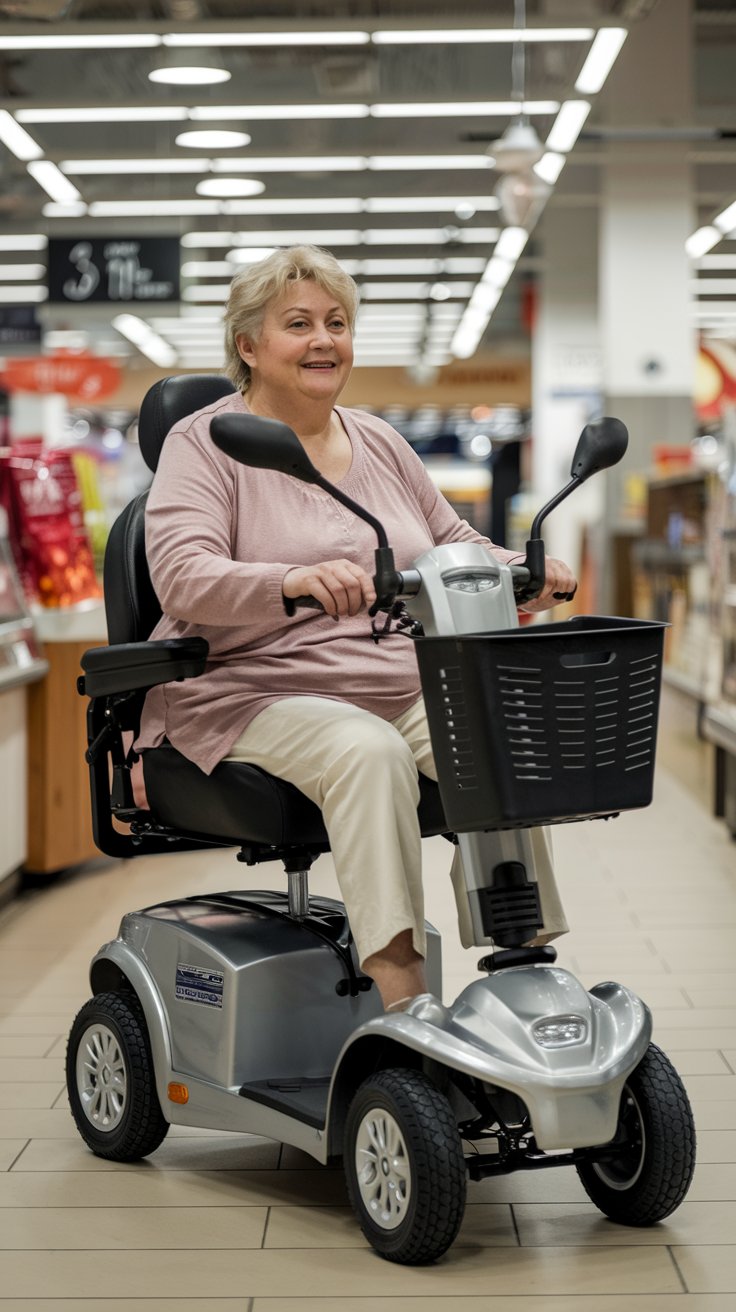
Mobility Scooter Accessibility In UK Shops
Free Use at Sainsbury's: Most Sainsbury's supermarkets offer complimentary use of wheelchairs and mobility scooters.
Purchasing at Morrisons: Mobility scooters are available for sale, enhancing shopping accessibility for disabled customers.
Rental Options at Tesco and Asda: Renting a mobility scooter at Tesco is a practical choice. Asda further supports customers with in-store wheelchair and scooter rental services.
Usage And Safety Regulations
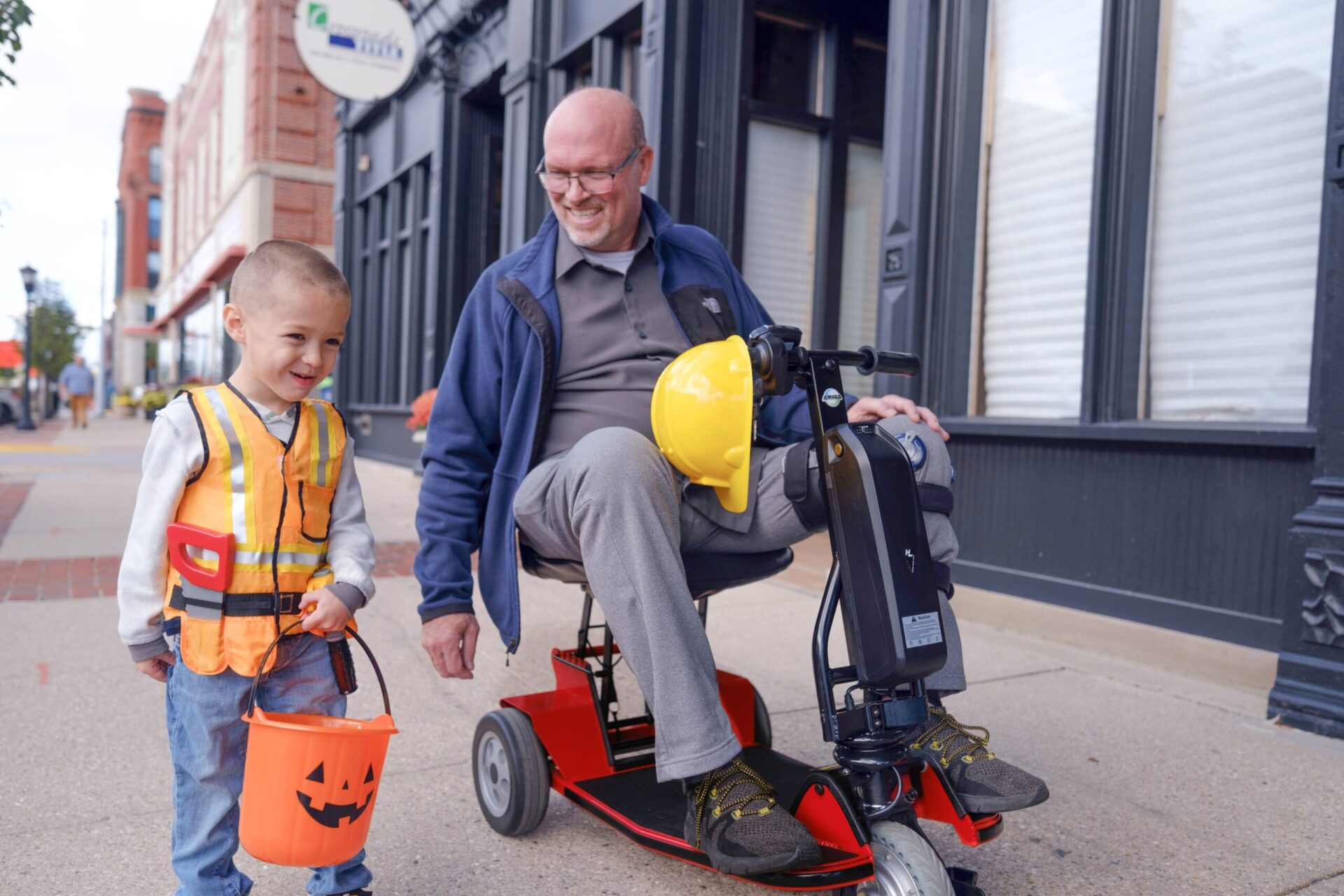
Pavement Speed Limiters: Road mobility scooters require speed limiters when used on pavements, ensuring safety for all.
Bus Lane Restrictions: Class 3 road-legal scooters are prohibited in bus lanes, adhering to traffic regulations.
Customer Service Support: Disabled travelers can inquire with local store customer services about the availability of mobility scooters or wheelchairs.
General Accessibility In Retail Establishments
Retail Access Varies: While many small businesses across towns are accessible via mobility scooter, some may restrict entry for safety or insurance reasons.
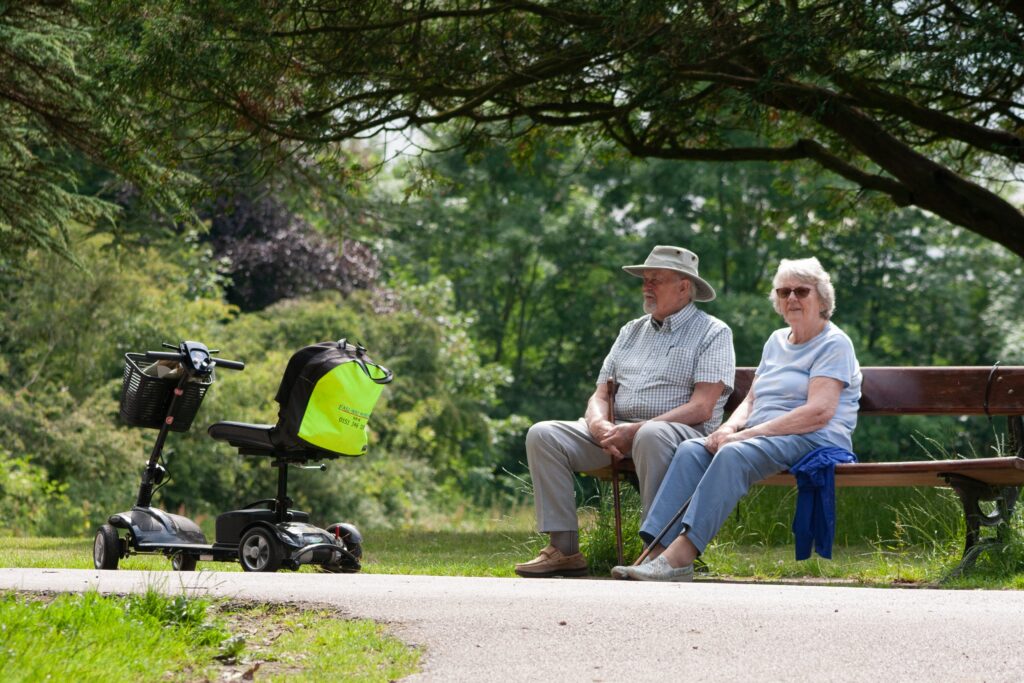
Behavioural Guidelines For Mobility Scooter Users
Meeting Individual Needs: If you require assistance for mobility, a scooter can significantly ease your shopping experience. Awareness of surroundings and adherence to store policies are vital while operating these devices.
Restrictions And Legalities
Prohibited Areas: Certain locations may restrict wheelchair and mobility scooter access. Always verify with the specific venue in advance.
Street Legality and Speed Limits: Class 2 scooters are commonly used in urban areas with a 4 mph speed limit to match pedestrian pace. On pavements, this speed limit also applies to avoid hindering pedestrians.
Registration Plates: In the UK, mobility scooters do not require registration plates.
Supermarket Accessibility
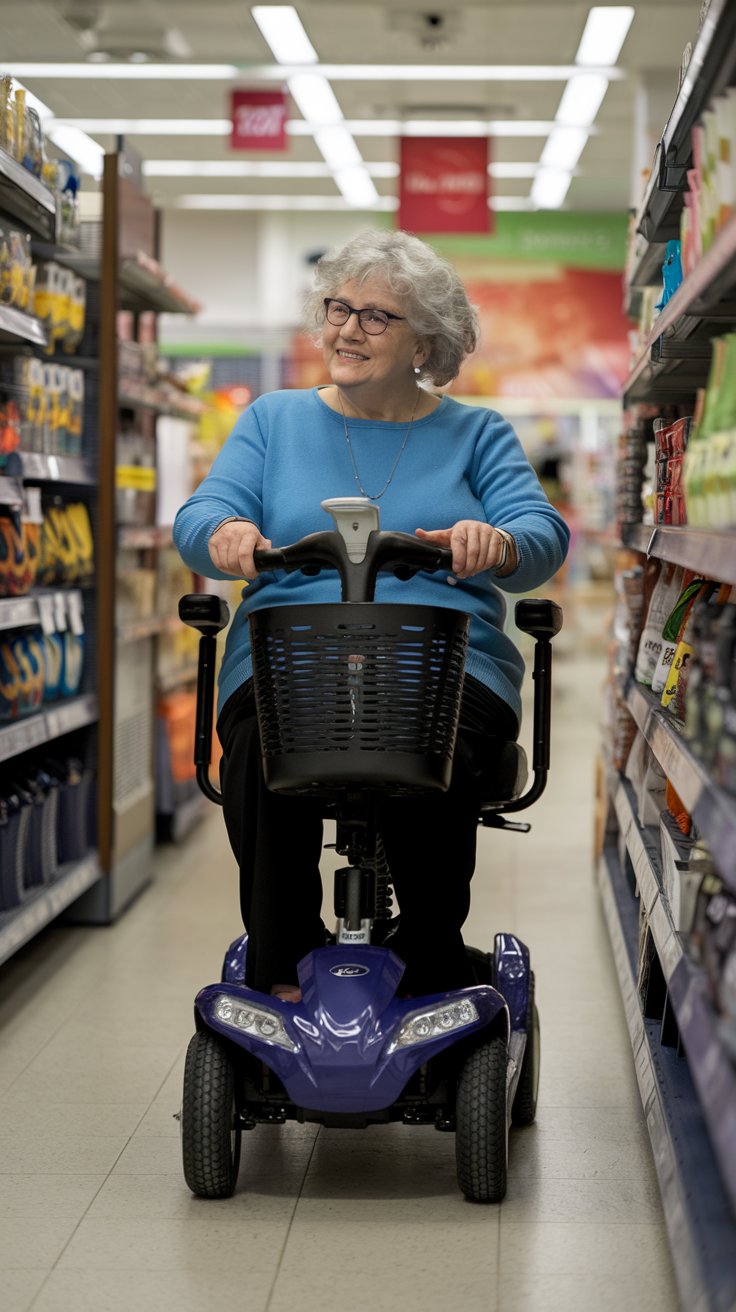
Widespread Supermarket Accessibility: Most large UK supermarkets accommodate mobility scooters, thanks to spacious aisles and layouts.
- Sainsbury's: Provides free use of wheelchairs and mobility scooters on a first-come, first-served basis.
- Morrisons: Offers a variety of mobility scooters for sale and provides wheelchair loans.
- Aldi: Has widened aisles under "Project Fresh" for improved accessibility.
- Tesco: Offers scooter rental with the availability varying by location.
- Asda: Provides wheelchair and scooter rentals, ensuring comfortable navigation within the store.
Additional Considerations
Bus Accessibility: Mobility scooter access on buses depends on the vehicle's size and passenger capacity.
Use Without Disability: People without registered disabilities are legally permitted to use mobility scooters.
Legal Status in the UK: Using mobility scooters is protected under disability rights, ensuring accessibility in public spaces across the UK.
What Specific Features Should One Look For When Choosing A Mobility Scooter For Shopping In UK Supermarkets?
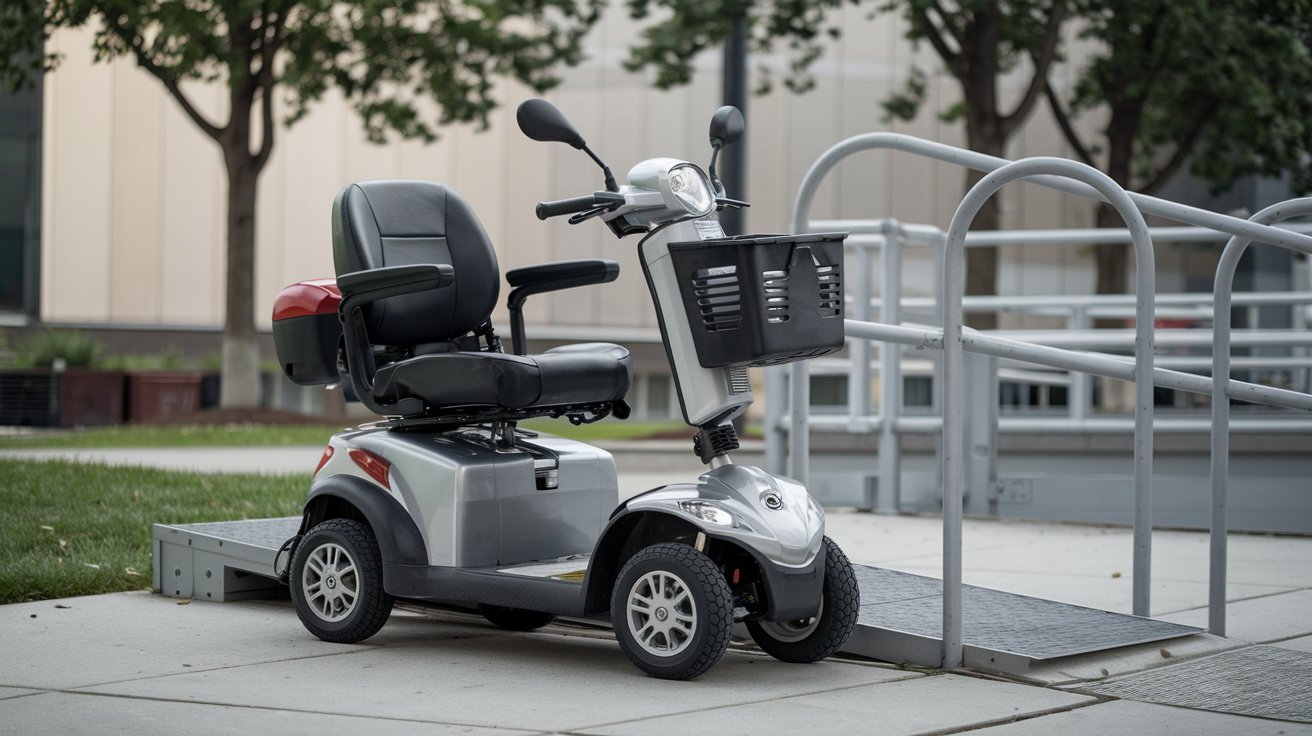
When choosing a mobility scooter specifically for shopping in UK supermarkets, there are several key features to consider. These features will enhance your shopping experience, ensuring comfort, safety, and convenience. Here are the essential features to look for:
- Maneuverability and Size: Supermarkets can have tight aisles and crowded spaces. A scooter with good maneuverability and a compact size is ideal for navigating through aisles and around displays.
- Battery Life and Range: Ensure the scooter has sufficient battery life to complete your shopping trip without recharging. Consider the range of the scooter if you're traveling to and from the supermarket without a vehicle.
- Comfort and Adjustable Features: Look for a scooter with comfortable seating, especially if you plan on spending extended periods shopping. Adjustable armrests and seat height can add to the comfort.
- Basket and Storage Capacity: Adequate storage for groceries is crucial. Some scooters have built-in baskets, or you can attach additional storage solutions.
- Weight Capacity: Make sure the scooter can comfortably support your weight plus the weight of your shopping items.
- Ease of Transport: If you're transporting the scooter by car, look for a foldable or easily disassembled model.
- Durability and Maintenance: Choose a scooter that is durable and easy to maintain, considering that it will be used frequently in different environments.
- Safety Features: Essential safety features include efficient brakes, anti-tip wheels, and lights or reflectors for visibility.
- Pavement Friendly: Since you'll be using the scooter primarily in pedestrian areas, ensure it's suitable for pavement use, adhering to the legal speed limit (usually 4 mph).
- Ease of Use: Consider how easy it is to operate the scooter, including controls and steering.
- Warranty and Service: Look for a good warranty and accessible service options in case of repairs or maintenance needs.
By prioritizing these features, you will find a mobility scooter that makes your shopping experience at UK supermarkets more enjoyable and meets your individual mobility needs.
Is There A Specific Type Of Mobility Scooter Recommended For Shopping Purposes?
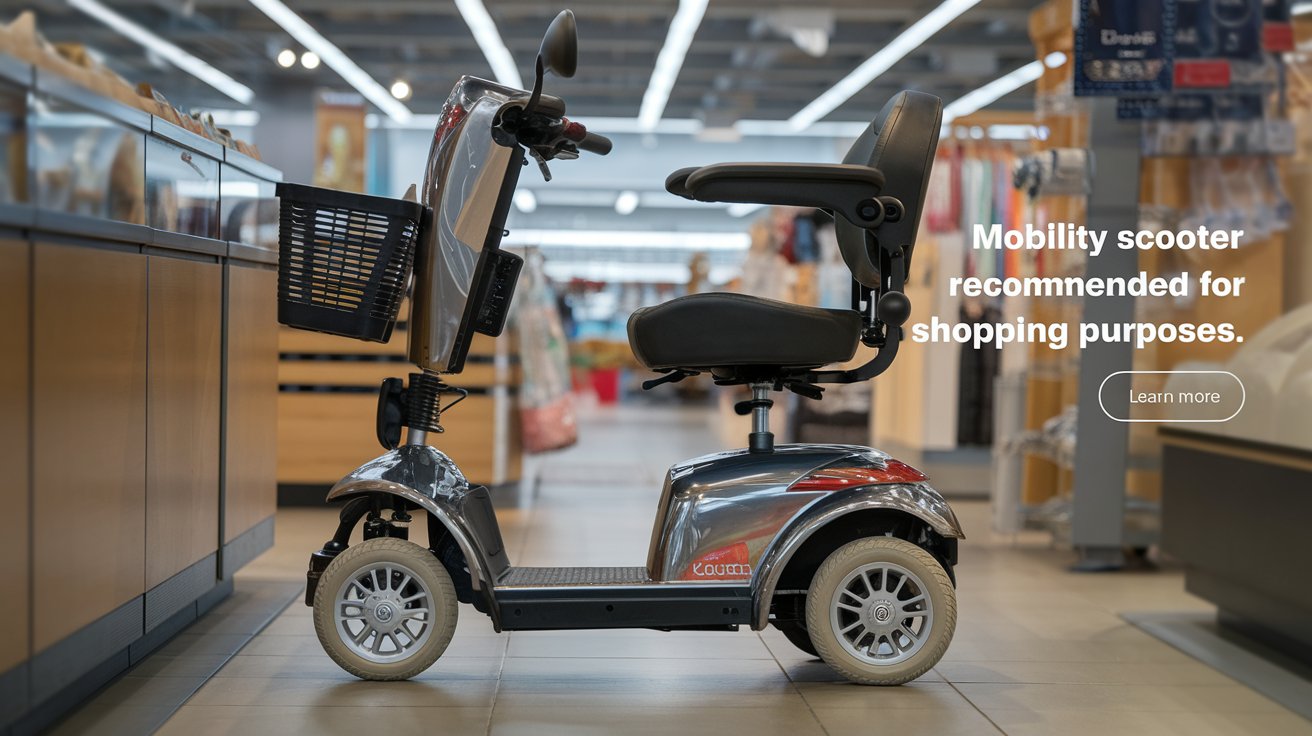
For shopping purposes, particularly in environments like supermarkets, a specific type of mobility scooter is often recommended: the Class 2 Mobility Scooter. This category of scooters is designed with features that make them particularly suitable for indoor use and shopping activities. Here are some key characteristics of Class 2 scooters:
- Compact Size: Class 2 scooters are generally smaller and more compact than their Class 3 counterparts, making them easier to maneuver in narrow supermarket aisles and crowded areas.
- Pavement-Friendly Speed: These scooters are limited to a maximum speed of 4 mph, which is safe for indoor and pavement use, aligning with UK legal requirements for pavement scooters.
- Portability: Many Class 2 scooters are designed to be lightweight and portable. Some models can be folded or dismantled for easy transportation in a car, which is convenient if you travel to different shopping locations.
- Good Maneuverability: They typically have a good turning radius and responsive controls, allowing for better navigation around tight corners and busy spaces.
- Adequate Battery Life: While they might not have the extended range of Class 3 scooters, Class 2 scooters usually have sufficient battery life for typical shopping trips.
- Storage Options: Most come with baskets or offer the option to attach them, providing convenient space to carry groceries and personal items.
- Comfort Features: Features like adjustable seats, armrests, and padded seating enhance comfort during longer shopping trips.
- Indoor and Outdoor Use: While ideal for indoor use, Class 2 scooters are also capable of handling outdoor environments like parking lots, pavements, and crossing roads, making them versatile for a complete shopping experience.
Choosing a scooter based on individual needs and preferences is important, considering factors like physical comfort, specific mobility challenges, and the type of shopping you'll be doing. It's always advisable to test different models and consult a mobility specialist to find the scooter that best fits your lifestyle and requirements.
Are There Any Legal Requirements For Using A Mobility Scooter In Public Spaces Other Than The Ones Mentioned In The Text?
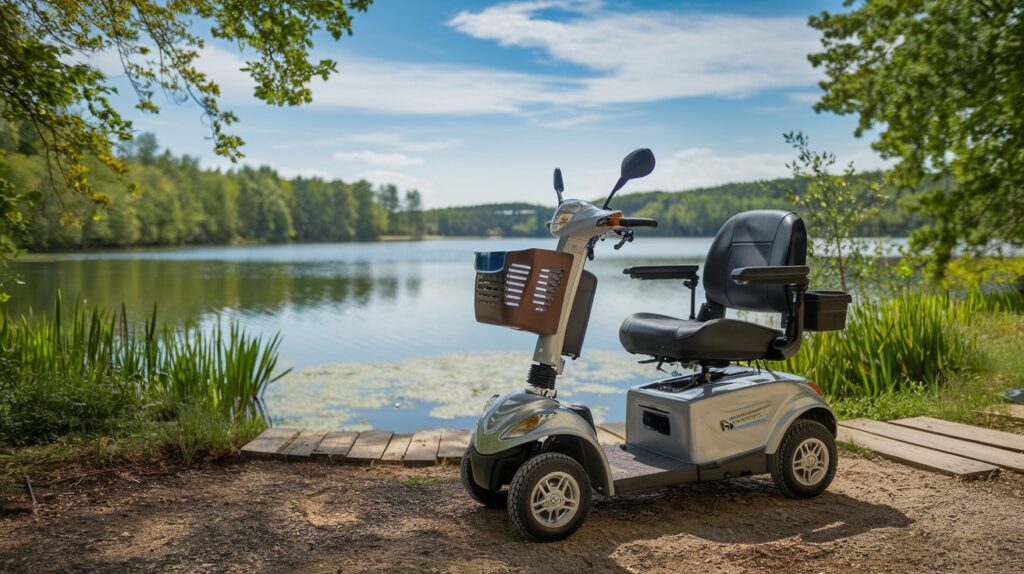
In the UK, while using a mobility scooter in public spaces, there are several legal requirements and guidelines beyond the basic rules mentioned previously. These regulations are designed to ensure safety for both the user and the general public. Here are some additional legal requirements and considerations:
- Age Requirement: Users of mobility scooters should be at least 14 years old.
- Insurance: Although not legally required, it is highly recommended to have insurance for your mobility scooter to cover damages or injuries to third parties or in case of theft or accidental damage to the scooter.
- Road Use for Class 3 Scooters: If you are using a Class 3 mobility scooter (up to 8 mph), it's legally allowed on the road (except motorways and cycle-only lanes). If used on a dual carriageway, these scooters must be equipped with front and rear lights, indicators, a horn, a rearview mirror, an amber flashing light, and reflectors.
- Tax Registration: Class 3 mobility scooters must be registered with the DVLA and display a 'nil value' tax disc, although they are exempt from road tax.
- Driving on Pavements: When driving on pavements, mobility scooters must adhere to the 4 mph speed limit, regardless of their class.
- Alcohol and Drug Influence: It's illegal to operate a mobility scooter while under the influence of alcohol or drugs.
- Pedestrian Priority: Mobility scooter users must always prioritize pedestrians, ensuring they do not cause obstruction or harm.
- Visibility: Enhancing visibility using fluorescent materials or flags is advisable, especially when traveling on roads or in poorly lit areas.
- Maintenance: Regular scooter maintenance is important to ensure it remains safe and roadworthy.
- Hearing and Sight Requirements: While there are no specific legal requirements for hearing and sight, the user must have adequate vision and hearing to navigate safely in public spaces.
- Training: No formal training or license is required to operate a mobility scooter, but it's recommended to undergo training to ensure safe and effective use, especially for those who are new to using these vehicles.
Mobility scooter users must be aware of and comply with these regulations and guidelines to ensure their safety and the safety of others in public spaces.
Conclusion
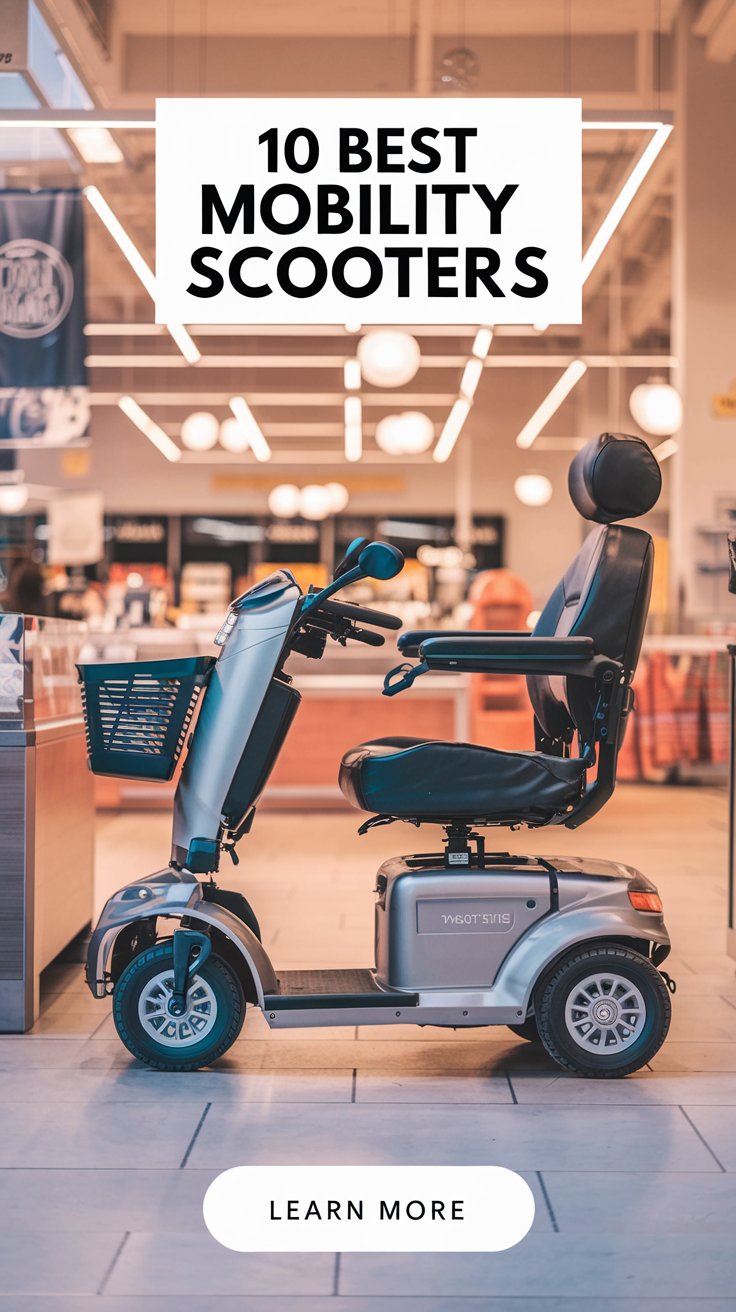
In conclusion, navigating the world of mobility scooters, especially for use in public spaces like supermarkets, can significantly enhance your independence and quality of life. Remember to choose a model that suits your needs in size, comfort, and battery life, ensuring it aligns with UK legal requirements for safety and accessibility. While there are risks, such as navigating crowded areas and maintaining safe operation, these can be effectively managed with careful selection and responsible use of your mobility scooter. Although not mandatory, insurance is a wise consideration for added peace of mind. Above all, embracing these scooters' freedom and mobility can open up a new world of independence and convenience. So, feel empowered to explore your options, seek professional advice, and take that positive step towards enhanced mobility and an enriched lifestyle.
Useful Links To Learn More
- Motability Scheme - Provides information on how to access mobility scooters through the UK Motability scheme for eligible individuals.
- Age UK Mobility - A trusted source offering advice on mobility scooters, including guidance on purchasing and maintaining them.
- NHS Wheelchair and Mobility Scooter Services - Information on how to apply for mobility aids through the NHS.
- Blue Badge Scheme - Offers information on parking benefits and accessibility for those using mobility scooters.
- Shopmobility UK - A service providing access to mobility scooters and wheelchairs for hire in town centres and supermarkets across the UK.
Feature Image Photo By Richard Bell on Unsplash
Keep reading

20 Amazing Crochet Beginner Ideas
Join the fun with these 20 amazing beginner crochet projects that will inspire your creativity and lead you to endless possibilities!

20 Amazing Crochet Blue Ideas
Join us as we unveil 20 amazing blue crochet projects that will inspire your creativity and elevate your crafting game!

20 Amazing Crochet Black Ideas
Marvel at these 20 amazing black crochet projects that will ignite your creativity and inspire your next crafting adventure! Discover your new favorite today.
Need personal guidance?
Talk to an advisor
Our care experts are here to help you make the right choice — for free.