Death by Dementia Explained: From Cognitive Deterioration to Life’s Final Chapter

Dementia, especially Alzheimer's disease, is a complex and often misunderstood aspect of aging. It’s more than just memory loss—it's a progressive and terminal condition that impacts every facet of life. In this article, we'll explore how dementia gradually takes over, starting with memory and communication challenges, and eventually disrupting critical bodily functions like breathing and circulation. You'll learn why dementia is now the leading cause of death in England and Wales, overtaking heart disease, and why it’s so much more than a memory issue. By the end, you'll have a clearer understanding of the full impact of this devastating disease, equipping you with the knowledge to approach it with the seriousness it demands. Let's dive into the harsh reality of dementia and why it needs our full attention...

Accidents And Cognitive Challenges
Dementia profoundly affects an individual's independence and safety. It impairs memory and the ability to perform complex tasks, increasing the risk of accidents at home and in public spaces. Mobility issues, diminished stability, and reduced spatial awareness also heighten the danger of falls and serious injuries like fractures.
Nutrition And The Risk Of Frailty
During dementia's advanced stages, nutritional challenges become prominent. Difficulties in shopping, meal preparation, and a reduced appetite often lead to significant weight loss. Progressive muscle control loss complicates eating, heightening the risk of frailty, falls, fractures, and severe infections.
The Danger Of Aspiration And Infections
As dementia progresses, it disrupts the coordination between swallowing and breathing. This can lead to dehydration, the risk of aspirating food or liquids, choking incidents, and aspiration pneumonia, all of which are severe and potentially life-threatening.
Managing Coexisting Health Issues
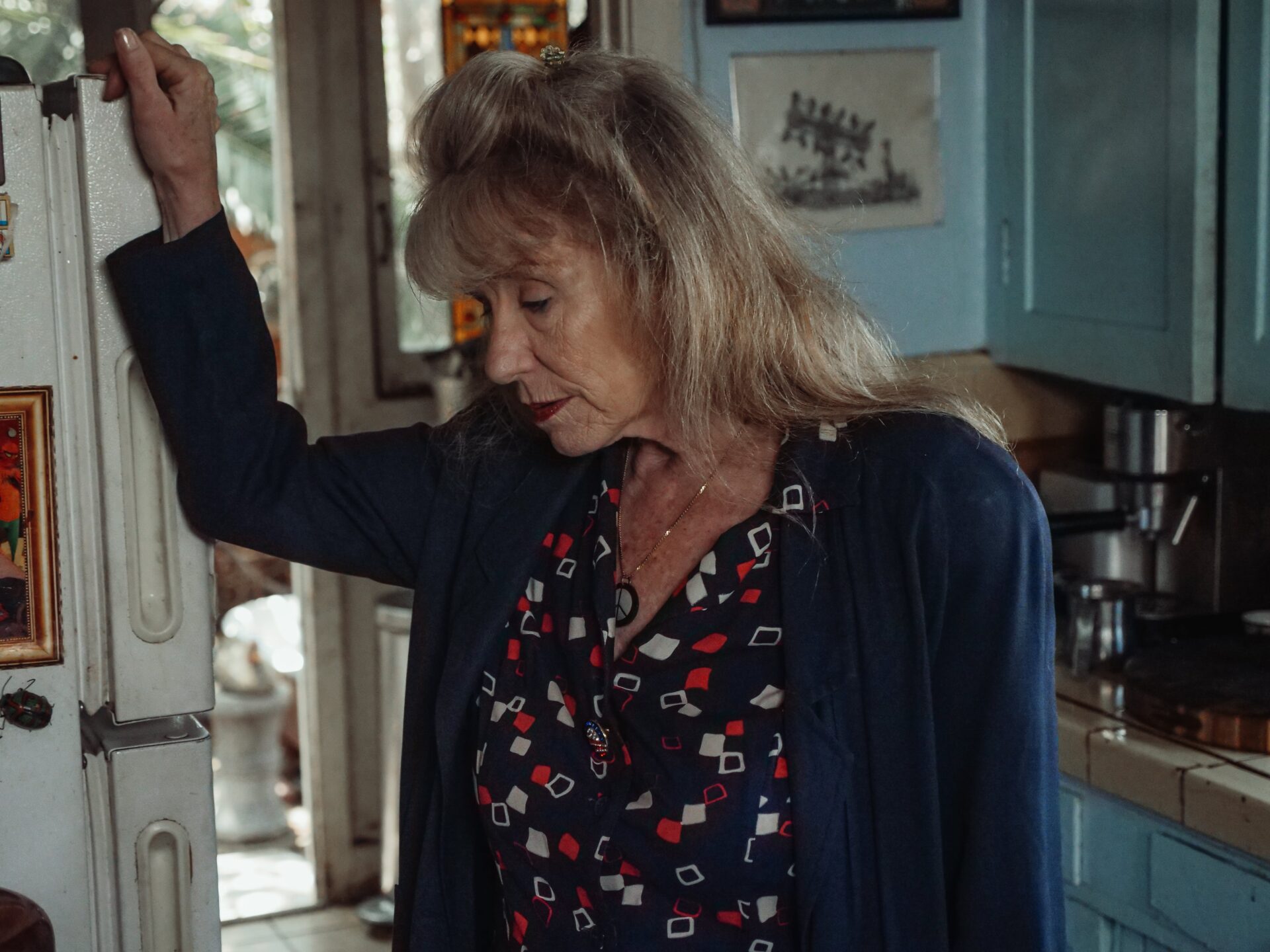
Many individuals with dementia also contend with chronic conditions like heart disease or diabetes. Alzheimer's disease complicates the management of these illnesses, increasing the risk of further health complications.
Personal Care and Continence
With the progression of dementia, managing personal hygiene and continence becomes a challenge. Loss of bladder and bowel control may result in urinary infections, leading to delirium, confusion, and falls, which are especially hazardous for the elderly.
Physical Decline And Skin Ulcers
Alzheimer's disease causes a decline in physical function, leading to stiff muscles and limited mobility. This necessitates assistance with daily activities, increasing the risk of pressure sores and ulcers, which can become infected and pose serious health threats.
Care Needs In Advanced Stages
In the late stages of Alzheimer's, individuals lose the ability to communicate and interact with their environment, leading to the failure of essential body systems. Providing constant support for comfort becomes crucial during end-of-life care.
Comprehensive Support In Dementia Care

Facing dementia, particularly Alzheimer's, is a daunting task, but with the right support and care, individuals can continue to live with dignity. Specialized dementia care is critical in ensuring quality of life throughout the disease's progression.
For families and caregivers of those with dementia, understanding these challenges is essential in providing the necessary support and care at every stage. With appropriate knowledge and resources, navigating the journey with dementia can be more manageable, ensuring comfort and dignity for those affected.
What Are The Specific Symptoms Of Dementia Other Than Forgetfulness?
Dementia encompasses a range of symptoms beyond forgetfulness, affecting cognitive, functional, and psychological aspects of an individual's life. Here are some key symptoms other than memory loss:
- Communication Difficulties: Trouble finding the right words, following or joining a conversation, and repeating questions.
- Impaired Reasoning and Judgment: Difficulty problem-solving, decision-making, or planning complex or sequential tasks.
- Disorientation: Getting lost in familiar places, losing track of dates or time of day, and confusion about personal identity.
- Visual Perception Problems: Difficulty with visual and spatial abilities, such as judging distance or seeing objects in three dimensions; these can lead to issues with driving or navigating stairs.
- Mood and Personality Changes: Shifts in mood, including increased irritability, depression, anxiety, or apathy, as well as changes in personality traits.
- Withdrawal from Social Activities: Losing interest or participating less in social interactions, work projects, or hobbies.
- Difficulty with Complex Motor Skills: Challenges in coordinating or performing complex tasks like dressing or eating.
- Impaired Executive Functioning: Struggling with organizing, prioritizing, or focusing on tasks.
- Hallucinations and Delusions: In some types of dementia, experiencing hallucinations (seeing or hearing things that aren't there) or delusions (believing things that aren't true).
- Behavioral Changes: Exhibiting uncharacteristic behaviors such as wandering, agitation, aggression, or sleeping disturbances.
It's important to note that the manifestation and progression of these symptoms can vary greatly among individuals. Early and accurate diagnosis is crucial for managing dementia effectively, as it allows for timely intervention and support strategies.
How Does Dementia Impact An Individual's Ability To Live Independently And Safely?
Dementia, including Alzheimer's disease, significantly impacts an individual's ability to live independently and safely in various ways. As the condition progresses, it affects cognitive, physical, and emotional capacities, increasing dependence on others for daily living. Here are key areas where dementia impacts independence and safety:
- Memory Loss: One of the most immediate effects of dementia is memory loss. This can lead to forgetting important tasks like taking medication, turning off the stove, or locking doors, which can compromise health and safety.
- Impaired Judgment and Decision-Making: Dementia affects an individual's ability to make informed decisions. This impairment can lead to unsafe choices, such as neglecting personal hygiene, wearing inappropriate clothing for the weather, or mishandling finances.
- Difficulty with Complex Tasks: Tasks that require multiple steps, such as cooking, driving, or managing finances, become challenging. This can lead to dangerous situations like causing a fire while cooking or getting lost while driving.
- Communication Challenges: Dementia affects the ability to communicate effectively. This can make it hard for individuals to express their needs, understand instructions, or recognize dangerous situations.
- Physical Coordination and Motor Skills: As dementia progresses, it can affect physical coordination and motor skills. This increases the risk of falls and accidents at home. Difficulty in mobility also makes it hard to perform daily activities like dressing, bathing, and eating.
- Altered Perception and Spatial Awareness: Dementia can lead to changes in visual perception and spatial awareness, making it difficult to navigate even familiar environments safely. There is a higher risk of bumping into objects, tripping, or falling.
- Changes in Behavior and Personality: Individuals with dementia may experience mood swings, agitation, or aggression. These behavioral changes can lead to unsafe situations, especially if the person becomes confused or disoriented.
- Decreased Ability to Recognize Risks: Dementia affects the ability to recognize risks or dangerous situations, such as a hot stove, sharp objects, or even recognizing that they need help.
- Social Withdrawal: As tasks become more challenging, individuals with dementia may withdraw from social activities, which can lead to isolation and neglect of their well-being.
- Need for Supervision and Care: Eventually, individuals with dementia require increasing levels of supervision and care to ensure their safety. This may include modifications to their living environment, in-home care services, or transitioning to assisted living or specialized dementia care facilities.
The impact of dementia on independence and safety necessitates a supportive and understanding approach from caregivers, family members, and healthcare professionals. Creating a safe living environment, providing appropriate care, and maintaining a routine can help manage these challenges effectively.
What Are The Best Ways To Provide Specialized Care For Individuals With Alzheimer's And Other Forms Of Dementia?
Dementia, including Alzheimer's disease, significantly impacts an individual's ability to live independently and safely in various ways. As the condition progresses, it affects cognitive, physical, and emotional capacities, increasing dependence on others for daily living. Here are key areas where dementia impacts independence and safety:
- Memory Loss: One of the most immediate effects of dementia is memory loss. This can lead to forgetting important tasks like taking medication, turning off the stove, or locking doors, which can compromise health and safety.
- Impaired Judgment and Decision-Making: Dementia affects an individual's ability to make informed decisions. This impairment can lead to unsafe choices, such as neglecting personal hygiene, wearing inappropriate clothing for the weather, or mishandling finances.
- Difficulty with Complex Tasks: Tasks that require multiple steps, such as cooking, driving, or managing finances, become challenging. This can lead to dangerous situations like causing a fire while cooking or getting lost while driving.
- Communication Challenges: Dementia affects the ability to communicate effectively. This can make it hard for individuals to express their needs, understand instructions, or recognize dangerous situations.
- Physical Coordination and Motor Skills: As dementia progresses, it can affect physical coordination and motor skills. This increases the risk of falls and accidents at home. Difficulty in mobility also makes it hard to perform daily activities like dressing, bathing, and eating.
- Altered Perception and Spatial Awareness: Dementia can lead to changes in visual perception and spatial awareness, making it difficult to navigate even familiar environments safely. There is a higher risk of bumping into objects, tripping, or falling.
- Changes in Behavior and Personality: Individuals with dementia may experience mood swings, agitation, or aggression. These behavioral changes can lead to unsafe situations, especially if the person becomes confused or disoriented.
- Decreased Ability to Recognize Risks: Dementia affects the ability to recognize risks or dangerous situations, such as a hot stove, sharp objects, or even recognizing that they need help.
- Social Withdrawal: As tasks become more challenging, individuals with dementia may withdraw from social activities, which can lead to isolation and neglect of their well-being.
- Need for Supervision and Care: Eventually, individuals with dementia require increasing levels of supervision and care to ensure their safety. This may include modifications to their living environment, in-home care services, or transitioning to assisted living or specialized dementia care facilities.
The impact of dementia on independence and safety necessitates a supportive and understanding approach from caregivers, family members, and healthcare professionals. Creating a safe living environment, providing appropriate care, and maintaining a routine can help manage these challenges effectively.
Conclusion
In conclusion, navigating the journey with dementia, particularly Alzheimer's, can indeed be challenging, but it's a path that can be traversed with grace and understanding. Awareness of the risks, such as accidents, nutritional concerns, and the management of coexisting illnesses, is essential. Equally important is the compassionate approach to care, ensuring personal dignity and comfort in every stage. While the risks are real, they can often be mitigated with vigilant care and early intervention. Embracing a supportive network, whether family, friends, or professional caregivers, can make a significant difference. My advice is to stay informed, be proactive in seeking specialized care, and remember that even amid dementia's complexities, moments of joy and connection are possible. Armed with knowledge and support, you can provide your loved one with a journey that's safe and filled with dignity and love. Remember, every small step in care and understanding contributes to a larger journey of compassion and resilience.
Useful Links To Learn More
- Alzheimer's Society – Understanding Dementia – Provides comprehensive information on the different stages of dementia, including how the disease progresses.
- NHS – Dementia Overview – Offers an overview of dementia, its symptoms, and the care options available in the UK.
- Dementia UK – End of Life Care – Focuses on the end-of-life stages of dementia, providing advice and support for caregivers and families.
- Marie Curie – Dementia Care – Information on palliative care for dementia patients, including how to manage symptoms and improve quality of life.
- Age UK – Coping with Dementia – Practical advice for those caring for someone with dementia, including support services and coping strategies.
Feature Image Photo By Kampus Production on Pexels
Keep reading

20 Amazing Crochet Beginner Ideas
Join the fun with these 20 amazing beginner crochet projects that will inspire your creativity and lead you to endless possibilities!

20 Amazing Crochet Blue Ideas
Join us as we unveil 20 amazing blue crochet projects that will inspire your creativity and elevate your crafting game!
20 Amazing Crochet Black Ideas
Marvel at these 20 amazing black crochet projects that will ignite your creativity and inspire your next crafting adventure! Discover your new favorite today.
Need personal guidance?
Talk to an advisor
Our care experts are here to help you make the right choice — for free.