5 Easy Tips to Convert A Bath To Walk-in Shower - The Ultimate Guide In 2025!
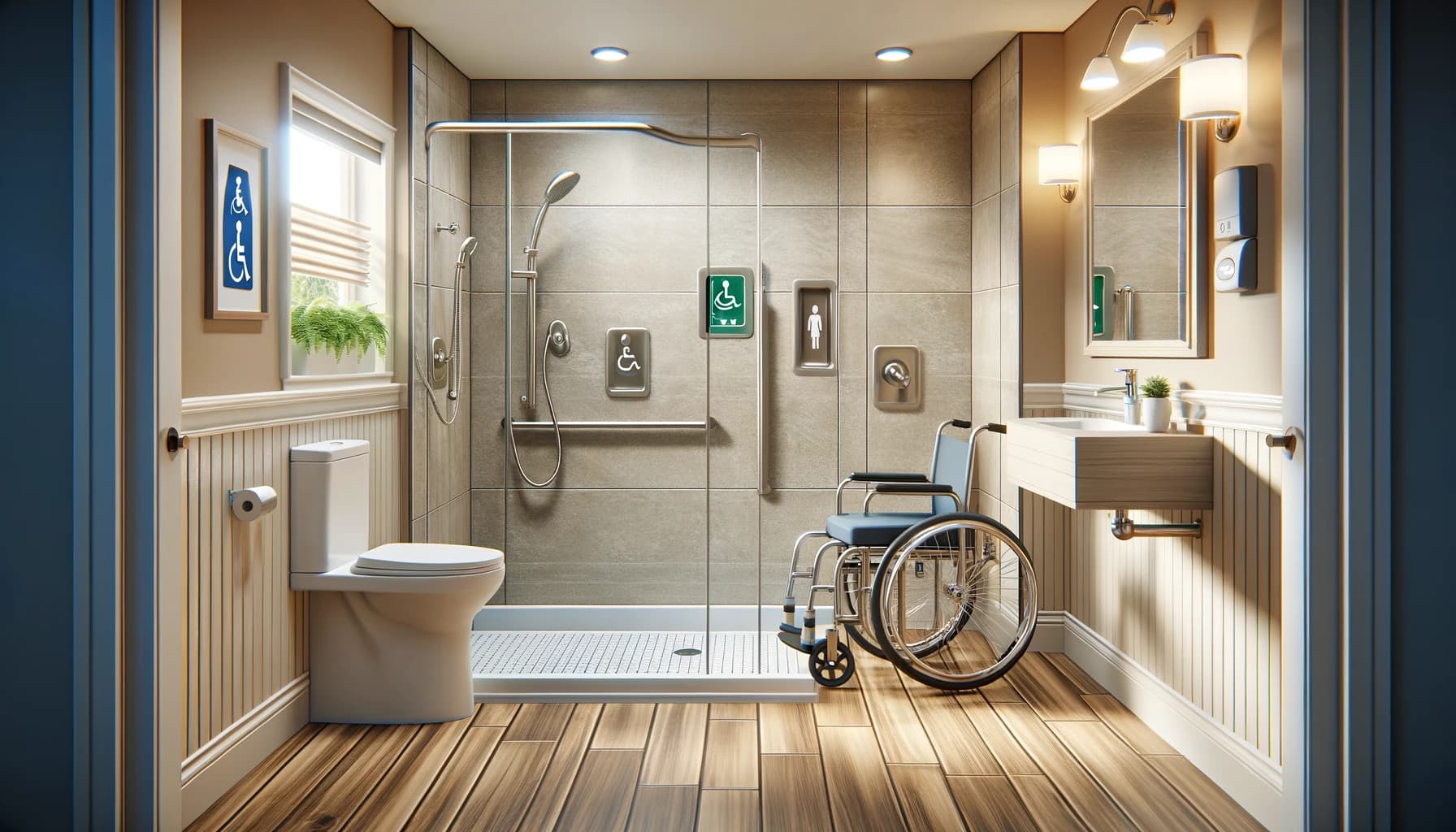
The growing trend of installing walk-in showers in UK homes, especially among those looking for greater accessibility and comfort, is transforming bathroom design. In this article, we’ll explore why walk-in showers, with their sleek, doorless design and easy access, are becoming increasingly popular. You’ll discover the practical benefits they offer, particularly for seniors and individuals with mobility challenges, and how they can even make a bathroom feel more spacious. We’ll also break down the costs and considerations involved in converting a traditional bathtub into a walk-in shower, offering valuable insights and recommendations for those thinking about making this upgrade. This isn’t just about style; it’s about enhancing safety and comfort in your home. Ready to learn how this bathroom transformation can impact your lifestyle and budget? Let’s dive in...
Transitioning To A Walk-In Shower: A Guide For Enhanced Accessibility And Comfort In Retirement
In the realm of later life care and retirement living, the shift from traditional bathtubs to walk-in showers is a trend and a move towards enhanced safety and accessibility. The cost of this transition in the UK can range significantly from £500 to £5,000, depending on various factors like design and additional features. A standard conversion is usually around £1,500.
Installation Process And Considerations
Embarking on installing a walk-in shower should be approached with a well-thought-out plan. It's essential to check for any permissions required from local authorities. The process involves removing existing fixtures, which is best handled by professionals to avoid damage. The goal is a seamlessly installed walk-in shower, boosting your home's appeal and functionality.
Why Choose A Walk-In Shower?
A walk-in shower offers practical advantages, particularly for those in their later years or with limited mobility. Its ease of access and space-efficient design make it preferable for modern bathroom renovations.
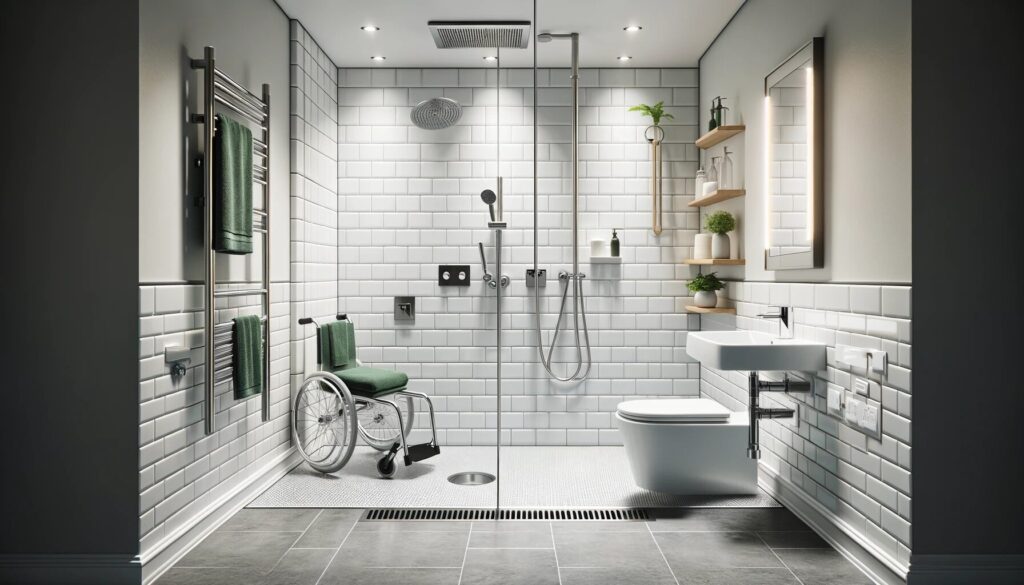
Comparing Wet Rooms And Walk-In Showers
Wet rooms and walk-in showers are both viable options for individuals with mobility challenges. Wet rooms lack a traditional shower tray, offering seamless floor-level access. In contrast, walk-in showers might feature shower trays and wall panels, each catering to different needs and preferences.
Price Factors For Walk-In Showers
The cost spectrum for replacing a bathtub with a walk-in shower spans from £500 to £5,000, influenced by removing the old bath, the type of shower installed, and additional features such as underfloor heating.
Shower Floors And Doors: A Cost Overview
Renovating the shower floor can dramatically transform the bathroom's look, with costs varying based on the room's size. Opting for a doorless walk-in shower can be a cost-saving choice.
Comprehensive Cost Analysis
Prices range from £500 to £2,000 for a basic prefabricated walk-in shower. Costs can escalate for more custom features like a steam room shower. The cost will vary based on customization level, location, and additional accessibility features like grab bars or seats.
Walk-In Bath Conversion Kits In The UK
In the UK, walk-in bath conversion kits are available to transform traditional bathtubs into more accessible walk-in options. These kits often include a side door and may feature additional safety elements like grab bars.
Deciphering Walk-In Shower Prices
The price of a walk-in shower in the UK depends on various components: the enclosure, shower tray, shower system, tiles, labor costs, and any extra features like seats or specialized shower heads.
What Factors Determine The Cost Of Installing A Walk-In Shower In The UK?
The cost of installing a walk-in shower in the UK is influenced by several key factors:
- Size and Layout of the Shower: Larger showers or those with complex designs typically cost more due to increased material and labor requirements.
- Type of Shower Enclosure and Doors: The choice of enclosure - framed, frameless, or semi-frameless - and the type of door (sliding, hinged, or doorless) can significantly impact the cost.
- Quality and Type of Materials: The cost varies based on the materials chosen for the shower tray (acrylic, stone resin, etc.), tiles, and fixtures. Higher-end materials like natural stone or designer tiles will increase the price.
- Shower System: The type of shower system, including electric, mixer, or power showers, and additional features like thermostatic controls, can affect the cost.
- Tiling and Wall Finishes: The extent of tiling (partial or full) and the type of tiles used (ceramic, porcelain, stone, etc.) will influence the overall cost.
- Plumbing Work: Any required alterations or upgrades to existing plumbing, including re-routing pipes or installing new connections, can add to the cost.
- Electrical Work: If electrical work is needed, such as for lighting or an electric shower, this will add to the expense.
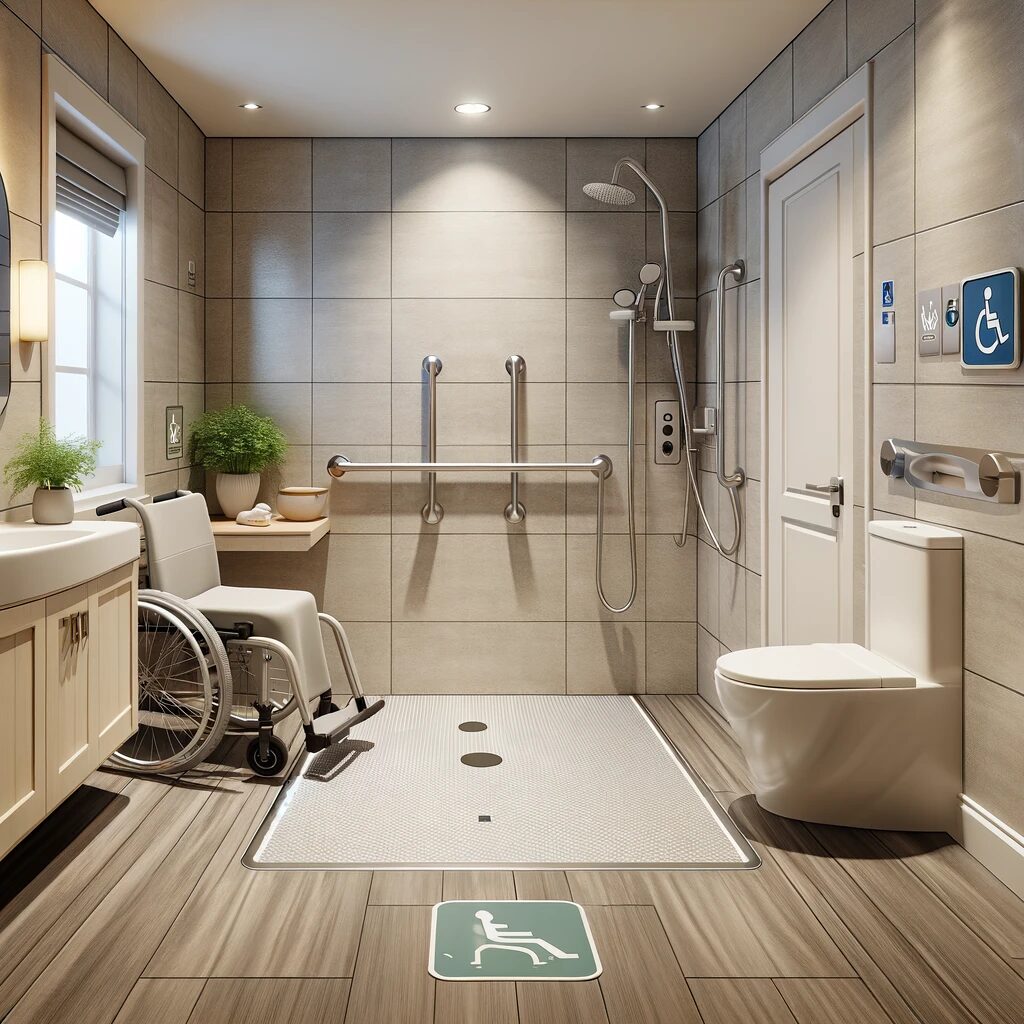
- Accessibility Features: Adding features for accessibility, like grab bars, non-slip floors, or a built-in seat, increases the cost but is essential for those with mobility issues.
- Labor Costs: The cost of labor can vary widely based on the installation's complexity, the installer's experience, and regional differences in hourly rates.
- Removal of Existing Fixtures: The cost of removing and disposing of the old bathtub or shower unit can contribute to the overall expense.
- Location: Prices can vary depending on your geographic location in the UK, with costs typically higher in London and the Southeast.
- Waste Management and Additional Work: Any additional work such as waste management, repairs to underlying structures, or finishing touches like painting will add to the cost.
To get an accurate estimate, obtaining quotes from several professional bathroom fitters is advisable, ensuring they include all necessary work in their pricing.
How Long Does It Take To Install A Walk-In Shower?
The time required to install a walk-in shower can vary based on several factors, but typically, the process takes anywhere from one day to a week. Here's a breakdown of what can influence the installation time:
- Complexity of the Design: Simpler shower designs can be installed more quickly, whereas more complex setups, like custom tile work or intricate shower systems, will take longer.
- Extent of Renovation: The process will take longer if the installation is part of a larger bathroom renovation project. If it's a straightforward replacement of an existing shower or bathtub, the time required will be shorter.
- Condition of Existing Plumbing: If the existing plumbing needs significant modifications or upgrades, this can extend the installation time. In contrast, the process will be quicker if the plumbing is already suited for a walk-in shower.
- Type of Materials Used: Certain materials, like quick-setting adhesives and prefabricated shower units, can speed up installation. On the other hand, materials that require more time to set or cure, such as certain types of tile grout, can prolong it.
- Professional vs. DIY Installation: A professional team can generally complete the installation faster than a DIY approach, thanks to their expertise and experience.
- Dry Time for Materials: Some installation components, like tile adhesive and grout, require time to dry or cure. This can add downtime to the project, even if active work isn't done.
- Custom Features: Incorporating custom features such as built-in seating, unique tile patterns, or multiple shower heads can add to the installation time.
- Unforeseen Challenges: Sometimes, unexpected issues like water damage, mold, or structural problems can be uncovered during the installation, leading to additional repair time.
In summary, a walk-in shower can often be installed within a couple of days for a standard installation with no significant complications. However, more involved projects might take up to a week or more. Discussing the timeline with your installer beforehand is always best to get a more accurate estimate based on your specific circumstances.
What Are The Benefits Of Choosing A Wet Room Over A Walk-In Shower For Individuals With Mobility Challenges?
Choosing a wet room over a traditional walk-in shower can offer several benefits, especially for individuals with mobility challenges. Here are some of the key advantages:
- Level Access: Wet rooms typically have no steps or raised thresholds, offering level access to the shower area. This feature is crucial for individuals using wheelchairs or walkers or those who find stepping over a shower tray challenging.
- Increased Safety: The risk of slips and falls is reduced in a wet room due to the absence of shower trays and steps. The entire room is designed to be waterproof, with slip-resistant flooring, enhancing safety.
- More Space and Flexibility: Wet rooms provide more space and are not confined by shower screens or trays. This extra space benefits those who require assistance while showering or need room for mobility aids.
- Easier to Clean and Maintain: Wet rooms are often easier to clean and maintain with fewer fixtures and fittings than traditional showers. This aspect is particularly advantageous for those with limited mobility, who may find cleaning difficult.
- Versatile Design Options: Wet rooms offer flexibility in design, allowing for a wide range of tiling and layout options. This adaptability can be particularly useful when customizing a space to suit specific mobility needs and aesthetic preferences.
- Increased Property Value: Wet rooms are considered a luxurious feature and can increase the value of a property. They are seen as a modern and stylish bathroom solution.
- Better for Care Assistance: If the individual requires assistance with showering, a wet room provides more space for a caregiver to help without the constraints of a shower cubicle.
- Accommodates Changing Needs: A wet room is a future-proof investment that accommodates changing mobility needs over time, making it an excellent choice for individuals planning long-term home accessibility.
- Enhanced Comfort and Independence: The ease of use and accessibility of a wet room can enhance the comfort and independence of individuals with mobility challenges, contributing to a better quality of life.
While wet rooms offer many benefits, it's important to consider that they may require more extensive waterproofing and renovation work than installing a standard walk-in shower. This could impact the cost and duration of the project. As always, individual needs and circumstances should guide the decision-making process.
Conclusion
In conclusion, transitioning to a walk-in shower or a wet room is a significant step towards enhancing safety and comfort in your home, particularly for those with mobility challenges. These modifications cater to current needs and anticipate future requirements, making your space more adaptable and comfortable as you age. While the process involves some investment and renovation, the benefits — ranging from increased safety to improved independence — are worth considering. Remember, thorough planning, seeking professional advice, and choosing the right materials and features that suit your needs are key to a successful transformation. Be mindful of the risks involved, such as potential water damage if not properly installed and the need for effective waterproofing in wet rooms. Ultimately, this decision can bring a sense of empowerment and reassurance, knowing that your home is equipped to support a comfortable and safe lifestyle. It's an investment in your well-being and the longevity of your home, so take the time to consider your options and make the choice that best suits your lifestyle and future needs.
Useful Links To Learn More
- Age UK – Adapting Your Home – Offers advice on making home adaptations, including converting a bath to a walk-in shower, to improve safety and accessibility for older adults.
- Which? – Guide to Bathroom Adaptations – Provides a comprehensive guide on bathroom adaptations, including cost comparisons and considerations for installing a walk-in shower.
- GOV.UK – Disabled Facilities Grant – Information on government grants available to help cover the cost of home adaptations, such as converting a bath to a walk-in shower.
- Checkatrade – Walk-In Shower Installation Costs – Offers a detailed breakdown of the costs associated with installing a walk-in shower, including labor and materials.
- Independent Age – Home Improvements for Older People – Provides advice on making home improvements for safety and accessibility, with a focus on bathroom modifications.
Feature Image Photo By Max Rahubovskiy on Pexels
Keep reading

20 Amazing Crochet Beginner Ideas
Join the fun with these 20 amazing beginner crochet projects that will inspire your creativity and lead you to endless possibilities!
20 Amazing Crochet Blue Ideas
Join us as we unveil 20 amazing blue crochet projects that will inspire your creativity and elevate your crafting game!
20 Amazing Crochet Black Ideas
Marvel at these 20 amazing black crochet projects that will ignite your creativity and inspire your next crafting adventure! Discover your new favorite today.
Need personal guidance?
Talk to an advisor
Our care experts are here to help you make the right choice — for free.