Can One Person Live In A 3 Bedroom Council House In 2025!

Can a single person live in a three-bedroom council house? It’s a question that touches on the complexities of the UK’s housing system. This article will break down the key rules and eligibility criteria surrounding council housing, particularly when it comes to larger properties. You'll learn about the specific scenarios where a single person might qualify for a three-bedroom home, how council housing allocation works, and what factors can influence this process. Whether you're considering your own housing options or just curious about how the system operates, this guide offers clear insights and practical advice to help you understand your rights and make informed decisions.

Can Council Visit To Check Occupancy Status?
Councils often conduct visits to verify the occupancy status of council houses. This is crucial for ensuring compliance with regulations regarding subletting and lodgers, which require council permission. Additionally, these visits help assess any changes in household composition that could impact housing benefit eligibility. For individuals living alone in a three-bedroom council house, it's vital to understand that while this is possible under certain circumstances, councils typically allocate housing based on specific needs. Regular property checks ensure adherence to tenancy agreements, and it's essential to inform the council of any changes affecting housing benefit qualifications.
Understanding Under Occupation Rules
Councils determine the permissible number of bedrooms based on household size and composition. Standard guidelines include one bedroom per adult couple and one per every two people over 16. The focus is primarily on bedrooms rather than living rooms. For families with children, room allocations consider children's ages and genders. Therefore, a single person usually wouldn't be allowed to under-occupy a three-bedroom house, barring exceptional circumstances like medical needs or caring for elderly relatives.
Identifying Overcrowding In Council Houses
Council housing rules also address overcrowding. A three-bedroom house is deemed overcrowded if more than four people reside there. Overcrowding indicators include:
- Need for beds.
- Shared beds by adults.
- Children sleeping in makeshift arrangements.
- Utilizing non-traditional spaces for daily activities.
The Possibility Of Council House Swaps
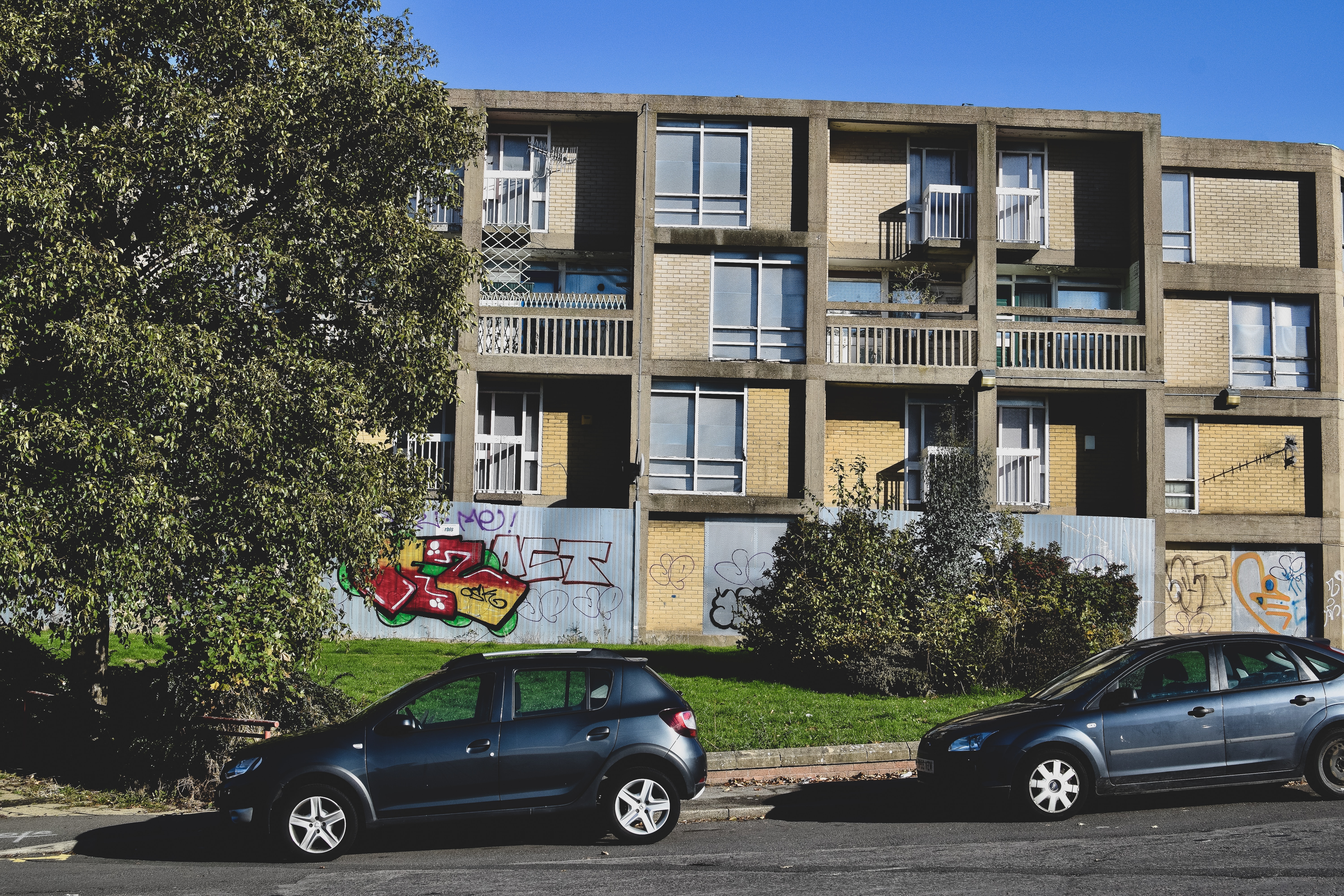
Council tenants can swap homes for various reasons, such as needing a different property size or desiring a new location. Home swaps, facilitated by the local council, must involve similar rental values and tenancies. However, if there are exceptional circumstances, single individuals may only face challenges in swapping into larger properties, such as three-bedroom homes.
Council's Right To Inspect Houses
Councils conduct inspections to ensure property maintenance and adherence to safety standards and address issues like anti-social behavior or overcrowding. Tenants are typically given notice before inspections.
Sharing Council Houses
Multiple individuals can reside in a council house if they're all named on the tenancy agreement. All occupants must understand and fulfill their responsibilities, including rent and other tenancy conditions. Any changes in household composition should be promptly communicated to the landlord.
Partner Residency In Council Houses
Partners can live in council houses if included in the tenancy agreement. Like other co-habitants, partners share responsibilities and must adhere to tenancy terms. Prompt communication with the landlord regarding any changes is essential for compliance.
Renting A 3 Bedroom Council House
Rent for a three-bedroom council house varies based on location, local council policies, and the tenant's situation. Generally, council rents are affordable for low-income individuals and often lower than private market rates.

Eligibility For A 2-Bed Council House
Single individuals may be eligible for a two-bedroom council house under specific conditions, such as having medical needs or shared child custody. However, priority is usually given to those with urgent housing needs.
Maximum Occupancy In A 3 Bedroom House
Council housing allocations consider family needs. A three-bedroom house is typically suited for families cramped in smaller accommodations. The "bedroom standard" provides guidelines for occupancy based on family composition and age.
Understanding Different Tenancy Types
- Introductory Tenancy: A one-year trial period assessing tenancy suitability, with potential for transfer after successful completion.
- Secure Tenancy: Offers more rights and stability, with greater flexibility in transfers and subletting.
- Demoted Tenancy: Imposed for breaches in tenancy agreements, resulting in reduced rights and potential contract termination.
Secure Tenancy
Secure tenancy is prevalent in the UK, offering tenants increased rights and stability. Under this tenancy, you can transfer, exchange, or sublet part of your property, subject to your local authority's policies. However, violating any tenancy conditions could lead to eviction. This tenancy type is particularly advantageous for those seeking long-term housing security.
Scottish Secure Tenancy
In Scotland, a secure tenancy is known as a Scottish Secure Tenancy and is indefinite. It offers greater protections than tenancies in England and Wales, including more freedom to transfer or exchange homes without landlord permission. Still, adherence to all tenancy conditions is essential to avoid eviction risks.

Flexible Tenancy
Flexible tenancies offer extended control and potentially longer durations than traditional secure tenancies, with a review option after an initial period (usually 3 years). They provide enhanced flexibility in transferring and exchanging properties, making them suitable for those whose housing needs may change over time.
Joint Tenancy
Joint tenancy involves multiple individuals signing a single agreement, jointly responsible for rent, bills, and upkeep. This arrangement can be cost-effective for sharing a residence with others. However, all parties are liable if one tenant breaches the agreement. In a 3-bedroom council house, joint tenancy can make such a property feasible, depending on local authority requirements and tenancy type.
Inheriting A Council Tenancy
Tenancy inheritance is possible for secure or Scottish secure tenancies. Following a thorough assessment, the council may transfer the tenancy to a partner, family member, or a nominee from the deceased tenant's Will. However, inheriting a tenancy also means inheriting responsibilities, including any outstanding rent arrears or other agreement breaches.
Housing Benefit And Extra Bedrooms
When claiming Housing Benefit, verifying how many bedrooms are considered for benefit calculations is crucial. Depending on their features, this could include non-traditional rooms like box rooms or conservatories. Accurate room count can impact the benefit amount, making it essential to consult with your local council.
Council Tax And Bedroom Count
Council tax, determined by property size and type, funds local public services. The number of bedrooms can influence council tax rates. Understanding what qualifies as a bedroom for council tax purposes is important, as definitions and criteria may vary between local authorities.

What Are The Specific Eligibility Criteria For Residing In A Council House?
- Residency and Immigration Status: Applicants must usually be legal residents in the UK. Some types of immigration status may not qualify. For example, people subject to immigration control under the Housing Act 1996 are typically not eligible.
- Age Requirements: Applicants must generally be 18 years of age or older. In some areas, 16- or 17-year-olds might be considered if they are independent or leaving care.
- Local Connection: Many councils require applicants to have a 'local connection' to the area. This might mean living, working, or having a family in the area for several years.
- Housing Need: Priority is often given to those in greatest need. This includes people who are homeless or living in unsuitable housing, those with health issues made worse by their current living conditions, and those in overcrowded or unsanitary housing.
- Financial Status: Council housing is typically aimed at those who have a low income and cannot afford to rent or buy a home on the open market. However, income and savings thresholds can vary by area.
- Behavioral Criteria: Applicants with a history of rent arrears, eviction for anti-social behavior, or property damage may find their application affected. Councils consider an applicant's past tenancy history.
- Waiting Lists: Due to high demand, many councils have long waiting lists for council housing. Your position on the list will depend on your assessed level of need.
- Special Considerations: Some councils have additional criteria for special groups, such as older adults, those with disabilities, or military veterans.
To apply for council housing, one typically needs to complete an application form provided by the local council. This process will include proof of identity, income, current living situation, and other relevant information. Providing accurate and comprehensive information is important to ensure the best chance of meeting the eligibility criteria. Given these varied criteria, individuals should contact their local council directly to get the most accurate and up-to-date information regarding eligibility for council housing in their specific area.
What Exceptions Allow A Single Person To Live In A Three-Bedroom Council House?
While it's generally uncommon for a single person to be allocated a three-bedroom council house due to high demand and limited supply, there are several exceptions where this might be allowed:
- Medical Needs: If a single person has specific medical conditions or disabilities that require additional space, such as room for medical equipment or a live-in carer, they may be allocated a larger property.
- Foster Carers: Individuals who are foster carers or are in the process of becoming one might be given a larger home to accommodate future foster children.
- Care for a Relative: A single person who needs extra space to care for a family member, such as an elderly parent or a sibling with special needs, might be eligible for a larger council house.
- Temporary Arrangements: In some cases, if there's a temporary surplus of larger homes and a shortage of smaller ones, a single person might be temporarily housed in a three-bedroom property.
- Succession Rights: If a council tenant passes away, a single person who inherits the tenancy (like a family member or a live-in partner) might be allowed to continue living in a three-bedroom house, depending on the council's policies and the circumstances of the inheritance.
- Under-Occupancy Flexibility: Some councils may have more flexible under-occupancy rules, particularly in areas with less demand for larger homes.
- Exceptional Circumstances: Councils might consider other exceptional circumstances on a case-by-case basis. This could include unique situations not covered by standard policies.
It's important to note that these exceptions are not universally applied and can vary significantly between different local councils. Anyone seeking a three-bedroom council house as a single person should consult their local housing authority for specific guidance and to understand the criteria and availability in their area. Additionally, councils often review such allocations periodically, and changes in circumstances could lead to re-evaluating housing needs.
What Is The Process For Council House Swaps, And What Conditions Must Be Met?
Council house swaps, officially known as mutual exchanges, are a process where council tenants (and housing association tenants) can swap their homes with each other. This process allows tenants to find a home that suits their needs without going through the usual waiting lists. Here's an overview of the process and conditions:
Process for Council House Swaps
- Eligibility Check: First, ensure you are eligible for a mutual exchange. Generally, you must be a secure or assured tenant. Some introductory tenants might not be eligible.
- Finding a Swap Partner: You can find someone to swap with through various means, such as local council swap lists, mutual exchange websites, or community notice boards.
- Property Inspection: Once you've found a potential swap partner, both parties should inspect each other's properties to ensure they are suitable.
- Apply for Approval: After agreeing to a swap, both tenants must apply to their respective landlords (the council or a housing association) for approval. This typically involves filling out a mutual exchange application form.
- Landlord Assessment: The landlords will assess the application, including checking for any rent arrears or legal reasons why the swap cannot occur. They might also inspect the properties for any damages or alterations.
- Approval or Refusal: Landlords usually have to decide within 42 days. If approved, they will arrange for the legalities of exchanging the tenancies. If refused, they must provide valid reasons.
Conditions for Council House Swaps
- Tenancy Type: Both parties should typically have a secure or assured tenancy. Some types of tenancies, like introductory tenancies, may not be eligible.
- Rent Account Status: Tenants should not have significant rent arrears or a history of consistently late payments.
- Property Suitability: The swap should not result in overcrowding or under-occupation. The new property should be appropriate for the size and needs of the household.
- No Legal Restrictions: There shouldn't be any legal issues, like a court order or ongoing anti-social behavior investigation, that would prevent the swap.
- Landlord Consent: Both landlords must consent to the swap. Refusal can only be on specific grounds, like rent arrears or property size suitability.
- No Unauthorized Alterations: The property should not have unauthorized alterations. If there are any, they need to be reversed before the swap.
Post-Approval
Once the swap is approved, both parties must sign new tenancy agreements with their new landlords. It's important to understand that by swapping, you take on the new property 'as is,' including any existing repairs or maintenance issues.
Council house swaps offer a flexible way for tenants to find homes that better suit their changing needs. However, it's crucial to thoroughly understand the terms of the new tenancy and any changes in rights or responsibilities that might come with the new property. Always consult your current landlord or housing officer for detailed guidance tailored to your situation.
Conclusion
In conclusion, navigating the council housing system, whether understanding eligibility for a larger home, considering a house swap, or just making the most of your current situation, can be a journey filled with various steps and considerations. Remember, each council has its own set of rules and nuances, so it's crucial to stay informed and proactive. While the process might seem daunting, being well-prepared and aware of your rights and responsibilities can make a significant difference. Remember the importance of maintaining a good tenancy record, as this can open doors to more options in the future. If you're considering a swap, take the time to thoroughly understand the terms and inspect the new property to avoid any surprises. Above all, stay positive and patient; finding the right housing solution can greatly enhance your living situation and overall well-being. With the right approach and information, you can make informed decisions that align with your housing needs and aspirations.
Useful Links To Learn More
- GOV.UK - Council Housing and Tenancies: Official government resource on council housing, eligibility, and allocation rules.
- Shelter UK - Guide to Social Housing: Comprehensive guide on social housing, including tenant rights and what to expect from council house allocations.
- Citizens Advice - Social Housing Eligibility: Explains who can apply for social housing, how properties are allocated, and the role of local councils.
- HomeSwapper UK: Platform for tenants looking to exchange council or housing association homes, including eligibility and requirements for larger properties.
- Housing Ombudsman UK: Information on resolving disputes with local councils regarding housing, including issues related to overcrowding or under-occupying a home.
Feature Image Photo By Evelyn Paris on Unsplash
Keep reading

20 Amazing Crochet Beginner Ideas
Join the fun with these 20 amazing beginner crochet projects that will inspire your creativity and lead you to endless possibilities!

20 Amazing Crochet Blue Ideas
Join us as we unveil 20 amazing blue crochet projects that will inspire your creativity and elevate your crafting game!
20 Amazing Crochet Black Ideas
Marvel at these 20 amazing black crochet projects that will ignite your creativity and inspire your next crafting adventure! Discover your new favorite today.
Need personal guidance?
Talk to an advisor
Our care experts are here to help you make the right choice — for free.