20+ Gentle Exercises For Older Adults To Try in 2025!
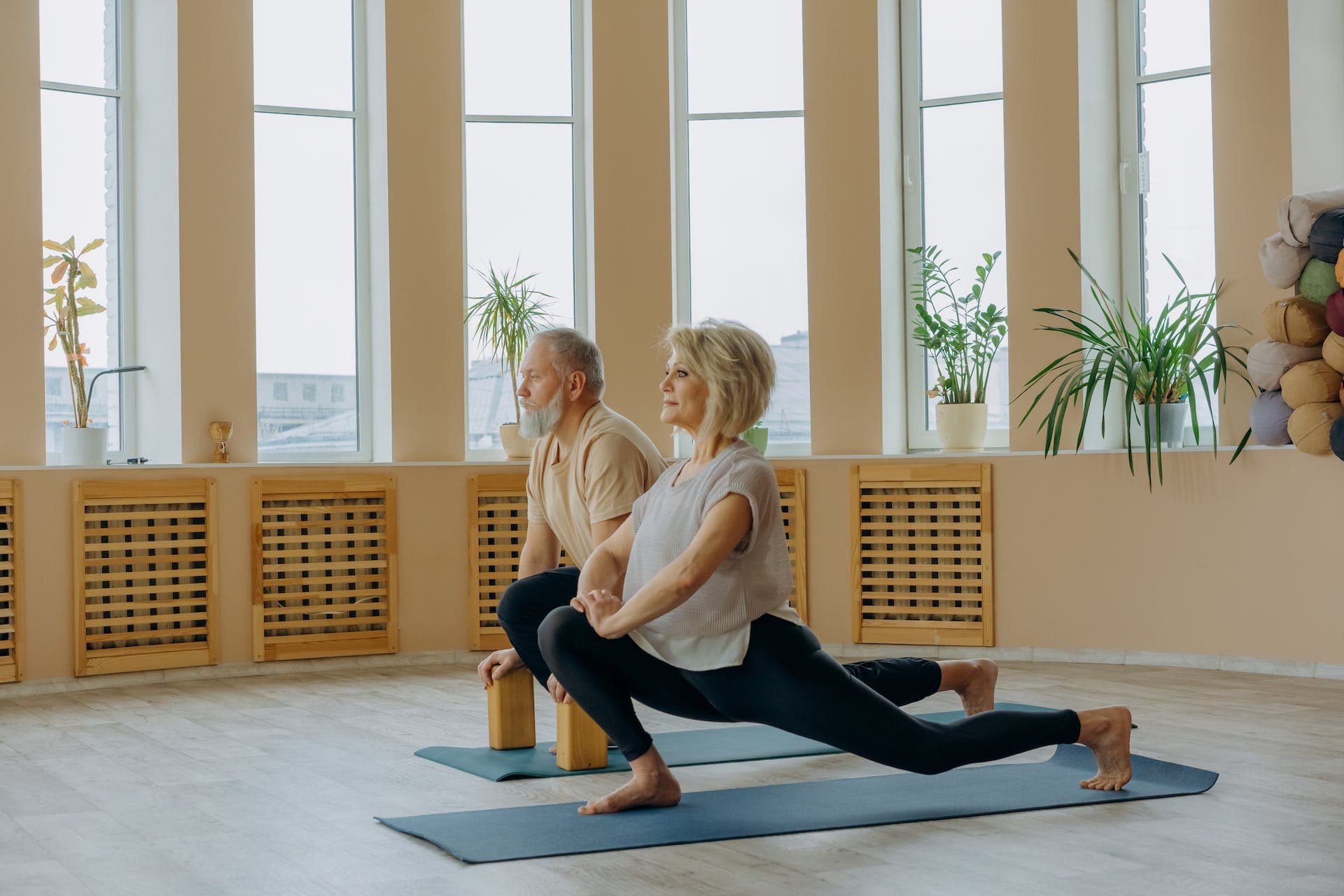
Staying active is crucial for maintaining health and vitality as we age. In this article, we’ll explore how regular exercise and proper nutrition can significantly enhance the quality of life for older adults. You’ll learn how simple, yet effective exercises can help fend off heart disease and diabetes, while also improving flexibility, strength, and endurance. Discover how these activities can help you manage blood sugar, keep your bones strong, and maintain a healthy weight—all without overexertion. We’ll also offer tips on crafting a personalized fitness plan that fits easily into your daily routine, setting you on a path to a healthier, more vibrant life. Ready to take the next step in your wellness journey? Let’s dive in…
Walking Exercises for Seniors
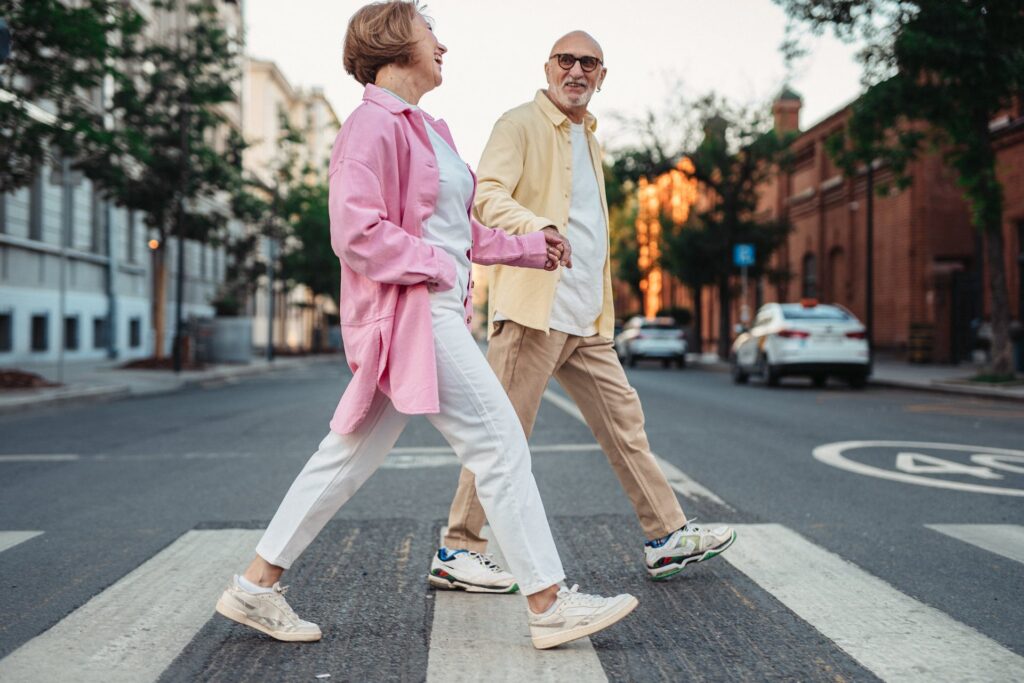
Walking is superb for seniors, offering a low-impact way to stay active. Here are two walking exercises specifically designed for older people:
Walking Backwards and Forwards
This simple exercise involves walking between rooms. It's ideal for those who are still comfortable on their feet. Please keep track of the time it takes and aim to improve gradually.
Knee Lifts
Stand upright and alternately lift your knees as high as comfortably possible, repeating 20 times. For extra support, perform this exercise using a kitchen counter or chair for stability. It's excellent for enhancing balance.
Balance-Enhancing Exercises
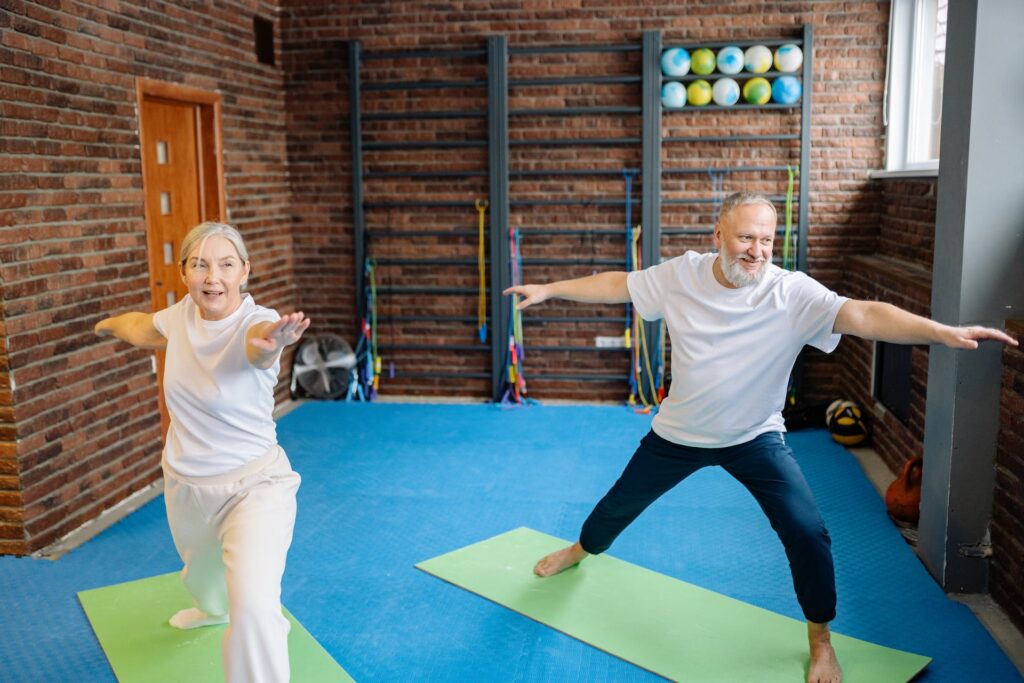
Good balance is crucial for preventing falls and maintaining independence. Here are six exercises aimed at improving balance in older adults:
Head Rotations
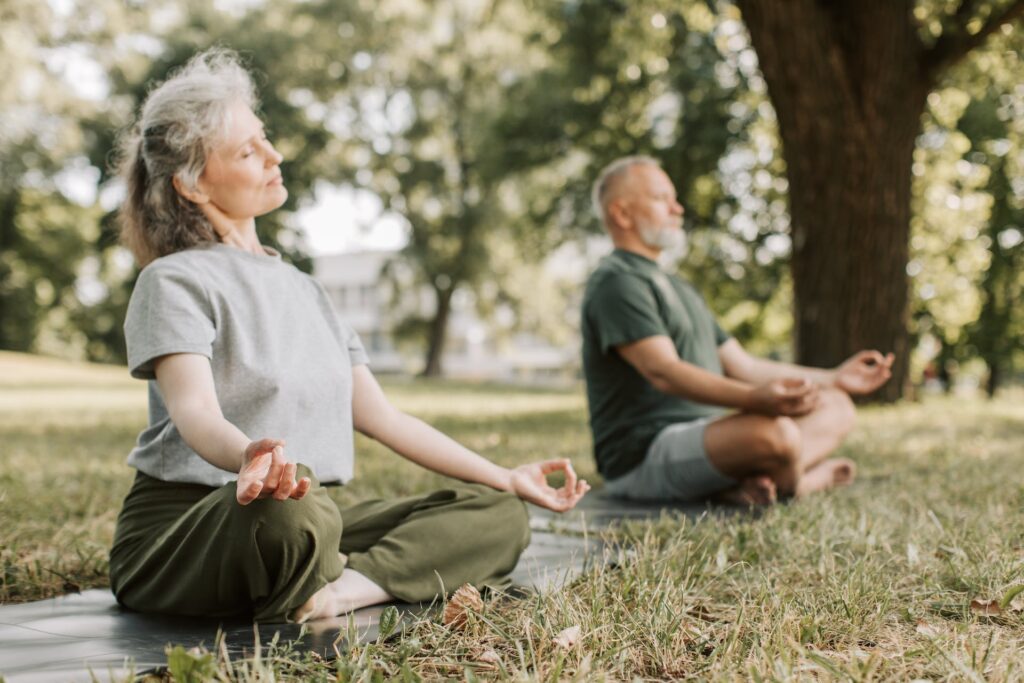
This exercise aids in adjusting to vision changes. Start seated, then progress to standing. Rotate your head gently from side to side and up and down, avoiding dizziness.
Foot Taps
Stand before a step and gently tap your foot on it, alternating between left and right. Progress to stepping onto the stairs as your balance improves.
Marching
A classic exercise for improving movement. March in place, lifting your knees as high as possible. Holding onto a chair is advisable for additional support.
Single Leg Raises
Stand and lift one foot slightly off the ground, maintaining balance. Use a chair for support initially, then progress to unassisted raises.
Rock the Boat
Enhance your balance by standing with feet hip-width apart and lifting one leg to the side or behind, holding the position. Increase the difficulty by suspending your leg in the air.
Body Circles
Stand with feet apart and lean your body in a circular motion. Be cautious not to lean too far and use a chair for support if needed.
Cardiovascular Exercises for Seniors
Cardio exercises are essential for maintaining heart health and vitality later in life. Here are three effective cardio exercises:
Gentle Walking
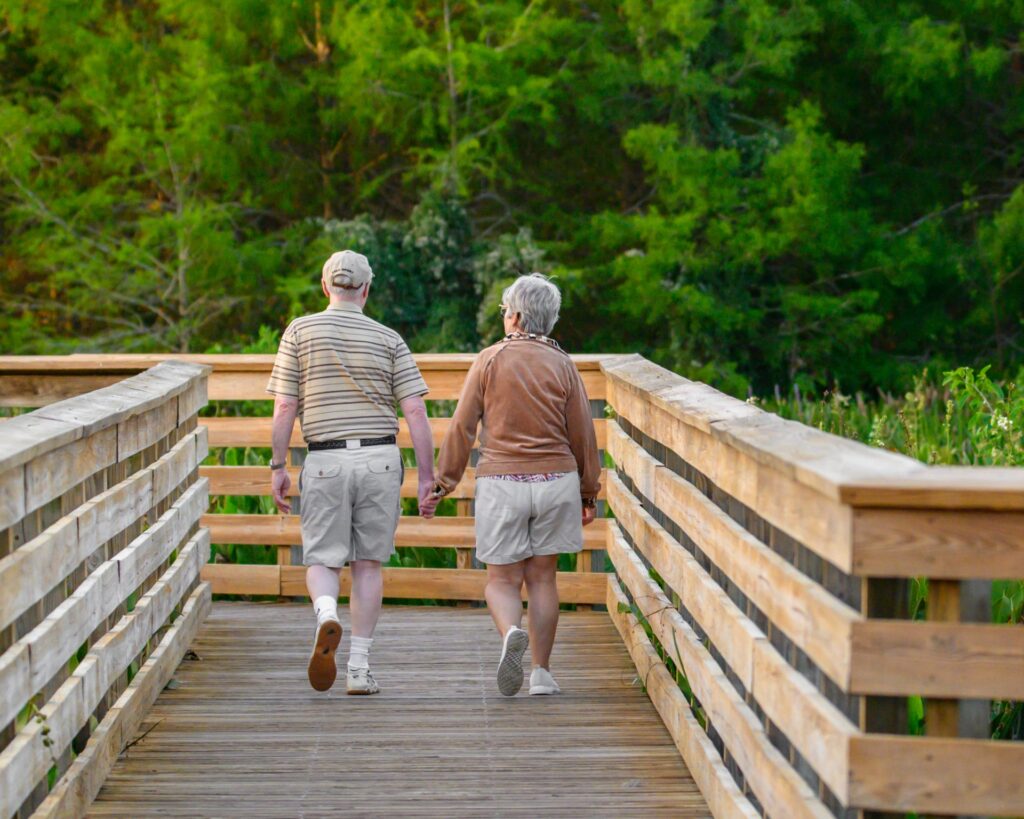
Walking is a simple yet effective form of aerobic exercise. According to the Arthritis Foundation, it offers improved circulation, stronger bones, and a better mood. Aim for 10-20 minutes of walking, either indoors or in nearby areas.
Static Bike
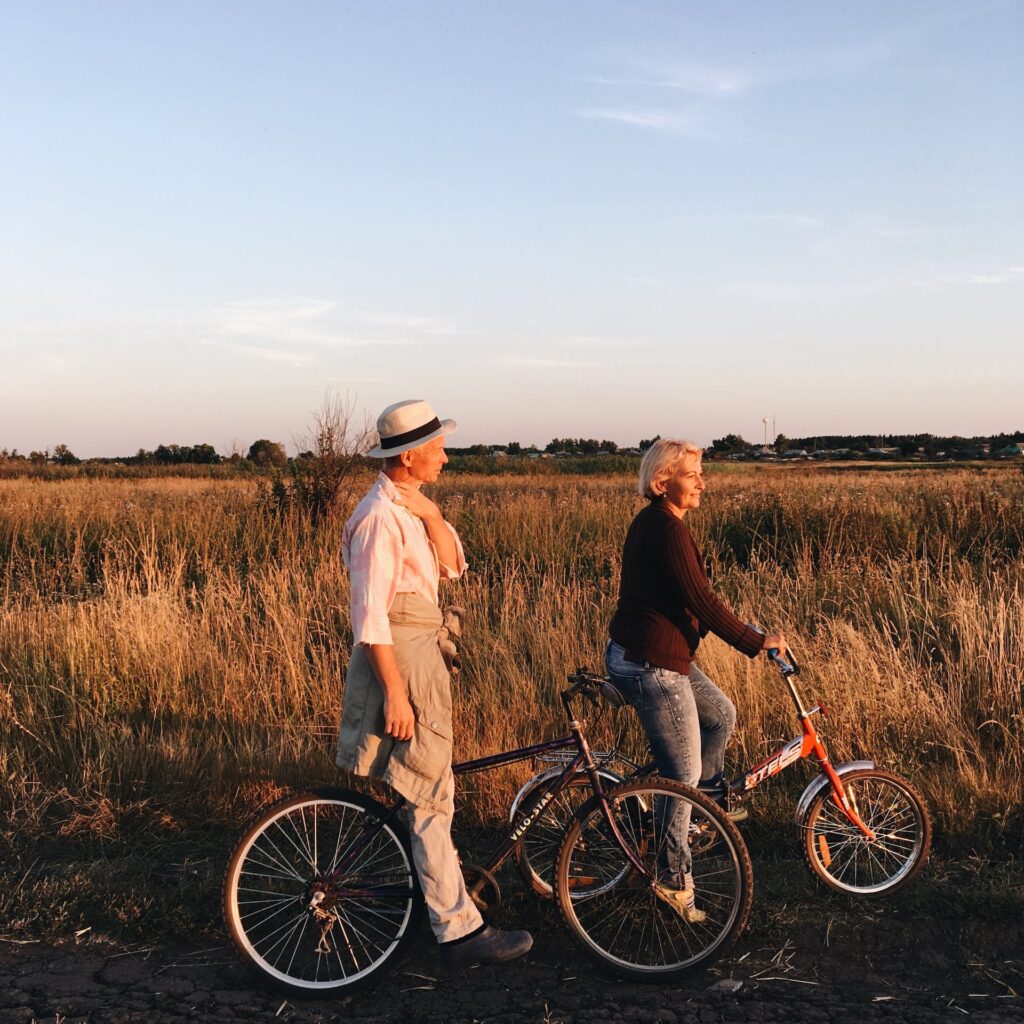
Cycling is ideal for those with joint stiffness or pain. Harvard Health Publishing notes its lower impact on legs than walking or running. Using a static bike indoors allows you to simulate various terrains and build leg strength.
Rowing
Rowing machines offer a comprehensive workout, targeting multiple muscle groups while seated. It's safe for older people and adjustable in intensity. Benefits include improved core strength, posture, and increased oxygen utilization.
Gentle Leg Exercises for Enhanced Mobility
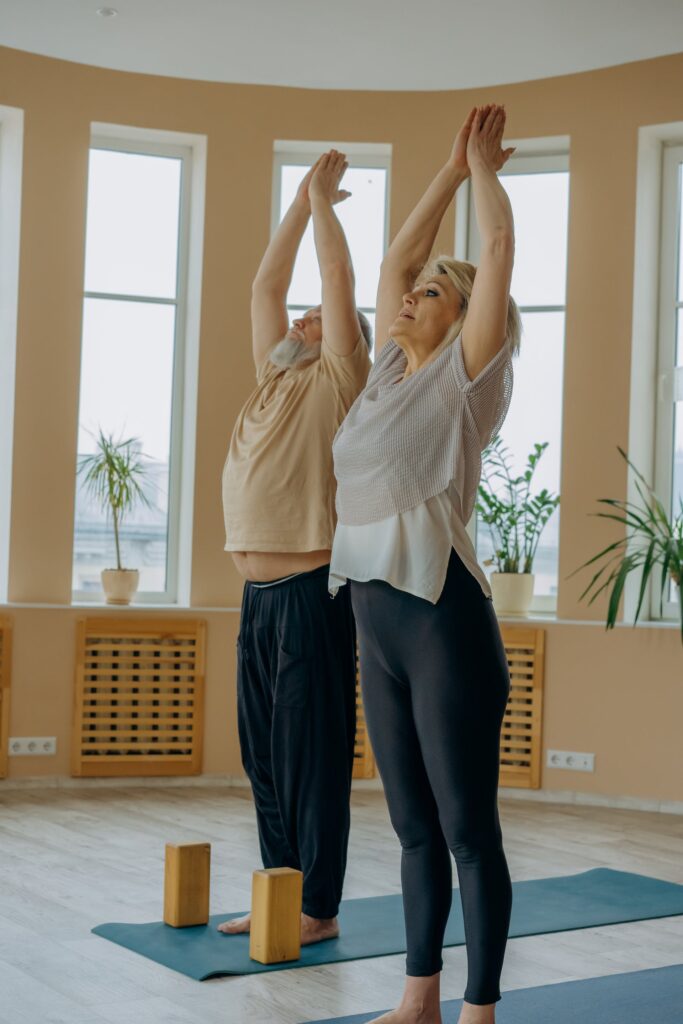
Regular leg exercises can significantly reduce the risk of falls and improve mobility. Here are some effective leg exercises:
Half Squats
It is ideal for those who find full squats challenging. Use a chair for support and bend your knees as comfortably as possible, then return to standing. This strengthens knees, legs, and hips.
Knee Extensions
Great for balance and standing comfort. While seated, extend each knee in turn, holding the position for a few seconds. Repeat 10-15 times for each leg.
Ankle Circles
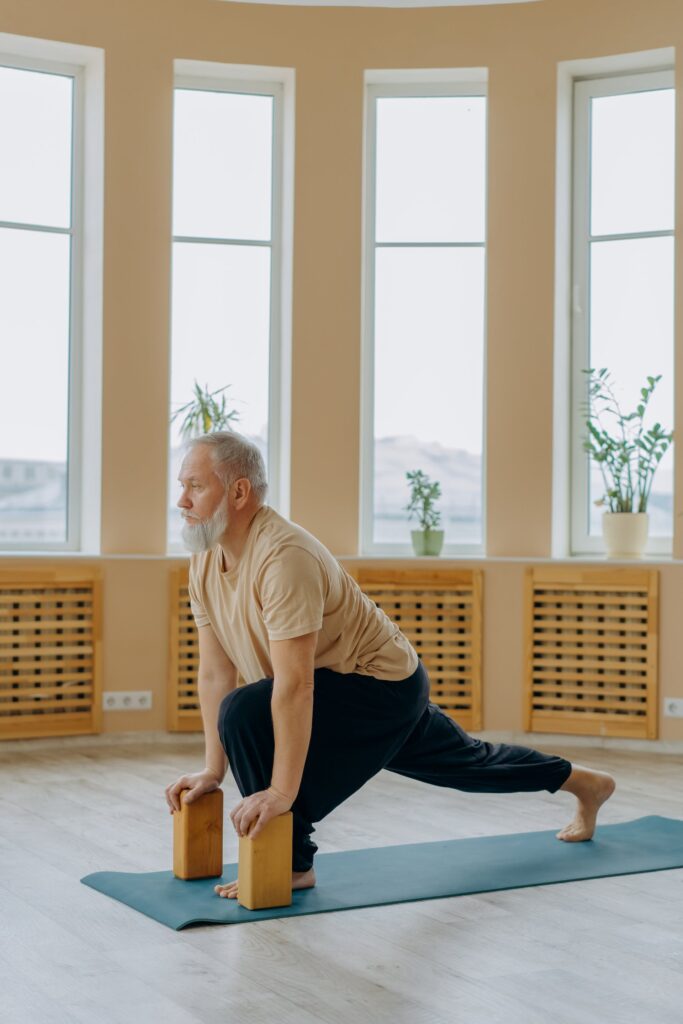
This exercise improves Flexibility and serves as a warm-up. Perform ankle rotations in both directions, either seated or standing.
Walking Heel to Toe
Improves balance for confident walking. Step forward by placing the heel of one foot just in front of the toes of the other, repeating for 20-25 steps.
Side Leg Raises
Stand behind a chair and lift each leg to the side, keeping your back straight. Repeat 10-15 times with each leg to enhance balance.
Back Strengthening Exercises for Seniors
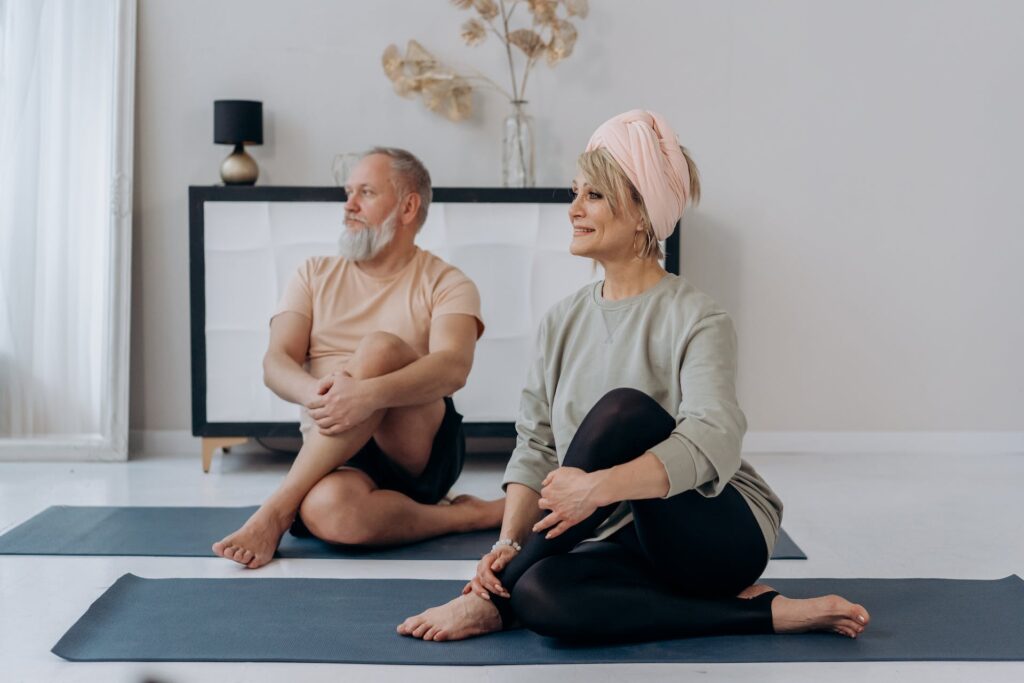
Back exercises are essential for reducing pain and enhancing stability. Here are four recommended exercises:
Glute Bridge
This exercise strengthens the spine, core, and legs. Lie on a comfortable surface, knees bent and feet flat. Lift your hips slightly, then lower them back down. Repeat 10-12 times.
Shoulder Shrugs
Strong shoulders are key for good posture and back pain prevention. Either seated or standing, lift your shoulders upwards, then relax them. Repeat several times, adding light dumbbells for a challenge.
Standing Lumbar Extension
This gentle exercise targets the entire back. Stand with feet forward hands on hips for support. Gently bend your spine backward, hold for three seconds, then return to the starting position. Repeat 8-12 times.
Reverse Leg Lifts
It is ideal for strengthening the lower back and glutes. Stand upright, holding onto a chair for balance. Lift one leg behind you, hold for five seconds, then switch legs. Aim for 3-5 sets of five lifts per leg, with short breaks between sets.
Upper Body Exercises for the Elderly
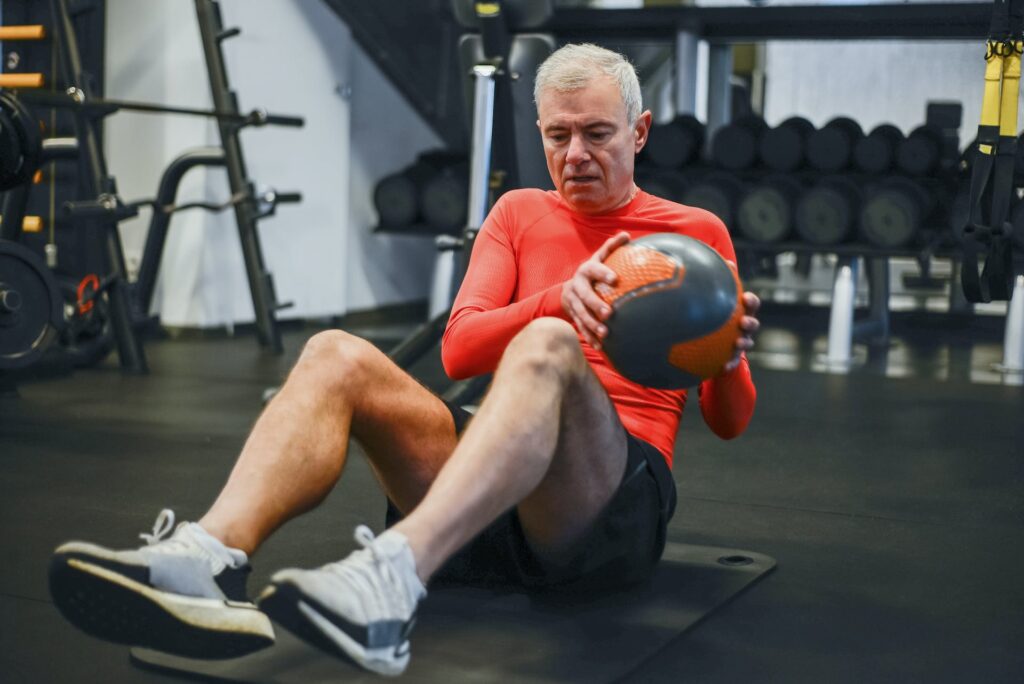
Upper body strength is crucial for seniors, aiding in everyday tasks and promoting overall well-being. Here are four upper body exercises tailored for older adults:
Head Turns
This exercise improves neck mobility, which is essential for activities like driving. Turn your head from side to side, holding each position briefly. Progress to circular neck movements if comfortable. Keep your back straight and shoulders relaxed.
Close Grip Floor Press
This exercise targets the chest and shoulders. Lie on the floor with knees bent, holding a light dumbbell in each hand. Press the dumbbells towards the ceiling, then lower them back down. Repeat as many times as comfortable.
Overhead Press
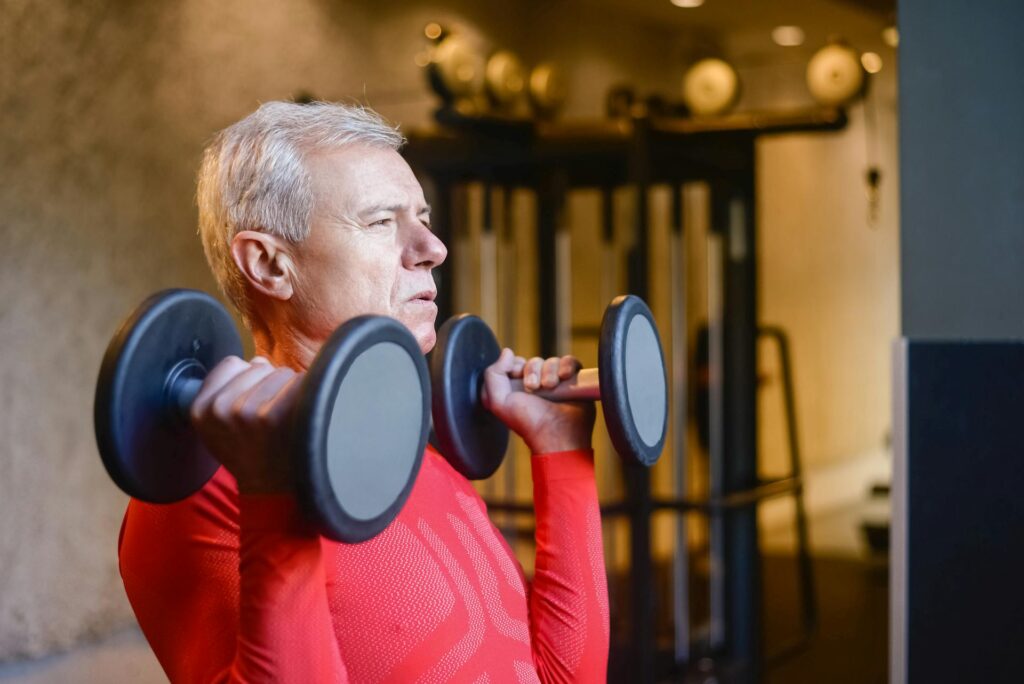
Strengthen your shoulders with this exercise, which can be seated or standing. Hold a light dumbbell in each hand at shoulder level, press them overhead, then lower back down. This also engages core muscles, which is beneficial for lower back health.
Reverse Grip Bent-over Row
Focuses on biceps and shoulder strength. Holding a dumbbell in each hand, bend your knees slightly and lean forward, arms extended. Pull the dumbbells towards your waist, then return to the starting position.
Chair Exercises for Older Adults
Chair exercises offer a fantastic way for seniors to stay active and healthy without standing. These can be easily integrated into daily routines.
Chair Yoga
- Benefits: Chair yoga is a low-impact exercise that enhances muscle strength, mobility, balance, and Flexibility. It's particularly suitable for older adults as it exerts less strain on muscles, joints, and bones.
- Mental Health Advantages: Regular practice of chair yoga is linked with improved sleep quality, reduced likelihood of feeling depressed, and an overall sense of well-being.
Stretching Exercises
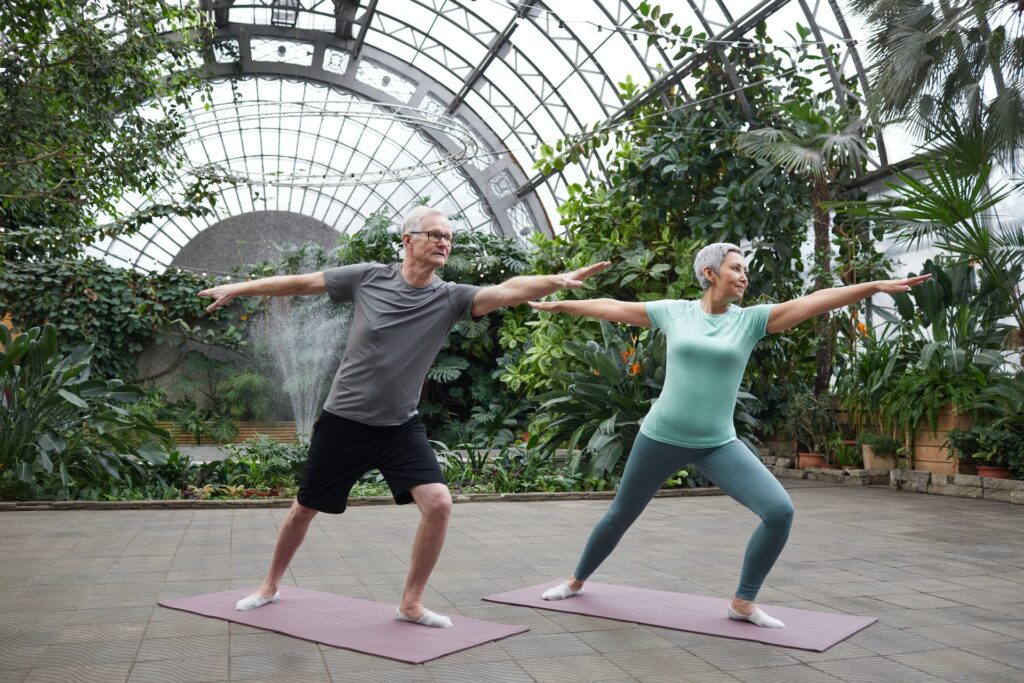
Proper stretching is vital for loosening muscles and tendons, reducing the risk of injuries, and improving blood flow and range of motion.
Stretches While Seated
- Toe Flex and Point: Alternately flex and point your toes while sitting or lying down, repeating with both feet.
- Seated Leg Lifts: Lift one leg off the seat, keeping the knee bent, then lower it. Repeat with the other leg.
- Knee Bends: With your feet on the floor, gently bend your knee as comfortably as possible, then straighten. Do this for both legs.
- Thigh Muscle Tightening and Leg Straightening: Pull your toes up, tighten your thigh muscles, and straighten your knee. Hold for about five seconds, then relax. Repeat with both legs.
Creating an Exercise Plan for Older Adults
An exercise plan can bring structure and focus to your routine, helping you maintain regular activity even on less motivated days. Here's a five-step guide:
Assess Your Fitness Level
- Start by evaluating your current fitness. Use the exercises mentioned in this article to record how many repetitions you can comfortably do. This helps establish a baseline to measure progress.
Design Your Fitness Program
- Create a balanced routine by determining the duration of daily and weekly exercises. Mix the recommended exercises, considering time and repetitions. Keep an eye out for new activities to add variety and enjoyment.
Get Necessary Equipment
- While many routines for seniors don't require extensive equipment, some items like small dumbbells, an exercise mat, and a sturdy chair might be useful.
Start Exercising
- Begin your fitness program slowly and build up gradually. Pay attention to your body's signals. If you experience breathlessness or unsteadiness, allow yourself to rest.
Track Your Progress
- Monitor your progress by recording the number of exercises you can do and aiming to improve gradually. If walking is part of your routine, time your walks and try to improve your pace.
What Other Benefits Can Regular Exercise Offer Older Adults?
Regular exercise offers many benefits for older adults, extending far beyond the obvious physical health improvements. As an expert in retirement living and later life care, I can affirm that the advantages are holistic, impacting various aspects of health and well-being. Here are some key benefits:
- Improved Mental Health: Exercise can significantly reduce symptoms of depression and anxiety. It stimulates the release of endorphins, often called 'feel-good' hormones, which can enhance mood and overall well-being.
- Enhanced Cognitive Function: Regular physical activity is linked to better brain health. It can improve memory, attention, and processing speed and may even reduce the risk of cognitive decline and diseases like Alzheimer's.
- Increased Social Interaction: Group exercises or fitness classes provide opportunities for social engagement, which is crucial for mental health, especially in combating loneliness and isolation.
- Better Sleep Quality: Regular physical activity can help regulate sleep patterns, leading to deeper, more restful sleep.
- Improved Mobility and Balance: Exercise strengthens muscles and improves Flexibility, which can enhance balance and coordination, reducing the risk of falls—a common concern in older adults.
- Chronic Disease Management: Regular exercise can help manage or prevent chronic diseases like heart disease, diabetes, and osteoporosis. It can also aid in the management of arthritis and chronic pain.
- Weight Maintenance: Exercise helps maintain a healthy weight, crucial in reducing the strain on joints and lowering the risk of several chronic conditions.
- Enhanced Digestive Function: Physical activity can improve gastrointestinal function, which can concern many seniors.
- Increased Longevity: Studies have shown that regular physical activity can add years to life expectancy.
- Improved Immune Function: Moderate exercise can boost the immune system, helping the body fight infections and illnesses.
The key for older adults is to find activities they enjoy and can maintain consistently. Whether it's walking, swimming, yoga, or strength training, the best exercise is the one that is enjoyable and sustainable in the long run. Always consult with healthcare professionals before starting any new exercise regimen, especially if pre-existing health conditions exist.
Are There Any Other Gentle yet Effective Exercises for Older Individuals?
There are many gentle yet effective exercises that older individuals can enjoy, which improve physical health and are also enjoyable and sustainable. Here's a list of some additional exercises that are particularly well-suited for seniors:
- Tai Chi: Often described as "meditation in motion," Tai Chi is a gentle exercise involving slow, graceful movements combined with deep breathing. It's excellent for improving balance, Flexibility, and stress reduction.
- Aqua Aerobics: Exercising in water is fantastic for seniors. It reduces the impact on joints while providing resistance for strengthening muscles. Aqua aerobics can improve cardiovascular health, Flexibility, and muscle tone.
- Pilates: Modified Pilates can help seniors strengthen their core muscles, improve posture, and increase Flexibility. It's also beneficial for overall body awareness and balance.
- Stretching and Flexibility Exercises: Regular stretching can improve flexibility, reduce stiffness, and decrease the risk of injuries. Yoga is a great option for this, with many styles and poses adaptable for older adults.
- Dance: Dancing is a fun and social way to get moving. It can range from more structured forms like ballroom to freestyle movement to music. Dance improves balance, endurance, and muscle strength and improves cognitive health.
- Gardening: While not traditional, gardening is a wonderful physical activity that engages various muscle groups. It's also therapeutic and offers the satisfaction of nurturing plants and seeing them grow.
- Gentle Cycling: A leisurely bike ride outdoors on a stable bicycle or indoors on a stationary bike can be great for cardiovascular health without putting too much strain on joints.
- Resistance Band Exercises: Resistance bands are excellent for strength training. They are easy on the joints and can strengthen almost every muscle group.
- Walking: Simple yet effective, walking can be done anywhere and adjusted in intensity. It's excellent for cardiovascular health, muscle tone, and maintaining a healthy weight.
- Seated Exercises: For those with limited mobility, seated exercises can be a great way to stay active. These include arm and leg lifts, stretching, and even seated dance movements.
Remember, the best exercise is enjoyable and can be done regularly. Older adults must choose activities that suit their fitness level and health conditions. Consulting with healthcare professionals before starting any new exercise regimen is highly advisable.
What Other Types of Exercises Can Improve Cardiovascular Health for Seniors?
Improving cardiovascular health is crucial for seniors, directly impacting overall well-being and quality of life. Apart from walking and gentle cycling, several other types of exercise can effectively boost cardiovascular health in older adults. Here are some recommendations:
- Swimming: Swimming is an excellent low-impact exercise that raises your heart rate while minimizing strain on your joints. It's also great for building endurance and muscle strength.
- Brisk Walking: A step up from gentle walking, brisk walking increases the heart rate more significantly while still being gentle on the joints.
- Dancing: Whether it's ballroom, line dancing, or even gentle salsa, dancing is not only fun but also a great cardiovascular workout. It increases heart rate and improves stamina.
- Low-Impact Aerobics: These are exercises specifically designed to get your heart pumping without hard impact on your joints. Many community centers and gyms offer low-impact aerobic classes tailored to seniors.
- Elliptical Training: An elliptical machine provides a good cardiovascular workout while being gentler on the knees, hips, and back than a treadmill.
- Rowing: Indoor rowing machines provide a full-body workout, engaging the legs, arms, and core, improving heart health and building endurance.
- Stair Climbing: Climbing stairs is an excellent way to strengthen the heart and lungs. It can be done at home or on a stair-climbing machine at a gym.
- Nordic Walking: Using walking poles engages the upper body, thus providing a more intense workout than normal walking, which benefits the heart.
- Yoga: Certain types, such as Vinyasa or Flow Yoga, can be more dynamic and help elevate the heart rate, improving circulation and respiratory function.
- Gentle Jumping Jacks: Modified, low-impact jumping jacks are a good way to increase the heart rate. They can be adapted to reduce joint strain while still providing cardiovascular benefits.
It's essential for seniors to choose exercises that match their fitness level and to consult with healthcare professionals before beginning any new exercise program, especially if they have pre-existing health conditions. Additionally, integrating variety into exercise routines can make them more enjoyable and sustainable in the long term.
Conclusion
In conclusion, as we embrace the golden years, it's heartening to know that staying active and maintaining our health is achievable and enjoyable. The exercises we've discussed are tailored for older adults, focusing on safety and effectiveness, and they offer a wonderful way to enhance physical strength, Flexibility, and mental well-being. Remember, the key is to listen to your body and consult healthcare professionals before starting new routines, especially if you have existing health conditions. Staying active in later life can significantly improve your quality of life, helping you remain independent and spirited. So, whether it's chair yoga, gentle stretches, or light cardio, there are many options to keep you moving and healthy. Take it one step at a time, celebrate your progress, and most importantly, enjoy the journey to a fitter, happier you.
Useful Links To Learn More
- NHS – Exercises for Older People – A guide from the NHS on simple exercises to improve strength, balance, and flexibility for older adults.
- Age UK – Staying Active – Age UK offers advice on keeping active in later life, including recommended exercises and tips for staying motivated.
- British Heart Foundation – Physical Activity for Older Adults – Information on how older adults can safely incorporate physical activity into their daily routine.
- Versus Arthritis – Exercises to Manage Pain – This resource provides exercises specifically designed to help manage pain and improve mobility in older adults with arthritis.
- Sport England – Stay Active at Home – Sport England provides resources and tips for staying active at home, tailored for all ages including older adults.
Feature image by Mikhail Nilov via Pexels
Keep reading
20 Amazing Crochet Beginner Ideas
Join the fun with these 20 amazing beginner crochet projects that will inspire your creativity and lead you to endless possibilities!
20 Amazing Crochet Blue Ideas
Join us as we unveil 20 amazing blue crochet projects that will inspire your creativity and elevate your crafting game!
20 Amazing Crochet Black Ideas
Marvel at these 20 amazing black crochet projects that will ignite your creativity and inspire your next crafting adventure! Discover your new favorite today.
Need personal guidance?
Talk to an advisor
Our care experts are here to help you make the right choice — for free.