An Expert Guide To Learning Disabilities In 2025

Understanding learning disabilities doesn't have to feel overwhelming. In this article, we break down the essential facts about these conditions and why they matter in everyday life. You'll learn about various types of learning disabilities, such as dyslexia and ADHD, and how they can affect someone’s daily experiences. We’ll explore the signs to look for, possible causes, and—most importantly—practical ways to offer support and create a more inclusive environment for those living with these challenges. Whether you're a parent, educator, or simply looking to deepen your knowledge, this guide provides clear, actionable insights to help you make a positive difference. Let’s get started…
Learning Difficulties: An Overview
Learning difficulties refer to specific challenges in learning aspects, not implying an overall intellectual disability. Key examples include:
- Dyslexia: Characterized by difficulties in reading and writing due to challenges in linking spoken sounds with written symbols. This impacts the decoding process during reading and writing.
- Dyscalculia: This affects mathematical abilities, manifesting in problems with number sense, counting, and understanding mathematical concepts.
- Dysgraphia: Individuals struggle with writing, often resulting in disorganized or illegible handwriting and difficulty structuring written content.
- Attention Deficit Hyperactivity Disorder (ADHD): Marked by a short attention span and concentration difficulties, ADHD can significantly impact learning and daily functioning.

Learning Disabilities: Causes And Types
Learning disabilities arise from issues at different life stages and are often more pervasive than learning difficulties. They can be prenatal, perinatal, or postnatal in origin.
- Prenatal Causes: These include genetic conditions such as Down's Syndrome, Williams Syndrome, Rett Syndrome, and Prader-Willi Syndrome. Each presents unique physical and cognitive characteristics.
- Perinatal Causes: Conditions like Cerebral Palsy and Tourette's Syndrome arise around the time of birth, affecting various aspects of development and often coexisting with learning disabilities.
- Postnatal Causes: Brain injuries or illnesses like Encephalitis and Meningitis can lead to learning disabilities, affecting cognitive functions such as memory and concentration.

Understanding The Spectrum
While some conditions, like Autism Spectrum Disorder and Asperger's Syndrome, are not learning disabilities per se, they often co-occur with learning difficulties. The spectrum of these disorders varies widely, influencing social interaction, behavior, and learning abilities.
Implications For Later Life Care
Recognizing these conditions and their lifelong implications is vital in providing appropriate care and support in retirement settings. Whether it's adapting communication methods or tailoring activities, understanding these differences enhances the quality of care and life for individuals with learning disabilities or difficulties.
This knowledge informs better care practices and fosters a more inclusive and understanding community within retirement living. As we continue to learn and adapt, we can better support those with diverse learning needs throughout their life journey.
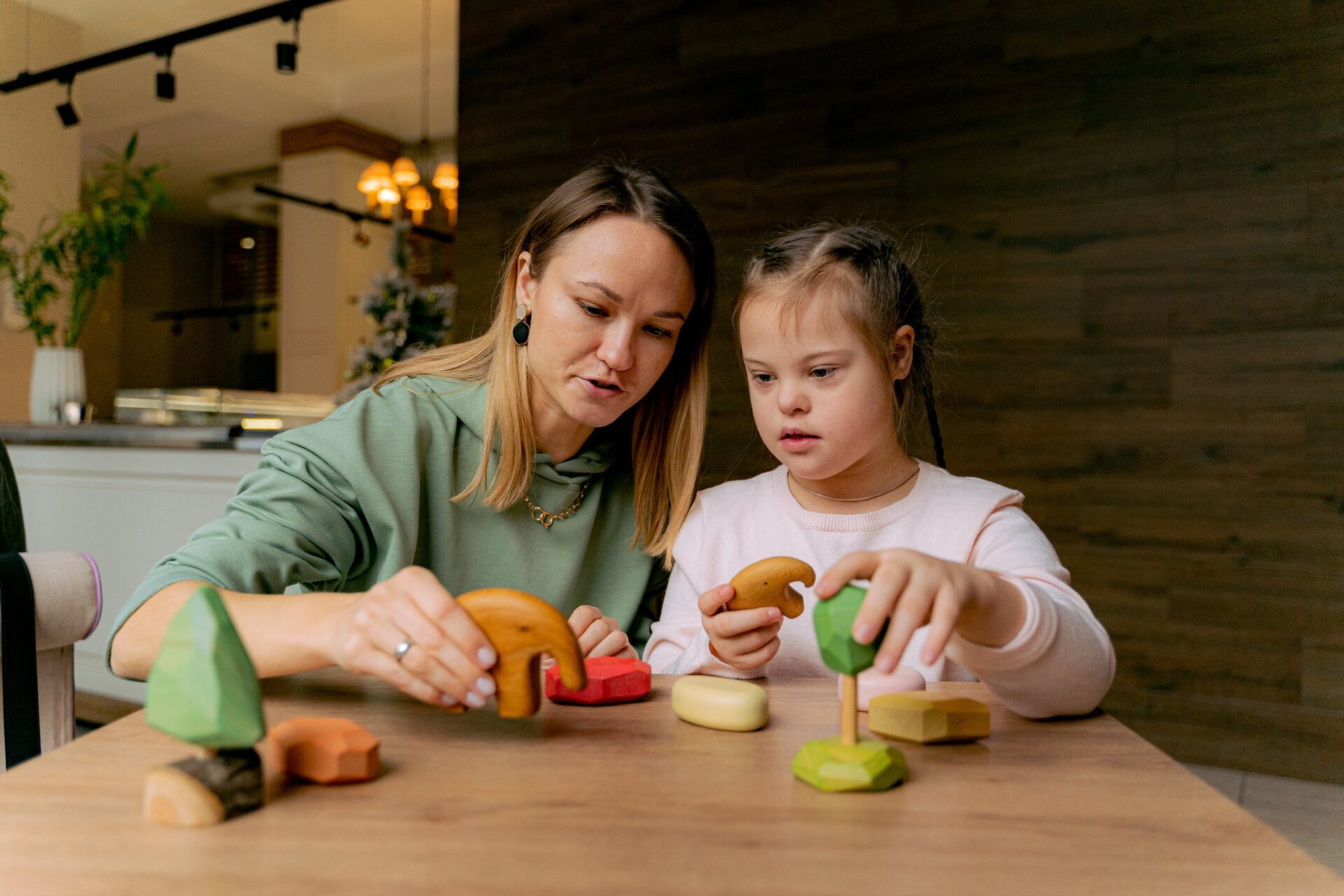
What Are Some Examples Of Learning Difficulties And Disabilities?
Certainly, understanding the examples of learning difficulties and disabilities can help identify, support, and accommodate individuals with them. Here's a breakdown of both:
Learning Difficulties
Learning difficulties, also known as specific learning disorders, are neurodevelopmental disorders that affect specific areas of learning. They do not impact general intelligence but can pose significant challenges in specific academic areas or tasks. Examples include:
- Dyslexia: A difficulty primarily affecting reading skills. Individuals with dyslexia may struggle with word recognition, decoding, and spelling, often finding it hard to connect letters to sounds and blending sounds into words.
- Dyscalculia: Affects mathematical abilities. People with dyscalculia may have trouble understanding basic number concepts, handling calculations, and memorizing arithmetic facts like multiplication tables.
- Dysgraphia: This is a writing disorder. It can manifest as difficulties with handwriting, spelling, organizing ideas, and structuring sentences. People with dysgraphia may struggle with the fine motor skills needed for writing.
- Attention Deficit Hyperactivity Disorder (ADHD): While primarily a behavioral disorder, ADHD can impact learning. It can lead to difficulty focusing, following instructions, and completing tasks, hindering academic performance.
Learning Disabilities
Learning disabilities are more global, often affecting more than one area of learning and functioning. They are usually identified early in life and continue throughout adulthood. Some examples include:
- Down Syndrome: A genetic disorder caused by an extra chromosome 21. It can lead to intellectual disability, physical growth delays, and characteristic facial features.
- Autism Spectrum Disorder (ASD): A developmental disorder that impacts social interaction, communication, interests, and behavior. While not all individuals with autism have an intellectual disability, many face learning challenges.
- Cerebral Palsy: Primarily affects physical movement and muscle coordination, but it can also lead to learning disabilities due to its impact on brain development.
- Williams Syndrome: A rare genetic disorder characterized by medical problems, including cardiovascular disease, developmental delays, and learning challenges, often with a unique strength in verbal skills.
- Rett Syndrome: A rare genetic neurological disorder that affects brain development, leading to severe cognitive and physical disability. It is most commonly found in girls.
- Prader-Willi Syndrome: A genetic disorder resulting from the loss of function of specific genes. It causes low muscle tone, short stature, incomplete sexual development, cognitive disabilities, and a chronic feeling of hunger.
- Tourette Syndrome: Not a learning disability per se, but many people with Tourette's also experience associated learning difficulties or other comorbid conditions like ADHD or OCD.
Understanding these examples helps provide the right support and accommodations, particularly in educational and care settings, to ensure individuals with learning difficulties and disabilities can achieve their full potential.
What Are The Causes Of Learning Disabilities?
Learning disabilities are complex conditions with various causes. These disabilities typically arise from differences in brain structure and function that affect one's ability to receive, process, store, or respond to information. While the exact cause of many learning disabilities is not fully understood, several factors are recognized as contributing to their development:
- Genetic and Hereditary Factors: Many learning disabilities have a genetic component. They can run in families, suggesting a hereditary aspect. Conditions like Down Syndrome, Dyslexia, and Autism Spectrum Disorders often have a familial pattern, indicating a genetic influence.
- Brain Development Issues: Abnormalities in brain development during pregnancy (prenatal) or early childhood (postnatal) can contribute to learning disabilities. Factors that might affect brain development include premature birth, low birth weight, or exposure to alcohol and drugs in utero.
- Environmental Factors: Exposure to environmental toxins, such as lead, both in the womb and after birth, can impact brain development and function, potentially leading to learning disabilities.
- Infections During Pregnancy: Certain infections in the mother during pregnancy, such as rubella, can impact the development of the baby's brain, leading to learning disabilities.
- Birth Complications: Complications during birth that may lead to learning disabilities include premature birth, low birth weight, or oxygen deprivation (asphyxia).
- Early Childhood Illnesses: Serious illnesses in early childhood, such as meningitis or chronic ear infections, can affect brain development and function, potentially resulting in learning disabilities.
- Nutritional Factors: Poor nutrition during pregnancy and early childhood can negatively affect brain development. Nutrient deficiencies, such as a lack of iodine or omega-3 fatty acids, can play a role.
- Psychosocial Factors: Extreme lack of stimulation or exposure to traumatic events in early childhood can affect brain development and lead to difficulties in learning.
It's important to note that a learning disability is not the result of poor teaching or upbringing, nor is it due to visual or hearing impairments. However, these can coexist with or exacerbate learning disabilities. Understanding these causes is crucial for early intervention and support, which can significantly help in managing the impacts of learning disabilities.
8 Reasons To Better Understand The Level Of Learning Difficulty
Understanding learning disabilities and difficulties is crucial in enhancing the quality of care and life for individuals affected by these conditions. This understanding can lead to better support and inclusion in various aspects of life, including education, healthcare, employment, and social interactions.
- Tailored Educational Strategies: Knowledge of specific learning disabilities allows educators to develop customized teaching methods. This might include using multisensory learning techniques for dyslexic students or breaking down tasks into smaller steps for those with ADHD. Such tailored approaches can significantly improve learning outcomes and self-esteem.
- Early Intervention and Support: Recognizing the signs of learning difficulties early on enables timely intervention, which is crucial for effective management. Early support can include speech therapy, occupational therapy, or specialized tutoring, which can mitigate the impact of the disability on the individual's learning and development.
- Improved Healthcare Approaches: Health professionals who understand learning disabilities can better communicate with and treat individuals with these conditions. This might involve using simpler language and visual aids or allowing extra time during consultations to ensure comprehensive care.
- Enhanced Social Inclusion: Awareness and understanding of learning disabilities promote empathy and inclusion in the community. It helps reduce stigma and misconceptions, encourage social interactions, and foster a supportive environment.
- Workplace Accommodations: Employers informed about learning disabilities can make necessary accommodations, like flexible work hours for individuals with ADHD or providing assistive technology for those with dyslexia. This not only aids in the productivity of the individual but also capitalizes on their unique strengths.
- Building Independence and Self-Advocacy: With proper support and understanding, individuals with learning disabilities can develop greater independence and self-advocacy skills. This includes navigating challenges, understanding their rights, and effectively communicating their needs.
- Improved Mental Health and Wellbeing: Understanding and supporting individuals with learning disabilities can significantly reduce associated stress, anxiety, and depression, leading to better overall mental health and quality of life.
- Family and Caregiver Support: Providing families and caregivers with knowledge and resources about learning disabilities enables them to offer more effective and empathetic support, creating a nurturing home environment.
Conclusion
In wrapping up our exploration of learning disabilities and difficulties, it's clear that awareness and understanding are the cornerstones of providing effective support. Remember, each individual's experience with a learning disability is unique, calling for personalized approaches in education, healthcare, and everyday interactions. While there are challenges, with informed and empathetic support, individuals with learning disabilities can thrive. The risks of not addressing these needs include missed opportunities for development and unnecessary hurdles in daily life. So, let's stay proactive in our learning and support. Encourage inclusive practices in schools, workplaces, and communities. Advocate for resources and support systems. And most importantly, let's continue to listen to and learn from those with learning disabilities. By doing so, we enrich their lives and enhance our understanding and empathy, creating a more inclusive and vibrant society for all.
Useful Links To Learn More
- Mencap - Learning Disabilities Explained - A comprehensive resource on understanding learning disabilities and support available in the UK.
- NHS - Learning Disabilities Overview - Information about learning disabilities, symptoms, and available NHS support.
- Scope - Learning Disabilities - Practical advice and resources for individuals with learning disabilities and their families.
- The National Autistic Society - Specialist advice and support for people with autism, a common form of learning disability, and their families.
- Care Quality Commission (CQC) - Learning Disability Services - CQC's guidance and reports on care services for people with learning disabilities in the UK.
Feature Image Photo By Cliff Booth on Pexels
Keep reading

20 Amazing Crochet Beginner Ideas
Join the fun with these 20 amazing beginner crochet projects that will inspire your creativity and lead you to endless possibilities!

20 Amazing Crochet Blue Ideas
Join us as we unveil 20 amazing blue crochet projects that will inspire your creativity and elevate your crafting game!

20 Amazing Crochet Black Ideas
Marvel at these 20 amazing black crochet projects that will ignite your creativity and inspire your next crafting adventure! Discover your new favorite today.
Need personal guidance?
Talk to an advisor
Our care experts are here to help you make the right choice — for free.