An Expert Guide To A Person-Centered Approach to Dementia Care In 2025!

Caring for someone with dementia can be challenging, but adopting a person-centred approach can create a world of difference. By focusing on the individual’s unique needs, preferences, and life story, this method helps foster a deeper sense of dignity and connection. In this article, you'll discover how person-centred care can reduce challenging behaviors, promote emotional wellbeing, and enhance the quality of life for those living with dementia. You’ll also find practical tips to apply this approach in daily caregiving, making the journey smoother and more fulfilling for both the caregiver and the individual. Let's explore how thoughtful, tailored care can transform the dementia care experience.

Essence Of Person-Centred Care
Person-centered care, especially dementia care, is a customized approach that respects and acknowledges the person's individuality. It's not just about the care they receive now, but it also honors their past, building on their abilities and embracing who they were throughout their life. This approach ensures their personal choices and preferences are at the forefront of the care plan.
Significance Of Person-Centred Care In Dementia
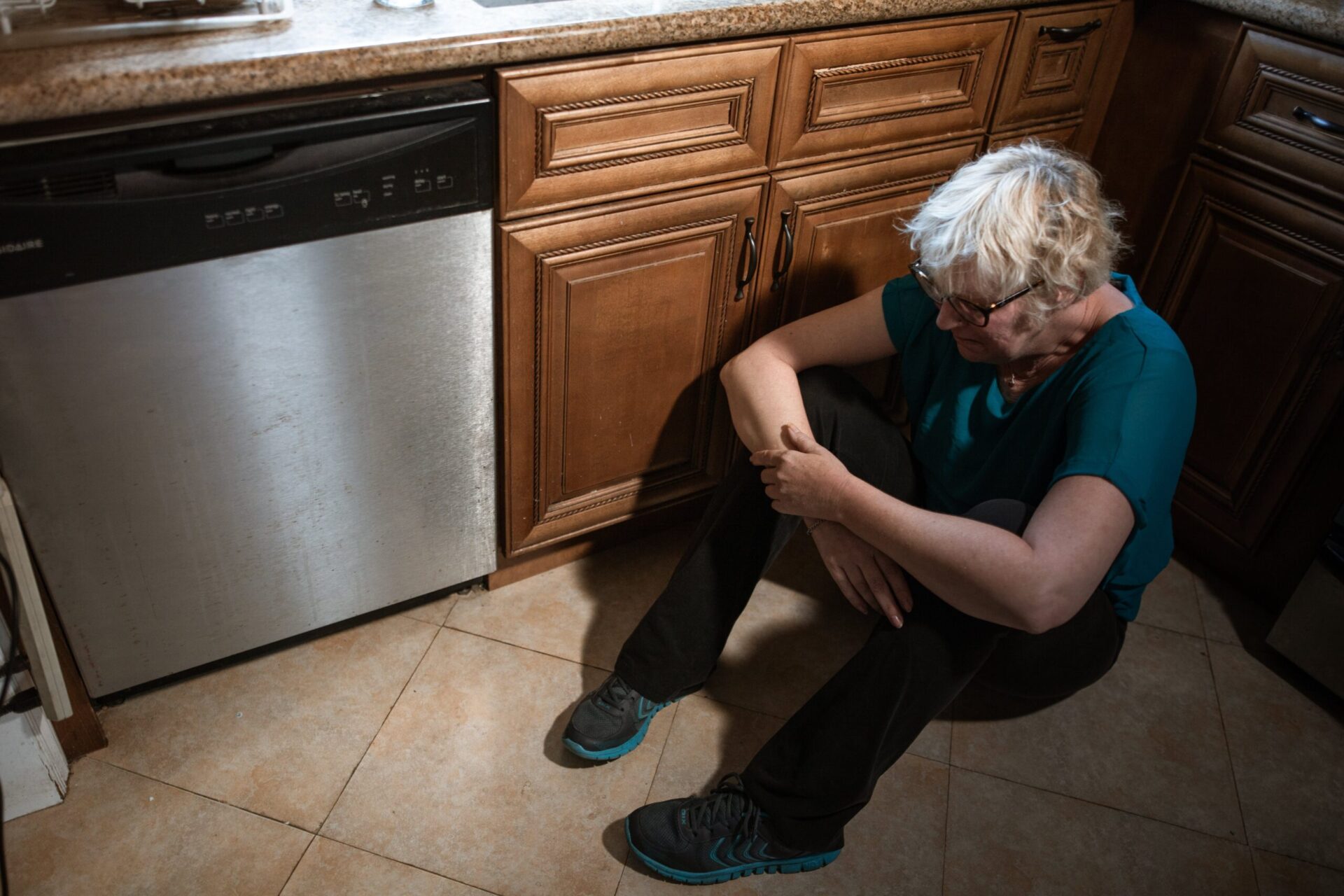
Why is this approach pivotal in dementia care? Person-centered care is essential because it sees individuals with dementia not just as patients but as unique personalities with their own preferences and histories. Our teams ensure dignity and respect are paramount by placing them at the center of care. This method has been proven to decrease agitation and aggressive behavior in dementia patients. In contrast, non-person-centred care often becomes task-oriented and depersonalized, where the individual's unique needs are overshadowed by generalized stereotypes associated with dementia.
Practical Applications At Care
- Understanding the Individual: We delve into their history, interests, and preferences, from culinary tastes to musical choices.
- Empathy and Perspective: Viewing the world through their eyes is crucial.
- Empowering Choices: We provide choices in a manner that is not overwhelming, often using closed questions.
- Fostering Connections: Encouraging interactions with others, as guided by our Listen, Talk, Connect framework.
- Encouraging New Experiences: Through initiatives like the Wishing Tree, we help residents explore new activities.
For those seeking person-centered dementia care in a nurturing environment, exploring a UK home nearby can be a step towards ensuring quality care and a dignified life for your loved one.

Person-Centered Care Vs How Does A Non-Person-Centered Approach Differ
The approach to managing challenging behaviors in dementia patients varies significantly between non-person and person-centered care. Here's a comparison of the two:
Non-Person-Centred Care Approach
- Generalized Strategies: Non-person-centred care often employs standardized strategies for managing challenging behaviors, regardless of the individual's personal history, preferences, or the context of their behavior.
- Focus on Medication: There might be a heavier reliance on medication to manage behaviors without fully exploring the underlying causes or triggers specific to the individual.
- Behavior as a Symptom: Challenging behaviors are often viewed merely as symptoms of the disease to be controlled rather than expressions of unmet needs or discomfort.
- Task-Oriented Care: This approach tends to be more task-focused, prioritizing efficiency and routine over understanding the individual's unique needs or emotional states.
- Limited Engagement with Individual’s Background: There's less emphasis on understanding the individual’s life history, which can be crucial in understanding and addressing specific behaviors.
Person-centered Care Approach
- Individualized Strategies: Person-centred care focuses on understanding the individual's life story, preferences, and needs, tailoring strategies to manage behaviors based on this understanding.
- Holistic Management: It looks at the whole person, considering physical, emotional, social, and environmental factors influencing their behavior.
- Behavior as Communication: Challenging behaviors are viewed as a form of communication, especially important when verbal communication may be impaired. The care approach seeks to understand what the individual is trying to express.
- Emphasis on Non-Pharmacological Interventions: There is a greater emphasis on non-pharmacological interventions, such as environmental modifications, sensory stimulation, and personalized activities.
- Active Involvement and Empathy: Caregivers actively try to put themselves in the individual's shoes, striving to see the world from their perspective, which can be crucial in understanding and responding to behaviors.
In summary, while non-person-centered care might focus more on efficiency and standardized responses to behaviors, person-centered care takes a more holistic, empathetic, and individualized approach. It recognizes challenging behaviors as potential expressions of unmet needs or discomfort, addressing them by understanding and responding to each individual's unique circumstances. This approach not only respects the dignity and preferences of the person with dementia but can also lead to more effective management of challenging behaviors.
How Does Person-Centered Care Differ From Other Types Of Care?
Person-centered care stands out distinctly from other types of care, primarily in treating and supporting individuals, especially in healthcare and social care settings. Here's a comparison to highlight the differences:
Person-centered Care
- Individual Focus: It's tailored to each person's needs, preferences, and history. The care plan is uniquely designed around the individual, considering their life story, personality, and likes and dislikes.
- Empowerment and Choice: Individuals are actively involved in their care decisions. They are empowered to choose their care and lifestyle, ensuring their voices are heard and respected.
- Holistic Approach: This care type looks beyond just medical or physical needs. It encompasses emotional, social, and psychological well-being, recognizing the person.
- Flexibility and Adaptability: Person-centred care is dynamic and adapts to the changing needs and circumstances of the individual, ensuring that the care provided remains relevant and effective.
Traditional or Institutional Care
- Generalized Approach: Traditional care often follows a one-size-fits-all model, where care practices are standardized rather than tailored to individual needs.
- Task-Oriented: The focus is often on completing tasks and meeting physical needs, with less emphasis on the individual's preferences, such as emotional or social well-being.
- Limited Personal Choice: Individuals have less involvement in care decisions, and their personal preferences may not be prioritized.
- Consistency Over Flexibility: Such care models are more rigid, focusing on routine and consistency, which can sometimes overlook the evolving needs of the individual.
Impact on Care Recipients
In dementia care, for instance, person-centered care can significantly improve the quality of life, reduce behavioral issues, and enhance the sense of dignity and self-worth. Traditional care models, while effective in certain contexts, might not provide the same level of individualized attention and emotional support, which is crucial in conditions like dementia. In summary, person-centered care is distinguished by its deep commitment to treating individuals as unique beings with their own stories, preferences, and needs, unlike traditional care models' more standardized and task-focused approach.
7 Potential Drawbacks Or Limitations To Person-Centered Care For Individuals With Dementia
- Resource Intensity: Person-centred care often requires more staff time and resources to understand and cater to each individual's unique needs and preferences. This can be challenging in settings with limited staffing or budget constraints.
- Staff Training and Consistency: Implementing person-centered care effectively requires comprehensive and ongoing staff training. Consistency in care is crucial, and any fluctuation in the quality of care due to staff changes or insufficient training can affect the effectiveness of this approach.
- Complexity in Advanced Stages of Dementia: As dementia progresses, the individual’s ability to communicate preferences and make decisions can significantly diminish. This makes it challenging to ensure that the care provided aligns with their desires and needs, especially when past preferences may no longer be relevant or understood by the individual.
- Family and Caregiver Expectations: Sometimes, there may be a discrepancy between what family members or caregivers think is best for the individual and what the individual wants or needs. Balancing these expectations while respecting the dignity and autonomy of the person with dementia can be difficult.
- Individual Variability: People with dementia have varied and changing needs. What works for one person may not work for another, making it challenging to establish a one-size-fits-all approach in person-centered care.
- Risk of Overstimulation: For some individuals with dementia, too many choices or too much stimulation can be overwhelming or distressing. Finding the right balance between offering choices and not overwhelming the individual is key.
- Documentation and Coordination: Person-centred care requires meticulous documentation and coordination to ensure all care team members are aware of and adhere to the individual’s preferences and care plan. This can be administratively demanding.
Conclusion
In conclusion, person-centered care, particularly in dementia, is more than a methodology; it's a compassionate commitment to seeing and respecting each individual as a whole person with a unique story. The dementia journey is challenging, but with person-centred care like that provided, it can be navigated with dignity, respect, and a focus on quality of life. Remember, the key is in the details – understanding personal histories, empowering choices, fostering connections, and adapting to changing needs. While there are risks of feeling overwhelmed in navigating care options, the rewards of finding a care approach that truly honors your loved one's individuality are immeasurable. Armed with this knowledge, I encourage you to explore person-centered care options with confidence and optimism, knowing that such care can make a significant difference in the lives of those with dementia. It's about creating an environment where everyone feels valued, understood, and connected – a goal we can all strive towards in our care journey.
Useful Links To Learn More
- Alzheimer's Society - Person-Centred Care - Offers detailed guidance and resources on implementing person-centred care for people living with dementia.
- Dementia UK - Understanding Person-Centred Care - Provides expert advice and support for families and carers on the importance of a person-centred approach in dementia care.
- NHS Dementia Care Information - Learn more about dementia care approaches, including person-centred methods supported by the NHS.
- Care Quality Commission - Person-Centred Care Standards - Information on regulatory standards for care homes and services, ensuring person-centred care is a priority.
- Social Care Institute for Excellence - Dementia and Person-Centred Care - Offers training and resources for carers to improve the quality of life for those living with dementia.
Feature Image Photo By Gerd Altmann on Pexels
Keep reading

20 Amazing Crochet Beginner Ideas
Join the fun with these 20 amazing beginner crochet projects that will inspire your creativity and lead you to endless possibilities!
20 Amazing Crochet Blue Ideas
Join us as we unveil 20 amazing blue crochet projects that will inspire your creativity and elevate your crafting game!
20 Amazing Crochet Black Ideas
Marvel at these 20 amazing black crochet projects that will ignite your creativity and inspire your next crafting adventure! Discover your new favorite today.
Need personal guidance?
Talk to an advisor
Our care experts are here to help you make the right choice — for free.