What Is A Nursing Home? The Ultimate Guide For 2025

Choosing the right care home for a loved one can feel overwhelming, especially when trying to differentiate between various options. In this guide, we break down what a nursing home offers and who it's best suited for, so you can make a confident and informed decision. Nursing homes provide more comprehensive care, often catering to individuals who require medical support in addition to assistance with daily tasks such as bathing, dressing, and medication management. By the end of this article, you'll have a clear understanding of whether a nursing home fits your loved one’s needs and the steps to take when selecting the best facility.
Defining Nursing Homes And Their Target Audience
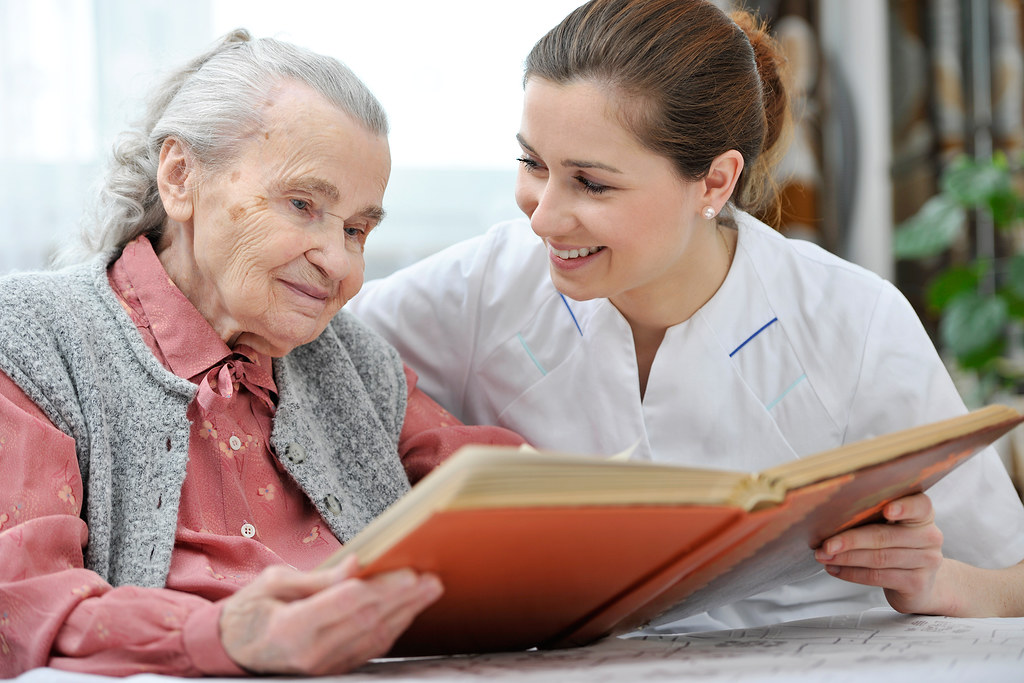
Nursing homes, or residential or care homes with nursing, are specialized facilities equipped with qualified nurses and care assistants. These establishments cater to individuals with specific health conditions or disabilities who find daily life challenging. A defining feature of a nursing home is the constant presence of at least one qualified registered nurse, ensuring 24-hour medical care and skilled nursing support. Some facilities offer specialized care for conditions such as dementia, severe learning disabilities, or substance abuse.
Who Benefits From Nursing Home Care?
Nursing homes are ideal for individuals requiring regular medical attention that cannot be adequately provided at home but does not necessitate hospitalization. They are particularly suited for those needing intensive rehabilitative care post-stroke or for residents with conditions like severe physical or learning disabilities, sensory impairment, dementia, cancer, or terminal illnesses. Staff in nursing homes are adept at monitoring health changes, allowing for prompt and appropriate medical interventions. Care plans are tailored to each resident, with regular visits from GPs, physiotherapists, and other healthcare professionals.
Nursing Homes vs. Residential Care Homes
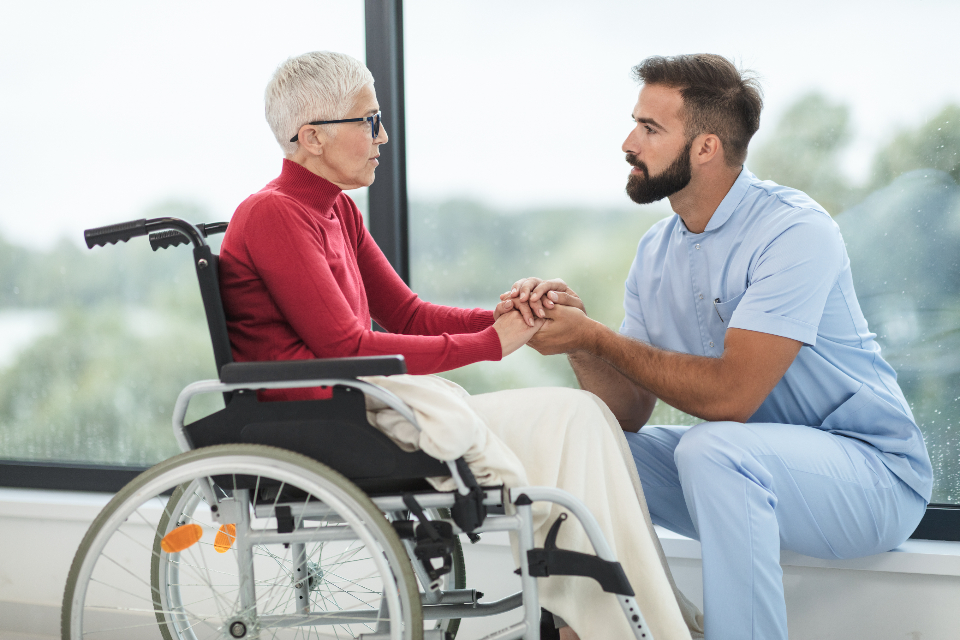
While both nursing and residential care homes offer round-the-clock support, nursing homes provide higher medical care. Residential homes focus on assisting with personal care and physical activity, primarily serving older adults struggling with personal hygiene, medication, toileting, or mobility issues. Although both settings offer social events and activities, nursing homes have the added capability of addressing complex medical needs.
Cost Considerations In Nursing Home Care
The average weekly cost of a nursing home in the UK is approximately £888, compared to £760 for a residential home. The higher fees in nursing homes reflect the more extensive staff, facilities, and resources needed to cater to complex medical conditions.
Funding Nursing Home Care
Funding for nursing home care depends on individual circumstances. A needs assessment by the local authority can determine eligibility for social services contributions. Self-funders may access benefits like Attendance Allowance, Continuing Healthcare Funding (CHC), and Funded Nursing Care (FNC) to assist with costs. CHC covers all nursing care costs for those with a 'primary health need,' while FNC provides a flat rate contribution towards nursing care costs. Understanding the financial implications and available support is crucial when considering nursing home care.

What Is The Process For Getting A Loved One Into A Nursing Home?
Navigating The Process Of Nursing Home Admission
Admitting a loved one into a nursing home involves several key steps to ensure that their specific needs are met and that they receive the appropriate level of care. Here's an outline of the process:
Assessment of Needs
- Initial Evaluation: Begin with assessing your loved one's health and daily living needs. This can be done informally by family members or formally by healthcare professionals.
- Professional Assessment: A needs assessment by healthcare professionals or a local authority is recommended for a more comprehensive evaluation. This assessment determines the level of care required and eligibility for any funding or support.
Researching Suitable Nursing Homes
- Identify Facilities: Look for nursing homes that specialize in the care your loved one needs. Consider location, services, staff qualifications, and facility amenities.
- Visit and Evaluate: Visit multiple homes to get a feel for the environment and staff. Assessing if the home meets your loved one's medical, social, and emotional needs is crucial.
Financial Planning
- Understanding Costs: Determine the costs of the nursing homes you are considering. This includes understanding the fees for accommodation, care, and any additional services.
- Exploring Funding Options: Investigate potential funding sources, such as private funds, insurance, or government programs. This may include options like NHS Continuing Healthcare or local authority funding in the UK.
Application And Admission Process
- Application Submission: Once you've chosen a nursing home, you must fill out an application. This usually involves providing detailed information about your loved one's health and care needs.
- Review and Acceptance: The nursing home will review the application to ensure they can meet the care needs. Upon acceptance, they will provide an admission agreement outlining the terms of care, costs, and policies.
Preparing For The Move
- Personalizing the Space: To make the transition smoother, personalize your loved one's new space with familiar items from home.
- Emotional Support: Moving to a nursing home can be emotionally challenging. Provide reassurance and support to your loved one during this transition.
Ongoing Communication And Involvement
- Regular Visits: Stay involved in your loved one's care by visiting regularly and communicating with the staff.
- Care Plan Reviews: Participate in regular reviews of your loved one's care plan to ensure their needs are met effectively.
Remember, choosing a nursing home is a significant decision. Take your time to research thoroughly, involve your loved one in the decision-making process, and seek advice from healthcare professionals as needed.
What Are The Differences Between Nursing Homes And Hospitals?
Distinguishing Nursing Homes from Hospitals: Understanding Their Roles and Differences
Nursing homes and hospitals are two healthcare facilities, each serving distinct roles in patient and resident care. Understanding their differences is crucial for making informed decisions about the appropriate level of care needed.
Purpose And Focus Of Care
- Hospitals: Primarily designed for acute medical care. They cater to patients requiring immediate, short-term treatment for severe health issues, surgeries, emergencies, or serious illnesses.
- Nursing Homes: Aimed at providing long-term care. They are suited for individuals requiring ongoing assistance with daily living activities and medical care due to chronic health conditions, disabilities, or aging-related issues.
Duration Of Stay
- Hospitals: Patients are admitted for acute medical treatment and discharged once stable or transferred to a facility like a nursing home for continued care.
- Nursing Homes: Residents typically stay for extended periods, often months or years, as they need continuous care and assistance.
Level And Type Of Care
- Hospitals: Offer a wide range of medical services, including emergency care, intensive care, surgical procedures, and specialized treatments. Care is provided by a team of healthcare professionals, including doctors, nurses, and specialists.
- Nursing homes provide a lower level of medical care than hospitals. They focus on personal care, medication management, and basic nursing care. While nursing homes have medical staff, they do not offer an extensive range of medical services in hospitals.
Facility Environment And Amenities
- Hospitals: Facilities have advanced medical equipment and technology for diagnosis and treatment. The environment is clinical and designed for short-term stays.
- Nursing Homes: Designed to be more residential, offering a home-like environment. They may include communal dining areas, recreational spaces, and private or shared living quarters.
Healthcare Staffing
- Hospitals: Staffed by a diverse range of healthcare professionals, including doctors, surgeons, nurses, and various specialists.
- Nursing Homes: Primarily staffed with nurses, care assistants, and support staff. While they may have doctors on call, the medical care is predominantly overseen by registered nurses.
Cost And Funding
- Hospitals: Costs are typically higher due to care's acute and specialized nature. Funding can come from health insurance, government programs, or out-of-pocket payments.
- Nursing Homes: Costs vary based on the level of care and services provided. Long-term care insurance, private funds, or government assistance programs like Medicaid (in the US) or local authority funding (in the UK) can cover expenses.
In summary, hospitals are best suited for acute medical treatment and emergencies. In contrast, nursing homes are geared towards providing long-term care and support for those with ongoing health and personal care needs. Understanding these differences helps make informed decisions about healthcare and long-term care options.
What Kind Of Services Are Provided In Nursing Homes For Residents With Dementia?
Services in Nursing Homes for Residents with Dementia
Nursing homes that cater to residents with dementia offer specialized services and care designed to meet the unique needs of individuals with this condition. These services focus on safety, comfort, and enhancing the quality of life for residents. Key services include:
Personalized Care Plans
- Individualized Attention: Care plans are tailored to each resident's specific stage of dementia, personal preferences, and health history.
- Holistic Approach: Emphasis on physical, emotional, and social needs.
Specialized Staff And Training
- Trained Caregivers: Staff skilled in dementia care, understanding the complexities and behavioral changes associated with the condition.
- Ongoing Education: Regular training to keep up with the latest dementia care practices.
Safe And Secure Environment
- Designed for Safety: Facilities are designed to prevent wandering and ensure resident safety, often with secured exits and monitoring systems.
- Comforting Atmosphere: Layouts that are easy to navigate, reducing confusion and anxiety.
Memory Care Activities
- Therapeutic Activities: Programs tailored to stimulate memory and cognition, such as music therapy, art, and reminiscence therapy.
- Social Interaction: Opportunities for social engagement and community involvement to enhance well-being.
Health And Medication Management
- Medical Oversight: Regular health assessments and monitoring by medical professionals.
- Medication Management: Administration and management of medications, considering the complexities of treating dementia alongside other health conditions.
Support Services
- Nutrition and Diet: Meals planned to meet nutritional needs and personal preferences, with assistance provided as needed.
- Daily Living Assistance: Help with activities of daily living, such as bathing, dressing, and grooming.
Family Support And Education
- Family Involvement: Encouraging family participation in care planning and activities.
- Educational Resources: Providing resources and support groups for families to understand and cope with the challenges of dementia.
Behavioral And Emotional Support
- Behavioral Therapies: Non-pharmacological interventions to address behavioral changes.
- Emotional Support: Empathetic care and validation therapy to acknowledge residents' feelings and experiences.
End-Of-Life Care
- Palliative Care: Support for advanced stages of dementia, focusing on comfort and quality of life.
- Coordination with Hospice: Working with hospice services for comprehensive end-of-life care.
By offering these specialized services, nursing homes for residents with dementia aim to provide a supportive and nurturing environment, addressing the unique challenges faced by individuals with dementia and their families.
Conclusion
In conclusion, navigating the journey of choosing a nursing home for a loved one, especially one with dementia, is a task marked with deep care and consideration. Remember, the goal is to find a place that not only ensures safety and medical care but also enriches the daily lives of its residents. It's important to visit various homes, engage with the staff, and observe the environment to ensure it aligns with your loved one's needs and preferences. While the decision involves assessing risks, like adjusting to a new environment or managing costs, the benefits of specialized care, tailored activities, and professional support often outweigh these concerns. I advise approaching this decision with a blend of heart and pragmatism. Ask questions, seek professional support, and involve your loved one as much as possible. This journey, though challenging, can lead to a fulfilling new chapter for your loved one, offering peace of mind to you and a nurturing, engaging environment for them. Take this step with confidence, knowledge, and compassion, and you'll pave the way for a decision that benefits everyone involved.
Useful Links To Learn More
- NHS: Finding Nursing Homes – A guide to finding and understanding nursing home care options provided by the NHS.
- Care Quality Commission (CQC) – The CQC regulates and inspects nursing homes to ensure quality and safety standards across the UK.
- Age UK: Care Home Advice – Comprehensive advice on care homes, including nursing home options and funding for older adults.
- Which? Nursing Home Guide – A detailed guide on choosing the right nursing home and understanding the types of care available.
- Elder: Guide to Nursing Homes – Information on nursing homes, including tips on selecting the best one and understanding care requirements.
- Carehome.co.uk – A UK-wide directory of care homes, nursing homes, and residential homes with reviews, rankings, and useful information for families.
Feature Image Photo By Kampus Production on Pexels
Keep reading

20 Amazing Crochet Beginner Ideas
Join the fun with these 20 amazing beginner crochet projects that will inspire your creativity and lead you to endless possibilities!

20 Amazing Crochet Blue Ideas
Join us as we unveil 20 amazing blue crochet projects that will inspire your creativity and elevate your crafting game!
20 Amazing Crochet Black Ideas
Marvel at these 20 amazing black crochet projects that will ignite your creativity and inspire your next crafting adventure! Discover your new favorite today.
Need personal guidance?
Talk to an advisor
Our care experts are here to help you make the right choice — for free.