Do Over 60s Get Free Dental Treatment UK? An Expert Guide For 2025!
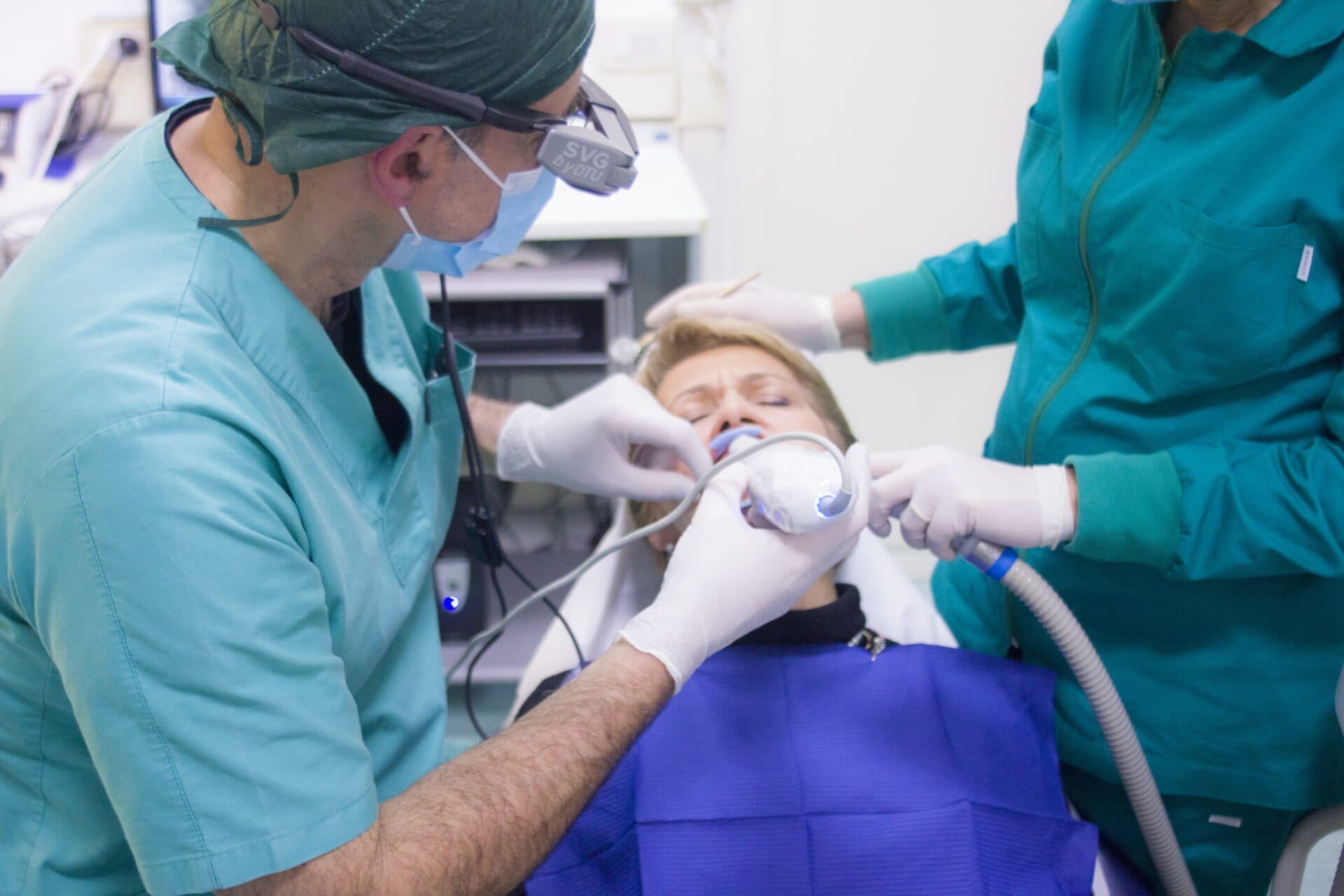
Understanding the intricacies of dental health is crucial for those over 60, a phase of life when maintaining oral well-being becomes increasingly important. This article explores the realm of dental care for seniors in the UK, specifically focusing on the availability of free dental treatment. You'll learn not only about the options for accessing free dental care but also how to navigate the healthcare system effectively. The aim is to equip you with the knowledge needed to maintain optimal dental health, ensuring comfort, aesthetics, and overall well-being in your golden years, all while managing financial considerations. Let's dive into the world of dental care for seniors, uncovering ways to keep that smile bright and healthy without straining your finances.
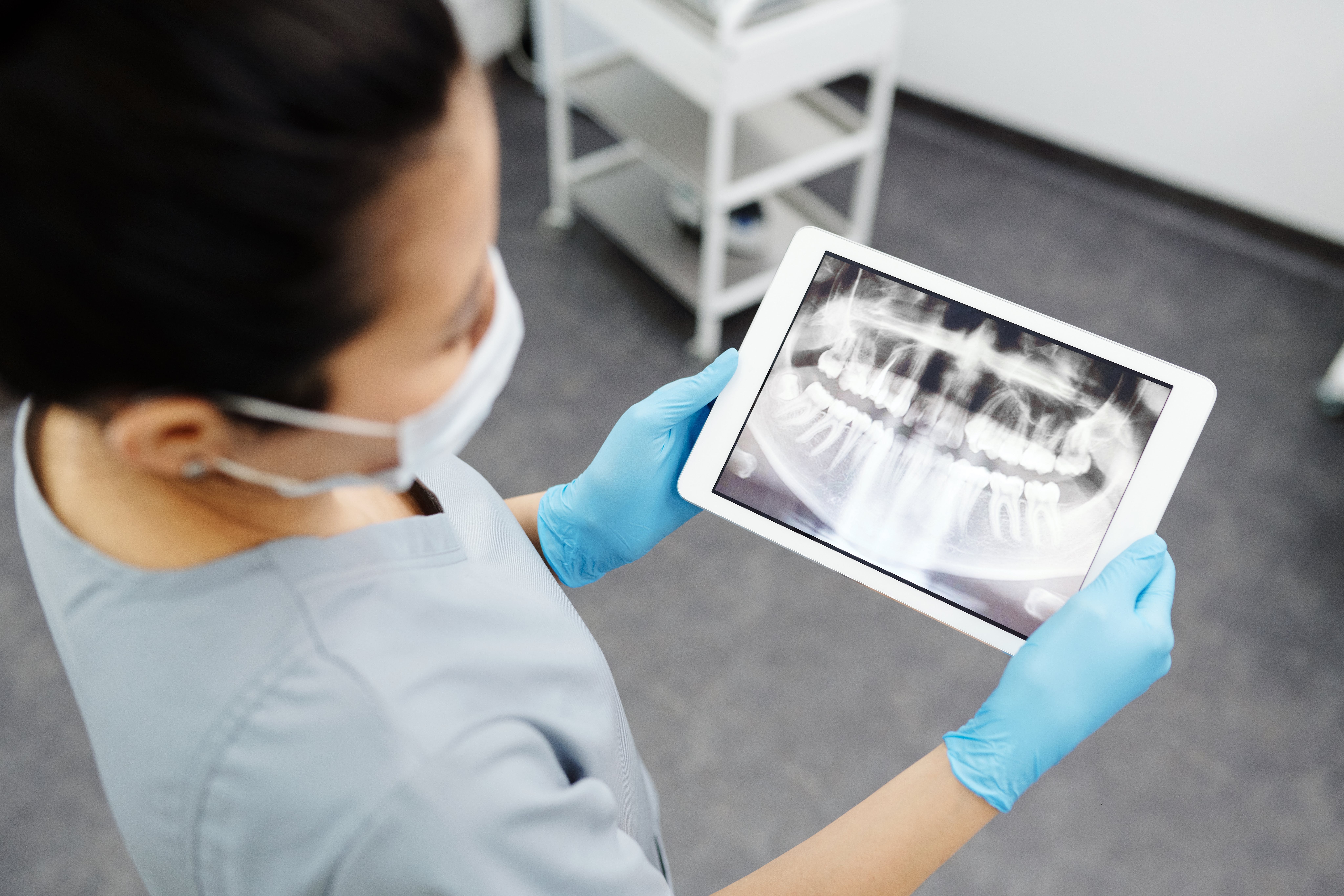
Eligibility For Free Dental Care In The UK
Free dental Treatment in the UK is available to those over 60 under certain conditions, primarily determined by income and benefits status. Eligible benefits include income-based job seekers' allowance, income support, and pension credit. Those with a valid Tax Credit Exemption Certificate or an NHS tax credit exemption certificate may also qualify. The NHS Low Income Scheme offers additional support, covering dental costs for individuals with limited financial means.
Some pensioners are eligible for free dental care under the NHS based on means-tested benefits. Those receiving Pension Credit guarantee credit or other income support types may be exempt from dental charges. It's important to understand these benefits and hold the relevant certificates, like a Tax Credit Exemption or an HC2 Certificate, for free or reduced-cost care. Additionally, full-time students who are pensioners may also be exempt. Since eligibility can change with income fluctuations, staying informed about the latest criteria is important. Note that being on a low income alone does not guarantee free care; a means test is required to determine eligibility.
Claiming Pensioner Dental Benefits
Pensioners should check their eligibility under the NHS system to claim dental benefits. Holding a valid exemption certificate like a Tax Credit Exemption Certificate is key. An HC2 or HC3 Certificate application involving a means test may offer partial financial assistance for those not automatically qualifying for free care. If dental costs have been paid while entitled to health cost assistance, pensioners can claim refunds within a specific timeframe, making it crucial to keep receipts. It's important to update the dentist about any changes in the financial situation that might affect exemption eligibility.
The Role Of Age And Income In Dental Care Accessibility
While age is a factor, income, and benefits status are more significant in determining access to free dental care. Over 60 not receiving benefits may incur costs for dental services, including routine check-ups and complex procedures. Understanding these criteria is crucial for seniors and caregivers to ensure access to necessary dental care.
Pros And Cons Of Free Dental Treatment For Over 60s
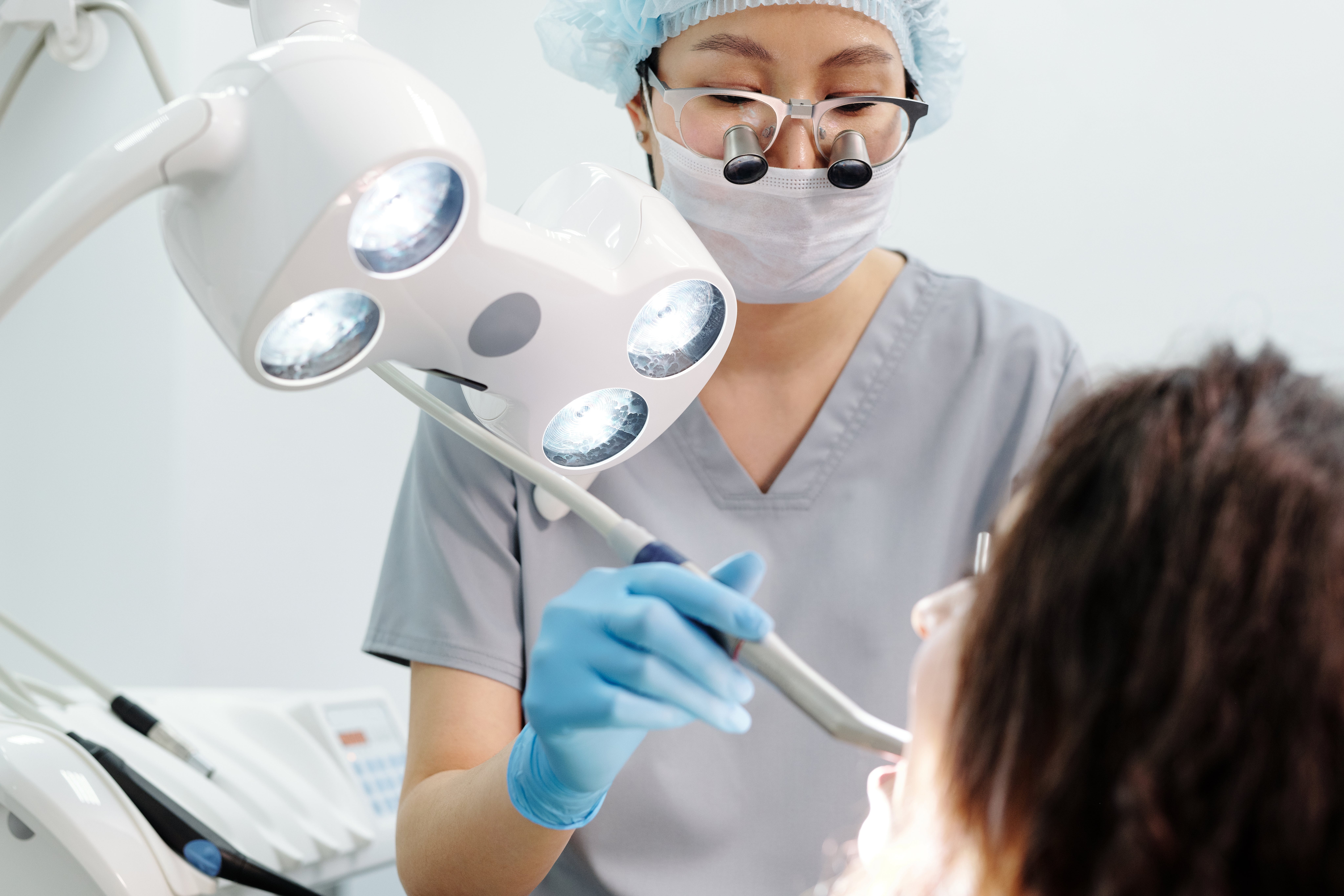
The advantages of free dental care for people over 60 include:
- Financial savings.
- Improved oral health.
- Increased accessibility.
- Enhanced quality of life.
- Prevention of serious health issues.
However, limitations such as restricted eligibility, potential overuse, long waiting times, limited treatment coverage, and geographical discrepancies must be considered.
The Integral Role Of Hospital Dentists
Hospital dentists are crucial for providing complex dental care, especially for seniors with advanced dental needs. Accessing their services typically requires a referral from a general dentist, although efforts are ongoing to streamline this process for quicker treatment access.
Income-Based Jobseeker's Allowance And Dental Care Access
This allowance is vital for dental care for patients over 60, covering routine to complex treatments. However, it doesn't extend to certain types of treatments like cosmetic dentistry, necessitating alternative care options for these services.
Understanding Patient Rights And Privacy In UK Dental Care
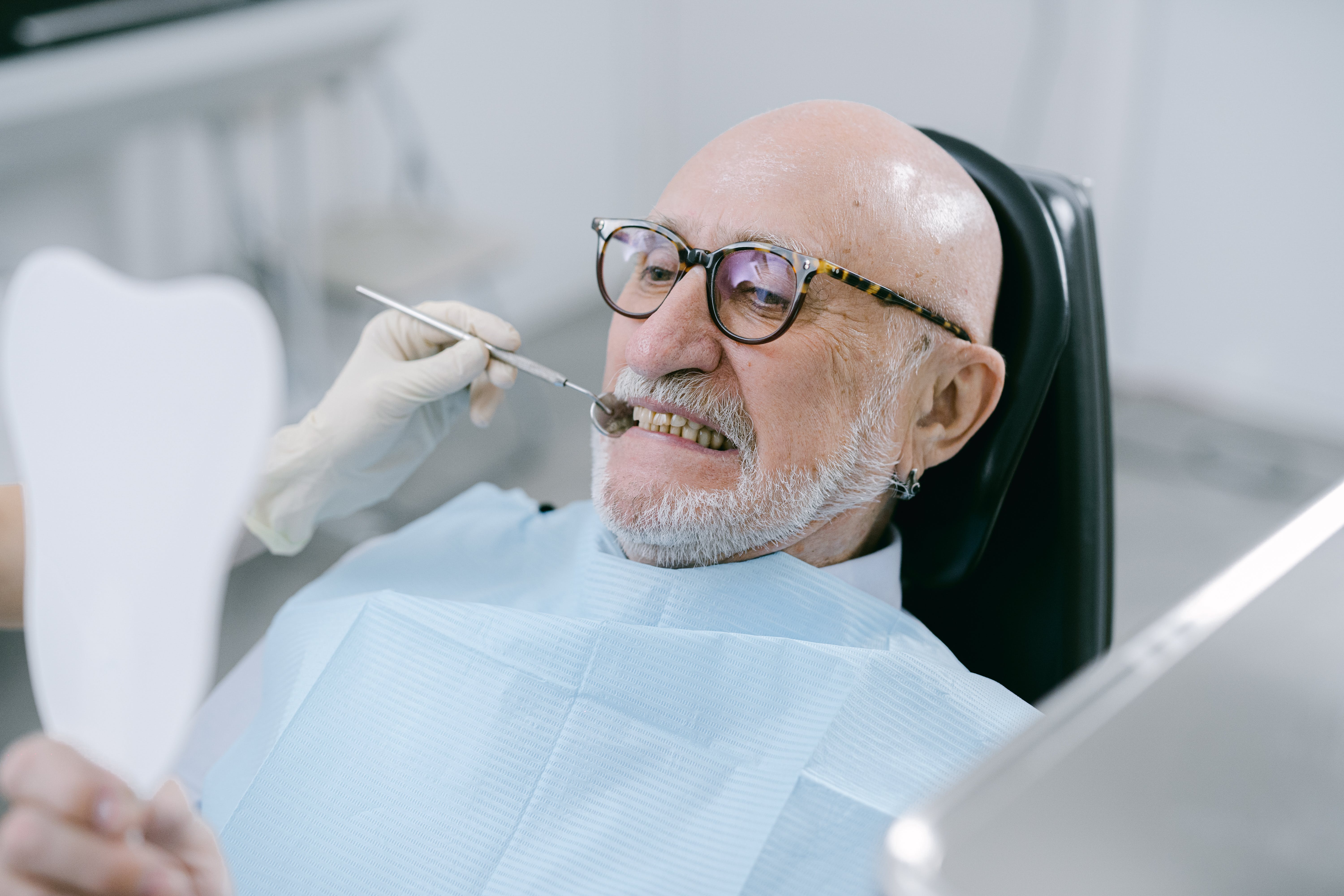
Patients in the UK have rights to respectful Treatment, involvement in care decisions, and privacy. NHS dentists must provide a Privacy Notice detailing information use and protection. Patients also have the right to necessary treatments, including preventive care, without charge if eligible for free dental care.
What Are The Limitations Of Free Dental Care For Those Over 60?
The limitations of free dental care for people over 60 in the UK are an important consideration, as they highlight the challenges and gaps in the system. Understanding these limitations can help individuals better navigate their options and plan for their dental care needs. Here are the key limitations:
- Limited Eligibility Based on Income and Benefits: Free dental care is not universally available to all over 60. Eligibility is primarily determined by income and benefits status. This means that seniors who do not receive specific benefits like Pension Credit, Income-based Jobseeker's Allowance, or Income Support may not qualify for free dental Treatment.
- Restrictions on Types of Treatments Covered: While basic dental care, such as check-ups, some emergency treatments, and standard procedures, are often included, more complex or cosmetic procedures may not be covered. This can leave individuals responsible for the costs of treatments like certain types of dentures, bridges, or cosmetic dentistry.
- Geographic Discrepancies: There are differences in dental care provisions across the UK. For example, in Scotland and Northern Ireland, people over 60 are entitled to free NHS dental examinations, but this is not the case in England and Wales. Such discrepancies can lead to unequal access to dental care services.
- Potential for Long Waiting Times: There can be long waiting times for appointments due to high demand, especially for NHS dental services. This may lead to delays in receiving necessary dental Treatment, which can be particularly problematic for seniors with urgent dental needs.
- Limited Coverage for Advanced Dental Procedures: Complex dental procedures, such as certain types of root canals, crowns, or oral surgeries, might need to be fully covered under the free dental care scheme. This can impose financial burdens on those who require these treatments.
- Overuse of Services: There is a concern that offering free dental Treatment might lead to overuse of services, potentially straining the NHS dental system. This can impact the availability and quality of care provided.
- Awareness and Understanding of Eligibility: Some seniors might need to be made aware of their eligibility for free dental care or might find the system complex to navigate. Lack of understanding can lead to underutilization of available services.
- Requirement for Referrals to Specialists: Access to specialized dental care, such as Treatment from hospital dentists, often requires referrals. This process can sometimes take time, leading to delays in receiving specialized care.
It's crucial for individuals over 60 and their caregivers to be aware of these limitations and to plan accordingly. Understanding the specific criteria for eligibility, the types of treatments covered, and the potential waiting times can help make informed decisions about dental care in later life.
How Can One Access The Services Of Hospital Dentists?
Accessing the services of hospital dentists in the UK typically involves a referral process, as these professionals often handle more complex dental cases or those requiring specialized care. Here's a step-by-step guide on how to access hospital dentist services:
- Initial Consultation with a General Dentist: The journey to seeing a hospital dentist usually starts with a visit to a general dental practitioner. This dentist will assess your dental health and determine whether your dental issues require the specialized services of a hospital dentist.
- Referral from a General Dentist: If the general dentist concludes that your dental needs exceed what can be provided in a typical dental office setting, they will refer you to a hospital dentist. This referral is often made for complex cases, such as advanced gum disease, certain oral surgeries, or dental care requiring general anesthesia.
- Referral for Specific Medical Conditions: In some cases, individuals with certain medical conditions or those undergoing particular treatments (like cancer therapy) may need specialized dental care. These patients can also be referred to hospital dentists for coordinated care.
- Referral Process and Waiting Times: Once referred, you may have to wait for your appointment, depending on the urgency of your condition and the demand for hospital dental services in your area. The waiting time can vary; urgent cases are usually given priority.
- Attending the Hospital Dentist Appointment: During your appointment at the dental hospital, you'll be seen by a dentist specializing in the care area you require. This could be for diagnostic services, treatment planning, or the Treatment itself.
- Comprehensive Treatment: Hospital dentists often have access to a broader range of tools and resources and can provide comprehensive Treatment for complex dental issues. They work closely with other medical professionals, ensuring that your overall health is considered in your dental treatment plan.
- Follow-Up Care: After your Treatment, the hospital dentist may refer you back to your general dentist for ongoing care and maintenance, or they might schedule follow-up appointments at the hospital, depending on the nature of your Treatment.
- Covering the Cost: Treatment with a hospital dentist is usually covered if you are eligible for free dental care under the NHS (such as being over 60 and meeting certain income criteria). However, it's important to confirm this beforehand.
- Emergency Situations: In emergency cases, such as severe dental trauma or acute infections, you may be able to access hospital dental services directly through an emergency department or an urgent dental care center.
Remember, the key to accessing hospital dental services is primarily through referral by a general dentist. If you need specialized dental care, discuss this with your dentist, who can guide you through the referral process.
10 Common Pitfalls Should Pensioners Avoid When Claiming Dental Benefits Under The NHS?
Pensioners claiming dental benefits under the NHS should be aware of common pitfalls to avoid complications or missed opportunities for support. Here are some key points to consider:
- Not Checking Eligibility Regularly: Pensioners' financial situations can change, affecting their eligibility for benefits. It's important to regularly check eligibility criteria for NHS dental benefits, as they may become eligible for support they previously did not qualify for.
- Misunderstanding the Coverage: Some pensioners may assume that all dental treatments are covered under the NHS, but this is only sometimes the case. Complex treatments like crowns or cosmetic procedures may not be covered, leading to unexpected expenses.
- Failing to Present the Correct Documentation: When visiting the dentist, pensioners must provide proof of their eligibility for NHS dental benefits, such as an exemption certificate or proof of receipt of a qualifying benefit. Not having the correct documentation can result in being charged.
- Not Applying for the NHS Low Income Scheme: Pensioners who don't qualify for automatic exemption might still be eligible for help with dental costs through the NHS Low Income Scheme. Only applying for this scheme could mean taking advantage of potential benefits.
- Delaying Dental Visits Due to Cost Concerns: Avoiding or delaying dental visits due to concerns over costs can lead to more serious and expensive problems down the line. Regular check-ups and early treatments are often more affordable and less invasive.
- Not Claiming Refunds: If pensioners pay for dental treatment and later realize they were entitled to free or reduced-cost care, they may be eligible for a refund. However, there's often a time limit to claim this refund, and failing to do so in time can result in a loss of money.
- Overlooking Additional Benefits: Pensioners might need to be made aware of or may forget to consider additional benefits they're entitled to, such as travel costs to and from the dentist, which can be covered under certain circumstances.
- Lack of Awareness of Regional Variations: Dental charges can vary in different parts of the UK, and some regions might offer additional benefits or have different eligibility criteria. Not being aware of these variations can lead to confusion or missed opportunities for support.
- Not Seeking Advice When Confused: Navigating the NHS dental benefits system can take time and effort. Not seeking advice from organizations like Citizens Advice or the NHS can lead to misunderstandings and missed benefits.
- Ignoring Changes in Personal Circumstances: Any income, savings, or marital status change can affect eligibility for NHS dental benefits. Failing to report these changes can result in incorrect charges or loss of entitlements.
Pensioners should be proactive in understanding and managing their dental benefits, keeping abreast of any changes in the NHS system, and seeking guidance when needed to maximize their entitlement
What Are The Alternatives For Cosmetic Dentistry If Not Covered By Income-Based Jobseeker's Allowance?
If cosmetic dentistry is not covered under the Income-Based Jobseeker's Allowance or other NHS provisions, several alternatives should be considered. These options can help manage the costs and access the desired cosmetic dental treatments:
- Private Dental Insurance: Private dental insurance can help cover some cosmetic dentistry costs. It's important to carefully review the policy details, as coverage for cosmetic procedures varies significantly between insurance plans.
- Dental Payment Plans: Many private dental practices offer payment plans that allow patients to pay for their Treatment in installments. This can make the cost more manageable over time. It's important to discuss this option with the dental office and understand the terms of the payment plan.
- Dental Discount Plans: These plans, offered by some private companies, provide discounts on various dental services, including cosmetic procedures, at participating dental offices. These plans usually have an annual fee, but they can offer significant savings.
- Saving Up for Treatment: Another approach is setting aside money over time to pay for cosmetic dental procedures. While this requires patience and planning, it allows you to pay for the Treatment outright without incurring debt or interest charges.
- Credit Options: Some patients use a credit card or a medical credit line to pay for cosmetic dentistry. Certain credit companies offer medical or dental credit lines with low or no-interest promotional periods. However, it's crucial to be cautious with this option due to potential high-interest rates after the promotional period.
- Dental Schools: Some dental schools offer cosmetic procedures performed by students under the supervision of experienced dentists at a reduced cost. This can be a more affordable way to access quality cosmetic dental care.
- Seeking Treatment Abroad: Known as "dental tourism," some individuals choose cosmetic dental procedures in countries where these services are offered at a lower cost. While this can be cost-effective, it's important to thoroughly research the qualifications of the practitioners and the standards of care in the destination country.
- Charitable Organizations: In some cases, charitable organizations may offer grants or free services for dental care, including cosmetic procedures. These are often based on specific criteria such as income, medical needs, or other factors.
- Comparing Prices: Shopping around and comparing prices at different dental clinics can help you find more affordable options for cosmetic dental work. Prices can vary significantly between providers.
- Alternative Treatments: Sometimes, less expensive treatments can achieve similar cosmetic results. Discussing these options with your dentist might reveal more budget-friendly ways to meet your cosmetic goals.
Before proceeding with any of these alternatives, considering the long-term implications, especially regarding quality and cost, is important. A thorough discussion with a dental professional about the risks, benefits, and costs of cosmetic dental procedures is also essential.
Conclusion
In conclusion, navigating the world of dental care, particularly when it comes to cosmetic dentistry, requires thoughtful consideration and planning. While options like Income-Based Jobseeker's Allowance may not cover cosmetic procedures, there are various alternatives to explore, from private insurance and payment plans to seeking care at dental schools or even abroad. Remember, each option carries its own set of risks and benefits. It's crucial to weigh these carefully, considering cost, quality, and long-term outcomes. Researching thoroughly, consulting with dental professionals, and comparing different options can empower you to make informed decisions that best suit your dental needs and financial situation. Ultimately, the goal is to achieve the dental health and aesthetics you desire in a responsible and satisfying way. Taking action toward your dental health is not just about enhancing your smile; it's an investment in your overall well-being and confidence. So, feel encouraged to explore these paths and take steps toward the dental care you envision.
Useful Links To Learn More
- NHS Dental Services – Provides information on NHS dental care, eligibility, and costs for older adults in the UK.
- Age UK - Dental Care – Offers advice on accessing dental care for individuals over 60 and how to maintain oral health.
- Citizens Advice - Help with Health Costs – Explains eligibility for free dental care and how to apply for assistance.
- British Dental Association – Insights into oral health for seniors and how to access affordable dental care in the UK.
- NHS Low Income Scheme (LIS) – Information on how those on a low income can apply for help with dental care costs.
Feature Image Photo By Quang Tri NGUYEN on Unsplash
Keep reading

20 Amazing Crochet Beginner Ideas
Join the fun with these 20 amazing beginner crochet projects that will inspire your creativity and lead you to endless possibilities!

20 Amazing Crochet Blue Ideas
Join us as we unveil 20 amazing blue crochet projects that will inspire your creativity and elevate your crafting game!

20 Amazing Crochet Black Ideas
Marvel at these 20 amazing black crochet projects that will ignite your creativity and inspire your next crafting adventure! Discover your new favorite today.
Need personal guidance?
Talk to an advisor
Our care experts are here to help you make the right choice — for free.