10 Best Countries for Older Adults to Live In - Ultimate Guide For 2025!

As the global population ages and life expectancy continues to rise, the need for effective and compassionate elderly care has never been more critical. This article takes you on a journey through the countries leading the way in innovative and exemplary care for older adults, offering a comprehensive look at how different nations are setting the gold standard. We’ll explore where the UK stands in comparison, highlighting best practices that uphold the dignity and quality of life for the elderly. You’ll gain insights into key healthcare indices, happiness metrics, and safety standards that define top-tier elderly care worldwide.
This guide will equip you with knowledge about various care models, from home-based support systems to cutting-edge facilities, helping you make informed decisions or advocate for the best possible care in this rapidly evolving field. Ready to dive into the future of elderly care? Let’s explore…
Introduction to Global Elderly Care Standards
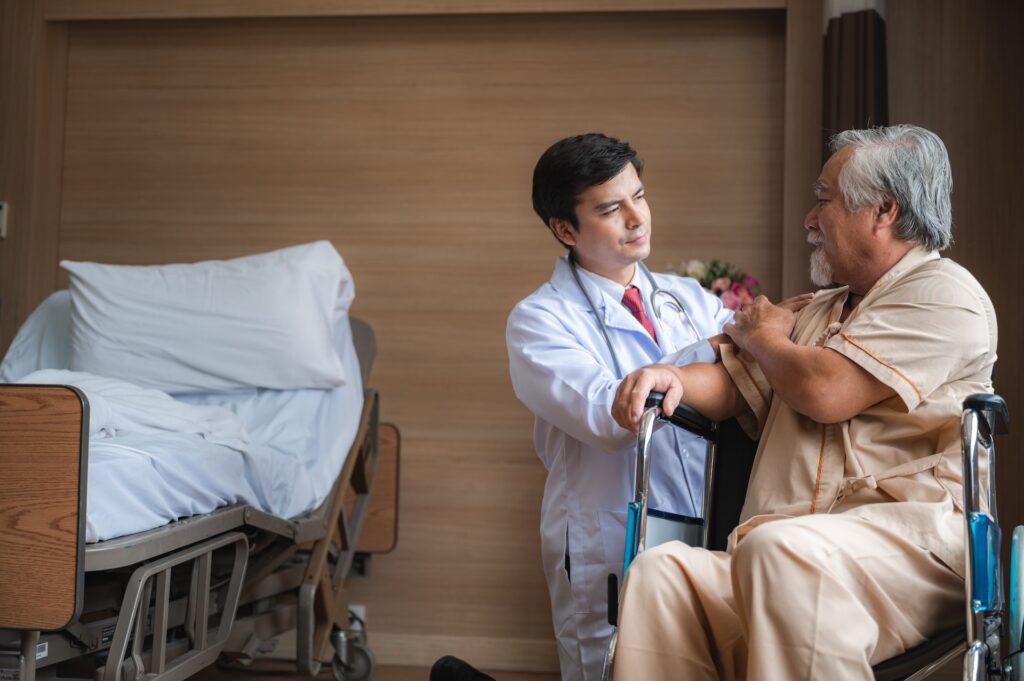
The landscape of elderly care varies significantly globally, with certain countries emerging as leaders in providing exceptional care for their aging populations. This comparative study explores the countries excelling in elderly care and critically examines where the United Kingdom stands in this global ranking.
Key Factors in Elderly Care Excellence
The evaluation criteria for best elderly care practices include comprehensive pension coverage, efficient healthcare systems, the availability and quality of care services (such as residential and nursing homes), social support networks, and government funding. These elements combine to create a robust elderly care system.
Leading Nations in Elderly Care
- Norway: Tops the list with a community-focused approach, ensuring 100% pension coverage and strong financial security for older people. Norway also boasts high income and employment rates among older adults.
- Sweden: Funded through municipal taxes and government grants, Sweden's elderly care system allows for high satisfaction levels in safety, civic freedom, and public transport accessibility for older people.
- Switzerland: Known for its overall excellent healthcare, Switzerland also excels in elderly care. Older adults here enjoy safety, support at home, and a high sense of social connectedness.
- Germany: With ongoing research into technology to enhance care, Germany, despite not offering complete pension coverage, stands out for its social connectivity and civic freedoms for older adults.
- Canada: With the world's highest life expectancy, Canada's combination of good pensions, income security, and social support places it among the top countries. Notably, Ottawa's commitment to invest significantly in aging population support and home-care programs is commendable.
Global Perspective on Elderly Care
The 2023 Health Care Index, encompassing 94 countries, presents a diverse range of scores reflecting the quality of elderly care worldwide. These scores range from a high of 85.9, achieved by Taiwan, to a low of 39.3, recorded by Venezuela. This index is a crucial tool in understanding how different continents and countries prioritize and manage elderly care.
Here are the countries with the best elderly care in each continent:
| Continent | Top Country for Elderly Care | Health Care Index |
|---|---|---|
| Africa | South Africa | 63.7 |
| Asia | Taiwan | 85.9 |
| Europe | France | 79.4 |
| North and Central America | Mexico | 72.5 |
| Oceania | Australia | 75.3 |
| South America | Ecuador | 69.5 |
This table provides a clear overview of how various countries rank in terms of the quality of their health care systems, a factor that is especially important for the care and wellbeing of older adults.
Overview of the Health Care Index Score
The Health Care Index Score is an essential metric for assessing the quality of healthcare systems in different countries. It serves as a crucial indicator, especially for older adults who often require more medical attention and care services. This score reflects how well a country can meet the healthcare needs of its population, including preventative care, treatment efficacy, accessibility of services, and overall patient satisfaction.
Here is the table displaying the top 30 countries in the Health Care Index for 2023, including their ranks and scores:
| Rank | Country | Health Care Index Score |
|---|---|---|
| 1 | Taiwan | 85.9 |
| 2 | South Korea | 83.0 |
| 3 | Japan | 80.3 |
| 4 | France | 79.4 |
| 5 | Denmark | 79.2 |
| 6 | Spain | 77.9 |
| 7 | Thailand | 77.9 |
| 8 | Austria | 77.2 |
| 9 | Netherlands | 77.1 |
| 10 | Finland | 77.1 |
| 11 | Norway | 76.7 |
| 12 | Czech Republic | 75.5 |
| 13 | Australia | 75.3 |
| 14 | Belgium | 75.2 |
| 15 | Luxembourg | 75.0 |
| 16 | Switzerland | 74.5 |
| 17 | United Kingdom | 74.1 |
| 18 | Estonia | 74.1 |
| 19 | Qatar | 73.8 |
| 20 | Israel | 73.5 |
| 21 | Lithuania | 73.2 |
| 22 | Mexico | 72.5 |
| 23 | Sri Lanka | 72.0 |
| 24 | Germany | 71.9 |
| 25 | Portugal | 71.5 |
| 26 | New Zealand | 71.0 |
| 27 | Turkey | 71.0 |
| 28 | Singapore | 70.9 |
| 29 | Canada | 70.4 |
| 30 | Malaysia | 70.0 |
This table provides a clear overview of how various countries rank in terms of the quality of their health care systems, a factor that is especially important for the care and wellbeing of older adults.
Global Elderly Care Systems: A Comparative Analysis

Each country's unique approach aligns with its cultural, economic, and societal values. Here's an overview of different elderly care systems globally:
Staggered Care Systems: The UK Model
In the United Kingdom, the elderly care system is characterized by a gradual escalation of support, known as 'staggered care.' This system starts with in-home daily cooking and cleaning assistance and progressively moves towards more intensive care. Trained caregivers provide support either through regular visits or live-in arrangements. Ultimately, this system can lead to permanent residence in a care or nursing home, adapting to the increasing needs of older adults.
Private Care Systems: The US Approach
The United States predominantly operates a private care system. A significant part of this system is the Medicaid health program, which subsidizes medical costs for the elderly, including approximately 61% of nursing home care expenses. Typically, entry into a nursing home is facilitated by private healthcare, reflecting the broader health insurance-based system in the US.
Publicly Funded Care Systems: The Belgian Example
Belgium's elderly care is largely publicly funded through social contributions and taxes. A notable aspect of the Belgian system is the emphasis on family involvement in elderly care, with a preference for keeping older adults in their homes as long as feasible. Additionally, Belgium offers 'service flats' that provide independent living options with access to home help, assisted living, and meal services for those who need them.
Cohabiting Care Systems: Innovations in Germany
Germany has introduced a cohabiting scheme for elderly care, enabling older adults to live together in community apartments. This model fosters independence and social interaction among seniors. Furthermore, Germany's 'multigeneration' centers are communal spaces where both the elderly and young families can socialize and access various care services.
Family Care Systems: The Italian Tradition
In Italy, elderly care is predominantly seen as a family responsibility, leading to fewer care homes compared to other countries. Most elderly Italians remain in their family homes throughout their later years, supported by relatives. Institutional care becomes a recourse only when an individual lacks familial support.
Top Nations for Senior Living and Care
What Are the Specific Areas Where the UK Elderly Care System Needs Improvement To Reach the Top Echelon?
To elevate the UK's elderly care system to the top echelon, like those in countries such as Switzerland and the Nordic nations, several key areas require focused improvement:
- Increased Funding and Accessibility: The UK must ensure adequate funding for elderly care services. This includes government funding and accessible financial support mechanisms for families seeking care. Expanding the affordability and availability of care services can greatly enhance the overall quality of care.
- Healthcare Integration: A more integrated approach between healthcare services and elderly care can improve outcomes. This includes smoother transitions from hospital to home care or residential care, better communication between healthcare providers and care facilities, and a more cohesive strategy for managing chronic conditions and providing palliative care.
- Staff Training and Retention: Investing in the training and retention of care staff is crucial. This includes offering competitive wages, continuous professional development opportunities, and a supportive work environment. High staff turnover can negatively impact the quality of care, so efforts must be made to make care professions more attractive and sustainable.
- Quality of Care Homes: Improving care homes' physical environment and amenities can make a significant difference. This involves ensuring that care homes are safe and clean, comfortable, homely, and equipped with modern facilities and technologies that enhance the quality of life for residents.
- Mental Health and Social Connectivity: Addressing the mental health needs of the elderly and promoting social connectivity is vital. This includes providing access to mental health services, encouraging community engagement, and facilitating activities that promote social interaction and reduce feelings of isolation.
- Home Care and Independent Living Support: Strengthening home care services and support for independent living can help more elderly individuals stay in their homes longer. This includes better support for home adaptations, more accessible home care services, and technologies that aid independent living.
- Personalized and Diverse Care Options: Catering to the diverse needs and preferences of the elderly population is important. This means offering a range of care options, from traditional residential care to more innovative models like cohabiting care systems, and ensuring that care plans are tailored to the individual's needs.
By addressing these areas, the UK can significantly improve its elderly care system, ensuring that it meets the current needs of its aging population and is prepared for future challenges.
What Are Some Unique Approaches To Elderly Care Adopted by Other Countries Besides the UK?
Countries worldwide have adopted unique approaches to elderly care, reflecting their cultural values, economic systems, and societal structures. These innovative models offer valuable insights and potential lessons for other nations, including the UK. Here are some notable examples:
- Japan's Community-Based Integrated Care System: Japan, facing a rapidly aging population, has developed a comprehensive community-based system. This approach integrates healthcare, preventive services, and living support within local communities, enabling older people to live in familiar surroundings while receiving the necessary care.
- The Netherlands' Dementia Village: In the Netherlands, a pioneering concept known as the "Dementia Village" (Hogeweyk) has been established. This gated model village in Amsterdam is designed specifically for residents with dementia. It allows them to live relatively normal lives in a safe, controlled environment that resembles a typical Dutch community.
- Norway's Focus on Outdoor Life: Norway emphasizes the importance of outdoor activities for older people. Known as 'Friluftsliv' (open-air living), this approach integrates nature into the daily lives of seniors, supporting their physical and mental health.
- Denmark's Aging in Place Policy: Denmark focuses on allowing seniors to stay in their homes for as long as possible. The country provides extensive in-home care services and adapts homes to meet the aging population's needs, fostering independence and comfort.
- Sweden's Use of Technology: Sweden integrates technology into elderly care through e-health systems, digital medical records, and telemedicine. This approach enhances the efficiency and accessibility of healthcare for older people, particularly in remote areas.
- Italy's Familial Care Approach: In Italy, elderly care is traditionally seen as a family responsibility. This cultural norm strongly emphasizes family-based care, with support systems and policies geared towards helping families provide care at home.
- Singapore's Multigenerational Living: Singapore promotes multigenerational living arrangements by offering housing grants for families living near or with elderly relatives. This approach fosters familial support and reduces the need for institutional care.
- Germany's Multigenerational Houses: Germany supports 'multigenerational houses' (Mehrgenerationenhäuser), which serve as community centers where people of all ages can come together for various activities, providing socialization opportunities and support networks for older people.
These diverse approaches demonstrate how countries can cater to their aging populations. By learning from these international examples, other nations, including the UK, can explore innovative strategies to enhance elderly care systems.
Conclusion
In conclusion, exploring the varied approaches to elderly care across different countries offers invaluable insights into how we can better support our aging populations. While nations like Switzerland, Finland, and Denmark set high benchmarks, there's a universal lesson in the importance of community, healthcare quality, and family involvement in elderly care. The risks involved in neglecting these aspects can lead to diminished quality of life and social isolation for our older citizens. I advise drawing inspiration from these global models to advocate for and implement improvements in our systems. Every effort counts, whether enhancing home care services, investing in healthcare or fostering stronger community bonds. Remember, the best care systems balance compassion with practicality, always aiming for the well-being and dignity of our seniors. Let's take these lessons to heart and work towards creating a world where every elder feels valued, cared for, and connected.
Useful Links To Learn More
- International Living – Best Places to Retire Abroad – Offers insights and rankings of the best countries for retirement based on cost of living, healthcare, and quality of life.
- Age UK – Moving Abroad in Retirement – Provides advice and information on the considerations and steps involved in retiring abroad.
- GOV.UK – Living Abroad – Official UK government guidance on living abroad, including information on pensions, healthcare, and taxes.
- Expatica – Retirement Destinations – A resource for expats offering detailed guides on living in various countries, including practical advice on healthcare, housing, and lifestyle.
- HSBC – Retiring Abroad – A guide on financial planning and considerations for those looking to retire outside of the UK.
Feature image
Keep reading

20 Amazing Crochet Beginner Ideas
Join the fun with these 20 amazing beginner crochet projects that will inspire your creativity and lead you to endless possibilities!

20 Amazing Crochet Blue Ideas
Join us as we unveil 20 amazing blue crochet projects that will inspire your creativity and elevate your crafting game!

20 Amazing Crochet Black Ideas
Marvel at these 20 amazing black crochet projects that will ignite your creativity and inspire your next crafting adventure! Discover your new favorite today.
Need personal guidance?
Talk to an advisor
Our care experts are here to help you make the right choice — for free.