Care Home Stats: Understanding the Numbers and Their Implications In 2025!
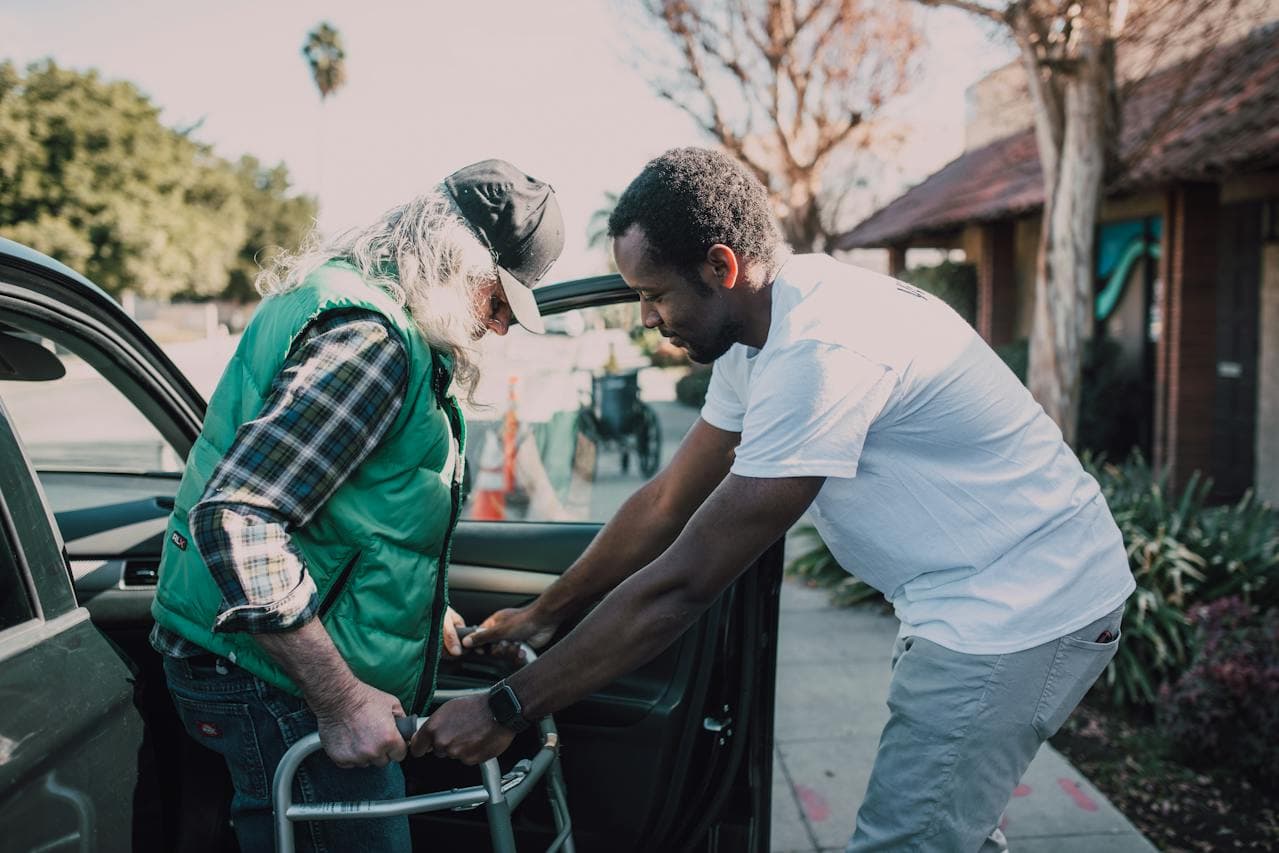
As life expectancy continues to rise in the UK, the demand for quality social care is rapidly increasing. This shift is transforming the care home landscape, bringing both challenges and opportunities to light. In this article, we explore how the growing elderly population is reshaping social care, with a focus on the key factors driving these changes. You’ll gain a deeper understanding of the current trends, learn about the challenges faced by care homes, and discover actionable strategies to ensure that quality care is provided to our aging loved ones. Whether you’re involved in caregiving, policy-making, or simply planning for the future, this guide offers valuable insights to help you navigate this evolving sector.

Overview Of The UK Care Home Landscape
In the United Kingdom, the care home sector is a critical component of the nation's health and social care system, catering to an increasingly aging population. Presently, the UK boasts approximately 16,700 care homes. These facilities are predominantly residential, accounting for about 70% of the total, while nursing homes comprise 30%.
Demographics And Care Needs
As of the latest data, nearly half a million individuals reside in these care homes. Diverse in their offerings, these homes range from specialized services to multi-disciplinary care, addressing a spectrum of resident needs.
Financial Aspects Of Care
A significant aspect of care home operations revolves around funding. Notably, elderly care homes witness a higher proportion of self-funders, with nearly 50% of residents in 2023 paying for their own care. This starkly contrasts care homes for younger adults, where only 2% of residents are self-funders.

Dementia Care: A Growing Challenge
A critical concern in the care home sector is dementia care. The Alzheimer's Society reports that approximately 70% of care home residents have dementia or severe memory problems. This translates to an estimated 309,035 individuals with dementia in UK care homes.
Workforce In Care Homes
The sector is supported by a robust workforce, with around 750,000 professionals dedicated to providing care in these homes.
Future Trends And Projections
The care home sector is emerging from the pandemic's impact and is expected to see dynamic changes. According to Ben Hartley, director of Carterwood, a social care analyst, there's a rising demand partly due to the vaccination program's success. However, challenges remain. The forecast suggests a decline in total elderly care home bed capacity until December 2024, with a loss of 37,500 existing beds and a gain of only 19,700 from new developments. This will likely result in a national shortfall of standard and wetroom beds, projected to be between 57,300 and 64,300 and 221,600 and 228,600, respectively, by the end of 2024.
These trends underline the need for strategic planning and investment in the care home sector to meet the evolving demands of the UK's aging population.

What Measures Are Being Taken To Address The Growing Challenge Of Dementia Care In Care Homes?
Addressing the growing challenge of dementia care in care homes involves a comprehensive approach encompassing staff training, facility design, personalized care, and family support. Here are some key measures being taken:
- Specialized Training for Staff: Care homes are increasingly focusing on training staff in dementia care. This includes understanding the disease, managing behavioral symptoms, and employing compassionate communication techniques. Enhanced training ensures that caregivers are better equipped to meet the unique needs of residents with dementia.
- Environment and Design Modifications: Facilities are being designed or modified to be more dementia-friendly. This can include using specific color schemes for easier navigation, secure outdoor spaces for safe wandering and sensory rooms to stimulate cognition and calm anxiety.
- Person-Centered Care Plans: Emphasizing individualized care, homes are developing personalized care plans that cater to the specific history, preferences, and needs of each resident. This approach helps manage symptoms and improve the overall quality of life for those with dementia.
- Incorporating Technology: Technology plays a vital role in enhancing dementia care. This includes GPS tracking for residents who may wander, digital tools for cognitive stimulation, and monitoring systems to ensure resident safety.
- Family Involvement and Support: Recognizing the role of family in dementia care, many homes are facilitating better communication and involvement of family members. This includes regular updates, family counseling, and support groups to assist them in understanding and coping with the challenges of dementia.
- Collaboration with Health Care Providers: There's an increasing trend in partnering with healthcare providers, such as geriatricians and neurologists, to ensure that residents receive comprehensive medical care tailored to their condition.
- Research and Best Practice Implementation: Care homes are participating in research and adopting evidence-based practices in dementia care. This includes staying updated with the latest developments in dementia treatment and care methodologies.
- Supportive Policies and Funding: Advocacy for supportive policies and increased funding for dementia care is crucial. This includes lobbying for government support in training, research, and financial assistance to families.
What A Decline Number Of Beds Will Mean For Care Provision In The UK
- Increased Demand vs. Limited Supply: There could be a supply-demand imbalance with fewer beds and an aging population. This may result in longer waiting times for placements and potentially higher costs for available spaces, affecting accessibility for many families.
- Pressure on Home and Community-Based Services: As care home options become limited, there will likely be increased pressure on home and community-based care services. While this can promote aging in place, it also demands more resources and support systems for home care.
- Impact on the Healthcare System: A shortage in care home spaces can lead to increased hospital admissions, especially for the elderly who require specialized care that cannot be adequately provided at home. This can strain the already burdened healthcare system.
- Quality of Life Concerns: Limited availability in care homes may force some elderly individuals into facilities that are not their preferred choice or far from their family, impacting their quality of life and potentially leading to social isolation.
- Financial Strain on Families: The scarcity of beds could drive up costs, posing financial challenges for families. This might result in increased reliance on self-funding or private insurance, which could be prohibitive for some.
- Rise in Alternative Housing Models: This scenario could spur innovation and growth in alternative housing models for older people, such as assisted living, co-housing, and technology-integrated homes that promote independent living.
- Policy and Planning Challenges: Government and policymakers must address this shortfall through strategic planning, investment in healthcare infrastructure, and development of policies supporting residential and community-based care solutions.
- Mental Health Impact: The stress associated with finding and securing care home placements can affect the mental health of older people and their families. This underscores the need for comprehensive support systems.
Conclusion
In conclusion, navigating the evolving landscape of elderly care in the UK presents challenges and opportunities. As we face declining care home bed capacity, it's vital to consider alternative care models, embrace technological advancements, and advocate for policies that support our aging population. The key is to stay informed and proactive in exploring options, whether finding the right care home, considering home-based care, or leveraging community resources. Remember, preparing for later life care is not just a necessity but an opportunity to ensure dignity, comfort, and quality of life in our golden years. While the road ahead may have complexities, staying informed and engaged can collectively create a supportive and sustainable environment for our elderly loved ones. Let's approach this journey with optimism and the commitment to make well-informed decisions that benefit our immediate family and the broader community.
Useful Links To Learn More
- NHS England – Care Home Statistics: Provides comprehensive data on the number of care homes, occupancy rates, and the quality of care across England.
- Care Quality Commission (CQC): Offers detailed reports on the performance and inspection outcomes of care homes in the UK.
- Age UK – Care in the UK: A useful resource offering insights into care home services and support for older people.
- ONS – Population Ageing in the UK: Statistics on the ageing population and its impact on the demand for care home services.
- SCIE (Social Care Institute for Excellence): Offers best practice guidance and resources on improving care home standards across the UK.
Feature Image Photo By RDNE Stock project on Pexels
Keep reading

20 Amazing Crochet Beginner Ideas
Join the fun with these 20 amazing beginner crochet projects that will inspire your creativity and lead you to endless possibilities!

20 Amazing Crochet Blue Ideas
Join us as we unveil 20 amazing blue crochet projects that will inspire your creativity and elevate your crafting game!

20 Amazing Crochet Black Ideas
Marvel at these 20 amazing black crochet projects that will ignite your creativity and inspire your next crafting adventure! Discover your new favorite today.
Need personal guidance?
Talk to an advisor
Our care experts are here to help you make the right choice — for free.