10 Amazing Ways Robots Could Help Elderly People In 2024 & Beyond!
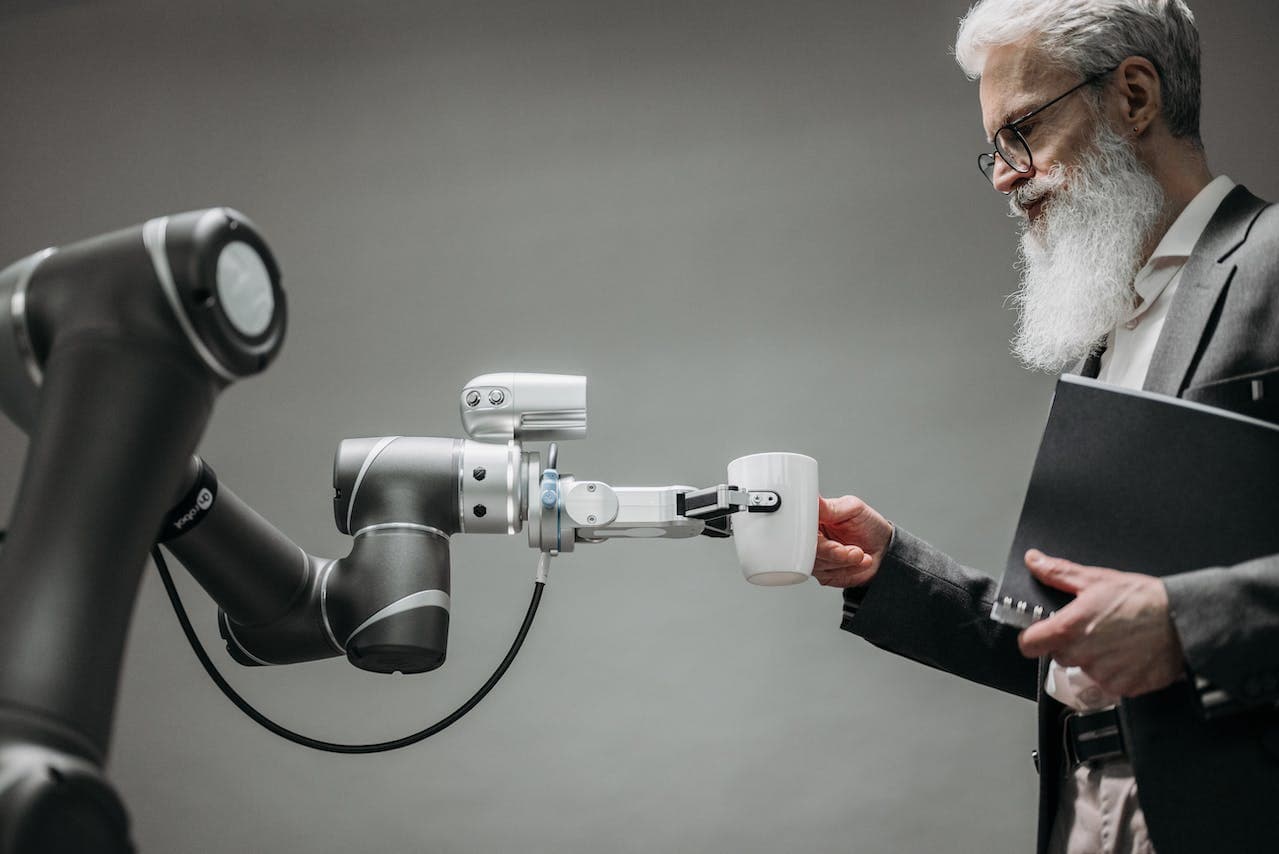
In the fast-evolving world of eldercare, robots are stepping into the spotlight, transforming the way seniors live and thrive in the UK. This article dives into how cutting-edge robotics are enhancing independence and daily life for older adults—from handling household chores to monitoring health with precision. It’s not just about flashy gadgets; it’s about real solutions that redefine aging. You’ll uncover how these technological marvels are making a tangible difference and get practical tips on incorporating them into your loved one’s routine. Embrace the future of eldercare with insights on how robots can bring comfort and convenience to the golden years. Ready to see how technology can enrich lives? Let’s explore the possibilities.

Enhancing Social Well-Being with Pepper: The Humanoid Companion
A common challenge in later life is loneliness, exacerbated by losing partners and friends and reduced mobility. Age UK reports that over a million elderly in the UK suffer extended periods of solitude. Pepper, the world's first social humanoid robot, offers a novel solution. Designed for human interaction, Pepper can recognize faces, interpret basic emotions, and engage in conversations. Trials in UK and Japanese care homes show significant improvements in residents' mental health after interacting with Pepper. Additionally, robots like Pepper and Cruzr are now equipped to monitor vital signs, aiding caregivers in providing responsive and tailored care.
Robotic Therapy Pets: A Source of Comfort and Companionship
The pandemic's restrictions heightened isolation among older people, cutting off physical interactions with loved ones. Robotic therapy pets, developed to address this gap, offer tactile and emotional engagement, responding to touch sounds and even mimicking heartbeats. These pets provide stress relief, comfort, and a sense of companionship, paralleling the benefits of real-life therapy animals and companionship care.
Autonomous Feeding Aids: Empowering Independence at Meal Times
Aging can make simple tasks like eating challenging. Robots like the My Spoon from Robotarm are innovating in this space. Designed for those with limited arm and hand mobility, these robots autonomously transport food, enabling individuals to eat independently, reducing stress, and preserving dignity during meals.
Innovative Bathing Solutions: Ensuring Safety and Hygiene
Bathing, essential for hygiene and relaxation, can become daunting with age. Historical innovations like Sanyo's 'Ultrasonic Bath' at the 1970 World Expo paved the way. Modern robotic solutions aim to safely assist older people in and out of bathtubs, providing necessary support without compromising independence.
Mobility Assistance: From Lifting to Movement
Mobility often decreases with age, necessitating assistance in moving and lifting. Robots like Japan's Robear and RIBA (Robot for Interactive Body Assistance) represent groundbreaking strides in this field. These robots are designed to gently lift individuals from beds to wheelchairs, aiding transfers and supporting mobility, thus enhancing the quality of life in care settings.
Fostering Independence with ElliQ: The Interactive Companion
ElliQ stands out as an interactive robot that enhances the autonomy of older adults. It's not just a gadget; it's a companion that brings fun, entertainment, and support in achieving health and wellness goals. ElliQ offers various features, including engaging conversations, music streaming, news updates, cognitive games, and health check-ins. It even facilitates mindfulness exercises and messaging with family. What sets ElliQ apart is its adaptive nature, evolving to align with the user's preferences, ensuring a personalized and authentic experience.
Ease of Cleaning: The Revolutionary Roomba
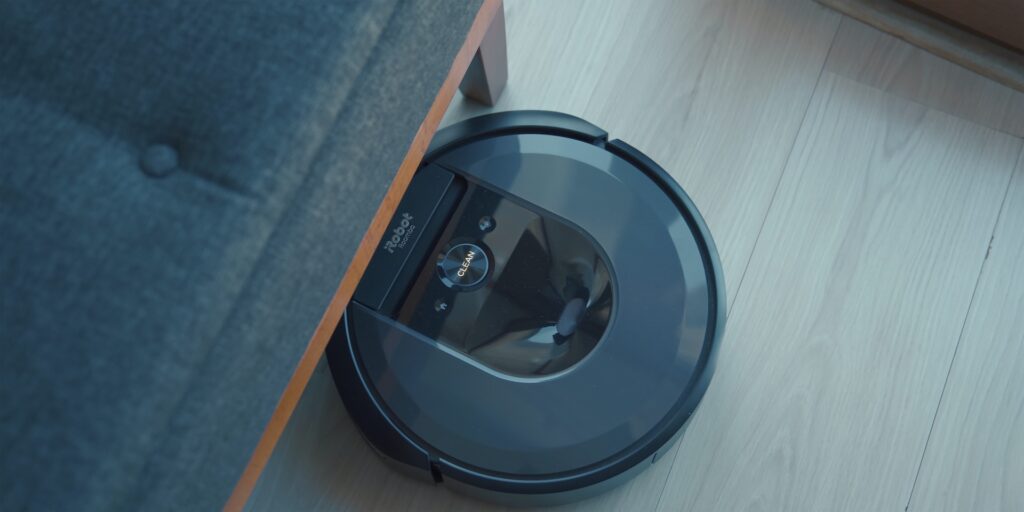
The advent of robotic vacuum cleaners like Roomba has been a game-changer in household maintenance, especially for older people. These devices eliminate the need to handle heavy vacuums and bend over, reducing the risk of back injuries. Equipped with advanced sensors, Roomba navigates homes effortlessly, avoiding obstacles and self-emptying into a self-sealing bag, epitomizing convenience and safety in home cleaning.
Moxi: Pioneering Medical Assistance in Elderly Care
The healthcare sector is witnessing a revolution by introducing medical robots like Moxi. Developed by Andrea Thomaz and Vivian Chu, Moxi is a one-armed robot capable of efficiently delivering medicines, equipment, and patient samples within hospitals. Its ability to create internal maps and execute delivery orders via an app saves clinicians valuable time, enhancing patient care efficiency.
HERB: The Robot Butler Transforming Household Assistance
HERB, short for Home Exploring Robot Butler, is a testament to the advancements in robotic assistance. Originating from Japan's Carebots initiative, HERB is adept at organizing books, loading dishwashers, and fetching items from the fridge. Its sophisticated environmental mapping ensures safe and effective navigation, preventing accidents and efficiently assisting in daily chores.
MediMinder
This is a specialized robotic assistant designed to revolutionize medication management for the elderly. As individuals age, they often face challenges in keeping track of various medications, their timings, and dosages, which can be crucial for their health and well-being. MediMinder addresses this issue head-on.
What Are the Potential Downsides or Criticisms of Using Robots for Elderly Care?
Using robots for elderly care, while innovative and beneficial in many ways, also comes with potential downsides and criticisms. It's important to consider these aspects to have a balanced understanding of the impact of robotic technology in elderly care:
- Lack of Human Touch and Emotional Connection: One of the main criticisms is that robots cannot replace the human touch and emotional connection that is crucial in care. Human caregivers can provide empathy, understand complex emotional needs, and offer comfort that robots cannot replicate.
- Privacy Concerns: The integration of robots into elderly care often involves the collection and processing of personal data, raising privacy concerns. The risk of sensitive health and personal information being misused or inadequately protected.
- Dependence and Reduced Human Interaction: Relying heavily on robots might lead to reduced human interaction, essential for mental and emotional well-being. This could exacerbate feelings of loneliness and isolation among older people.
- Cost and Accessibility: The cost of developing, maintaining, and acquiring robotic technology can be high, making it inaccessible to many, especially lower socio-economic groups. This could lead to disparities in the quality of care received by different segments of the elderly population.
- Technical Issues and Reliability: Robots, like all machines, can have technical failures. Dependence on these technologies can be problematic if they malfunction, especially in critical tasks like medication management or emergency assistance.
- Ethical and Moral Concerns: There are ethical considerations regarding how much care for vulnerable individuals like older people should be automated. Questions arise about dignity, autonomy, and the ethical implications of replacing human caregivers with machines.
- Training and Adaptation: Both older people and their caregivers may require training to use these technologies effectively. Additionally, some elderly individuals may find adapting to or feeling comfortable with robotic assistance challenging.
- Job Displacement: The increasing use of robots in elderly care could lead to job displacement for human caregivers. This raises concerns about the impact on employment in the caregiving sector.
- Over-Reliance and Reduced Skill Use: There's a risk that over-reliance on robots for everyday tasks could lead to a decline in older people's skills and abilities, as they may become less active or engaged in their care.
- Standardization vs. Personalized Care: Robots are typically designed for standard tasks, which may not be tailored to each older adult's individual needs and preferences. Personalized care, a cornerstone of effective elderly care, might be compromised.
Conclusion
In conclusion, integrating robots into elderly care is a fascinating and rapidly evolving field, offering a blend of innovative solutions and challenges. While these technologies promise enhanced independence, safety, and quality of life for our senior population, navigating them with awareness is essential. Remember, the goal is to complement, not replace, the invaluable human element of care. As we embrace this new era, let's stay informed about privacy concerns, ensure equitable access, and balance technological assistance and personal interaction. For those considering robotic solutions for elderly care, I encourage you to explore your options, weigh the benefits against the potential risks, and choose what best aligns with your needs or those of your loved ones. By doing so, we can harness these remarkable advancements to enrich the lives of our elderly, ensuring they receive smart but also compassionate and respectful care. Let this be a journey of empowerment for caregivers and older people as we strive towards a future where technology and human care harmoniously coexist.
Useful Links To Learn More
- NHS Digital: Assistive Technology - Learn about various assistive technologies and their impact on elderly care.
- Age UK: Technology and Ageing - Explore how technology can support older adults in maintaining independence.
- The Guardian: How Robots Can Help the Elderly - An in-depth look at current robotic technologies and their benefits for seniors.
- BBC News: Robots in Elderly Care - Discover how robots are being integrated into elderly care settings in the UK.
- TechCrunch: Robotics for the Elderly - Updates on the latest advancements in robotics tailored for elderly care.
Feature Photo by Pavel Danilyuk from Pexels
Keep reading

20 Amazing Crochet Beginner Ideas
Join the fun with these 20 amazing beginner crochet projects that will inspire your creativity and lead you to endless possibilities!

20 Amazing Crochet Blue Ideas
Join us as we unveil 20 amazing blue crochet projects that will inspire your creativity and elevate your crafting game!

20 Amazing Crochet Black Ideas
Marvel at these 20 amazing black crochet projects that will ignite your creativity and inspire your next crafting adventure! Discover your new favorite today.
Need personal guidance?
Talk to an advisor
Our care experts are here to help you make the right choice — for free.