How To Get A Free Stair Lift - An Expert Guide In 2025!
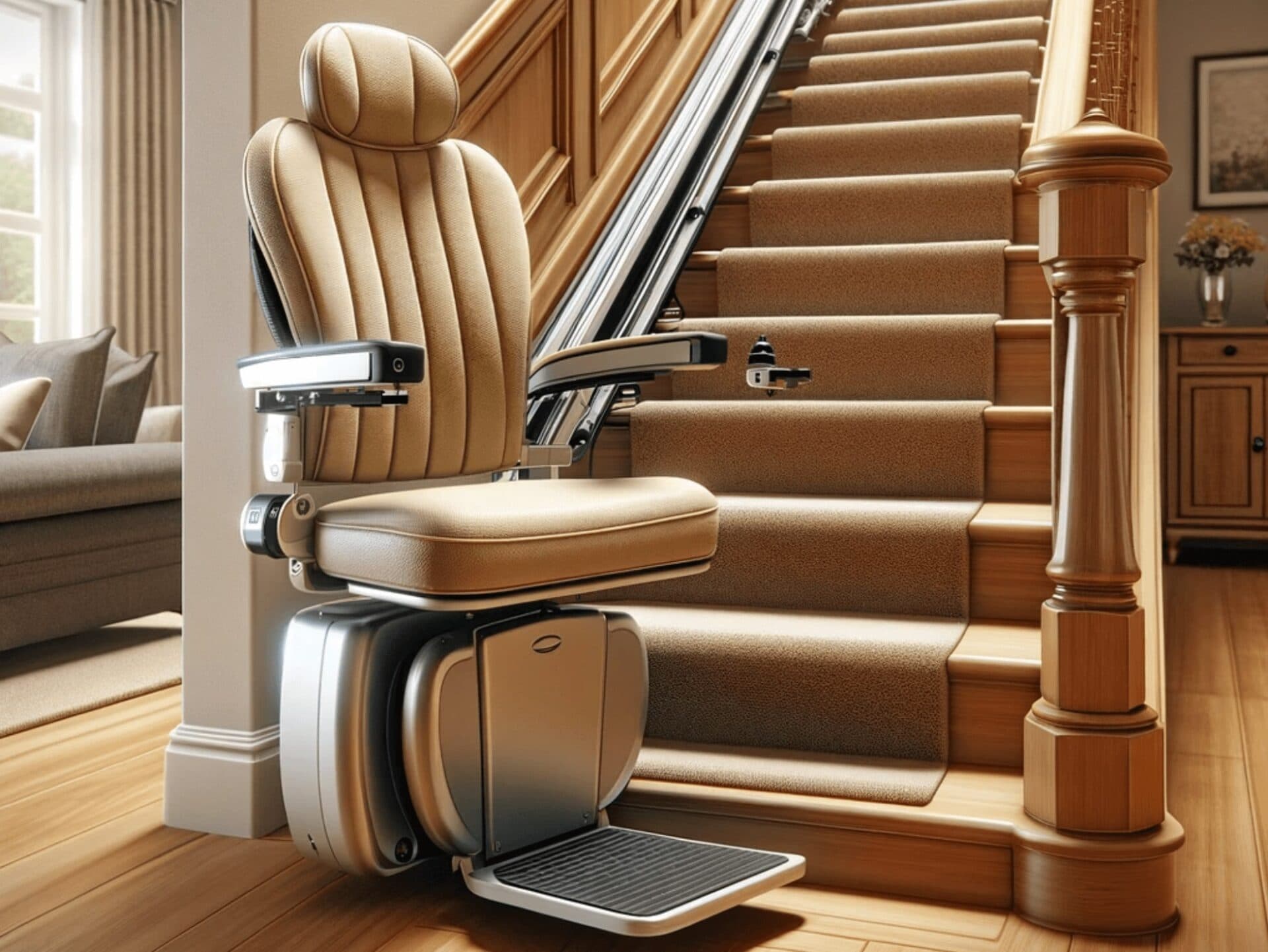
Finding funding for a stairlift doesn’t have to be a hassle. In this article, we break down how you can secure financial support for a stairlift, making the process straightforward and stress-free. You’ll discover the different funding options available, from government grants to alternative sources, and learn how to apply for them. Whether it’s your first time seeking help or you’re looking for additional support, this guide provides all the essentials you need. By the end, you'll be ready to take the next steps towards making your home more accessible and comfortable. Dive in and get the support you need for a smoother, safer home experience.
Understanding Stairlifts
A stair lift is essential for enhancing mobility and independence at home, particularly for those with limited mobility due to age, illness, or disability. It's a mechanical device that safely transports individuals up and down stairs, pivotal in improving their quality of life by allowing continued access to all areas of their homes.
Advantages Of Stairlifts
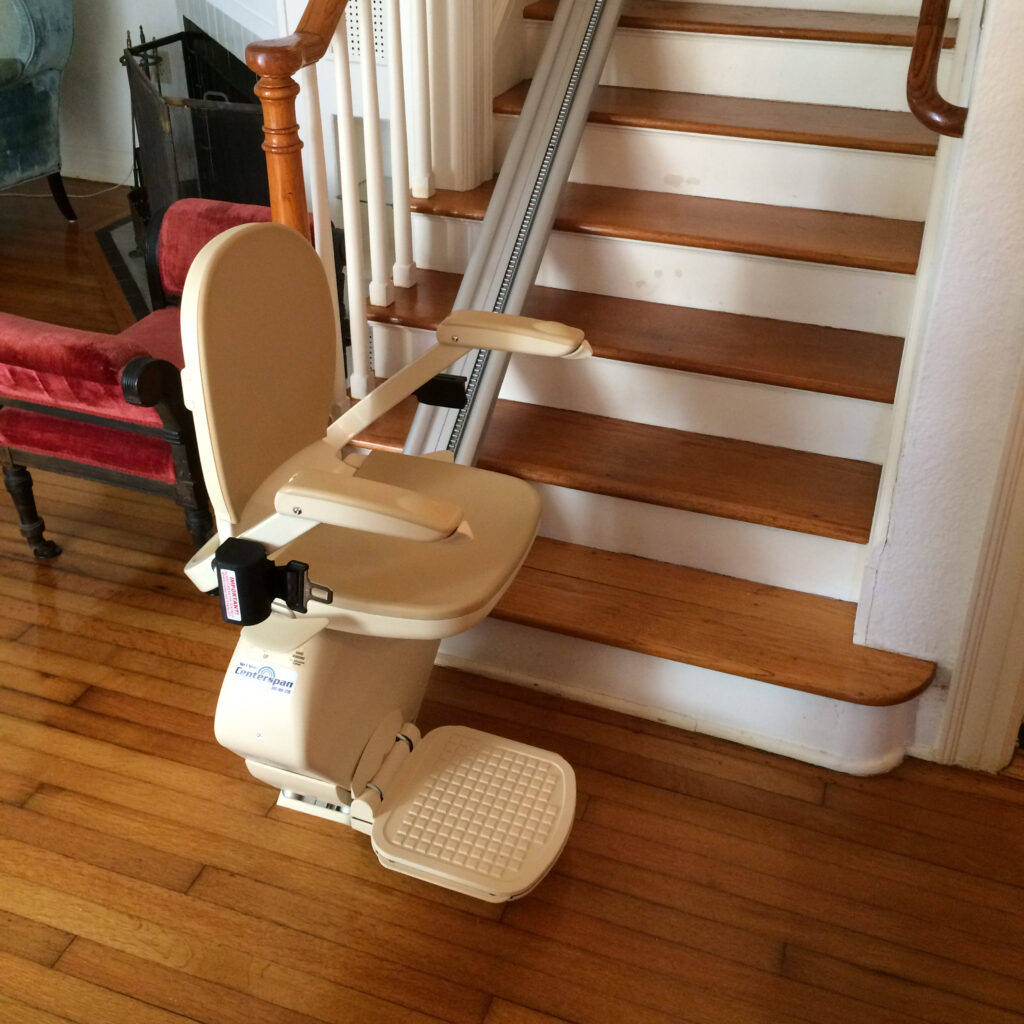
- Enhanced Safety: Reduces the risk of falls and injuries on stairs.
- Increased Independence: Empowers users to move freely around their homes.
- Quality of Life: Improves overall living experience by eliminating physical barriers.
Financial Support For Stairlifts
For those in the UK needing financial assistance, several options are available:
- Government Grants: The Disabled Facilities Grant (DFG) is a primary funding source, depending on household income and savings.
- Charitable Funding: Organizations like the Barchester Healthcare Foundation and ACT Foundation offer grants for mobility aids.
- Local Council Support: May provide additional financial assistance based on individual circumstances.
Navigating The Cost Of Stairlifts
The cost varies based on the stairlift type and installation complexity. Prices in the UK typically range from £2,000 to £6,000. Installation costs can add an additional £500 to £2,500. For cost reduction:
- Consider refurbished or rental stairlifts.
- Apply for financial aid.
- Compare prices from different suppliers.
Applying For Stairlift Grants
Eligibility for grants like the DFG requires:
- Homeownership or tenancy by a disabled individual.
- Proof of physical or mental impairment.
- Demonstrated financial need.
- The application process can take up to six months, requiring medical reports and financial information.
Selecting A Stairlift Provider
When choosing a provider, consider:
- The specific mobility needs the stairlift is addressing.
- Provider's reputation and customer feedback.
- Quality standards, warranties, and post-sales support.
Additional Financial Aid Options
If ineligible for a DFG, explore:
- Local home improvement agency programs.
- Other charities and non-profits are offering support.
Veterans And Armed Forces Support
Specialized funding may be available for veterans or members of the armed forces. Contact related support organizations for information on available programs.

VAT Relief Eligibility
Those with chronic illnesses or disabilities may be exempt from VAT on stairlift purchases. A VAT declaration form, typically provided by the manufacturer, is required to claim this relief.
Choosing The Right Stairlift
Factors to consider include the staircase layout, specific mobility requirements, and desired safety features. Consultation with healthcare professionals can aid in making an informed decision.
Installation Considerations
Generally, stairlift installations don't require planning permission but must comply with building codes and safety standards. Always verify with local authorities, particularly in conservation areas.
By following these guidelines and thoroughly exploring all available resources, individuals can make well-informed decisions about stairlifts, significantly enhancing their living conditions and independence in later life.
What Is The Process For Applying For A Disabled Facilities Grant?
Applying for a Disabled Facilities Grant (DFG) in the United Kingdom involves a structured process. This grant helps fund home modifications for disabled individuals, including installing stairlifts. Here's a step-by-step guide to the application process:
Step 1: Determine Eligibility
Before applying, ensure you meet the eligibility criteria:
- You or someone living in your property is disabled.
- You're a homeowner or a tenant (private or council).
- The proposed modifications are necessary and appropriate for the disabled person's needs.
- The property is suitable for the required adaptations.
Step 2: Contact Your Local Council
Initiate the process by contacting your local council. You can find the contact details for your council on the UK government's website.
Step 3: Needs Assessment
A council-appointed occupational therapist (OT) will visit your home to assess the needs of the disabled person. They will recommend adaptations, such as a stairlift, that would be beneficial.
Step 4: Fill Out an Application Form
If the OT recommends modifications, you must fill out a DFG application form provided by the council. This form requires detailed information about the following:
- The disabled person's needs.
- Your financial situation (as the DFG is means-tested).
- Details of the proposed adaptations.
Step 5: Provide Supporting Documentation
You may be asked to provide supporting documents, such as:
- Proof of identity and address.
- Proof of ownership or tenancy.
- Financial information (income, savings).
- Medical evidence supporting the need for adaptations.
Step 6: Financial Assessment (Means Test)
The council will conduct a means test (except for adaptations for children under 16) to determine if you need to contribute towards the cost of the work.
Step 7: Approval and Grant Allocation
Once the application is reviewed and approved, the council will tell you the amount of grant you will receive. The maximum limit for a DFG in England is £30,000, Wales £36,000, and Northern Ireland £25,000.
Step 8: Undertaking the Work
After grant approval, you can start the work. You may need to get quotes from contractors and have the council approve them. The work should be completed to a satisfactory standard.
Step 9: Payment of the Grant
The payment method varies by council. Some pay the contractor directly, while others reimburse you after you pay the contractor. Ensure you understand your council's specific payment process.
Important Considerations:
- Timeframe: The process from application to completion can take several months.
- Appeal Process: If your application is refused, your council should provide reasons and information on how to appeal.
- Maintenance of Adaptations: Post-installation, equipment maintenance (like a stairlift) is usually the homeowner's responsibility.
Remember, each local council may have slight variations in its process. Getting accurate and up-to-date information from your local council is crucial.
10 Safety Measures To Consider When Installing A Stairlift?
Professional Installation
- Certified Installer: Always use a certified and experienced installer. Proper installation is crucial for safe operation.
- Compliance with Standards: Ensure the installation complies with relevant safety standards and building regulations.
Safety Features Of The Stairlift
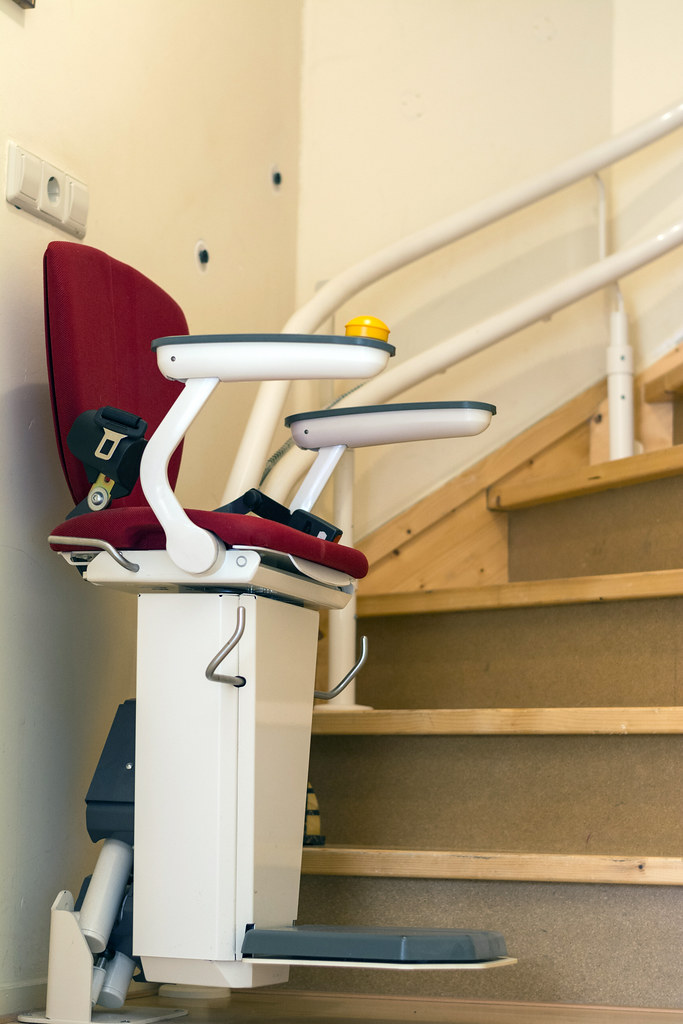
- Seatbelts: Like any mobility aid, stairlifts should be equipped with seatbelts to secure the user during transit.
- Safety Sensors: Stairlifts should have sensors to detect obstacles on the staircase, stopping the lift to prevent collisions.
- Swivel Seat: A swivel seat locks into place when getting on or off, reducing the risk of falls.
- Emergency Stop Button: In case of a problem, the user should be able to stop the lift immediately.
User Training
- Instruction on Use: Ensure the user receives comprehensive instructions on operating the stairlift, including how to use the safety features.
- Practice Runs: Supervised practice runs can help users get comfortable with the stairlift's functions.
Regular Maintenance
- Scheduled Check-ups: Regular maintenance by a professional is vital to ensure the stairlift remains in safe working condition.
- Addressing Issues Promptly: Any operational issues should be addressed immediately to prevent accidents.
Power Backup
- Battery Operation: Consider a stairlift with a battery backup to ensure it operates even during a power outage.
Clear Pathways
- Unobstructed Stairs: Keep the stairway clear of objects that could obstruct the stairlift's path or cause tripping hazards.
Appropriate Weight Capacity
- Weight Limit: Choose a stairlift that comfortably supports the weight of the user to prevent overloading and potential breakdowns.
Child Safety
- Child Locks: If children are home, consider stairlifts with child-proof controls or locks to prevent unsupervised use.
Adequate Lighting
- Staircase Lighting: Ensure the staircase is well-lit to aid visibility on and off the stairlift.
Ergonomic Considerations
- Comfortable Seating: Ensure the seat is ergonomically designed for comfort and support, especially for users with chronic pain or arthritis.
By incorporating these safety measures, you can enhance the safe use of a stairlift, providing peace of mind and increased independence for the user. Regular reviews of these safety aspects and consulting with healthcare professionals or stairlift specialists can further tailor the stairlift experience to individual needs.
Refurbished Vs Rental Stairlifts - The Pros & Cons
Refurbished Stairlifts
- Quality Standards: Reputable suppliers typically refurbish stairlifts to meet high standards. These units are thoroughly inspected, repaired, and tested to ensure they function like new.
- Warranty: Many suppliers offer warranties on refurbished stairlifts, providing assurance about their reliability and performance.
- Previous Usage: The condition often depends on the age and the extent of use by the previous owner. Generally, stairlifts designed for durability have a longer lifespan, even when refurbished.
- Maintenance History: A well-maintained stairlift likely retains more of its original quality and reliability.
Rental Stairlifts
- Short-Term Use: Rental stairlifts are ideal for short-term needs, such as recovery from surgery. These units are typically well-maintained and in good working condition.
- Regular Maintenance: Rental companies usually conduct regular maintenance and servicing to ensure the safety and functionality of the stairlift.
- Model Availability: Renting may limit your choices to more commonly used models, which are generally robust and reliable.
General Considerations
- Safety Compliance: Both refurbished and rental stairlifts should comply with current safety standards.
- Installation and Removal: Professional installation and removal are crucial, especially for rentals, to ensure the stairlift doesn't damage your property.
- Customization: While refurbished and rental options might offer a different level of customization than a new purchase, reputable suppliers will work to match your specific needs as closely as possible.
- Supplier Reputation: Choose a reputable supplier known for quality service. This choice can significantly impact the quality and reliability of the stairlift you receive.
Conclusion
In conclusion, whether you're considering a stairlift for yourself or a loved one, it's a decision that can significantly enhance your quality of life and independence. Remember, choosing the right stairlift involves assessing your needs, understanding the options available—new, refurbished, or rental—and ensuring the unit comes with essential safety features. While there are risks, such as potential installation issues or maintenance concerns, these can be effectively managed by selecting a reputable supplier and staying informed about your stairlift's care and usage. Financial assistance, like the Disabled Facilities Grant and other funding options, are available to make stairlifts more accessible. I encourage you to view this as a positive step towards greater mobility and comfort in your home. Empowered with the right information and support, you're well on your way to making a choice that can transform everyday life, bringing ease and safety back into your living environment.
Useful Links To Learn More
- Age UK: Stairlifts and Funding - Offers guidance on funding options and support for stairlifts.
- Disabled Living Foundation: Stairlifts - Provides detailed information about stairlifts and how to apply for financial help.
- NHS: Financial Help for Home Improvements - Outlines various types of financial assistance for home improvements, including stairlifts.
- Local Authority Funding for Disabled Facilities - Information on grants available for disabled facilities, including stairlifts, from your local council.
- Turn2us: Help with Home Adaptations - Provides resources on how to find financial support for home adaptations like stairlifts.
Feature Image Photo By Kheiz - Expl'Auvergnat on Openverse
Keep reading

20 Amazing Crochet Beginner Ideas
Join the fun with these 20 amazing beginner crochet projects that will inspire your creativity and lead you to endless possibilities!
20 Amazing Crochet Blue Ideas
Join us as we unveil 20 amazing blue crochet projects that will inspire your creativity and elevate your crafting game!
20 Amazing Crochet Black Ideas
Marvel at these 20 amazing black crochet projects that will ignite your creativity and inspire your next crafting adventure! Discover your new favorite today.
Need personal guidance?
Talk to an advisor
Our care experts are here to help you make the right choice — for free.