10 Best Retirement Speech Tips, Tricks & Examples In 2025

Retirement is a significant life milestone, and finding the right words to mark the occasion can make all the difference. In this article, we'll explore how to craft a heartfelt and memorable retirement speech or poem that captures the essence of this transition. Whether you're looking to celebrate your own journey or honor someone else's, you'll find practical tips on crafting speeches that resonate with sincerity and warmth, along with ideas for poems that can be engraved or shared in a card. By the end, you'll have all the tools you need to deliver a tribute that reflects both the achievements of the past and the possibilities of the future.

Guidance On Crafting Your Retirement Speech
Retirement marks a pivotal chapter in life, and delivering a speech during this transition can be memorable. Whether addressing colleagues at a farewell gathering or speaking at a formal event, this guide will help you craft a speech that resonates with your audience and honors your career journey.
Types Of Retirement Speeches
- The Grateful Retirement Speech: This Speech is a tribute to the people who have been integral to your career—colleagues, family, and friends. It's an opportunity to express gratitude for the support and camaraderie experienced over the years.
- The Serious Retirement Speech: Suited for more formal or traditional work environments, this Speech reflects your career with sincerity and thoughtfulness. It's important to ensure the Speech remains heartfelt and engaging.
- The Humorous Retirement Speech: Ideal for those looking to leave on a light-hearted note, this Speech infuses humor while celebrating the journey. It's crucial to balance wit with respect, ensuring the humor is appropriate and inclusive.
Creating A Retirement Speech For An Employee

As a leader, acknowledging a retiring employee's contribution is crucial. Tailor the Speech to reflect their personality and impact on the organization, whether it involves humor, seriousness, or a blend of both.
Retirement Speech Etiquette
- Stay Positive: Focus on the positives of your experience, avoiding any negative or contentious topics.
- Time the Speech Appropriately: The length should align with the event's context—a few minutes for a meeting and up to 10 minutes for a formal celebration.
- Read the Room: Ensure your Speech resonates with the diverse audience, acknowledging long-standing colleagues and newer team members.
- Express Gratitude: Recognize everyone who contributed to your career, including external mentors and family.
Getting Help: Don't hesitate to seek feedback on your Speech, incorporating different perspectives while staying true to your message.
Delivery Tips For A Retirement Speech
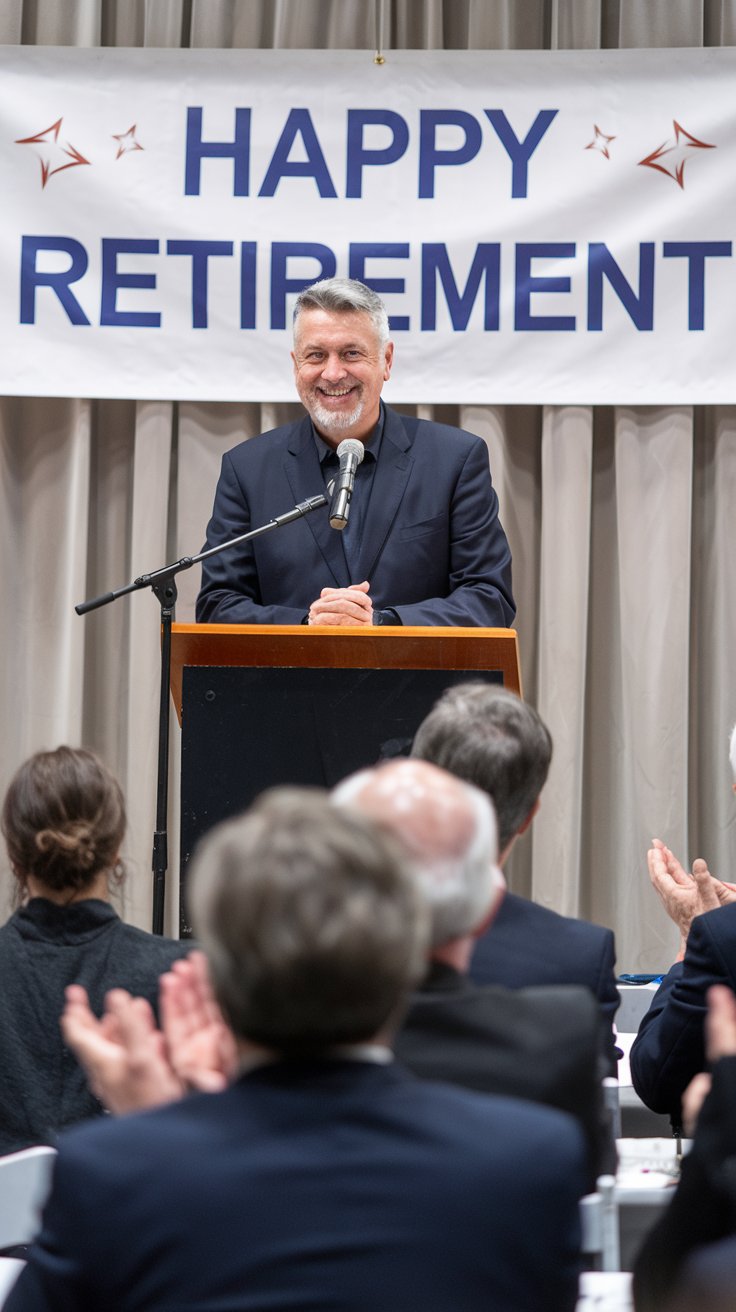
- Appearance Matters: Dress appropriately to boost confidence and leave a lasting impression.
- Practice Makes Perfect: Familiarize yourself with your Speech to avoid being caught off-guard by emotions.
- Stay Calm: Use deep breathing techniques to manage nervousness and keep water nearby to stay hydrated.
- Focus Point: Choose a focal point in the room to maintain composure, especially if emotional moments arise.
- Embrace the Moment: Remember, the Speech is a brief yet significant part of your retirement. Enjoy reflecting on your accomplishments and the journey ahead.
This rewritten guide provides a structured approach to creating and delivering a retirement speech, catering to different personalities and workplace cultures. The added insights and focus on delivery techniques ensure the Speech honors the retiree's journey and leaves a positive and lasting impact on the audience.
What Are Some Of The Common Themes In Retirement Poems?
Retirement poems often touch on themes reflecting the significant transition from working to retirement. These themes resonate with this important life stage's emotions, experiences, and future expectations. Common themes in retirement poems include:
- Celebration of Achievements: Acknowledging the retiree's professional accomplishments, years of hard work, dedication, and the contributions they have made to their field or workplace.
- Reflection and Nostalgia: Looking back on the experiences, challenges, and triumphs of one's career. This can include fond memories with colleagues, notable projects, or personal growth achieved through work.
- New Beginnings and Adventures: Emphasizing the start of a new chapter in life. Poems often convey excitement for the future and the opportunities that retirement brings, such as travel, hobbies, or spending more time with family and friends.
- Gratitude and Farewell: Thanks to colleagues, mentors, and the organization. It's also about saying goodbye to the daily routine and the familiar workplace environment.
- Freedom and Leisure: Celebrating the newfound freedom and time that retirement offers. This theme often highlights the joy of having more time to pursue personal interests, relax, and enjoy life without the constraints of a work schedule.
- Wisdom and Insight: Sharing wisdom and lessons learned over the years. These poems can serve as a source of inspiration and guidance for those still in the workforce.
- Change and Transition: Discuss the changes that retirement brings in terms of lifestyle and personal identity. This can include adapting to a new routine and finding new ways to find purpose and fulfillment.
- Humor and Light-Heartedness: Using humor to approach the concept of aging and retirement. These poems might playfully tease about getting older or joke about stereotypes of retirees.
- Legacy and Continuity: Reflecting on the legacy left behind and the impact of one's work that continues beyond retirement. This can include mentoring younger colleagues or contributing to significant projects or innovations.
- Friendship and Community: Recognizing the relationships built over years of working together and the importance of maintaining these connections in retirement.
Retirement poems are a beautiful way to encapsulate the mixed emotions and experiences associated with ending a career and beginning a new phase of life. They allow the retiree and their colleagues to reflect, celebrate, and look forward to the future.
How Long Should A Retirement Speech Be?

The length of a retirement speech can vary depending on the context and the audience. Still, as a general guideline, it should be concise yet substantial enough to convey your message effectively. Here are some key points to consider:
- Event Type and Setting: The nature of the event plays a significant role in determining the length of your Speech. You might have more time to speak for a formal retirement ceremony or dinner (around 5 to 10 minutes). However, for a speech during a regular workday event or a brief gathering, it's best to keep it shorter (about 3 to 5 minutes).
- Audience Attention Span: It's important to consider the attention span of your audience. A speech that is too long may lose the audience's interest, while one that is too short might not fully convey your appreciation and reflections. Striking the right balance is key.
- Content Coverage: Your Speech should be long enough to cover essential points like expressing gratitude, sharing memorable experiences, and acknowledging key individuals without becoming repetitive or overly detailed.
- Event Schedule: Often, retirement speeches are part of a larger event with multiple speakers or activities. Be mindful of the overall schedule and the time allotted for your Speech. If you need more clarification, asking the event organizer for guidance is appropriate.
- Personal Comfort: Consider your comfort level with public speaking. If you're more at ease with brief remarks, delivering a shorter, well-prepared speech is better than stretching it out.
Generally, aiming for a speech duration of about 5 minutes is a good middle ground. This length allows you to thoughtfully express your feelings, share a few meaningful anecdotes, and thank the relevant parties while keeping the audience engaged. Remember, the quality and sincerity of your Speech are more important than its length.
What Should One Wear When Delivering A Retirement Speech?
The attire for delivering a retirement speech should be chosen based on the formality of the event, the workplace culture, and the speaker's personal style. Here are some general guidelines:
Consider The Event's Formality:
- Formal Events: Opt for formal or semi-formal business attire for a formal retirement ceremony or dinner. Men might wear suits and ties, while women could choose a business-style dress or a suit.
- Casual Gatherings: Business casual attire is typically appropriate if the event is more casual, like a small office party or a gathering in a less formal setting. This could include slacks, a dress shirt for men, and a skirt or trousers with a blouse for women.
Workplace Culture:
- Conservative Environments: In more traditional or conservative workplaces, stick to classic and professional clothing choices.
- Creative or Relaxed Settings: If the workplace has a more relaxed or creative vibe, you might have more flexibility in your clothing choice, potentially opting for something that shows more of your style.
- Comfort and Confidence: Choose an outfit that makes you feel comfortable and confident. Remember, you'll be the center of attention, so wearing something that makes you feel good can help your delivery.
- Appropriateness for the Audience: Be mindful of your audience. You want to convey respect for the occasion and those attending, so avoid anything too casual or flashy.
- Weather and Location: Consider the weather and the location of the event. Outdoor events may require lighter fabrics or additional layers depending on the season.
- Accessories: Keep accessories simple and professional. They should complement your outfit without becoming a distraction.
- Grooming: Ensure that your grooming is neat and tidy. This includes hair, nails, and any facial hair.
- Cultural and Organizational Norms: If specific cultural or organizational dress codes or norms exist, be sure to adhere to them.
In summary, aim for attire that reflects the event's tone, aligns with the workplace culture, and, most importantly, makes you feel comfortable and self-assured while speaking.
Conclusion
In conclusion, crafting and delivering a retirement speech is a unique opportunity to reflect on your career journey, express gratitude, and look forward to new adventures. Remember, the essence of a great retirement speech lies in its sincerity and personal touch. While keeping it concise and relevant to your audience, share heartfelt experiences and acknowledge those who've been part of your professional life. Dress to reflect the occasion's significance and your personal style, ensuring comfort and confidence as you speak. As you approach this milestone, embrace the moment with positivity and a sense of accomplishment. This Speech is not just a farewell to your working years but a celebration of achievements and exciting possibilities. Let it be an inspiring and memorable part of your transition into retirement, leaving you and your audience feeling uplifted and optimistic about the future.
Useful Links To Learn More
- Great Speech Writing - Retirement Speech Help - Professional advice and support for crafting the perfect retirement speech.
- Toastmasters - Retirement Speech Tips - Practical tips from Toastmasters to help you deliver a confident and impactful retirement speech.
Feature Image Photo By Andrea Piacquadio on Pexels
Keep reading

20 Amazing Crochet Beginner Ideas
Join the fun with these 20 amazing beginner crochet projects that will inspire your creativity and lead you to endless possibilities!

20 Amazing Crochet Blue Ideas
Join us as we unveil 20 amazing blue crochet projects that will inspire your creativity and elevate your crafting game!

20 Amazing Crochet Black Ideas
Marvel at these 20 amazing black crochet projects that will ignite your creativity and inspire your next crafting adventure! Discover your new favorite today.
Need personal guidance?
Talk to an advisor
Our care experts are here to help you make the right choice — for free.