10 Best Healthy Breakfast Ideas for the Elderly In 2025!

Starting your day with a healthy breakfast is key to embracing a vibrant lifestyle, especially in your golden years. This guide dives into a range of breakfast options that not only satisfy your taste buds but also meet the unique nutritional needs of older adults. Whether you prefer the simplicity of tea and grapefruit or the hearty comfort of a full English breakfast, you'll find ideas that blend flavor with the essential nutrients required for aging well.
But this isn't just about what to eat—it's about adapting your diet to support your health as you age. Throughout this article, you'll discover tips and recommendations that make it easy to maintain the joy of eating while ensuring you're getting the nutrients your body needs. Ready to transform your mornings with meals that are both nourishing and enjoyable? Let’s get started…

.
Ensuring Proper Nutrition in Different Living Situations
Those in care homes are expected to receive nutritious, balanced meals regularly, along with healthy snacks. For seniors living independently, crafting suitable breakfast options becomes important. Here are some breakfast recipes that cater to these nutritional needs.
Oatmeal with Berries
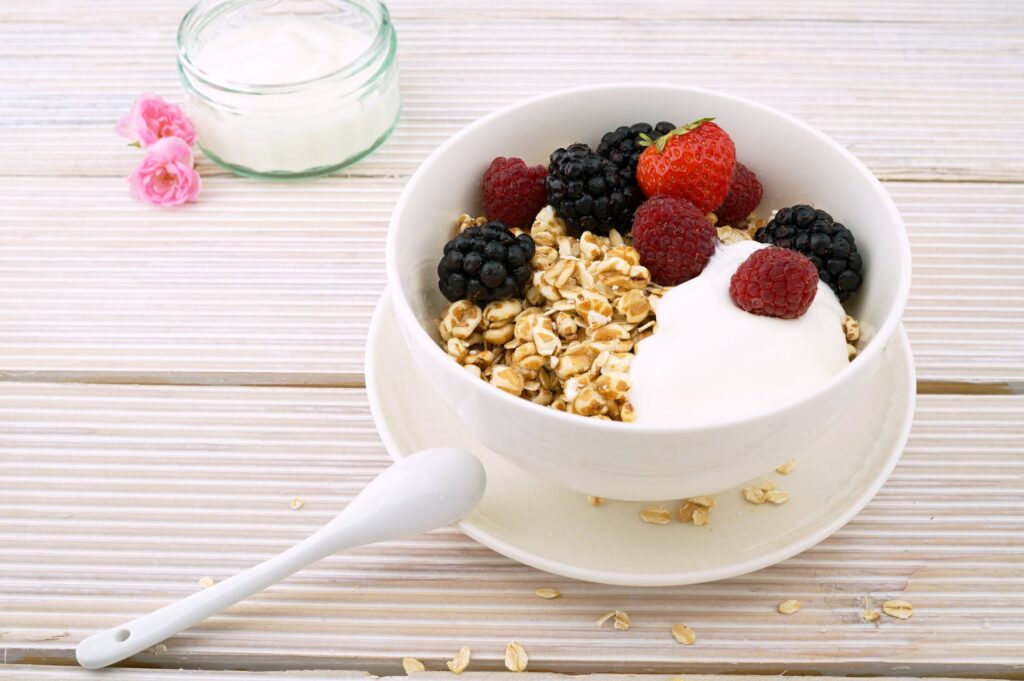
Oatmeal is a fantastic choice at any time of the year. It's a high-fiber, slow-releasing carbohydrate, offering sustained energy throughout the morning. Adding berries not only enhances the flavor but also introduces antioxidants. Experiment with different types of milk, like dairy or oat milk, and for a twist, try overnight oats for a ready-to-eat morning treat.
Weetabix Cereal
A popular choice, Weetabix is low in fat and sugar but high in fiber and fortified with vitamins and minerals. Enjoy it with milk, yogurt, and fruit, or explore various flavors like chocolate and banana for a delightful twist.
Versatile Eggs
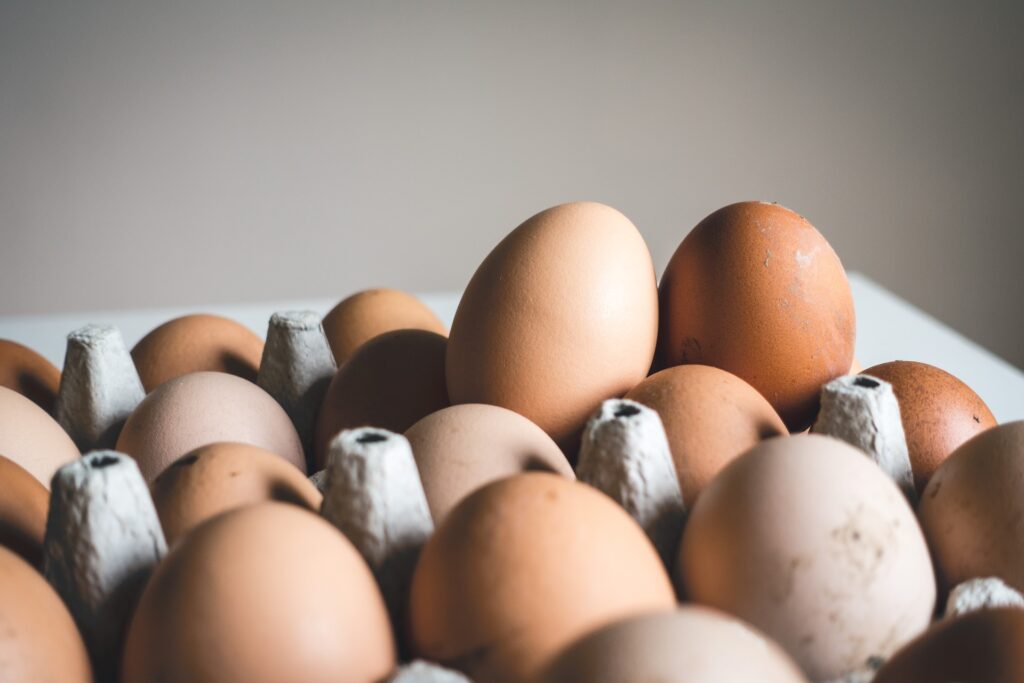
Eggs, packed with 13 grams of protein, are incredibly versatile. Enjoy them poached, boiled, scrambled, or as an omelet. For those not fond of eggs, alternatives like peanut butter or almond butter on wholegrain toast provide a protein-rich start with healthy fats.
Yoghurt, Fruit, and Granola

This combination offers healthy fats, vitamin C, and carbohydrates. Try Greek yogurt with bananas and nuts or a vegan option with coconut yogurt and tropical fruits. Be mindful of the sugar content in granola. Alternatively, a fruit plate with melon, grapes, and grapefruit is a wonderful choice for those who prefer a lighter option.
Healthy Pancakes

Pancakes can be both fun and healthy. Use wholemeal or wholegrain flour, and top with berries, low-fat yogurt, and a dash of pure maple syrup. For a creative twist, banana pancakes made with ripe bananas, oats, cinnamon, and vanilla extract are delightful.
Smoothies and Juices

For those who prefer a lighter breakfast, smoothies are an excellent choice. They're versatile, allowing for a mix of fruits and vegetables like kiwi, cucumber, spinach, grapes, and berries. Smoothies are rich in vitamins and antioxidants and a great option for those who may have difficulty chewing. Alternatively, a glass of fresh fruit juice, like orange juice, rich in vitamin C, is another gentle yet nutritious way to start the day.
Tofu Scramble

Tofu scramble is a wonderful alternative for vegans or those who don't prefer eggs. High in protein and antioxidants, tofu is believed to offer health benefits such as alleviating menopause symptoms. Tofu scramble can be combined with cheese or vegetables for a hearty and healthy toast topping with a texture akin to scrambled eggs and less cholesterol.
Avocado Toast
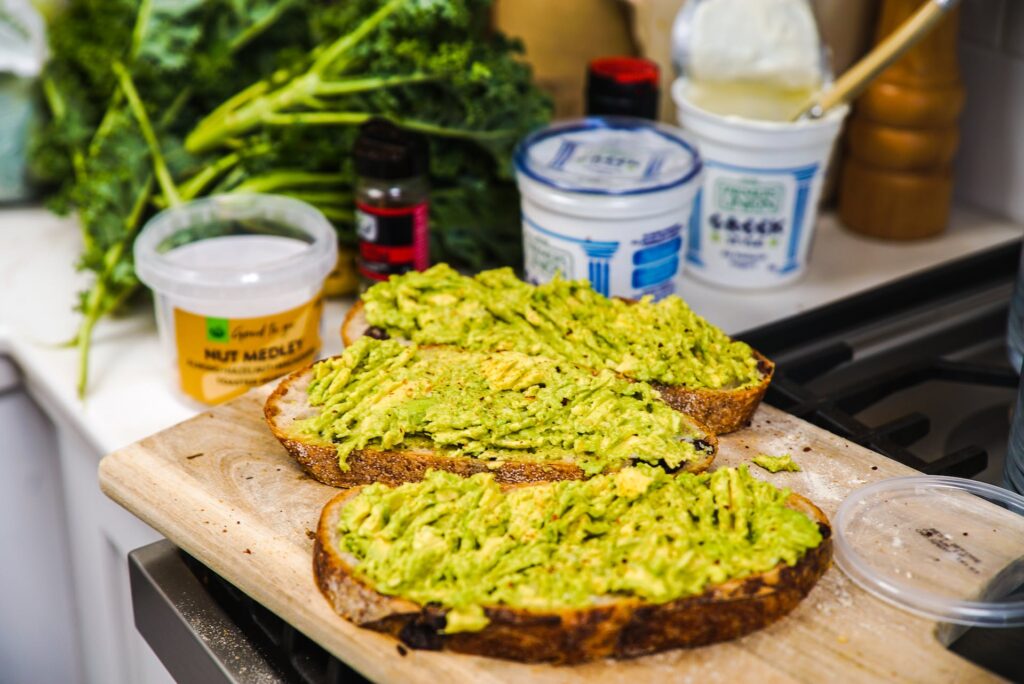
Avocado toast isn't just for the younger crowd; it's also a fantastic option for seniors. Avocados are soft, creamy, and full of healthy fats, making them an ideal spread for toast or muffins. Mash a ripe avocado on multigrain toast for a breakfast that is both high in fiber and deliciously satisfying.
English Muffins

English muffins are a delicious and versatile breakfast staple. Try them with savory toppings like roasted tomatoes and spinach, or for a protein boost, spread them with hummus. For sweet tooth lovers, English muffins with butter and your favorite jam or marmalade offer a delightful morning treat.
Understanding Changes in Appetite
Our appetites often diminish as we age, partly due to decreased physical activity. A reduction also influences this change in our sense of taste and smell, which are pivotal in our enjoyment of food. Consequently, many older individuals express a loss of excitement in eating, impacting their overall quality of life.
Adjusting to New Dietary Needs
In later life, specific health conditions like high cholesterol or diabetes may necessitate specialized diets. Additionally, certain medications can lead to reduced appetite and nausea, further complicating food intake.
Navigating Daily Challenges
Simple tasks like grocery shopping, storing food, and cooking can become arduous for older people, leading to suboptimal eating habits. Services like home care and meal delivery play a crucial role in addressing these challenges.
Dealing with Dental Health Issues
Deteriorating dental health is a common concern among older adults, making it difficult to chew tougher foods. This often leads to a preference for softer diets. In the UK, individuals over 60 may have access to free dental treatments to help manage these issues.
If you're concerned about an elderly family member's diet, particularly if they live alone, understanding these challenges is the first step in helping them maintain a healthy diet.
Nutritional Essentials for Seniors

Importance of a Balanced Diet
Maintaining a balanced diet is vital in later years. Breakfast, though not universally favored, is an excellent opportunity for seniors to align with their daily nutritional goals. A balanced diet should include carbohydrates, proteins, and a variety of colorful fruits and vegetables.
Foods Beneficial for Age-Related Conditions
Incorporating foods like fish and nuts, rich in omega-3 fatty acids, can combat inflammation, support vision, and potentially reduce Alzheimer's risk. Fiber-rich foods like whole grains, fruits, vegetables, and nuts are crucial for digestive health. Leafy greens and vegetables, high in calcium, are essential for bone strength and blood pressure regulation
What Other Challenges Might Seniors Face When Maintaining a Healthy Diet?
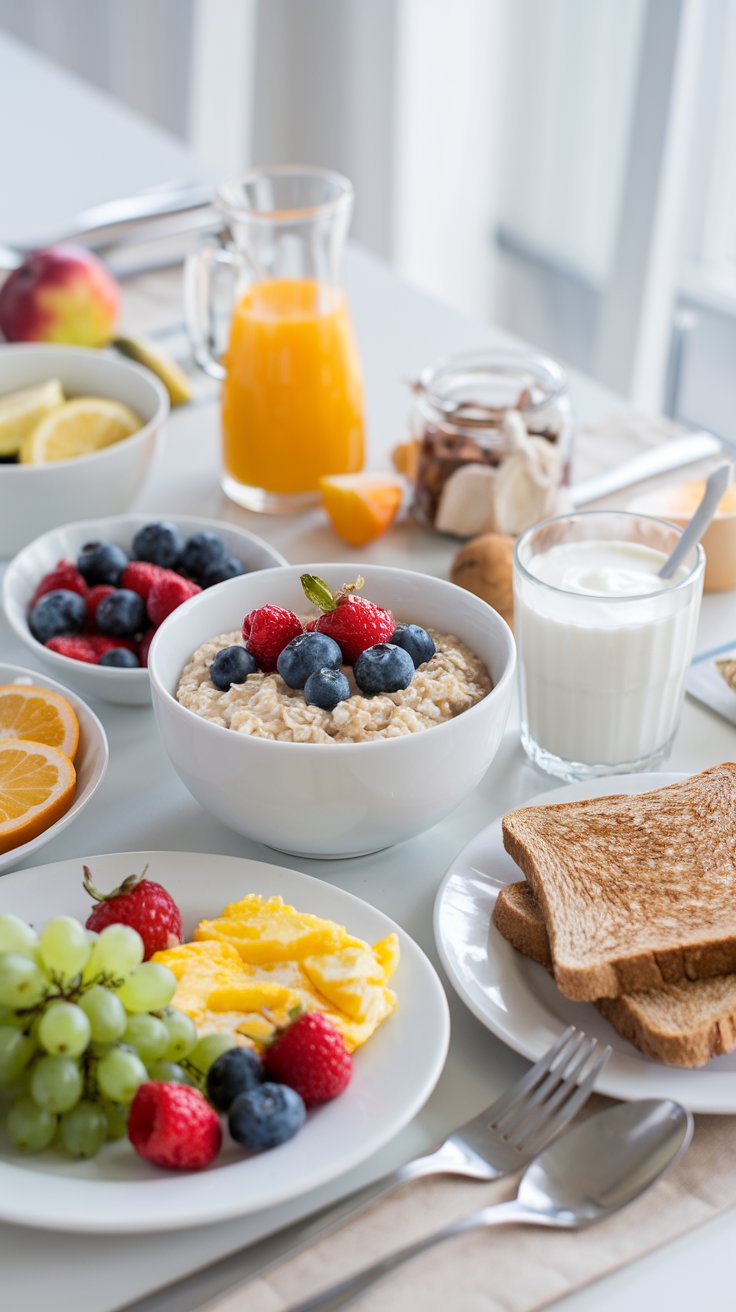
Seniors often face several unique challenges when trying to maintain a healthy diet. Understanding these obstacles is crucial for supporting their nutritional needs and overall well-being:
- Diminished Appetite and Altered Taste Buds: As people age, their appetite often decreases due to a reduced metabolic rate and changes in their sense of taste and smell. This can make food less appealing and lead to inadequate nutrient intake.
- Mobility and Accessibility Issues: Physical limitations or mobility issues can make it difficult for seniors to shop for groceries, cook, or even access food. This can result in reliance on prepackaged foods, which may need to be more nutritious.
- Dental Problems and Chewing Difficulties: Dental health issues, including tooth loss or ill-fitting dentures, can make it challenging to chew certain foods, limiting the variety of foods they can comfortably eat.
- Digestive and Metabolic Changes: As the digestive system slows with age, seniors may experience constipation or have trouble metabolizing certain nutrients, which can affect their dietary choices and needs.
- Medication Interactions and Side Effects: Certain medications can alter taste, reduce appetite, or interact with specific nutrients, making it challenging to maintain a balanced diet.
- Cognitive Decline: Issues like memory loss or dementia can lead to forgotten meals, difficulty in meal preparation, or an inability to maintain a balanced diet.
- Social and Emotional Factors: Loneliness, depression, or the loss of a partner can significantly affect a senior's motivation to prepare and consume regular, healthy meals.
- Financial Constraints: Limited income can make it difficult for seniors to afford high-quality, nutrient-rich foods, especially fresh produce and lean protein sources.
Addressing these challenges often requires a multifaceted approach, including medical support, social services, and the involvement of family and caregivers. It's essential to create an environment and support system that makes it easier for seniors to access nutritious foods and enjoy meals.
What Other Types of Meals Can Be Prepared That Cater to the Nutritional Needs of Seniors Besides Breakfast?
Catering to the nutritional needs of seniors goes beyond just breakfast. It's important to consider meals throughout the day that are nutritious, appealing, and easy to prepare. Here are some meal ideas for lunch, dinner, and snacks that cater to the dietary requirements of older adults:
Lunch Options
- Soups and Stews: Nutrient-rich and easy to consume, soups and stews can be packed with vegetables, lean meats, or legumes. They are especially beneficial for those with chewing difficulties.
- Salads with Protein: Salads with leafy greens, topped with grilled chicken, tuna, or boiled eggs, balance vitamins, minerals, and protein.
- Sandwiches or Wraps: Whole grain bread or tortillas filled with lean meats, cheese, and vegetables offer a balanced meal that's easy to make and eat.
- Quiches or Frittatas: These egg-based dishes can be filled with various vegetables and cheese, offering a good protein source along with other nutrients.
Dinner Ideas
- Grilled or Baked Fish: Rich in omega-3 fatty acids, fish like salmon or mackerel can be served with steamed vegetables and whole grains for a nutritious meal.
- Roasted Chicken with Vegetables: Easy to chew and digest, roasted chicken with a side of vegetables provides essential proteins and nutrients.
- Pasta Dishes: Wholegrain pasta with a light sauce and plenty of vegetables or lean meat can be both delicious and easy to prepare.
- Stir-Fry Dishes: Stir-fried vegetables with tofu, shrimp, or chicken offer a nutrient-packed meal that can be tailored to taste preferences.
Snack Ideas
- Yogurt with Fruit: A great source of calcium and probiotics, yogurt can be paired with fruits for a healthy snack.
- Nuts and Seeds: Offering healthy fats and protein, nuts and seeds are a good snack option, though they should be chosen based on the individual's ability to chew.
- Cheese and Crackers: Cheese provides calcium and protein, and when paired with wholegrain crackers, it becomes a balanced snack.
- Smoothies: A mix of fruits, vegetables, and a protein source like yogurt or protein powder, smoothies are an excellent snack for seniors, especially those with chewing difficulties.
Special Considerations
- Soft and Easy-to-Chew Foods: For those with dental issues, softer foods like mashed potatoes, steamed vegetables, and soft-cooked fish are advisable.
- Low-Sodium Options: Seniors with high blood pressure should opt for low-sodium versions of soups, broths, and other dishes.
- Fiber-Rich Foods: To aid digestion and prevent constipation, include fiber-rich foods like whole grains, fruits, and vegetables.
- Hydration: Ensure adequate fluid intake, whether through water, herbal teas, or soups.
Creating a varied menu that respects each senior's specific health conditions and preferences is key to ensuring they receive both the nutrients they need and the enjoyment they deserve from their meals.

Conclusion
In conclusion, navigating breakfast choices for seniors is both an art and a science. As we age, our nutritional needs and preferences evolve, and it's important to adapt to these changes to maintain health and enjoyment. Our options offer a balance of nutrients, flavors, and textures suitable for various dietary needs and conditions. While variety is key to a nutritious diet, it's equally important to consider individual health conditions, such as diabetes or dental issues, when selecting breakfast foods. Most importantly, breakfast should be a delightful daily experience that seniors look forward to. By incorporating these healthy and tasty options into their morning routine, seniors can start their day with energy, joy, and a sense of well-being. Encourage your loved ones to explore these choices, adapting to suit their tastes and health requirements. Here's to a healthier, happier start to the day!
Useful Links To Learn More
- NHS – Healthy Eating for Older Adults – Offers practical tips and guidelines for maintaining a balanced diet, with a focus on the nutritional needs of older adults.
- Age UK – Nutrition and Hydration – Provides advice on healthy eating and hydration specifically tailored for seniors, including meal ideas and tips for maintaining a nutritious diet.
- British Dietetic Association (BDA) – Food Facts for Older Adults – Detailed information on the nutritional needs of older adults, with recommendations for healthy meal planning.
- BBC Good Food – Healthy Breakfast Recipes – A collection of healthy breakfast recipes that are both nutritious and easy to prepare, suitable for all ages.
- Nutritionist Resource – Diet and Nutrition Advice for Seniors – Expert advice on dietary needs and how to ensure seniors get the right balance of nutrients for a healthy lifestyle.
Feature image @Unsplash
Keep reading

20 Amazing Crochet Beginner Ideas
Join the fun with these 20 amazing beginner crochet projects that will inspire your creativity and lead you to endless possibilities!

20 Amazing Crochet Blue Ideas
Join us as we unveil 20 amazing blue crochet projects that will inspire your creativity and elevate your crafting game!

20 Amazing Crochet Black Ideas
Marvel at these 20 amazing black crochet projects that will ignite your creativity and inspire your next crafting adventure! Discover your new favorite today.
Need personal guidance?
Talk to an advisor
Our care experts are here to help you make the right choice — for free.