Is Council Tax A Utility Bill - An Expert Guide For 2025!
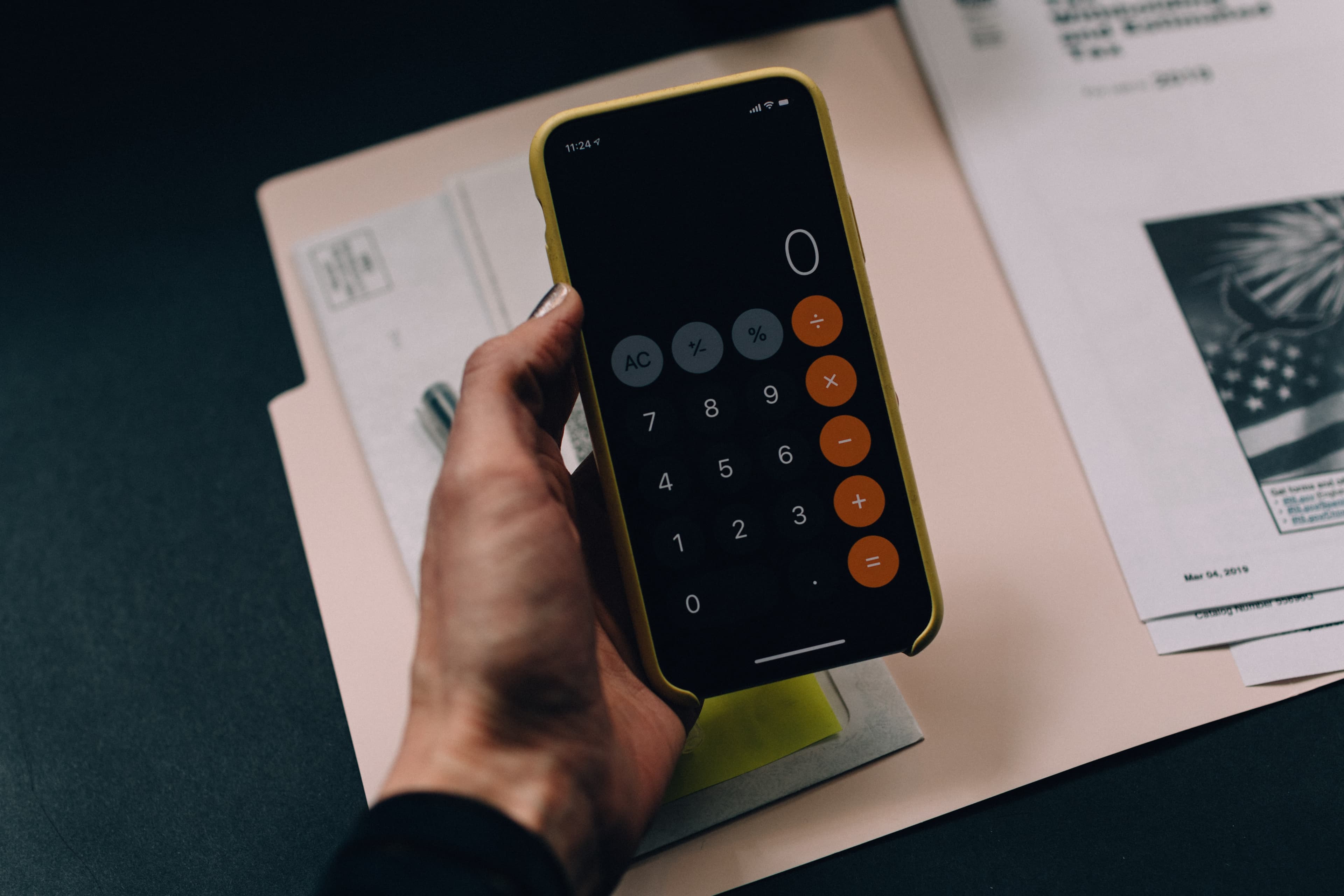
Understanding Council Tax is essential for managing your household budget effectively. Unlike typical utility bills, which fluctuate based on usage, Council Tax is based on your property's value and location, funding vital local services like schools, roads, and emergency services. It’s often misunderstood but plays a key role in supporting your community.
In this article, you'll get a clear breakdown of what Council Tax covers, how it differs from utilities, and explore ways to manage your payments. You’ll also discover potential discounts, such as for single occupants or those in certain circumstances, helping you navigate the system more smoothly. By the end, you'll have the tools and insights to manage your payments confidently, while ensuring you’re taking advantage of any cost-saving opportunities available.
Understanding Utility Bills - What Are They?
Utility bills are invoices from providers of essential services such as electricity, gas, water, and telecommunications. These bills typically reflect the service consumed, including additional charges like delivery fees and taxes. Payment is often made monthly, with some providers offering discounts for annual prepayment.
Council Tax: What You Need to Know
Council Tax is a local tax in the UK calculated based on your property's value. It funds critical local services like education and law enforcement. Rates vary by location and are updated annually. Payment methods include online, direct debit, or at local facilities like Post Offices.
Student Exemption From Council Tax
Full-time students with no other income sources may be exempt from Council Tax. This exemption is property-specific and does not apply to utility bills. Evidence of student status is required, and it's crucial to check with your local council to confirm eligibility.
Mixed Households: Students And Non-Student Payment Responsibilities
If you live with part-time or non-students, they are liable for Council Tax. The amount depends on property value and the number of occupants. Ensure all liable housemates contribute to avoid bearing the full cost.
Ensuring Council Tax Exemption - The Verification Process
To secure a Council Tax exemption, provide proof of full-time student status to your local council. Changes in circumstances must be promptly reported to ensure continued exemption.
Phone And Broadband Bills - Are They Utility Bills?
Yes, both phone and broadband bills are considered utility bills. They are based on service usage over time and may include additional charges.

TV Licence: Not A Utility Bill
A TV license, required for viewing live broadcasts in the UK, is not classified as a utility bill. Its cost varies based on viewing methods and devices used.
Energy Bills: A Core Utility Bill
Energy bills, covering electricity and gas usage, are fundamental utility bills. These are based on consumption and may include other charges. Discrepancies should be addressed with the provider, who can also offer tips for reducing usage and costs.
Understanding these aspects of household billing is crucial, especially for those in retirement, to ensure efficient management of finances and compliance with local regulations.
ayment plan or guide you toward potential discounts or exemptions you may be eligible for. Ignoring the problem can lead to these escalating consequences, so proactive communication is key.
Are There Any Exemptions For Senior Citizens?
Yes, in the United Kingdom, there are certain circumstances under which senior citizens might be eligible for exemptions or discounts on their Council Tax. However, these are not automatic and depend on specific conditions:
- Single Person Discount: A senior citizen living alone or only with those disregarded for Council Tax purposes (like full-time students or those with severe mental impairments) may be eligible for a 25% discount on their Council Tax.
- Council Tax Support/Reduction Scheme: Many local councils offer Council Tax Support (also known as Council Tax Reduction) for people on a low income, including older people, especially those receiving Pension Credit. The reduction depends on income, savings, and who lives with them.
- Disability Reduction Scheme: If a senior citizen or someone living with them is disabled, they might qualify for the Council Tax Disability Reduction Scheme. This can reduce the Council Tax bill if the home has been adapted to meet the needs of a disabled person.
- Property Exemptions: Sometimes, a property might be exempt from Council Tax. For instance, if a property is left empty because the sole resident has moved to a care home or hospital, it may be exempt.
- Pension Credit: Pensioners receiving the Guarantee Credit part of Pension Credit may get their Council Tax paid in full, depending on their circumstances.
Senior citizens need to checkIt with their local council to see what specific support is available in their area. Councils can have different schemes and rules, so eligibility for discounts or exemptions can vary. Additionally, it's always recommended to seek advice if changes in circumstances could affect Council Tax liability, such as changes in income, residency status, or household composition.
What Is The Penalty For Not Paying Council Tax On Time?
If Council Tax is not paid on time, there are several steps and penalties that local councils in the United Kingdom typically follow:
- First Reminder: If a Council Tax payment is missed, the council will usually send a first reminder, giving you a short period (usually 7 days) to pay the missed installment. You can continue with your regular payment schedule if you pay within this period.
- Second Reminder: A second reminder is issued if another payment is missed after the first reminder. Again, there's a short period to pay the missed installment.
- Final Notice: If a third payment is missed or if you fail to pay by the deadline after a reminder, the council may issue a final notice. This notice typically demands that the remainder of the year's Council Tax be paid in full.
- Court Summons: Failing to comply with these reminders and final notice can lead to the council issuing a court summons. This step incurs additional costs (court fees), which are added to your council tax debt.
- Liability Order: At the court hearing, the council can obtain a Liability Order if you are found liable for the unpaid tax and still haven't paid. This legal document gives the council further powers to collect the debt.
- Further Enforcement Actions: With a Liability Order, the council can take further actions, such as using bailiffs (enforcement agents) to collect the debt, deducting money directly from your wages (Attachment of Earnings Order), or taking money from certain benefits (Attachment of Benefits Order).
- Charges by Enforcement Agents: If bailiffs are involved, they can charge fees for their services, significantly increasing the total amount you owe.
- Additional Legal Action: In extreme cases, non-payment can lead to further legal action, potentially leading to imprisonment. However, this is rare and usually a last resort.
It's important to note that penalties and processes can vary slightly between different local councils. If you're having trouble paying your Council Tax, it's crucial to contact your local council as soon as possible to discuss your situation. Many councils are willing to work with residents to set up payment plans or provide advice on eligibility for discounts or exemptions. Ignoring the problem can lead to these escalating consequences, so proactive communication is essential.
Conclusion
In conclusion, managing your Council Tax effectively is essential to responsible household budgeting. While non-payment risks can escalate into significant legal and financial burdens, remember that your local council is often open to discussion and can provide assistance or payment solutions if you're facing difficulties. It's always better to communicate proactively rather than let the issue spiral. For those eligible, exploring discounts or exemptions, especially in cases of low income, single occupancy, or disability, can ease the financial load. Staying informed, having timely communication, and taking a proactive approach toward your Council Tax obligations prevent unnecessary stress and ensure that you contribute fairly to the invaluable local services that benefit us all. So, take a moment to review your current situation, reach out if you need help, and take comfort in knowing that you're taking positive steps toward financial stability and community support.
Useful Links To Learn More
- UK Government Council Tax Overview – A comprehensive guide to understanding council tax rates, payment options, and exemptions across the UK.
- Citizens Advice: Help with Council Tax – Information on council tax discounts, how to appeal, and what to do if you're struggling with payments.
- MoneyHelper: Understanding Your Bills – Useful advice on how to manage household expenses, including council tax and utility bills.
- StepChange: Council Tax Arrears – Practical help for managing council tax debts and understanding the consequences of falling behind on payments.
- Ofgem: Managing Utility Bills – Advice on how to reduce costs and make sense of your utility bills, along with available financial support options.
Feature Image @Kelly Sikkema via Unsplash
Keep reading

20 Amazing Crochet Beginner Ideas
Join the fun with these 20 amazing beginner crochet projects that will inspire your creativity and lead you to endless possibilities!

20 Amazing Crochet Blue Ideas
Join us as we unveil 20 amazing blue crochet projects that will inspire your creativity and elevate your crafting game!

20 Amazing Crochet Black Ideas
Marvel at these 20 amazing black crochet projects that will ignite your creativity and inspire your next crafting adventure! Discover your new favorite today.
Need personal guidance?
Talk to an advisor
Our care experts are here to help you make the right choice — for free.