Get The Most From Your Wheelchair Battery - An Expert Guide
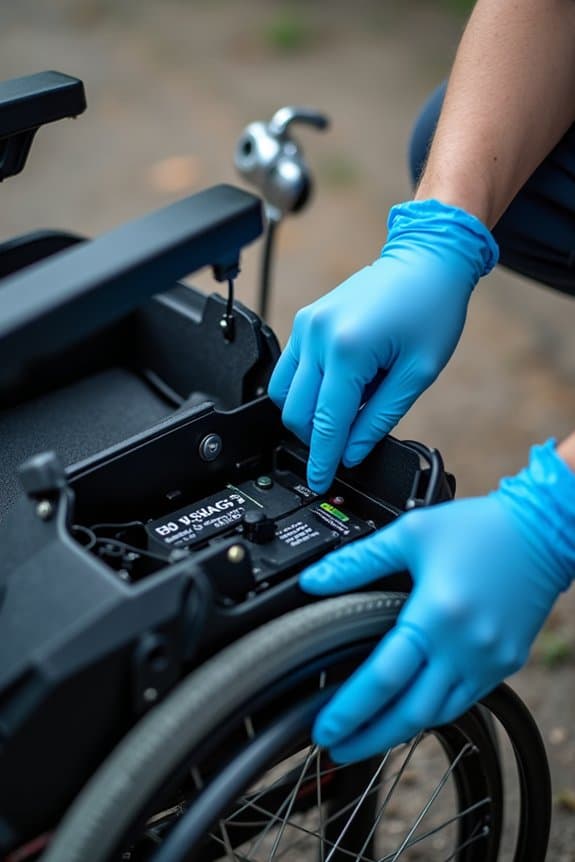
To maximize your wheelchair battery's performance, charge it nightly with the manufacturer's approved charger, even after short trips. Keep your battery clean, dry, and stored at room temperature (50-85°F), away from direct sunlight. Watch for warning signs like longer charging times or sluggish performance, and schedule regular maintenance checks every six months. By following these essential care practices, you'll discover how to maintain reliable mobility and independence for years to come.
Key Takeaways
- Charge your wheelchair battery nightly regardless of usage level to maintain optimal performance and prevent deep discharge damage.
- Store the wheelchair in temperatures between 50-85°F (10-29°C) and away from direct sunlight to preserve battery life.
- Use only the manufacturer-approved charger and ensure it remains plugged in until the full-charge indicator appears.
- Clean the battery weekly with a damp cloth and schedule professional inspections every six months.
- Monitor for warning signs like increased charging time, unusual noises, or decreased performance, and address issues promptly.
Understanding Your Wheelchair Battery Type

Anyone who relies on a power wheelchair knows that understanding your battery type is crucial for maintaining independence and mobility. You'll typically find two main types in power wheelchairs: deep-cycle AGM and Gel batteries. AGM batteries are more common, offering reliable performance and a budget-friendly price point. They're sealed, maintenance-free, and perfect for daily use. Gel batteries, while pricier, provide excellent deep-discharge protection and longer life spans. They're also more resistant to vibration and temperature changes. Check your owner's manual to confirm which type you have, as using the right battery guarantees peak performance. Regular maintenance checks of your battery are essential for ensuring reliable operation and safety while shopping or navigating retail establishments.
Essential Daily Charging Best Practices

Proper daily charging habits can make a world of difference in your wheelchair battery's performance and lifespan. You'll enjoy greater independence and reliability when you follow these proven charging practices, which help protect your investment and keep you moving confidently throughout your day.
- Charge your battery every night, even if it's not completely empty, to maintain ideal power levels and prevent deep discharge
- Keep your charger plugged in until it indicates a full charge, usually shown by a green light
- Use only the manufacturer-approved charger that came with your wheelchair, and store it in a clean, dry place
Just as Building Regulations 2015 sets accessibility standards for properties, following proper battery maintenance ensures reliable access to your daily activities.
Temperature Management and Storage Tips

Your wheelchair battery's performance is closely tied to how well you manage temperature and storage conditions. Keep your battery in a cool, dry place between 50-85°F (10-29°C) to prevent damage and extend its life. Don't store your chair in direct sunlight or extremely cold areas, as these conditions can reduce battery capacity.
When you're not using your wheelchair for extended periods, store it with a full charge in a climate-controlled space. It's important to check on your battery every few weeks, even during storage. You'll want to give it a brief charge to maintain ideal power levels and prevent deep discharge. Following these storage practices can help maintain charging efficiency levels and reduce unnecessary power consumption during use.
Warning Signs of Battery Issues

While good storage practices help prevent problems, being alert to battery warning signs can save you from unexpected issues. You'll want to catch potential problems early to keep your mobility independence and avoid getting stranded. Pay attention to these key indicators that something might be wrong:
- Your battery's charging time has increased considerably, or it's not holding a charge as long as it used to
- You notice unusual sounds, smells, or heat coming from the battery compartment
- Your wheelchair's performance becomes sluggish, especially when climbing inclines, or the power indicator fluctuates unexpectedly
Extending Battery Life Through Proper Maintenance

Regular maintenance routines can dramatically extend your wheelchair battery's lifespan, saving you money and preventing unexpected mobility issues. You'll want to keep your battery clean and dry, wiping it down weekly with a slightly damp cloth to remove dust and debris. Don't forget to check the water levels in lead-acid batteries monthly, and always use distilled water for topping off.
Maintain consistent charging habits by plugging in your chair every night, even after short trips. You'll also benefit from keeping your battery at room temperature and avoiding extreme weather conditions. Remember to schedule professional inspections every six months. Following these maintenance steps helps fulfill your duty of care responsibilities by ensuring safe and reliable mobility equipment for vulnerable users.
Travel and Transportation Guidelines

Taking a trip with your wheelchair means planning ahead for battery safety and compliance. You'll want to verify your battery is travel-ready, whether you're going by air, sea, or land. When it comes to transporting your wheelchair battery safely, preparation is key to a stress-free journey.
- Check with your airline or transportation provider about their specific battery requirements, as most have strict guidelines about gel, AGM, or lithium batteries
- Pack your battery's technical specifications and documentation, which you'll need for security checkpoints
- Consider using quick-disconnect cables for easier removal, and protect terminals with insulated caps during transport
When to Replace Your Battery

How do you know when it's time to replace your wheelchair battery? Watch for these key signs that'll tell you it's replacement time: your chair moves slower than usual, doesn't travel as far on a single charge, or takes longer to charge fully. You'll also notice the battery gauge dropping faster than before.
Most batteries need replacement every 12-18 months, but yours might last longer with proper care. Don't wait until you're stranded - if you're experiencing any of these symptoms, it's best to get your battery checked by a professional. Your mobility and safety are too important to risk!
Frequently Asked Questions
Can I Use a Car Battery Charger for My Wheelchair Battery?
Ever wondered why you shouldn't use a car battery charger for your wheelchair? You really shouldn't use a car charger because it can seriously damage your wheelchair's battery system. Unlike car batteries, your wheelchair battery needs a specialized charger that's designed specifically for mobility devices. These chargers provide the right amount of power and include safety features to protect your battery's life and performance. Always stick with your wheelchair's recommended charger.
What Insurance Coverage Is Available for Wheelchair Battery Replacement?
Your wheelchair battery replacement may be covered through several insurance options. Medicare Part B typically covers 80% of the cost when medically necessary, while Medicaid often provides full coverage. If you have private insurance, check your durable medical equipment (DME) benefits. You'll need a doctor's prescription and documentation showing medical necessity. Don't forget to explore state assistance programs or charitable organizations that might help with coverage gaps.
Are There Smartphone Apps to Monitor Wheelchair Battery Performance?
Like a watchful companion for your wheelchair, several helpful apps can indeed monitor your battery's health. You'll find popular options like "Power Wheelchair Battery" and "Battery Monitor Pro" that track charging cycles, usage patterns, and remaining power. These apps can send alerts when it's time to charge, help you understand your battery's performance trends, and even predict potential issues. You'll never be caught off guard with these digital assistants by your side.
How Do Airlines Handle Wheelchair Batteries During International Flights?
When you're flying internationally with your wheelchair, you'll need to notify your airline about your battery type in advance. For wet-cell batteries, airlines usually require them to be disconnected and stored in special containers. If you've got sealed or lithium batteries, they're generally easier to transport but must meet size restrictions. Don't worry - airlines are experienced with this and will guide you through their specific requirements for safe battery transport.
What Backup Power Options Exist During Unexpected Wheelchair Battery Failures?
Like having a trusty sidekick, backup power options can save the day when your wheelchair battery unexpectedly fails. You'll want to keep a portable battery pack handy, which works like a large power bank for phones but packs more punch. You can also carry a lightweight manual wheelchair as backup, use a spare battery if your chair allows it, or invest in a reliable portable charger that's compatible with your specific wheelchair model.
Keep reading

20 Latest Crochet Neck Warmer Ideas To Try In 2025!
Link up with the 20 best crochet neck warmers that blend warmth and style—discover which designs will transform your winter wardrobe!

20 Amazing Crochet Jewelry Ideas
Amazing crochet jewelry ideas await you, featuring unique designs that will inspire your creativity and elevate your accessory game to new heights.

20 Amazing Crochet Kit Ideas
Navigate through 20 amazing crochet kit ideas that spark creativity and joy; discover the perfect project to ignite your crafting passion!
Need personal guidance?
Talk to an advisor
Our care experts are here to help you make the right choice — for free.