5 Best Alternatives To Stairlifts - An Expert Guide In 2025!
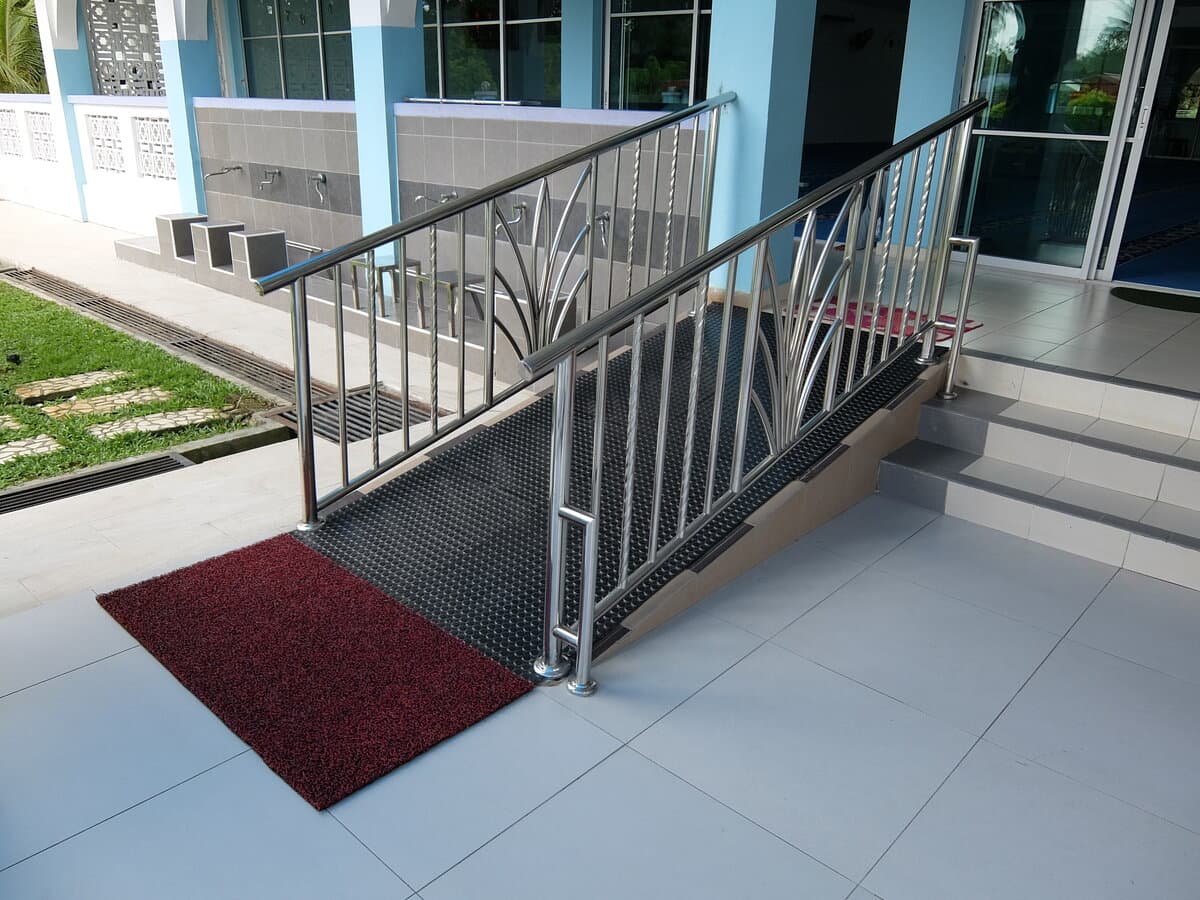
Living with mobility challenges can make moving around the home a daily struggle, with stairs being a major hurdle. While stairlifts are often the go-to solution, they're not always the most practical or cost-effective choice for everyone. In this article, we’ll explore a variety of alternative options that could better suit your individual needs, from small home modifications to advanced mobility technologies. These solutions are designed to enhance accessibility, comfort, and safety without the need for a stairlift. By the end, you'll have a clearer idea of which options could work best for your home and lifestyle, helping you create a space that's truly accommodating for all.
Ramp Solutions For Enhanced Mobility
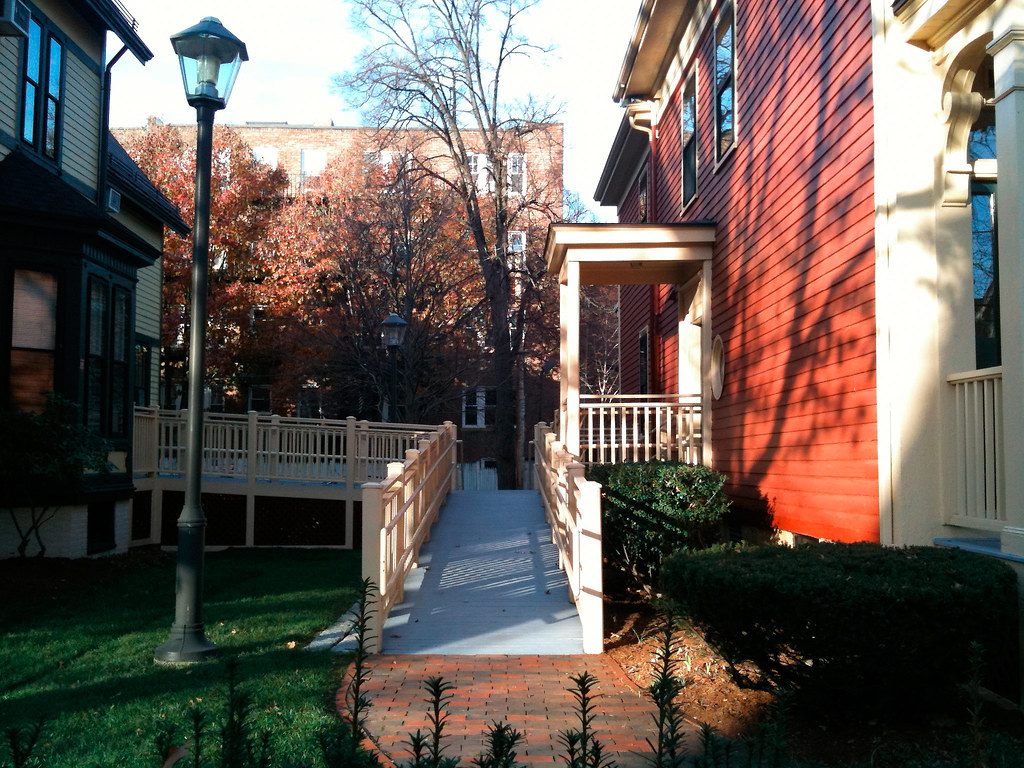
Ramps present a practical and cost-effective alternative for enhancing home accessibility, especially for individuals using mobility aids like wheelchairs or scooters. These ramps can be strategically placed outside to facilitate entry to the home or installed indoors to ease movement between levels. Their versatility is a key advantage, with options ranging from wood and metal to concrete, ensuring they not only serve a functional purpose but also complement the aesthetics of your home.
Elevating Independence With Home Lifts
As a more advanced alternative to stairlifts, home lifts offer a viable solution for multi-level access in residences. These lifts come in various sizes and styles, tailored to fit both new constructions and existing homes. While the initial investment may be higher than stairlifts, home lifts offer broader utility and adaptability, significantly enhancing the quality of life for residents with mobility issues.
Chair Lifts: A Cost-Effective Mobility Aid
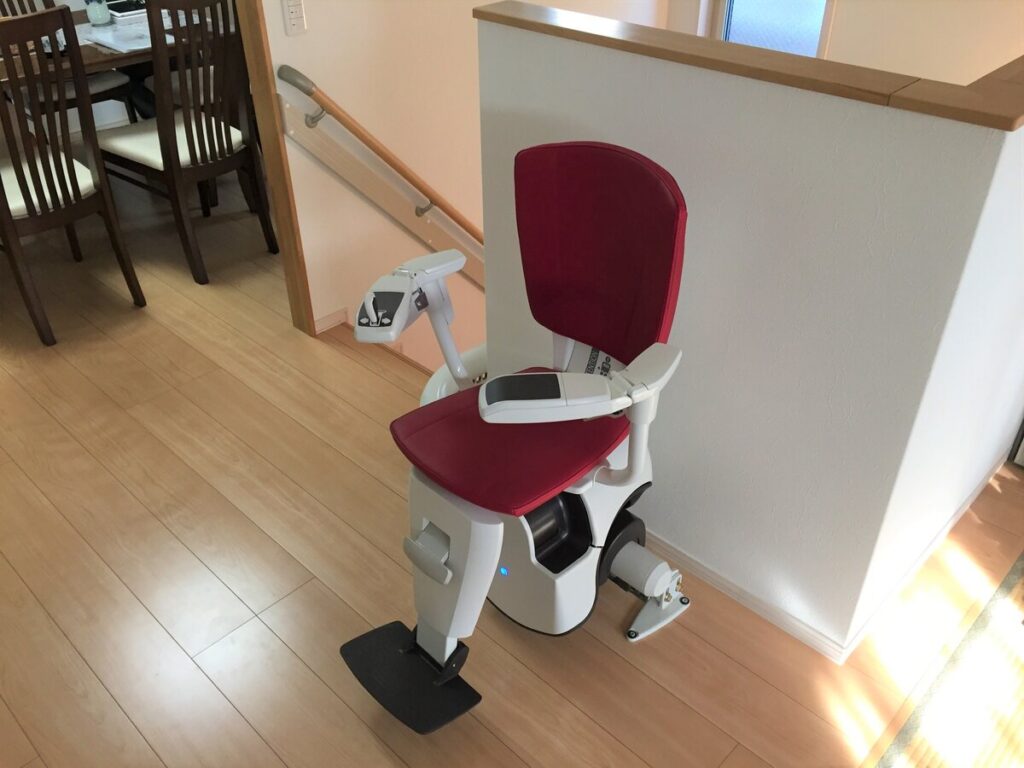
Chair lifts are akin to stairlifts but uniquely designed for those who find standing for prolonged periods or climbing stairs challenging. These devices transport the user in a seated position between floors along a staircase. The installation of chair lifts is typically more budget-friendly than elevators or stairlifts, making them an accessible option for many.
Modular Ramps: Flexible And Portable Access Solutions
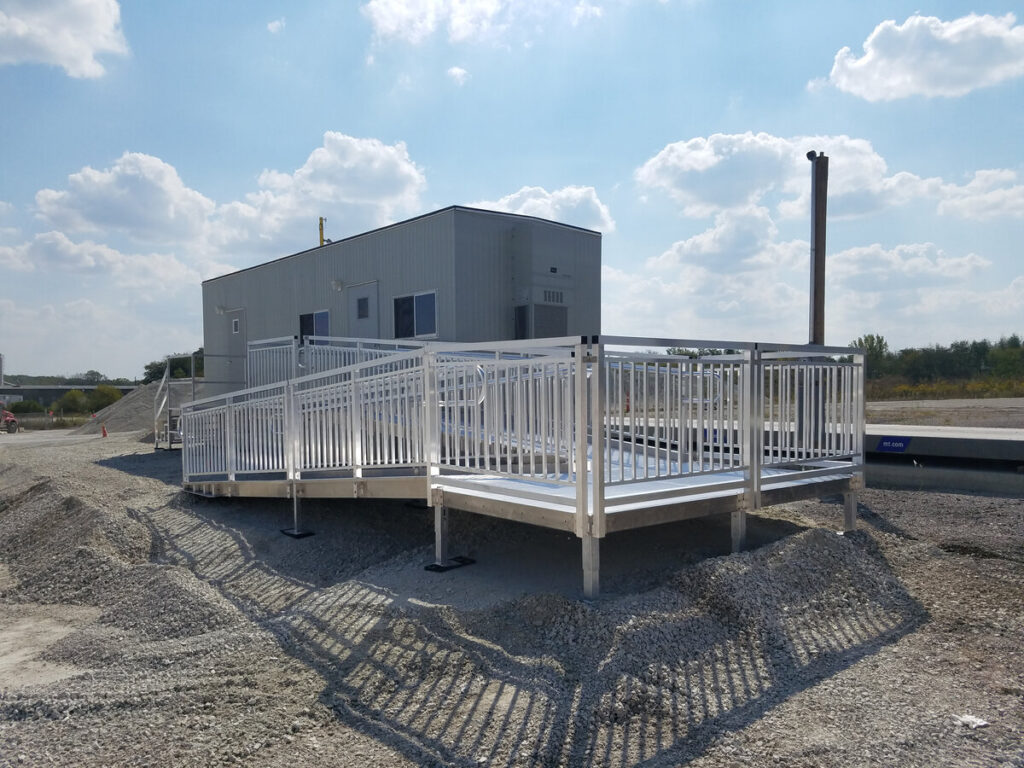
Modular ramps, composed of individual parts assembled on-site, offer a customizable and portable solution to mobility challenges. Their ability to be easily disassembled and relocated makes them an ideal choice for those seeking a temporary or adaptable ramp solution, providing an alternative to permanent ramp installations or stairlifts.
What Are The Factors To Consider When Choosing Between A Stairlift And Other Accessibility Solutions?
When choosing between a stairlift and other accessibility solutions for a home, several key factors should be considered to ensure that the selected option best meets the individual needs and circumstances. Here are some important considerations:
- Mobility Needs of the User: Evaluate the specific mobility challenges of the user. For example, if someone uses a wheelchair, ramps or home lifts might be more suitable than a stair lift.
- Type of Residence: The structure and layout of the home are crucial. Stair lifts are more suited for homes with straight staircases, while curved staircases might require custom solutions. Also, consider whether the residence can structurally support home lifts.
- Budget and Cost-Effectiveness: Assess the cost of installation, maintenance, and potential modifications for each option. Stair lifts are generally less expensive than home lifts but may offer limited functionality.
- Space and Aesthetics: Consider the space available and the aesthetic impact on your home. Stairlifts and chair lifts take up less space than home lifts and ramps.
- Flexibility and Adaptability: Determine if the solution needs to be temporary or permanent. Modular ramps, for example, offer flexibility and can be removed or adjusted as needed.
- Ease of Use: The solution should be easy for users to operate independently. This includes the ease of entering and exiting the lift or ramp.
- Safety Features: Look for options that include safety features like non-slip surfaces, handrails, emergency stop buttons, and backup power systems.
- Future Needs: Consider the potential progression of mobility issues. A solution that meets current needs may need to be revised.
- Local Regulations and Permits: Check local building codes and regulations; some modifications may require permits.
- Professional Assessment and Installation: Consult a healthcare provider or a mobility expert for a professional assessment. Also, ensure that installation is done by qualified professionals.
- Resale Value: Consider how the modification might affect the resale value of your home. Some solutions might be more appealing to future buyers than others.
Taking these factors into account will help make an informed decision that enhances accessibility while also considering the long-term needs and comfort of the user.
What Are Some Simple Modifications That Can Be Made To Enhance Home Accessibility?
Enhancing home accessibility can often be achieved with simple modifications that don't require extensive renovations. These adjustments can significantly affect individuals with mobility challenges or disabilities. Here are some practical and relatively easy changes that can be made:
- Grab Bars and Handrails: Installing grab bars near bathrooms near the toilet and shower and handrails along hallways and on both staircases can provide necessary support and stability.
- Non-Slip Flooring: Applying non-slip mats or treatments to floors, especially in wet areas like bathrooms and kitchens, can greatly reduce the risk of falls.
- Widening Doorways: If space permits, widening doorways can make a big difference for wheelchair or walker users. Even a few extra inches can facilitate easier movement.
- Lever-Style Door Handles: Replacing traditional doorknobs with lever-style handles can make doors easier for people with limited hand strength or dexterity.
- Threshold Ramps: Small ramps over door thresholds can smooth the transition from room to room, particularly for wheelchair users.
- Lighting Improvements: Increasing lighting, particularly in stairways, hallways, and other transition areas, can improve visibility and safety.
- Accessible Storage: Lowering storage areas, including closets and kitchen cabinets, makes them more accessible for seated individuals or with limited reach.
- Stair Treads and Anti-Slip Strips: Adding anti-slip strips or treads on stairs can provide extra grip and reduce the likelihood of slipping.
- Bathroom Modifications: Installing a handheld showerhead, a shower seat, and a raised toilet seat can make bathroom use safer and more comfortable.
- Furniture Adjustment: Rearranging furniture to create wider pathways and removing area rugs or other trip hazards can improve room navigation.
- Remote Control Devices: Utilizing remote controls for lights, fans, and other appliances can increase convenience and reduce the need for unnecessary movement.
- Voice-Activated Technology: Smart home devices that respond to voice commands can assist individuals with mobility or dexterity challenges.
These modifications can significantly enhance the safety and functionality of a home, allowing individuals with mobility issues to maintain independence and a higher quality of life.
What Are The Costs Associated With Different Accessibility Options?
The costs associated with different home accessibility options can vary widely depending on several factors, including the type of modification, materials used, complexity of installation, and geographical location. Here's a general overview of the costs for common accessibility modifications:
- Grab Bars and Handrails: These are relatively inexpensive, with basic models costing between $20 to $100 per bar, plus installation fees if professional help is required.
- Non-Slip Flooring: Non-slip mats and treatments can range from $20 to $200, depending on the quality and area covered. Professional floor treatments can be more expensive.
- Widening Doorways: Costs can vary significantly, ranging from a few hundred to a few thousand dollars, depending on the structural changes needed.
- Lever-Style Door Handles: These handles typically cost between $20 to $50 each, plus installation.
- Threshold Ramps: Prices range from $50 to $500, depending on the material and size.
- Improved Lighting: Costs can vary based on the type and number of fixtures. Simple plug-in nightlights or motion-sensor lights can be as low as $10 to $30 each while installing new fixtures might cost several hundred dollars.
- Accessible Storage: Lowering shelves or installing pull-out or adjustable units can range from a few hundred to several thousand dollars, depending on the complexity and materials.
- Stair Treads and Anti-Slip Strips: These are typically not expensive, ranging from $10 to $100 for a set.
- Bathroom Modifications: Costs vary widely. Handheld showerheads can cost under $100, while a shower seat costs $30 to $200. A raised toilet seat usually costs between $20 and $100. Major renovations, like walk-in tubs or roll-in showers, can cost several thousand dollars.
- Furniture Adjustment: Minimal cost if done independently, but purchasing new, more accessible furniture can range from a few hundred to several thousand dollars.
- Remote Control Devices and Smart Home Technology: Basic remote controls can be under $50, while comprehensive smart home systems can cost several hundred to thousands of dollars.
- Home Lifts and Elevators: These are among the most expensive modifications, ranging from $10,000 to $50,000 or more, depending on the type and installation requirements.
- Ramps: Portable ramps can cost a few hundred dollars, while custom-built ramps might cost several thousand, depending on size and materials.
- Stairlifts: Prices generally range from $2,000 to $15,000, including installation, with curved models at the higher spectrum.
It's important to note that these are estimated costs and can vary based on location, product brand, and specific user requirements. Additionally, funding assistance, grants, or tax deductions may be available for accessibility modifications, which can help offset the costs. Always get multiple quotes and consult with professionals for accurate pricing for your situation.
Conclusion
In the journey towards creating a more accessible and comfortable home environment, it's clear that there are numerous options, each with its unique benefits and considerations. The choices, from simple grab bars to more complex home lifts, are diverse, allowing for a tailored approach to meet individual needs and circumstances. It's important to remember that while cost is a significant factor, the value of enhanced safety and independence is immeasurable. Keep in mind the potential for evolving needs over time, ensuring that any modifications you choose are adaptable for the future. As you navigate these decisions, don't hesitate to seek advice from professionals and explore financial support options that may be available. With thoughtful planning and informed choices, you can create a living space that is not only safer and more accessible but also a true reflection of the comfort and independence we all deserve. Let this be your motivation to take the first step toward a more accessible home where every corner is filled with ease and confidence.
Useful Links To Learn More
- Age UK: Home Adaptations – A guide on various home adaptation solutions for elderly individuals, including mobility options.
- Disability Rights UK: Equipment for Independent Living – Detailed information on different assistive devices to maintain independence at home.
- Home Lifts UK – Explore home lifts as an alternative to stairlifts, offering more flexibility and ease of use.
- Grants and Funding for Home Adaptations – A government resource providing information on financial aid available for mobility adaptations.
- Accessible Housing Solutions UK – Offers a range of accessibility solutions, from ramps to home modifications tailored to individual needs.
Keep reading

20 Amazing Crochet Beginner Ideas
Join the fun with these 20 amazing beginner crochet projects that will inspire your creativity and lead you to endless possibilities!
20 Amazing Crochet Blue Ideas
Join us as we unveil 20 amazing blue crochet projects that will inspire your creativity and elevate your crafting game!
20 Amazing Crochet Black Ideas
Marvel at these 20 amazing black crochet projects that will ignite your creativity and inspire your next crafting adventure! Discover your new favorite today.
Need personal guidance?
Talk to an advisor
Our care experts are here to help you make the right choice — for free.