10 Best Rollator Walker For Seniors - An Expert Guide In 2025
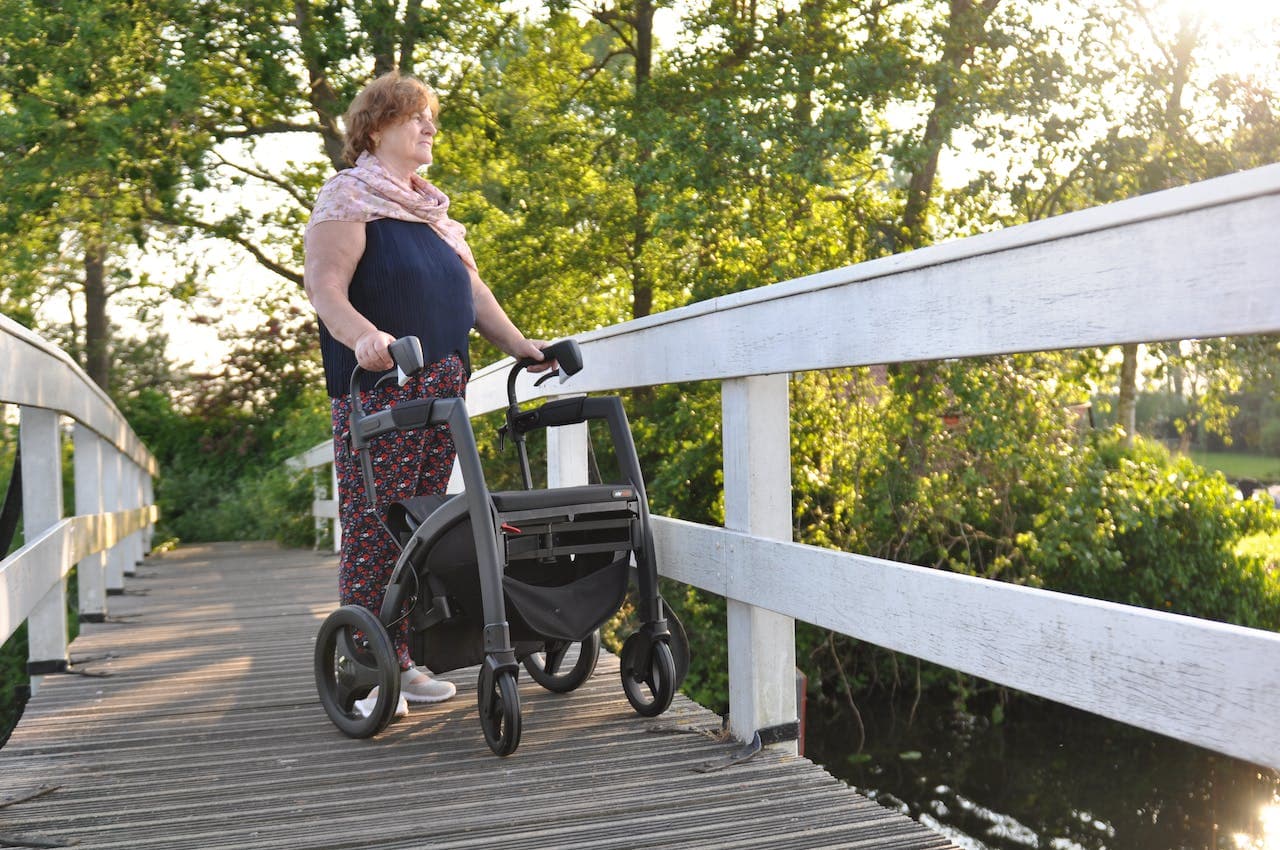
Choosing a heavy-duty rollator doesn’t have to be complicated, but it’s one of the most important decisions for those looking to maintain their independence and mobility. These sturdy walkers are a lifeline, especially for individuals needing extra support for higher weight capacities or more demanding mobility needs. In this article, we’ll break down the best heavy-duty rollators on the market, giving you a clear understanding of what sets them apart.
You’ll discover key features that matter—durability, comfort, and safety—and learn how to choose a rollator that suits your lifestyle. Along the way, we’ll offer practical tips to ensure your choice not only meets but exceeds your expectations. Ready to find the perfect support for your journey? Let’s dive in…

Robust Support For Diverse Needs
For seniors and individuals in later-life care, heavy-duty rollators represent a significant advancement in mobility aids. These robust devices are crafted to accommodate a broader range of body types and sizes, offering vital stability and support. With weight capacities ranging from 300 to 500 pounds, they cater to the needs of heavier users, ensuring safe and secure movement in various environments.
Built For Longevity And Stability
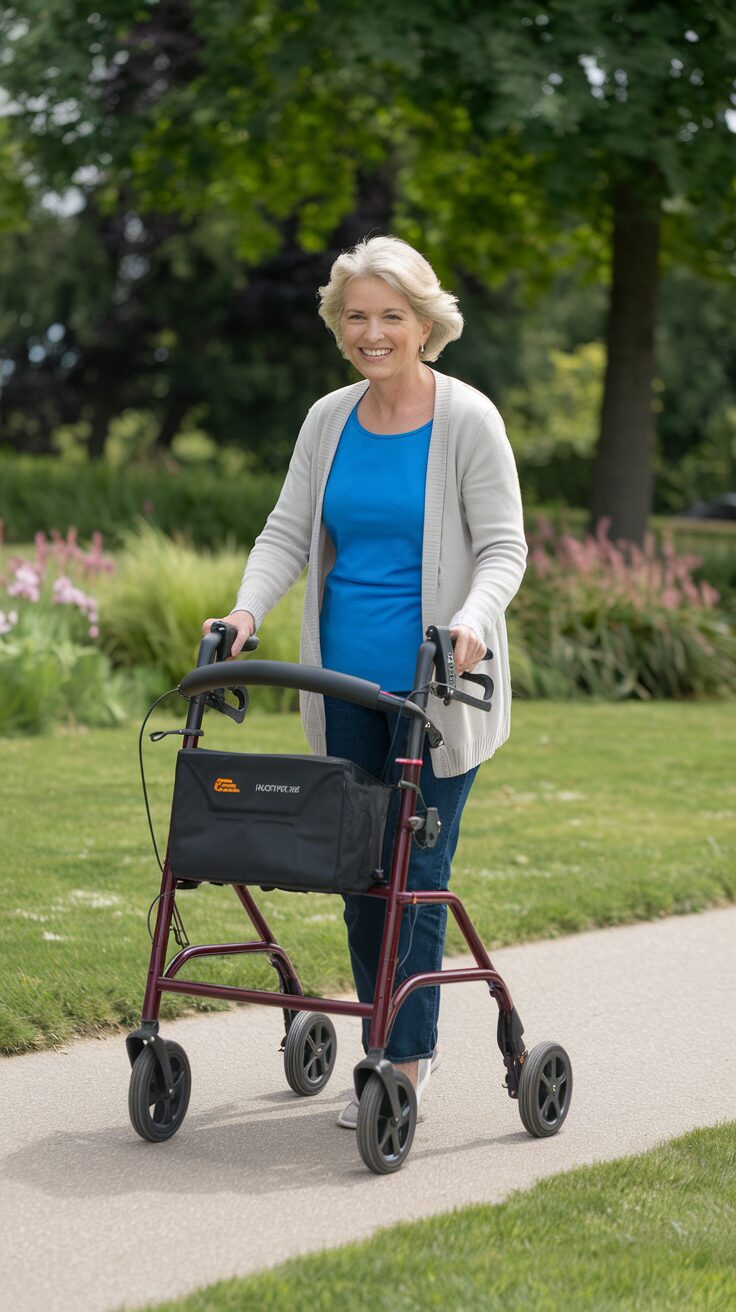
In the realm of retirement living, the durability and sturdiness of mobility aids are paramount. Heavy-duty rollators are constructed from top-grade materials like reinforced steel or aluminum, providing lasting strength. Their solid build guarantees consistent stability, which is crucial when navigating uneven terrains or overcoming daily obstacles.
Comfortable Seating Solutions
Comfort is a cornerstone of effective later-life care, and heavy-duty rollators excel. These models feature wider seats with ample padding, allowing restful pauses during walks or outdoor activities. Such ergonomic design considerations ensure that prolonged use is both comfortable and beneficial.
Advanced Wheel Design For Enhanced Maneuverability
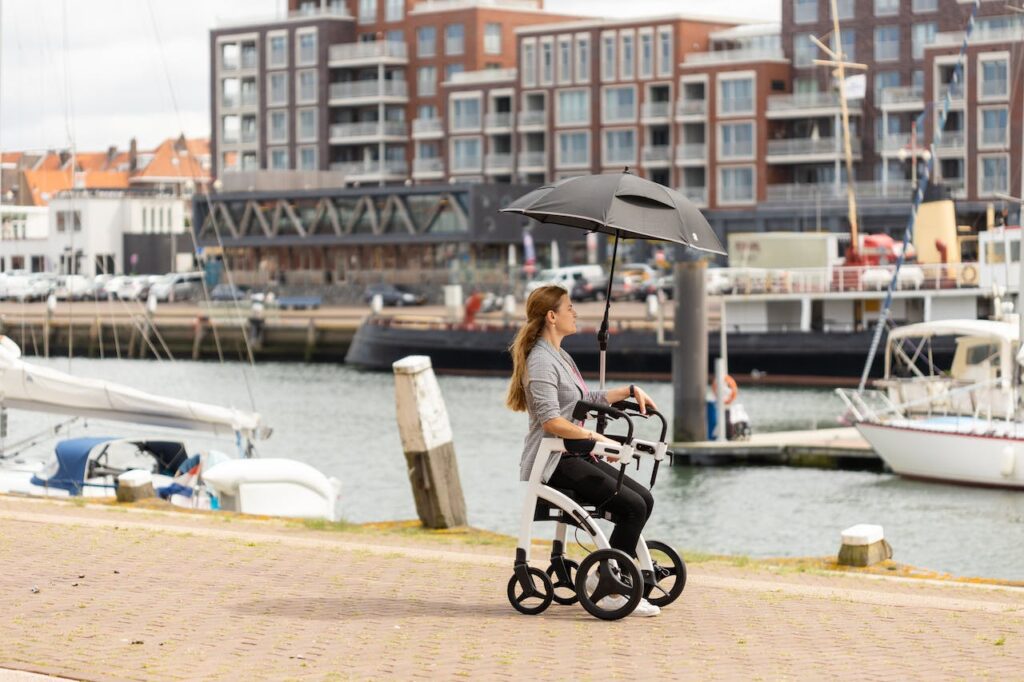
To adapt to the varied lifestyles of those in retirement communities, heavy-duty rollators boast large wheels adept at handling multiple terrains. Select models are equipped with suspension systems, mitigating the impact of rough surfaces and ensuring a smooth, pleasant experience.
Customization For Individual Needs
These rollators offer adjustable height settings to acknowledge the diversity in user height and preferences. This customization is vital for maintaining correct posture and ease of use. Ergonomic handles with comfortable grips further reduce strain, a key consideration for those with limited hand and wrist mobility.
Prioritizing Safety And Control

Safety is a non-negotiable feature in later-life care equipment. Heavy-duty rollators incorporate advanced braking systems, such as loop or hand-operated brakes, for precise control and immediate stopping power. Additional safety enhancements like reflective elements and anti-tip mechanisms offer added peace of mind.
Practicality With Convenient Storage Options

Recognizing the importance of convenience in retirement living, these rollators come equipped with practical storage solutions and accessories. From under-seat baskets to cup holders, they ensure that personal belongings and necessities are always within easy reach, empowering users with independence and ease in their daily activities.
What Are The Price Ranges For Heavy-Duty Rollators?

The price range for heavy-duty rollators can vary significantly based on several factors, including the brand, features, materials used, and where they are purchased. As of my last update in April 2023, here's a general overview:
- Economy Models: These are the more basic heavy-duty rollators, typically around $100 to $200. They usually have standard features such as a sturdy frame, basic seating, and simple braking systems.
- Mid-Range Models: These rollators offer more comfortable seating, better wheel designs for maneuverability, and some customization options. Prices for mid-range models generally fall between $200 and $350.
- High-End Models: These premium rollators are designed with advanced features such as ultra-durable materials, ergonomic design, specialized wheels for various terrains, advanced braking systems, and often more customization in size and accessories. Prices can range from $350 to $600 or more.
- Specialized Models: Some heavy-duty rollators are designed for specific needs and can include additional features like posture control, specialized seating, or advanced suspension systems. These can exceed $600, depending on their specialized features and customization.
It's important to note that prices can vary based on the region, retailer, and any ongoing sales or discounts. Insurance coverage, including Medicare or private insurance, may also influence the out-of-pocket cost for the user, as some plans may cover part of the cost of a rollator if it is medically necessary.
When considering a purchase, it's recommended to balance the cost with the rollator's features and the user's specific needs. Consulting with a healthcare professional can also provide guidance on the most appropriate model for an individual's requirements.
4 Disadvantages To Heavy-Duty Rollators
- Weight and Portability: Heavy-duty rollators are generally heavier than standard models due to their robust construction and additional features. This can make them less portable and more challenging to transport, especially for individuals with limited strength or those who frequently travel by car or public transportation.
- Size and Maneuverability in Tight Spaces: Due to their larger size to accommodate higher weight capacities, these rollators might need help to maneuver in tight spaces, narrow hallways, or small elevators. This can be a significant consideration in home settings or public places with limited space.
- Cost: Heavy-duty rollators are often more expensive than standard models because of their enhanced features and durable construction. This cost factor can be a disadvantage for individuals on a tight budget.
- Complexity of Use: With advanced features like larger wheels, suspension systems, and adjustable components, heavy-duty rollators can be more complex to use and adjust. This might challenge some users, especially those uncomfortable with mechanical adjustments or cognitive impairments.
- Limited Availability: Depending on the region, certain models of heavy-duty rollators might be limited, making it easier for users to find the specific model that meets their needs.
- Aesthetic Considerations: Some users find heavy-duty rollators less aesthetically pleasing than sleeker, more compact models. This can be a subjective disadvantage but is important for users who are sensitive to the appearance of their mobility aids.
9 Basic Maintenance Factors For Heavy-Duty Rollators
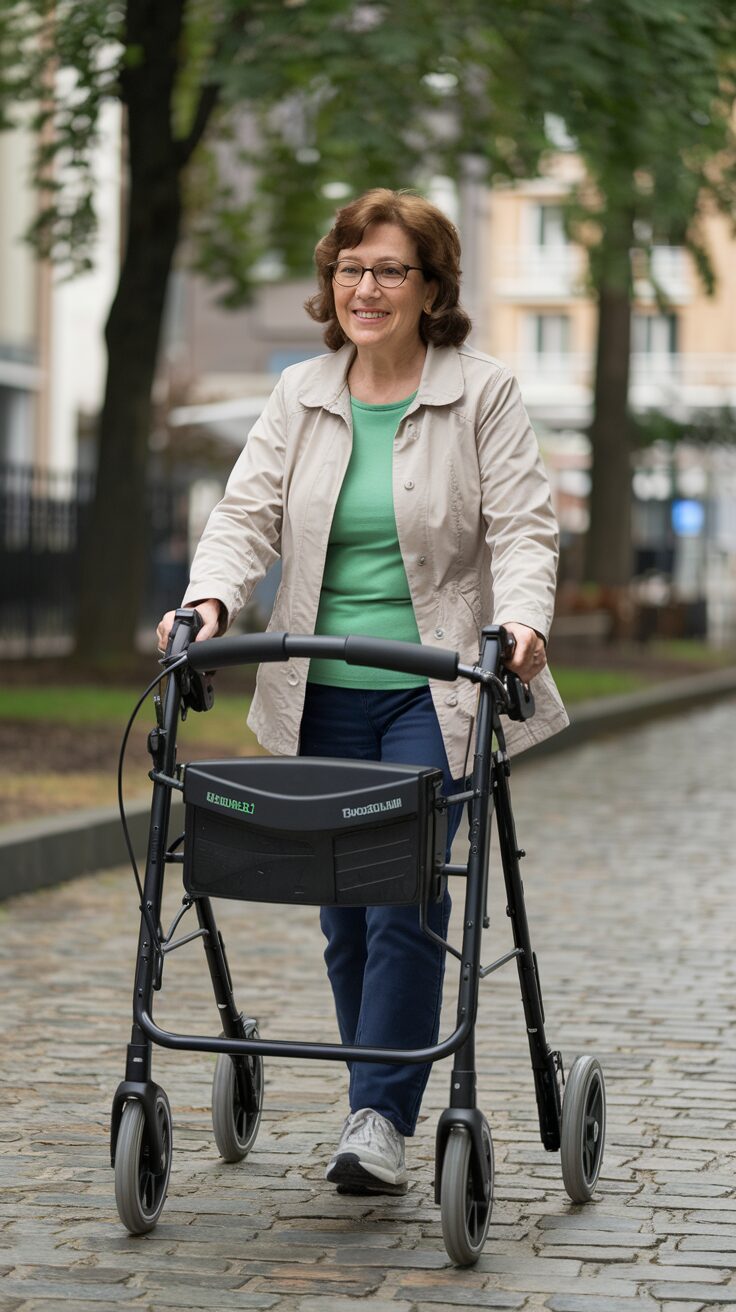
- Regular Inspections: Due to their capacity to handle heavier weights, it's important to conduct regular inspections of the frame and joints for any signs of stress or wear. Check for cracks, bending, or any deformation, especially in areas under high stress.
- Wheel and Tire Care: More frequent checks are necessary for rollators with larger or specialized wheels. This includes inspecting the tire tread for wear and ensuring air-filled tires maintain proper pressure. Also, check the bearings and axles for smooth operation.
- Seat Integrity: Since heavy-duty rollators often have larger seating areas, regularly inspect the seat for any sagging, tearing, or damage to the material. Ensure that the seat remains securely attached to the frame.
- Brake Efficiency: Due to the additional weight these rollators are designed to support, ensuring the brake system functions correctly is crucial. This might include checking brake pads for wear and adjusting brake tension.
- Lubrication: Certain moving parts, such as folding mechanisms or height adjustment features, may require periodic lubrication to maintain smooth operation. Use an appropriate lubricant, preferably as recommended by the manufacturer.
- Accessory Check: If your rollator comes with additional accessories like baskets, trays, or holders, regularly check these for secure attachments and signs of wear.
- Adjustment Mechanisms: Regularly check and adjust any height or handle adjustment mechanisms to ensure they are securely locked and stable.
- Storage Conditions: Store the rollator in an appropriate environment. Extreme temperatures and moisture can affect certain materials and components, so storing the rollator in a dry, temperature-controlled space is ideal.
- Professional Servicing: Consider having your rollator professionally serviced periodically, especially if you notice any unusual noises, decreased functionality, or other concerns that are not resolved through regular home maintenance.
Conclusion
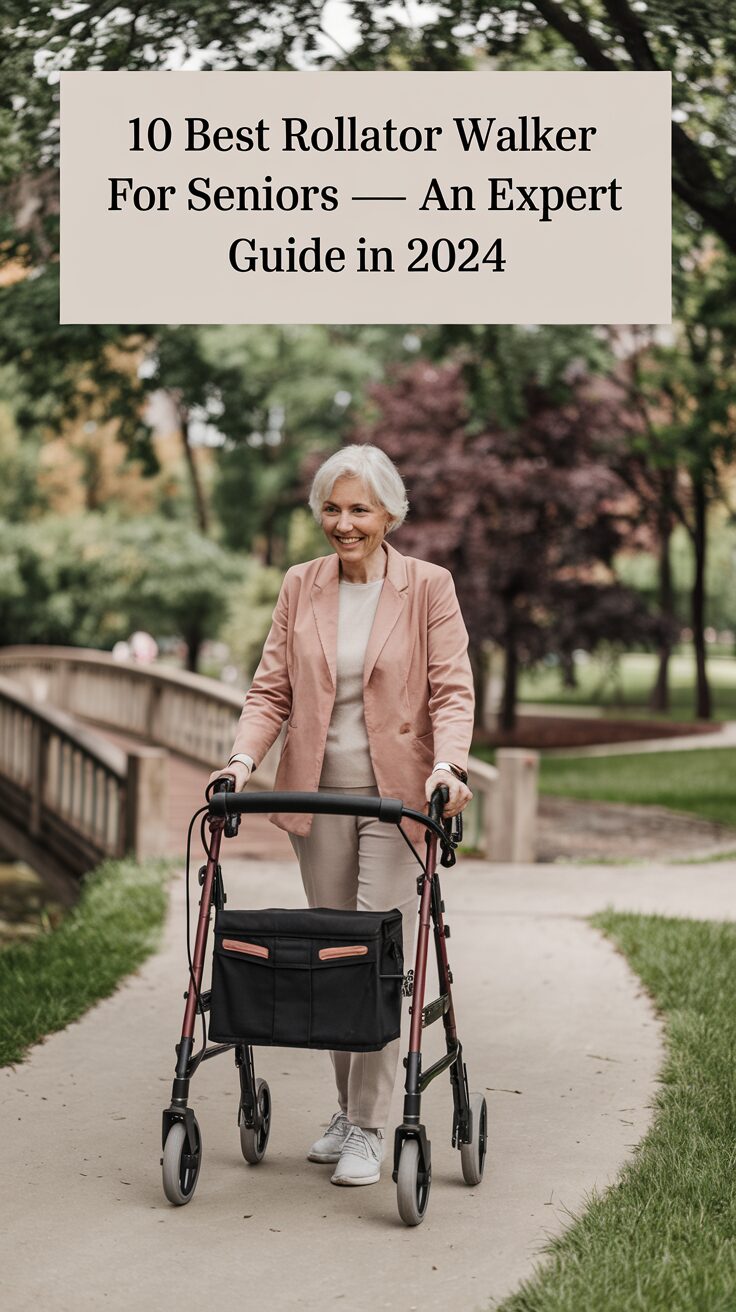
In conclusion, choosing the right heavy-duty rollator is a step towards enhanced mobility and independence, especially for those with specific physical needs. While weighing your options, consider factors like weight capacity, durability, comfort, and safety features. Remember, a higher price tag sometimes means a better fit for your unique requirements. It's important to balance cost with functionality. Be mindful of potential challenges, such as maneuverability in tight spaces and the extra weight of these robust models. Regular maintenance will extend the life of your rollator, ensuring it remains a reliable companion. Consult with healthcare professionals to make an informed decision, and don't hesitate to test different models to find the best match for your lifestyle. Embracing this change positively can open doors to greater freedom and enjoyment in your daily activities, empowering you to navigate life's paths with confidence and ease.
Here’s a suggested section you can include in your article:
Useful Links To Learn More
- NHS Mobility Aids – Offers guidance on the types of mobility aids available, including rollators and how to access them through the NHS.
- Age UK - Mobility and Falls – Provides advice on preventing falls and selecting mobility aids to help maintain independence.
- Living Made Easy – A charity offering impartial advice on choosing the right mobility products, including rollators, to suit your needs.
- Disabled Living Foundation (DLF) – Offers a wealth of information on assistive technologies and mobility equipment to support older adults.
- Complete Care Shop – A retailer that specializes in mobility aids and offers practical guides on choosing the right rollator walker.
Feature Image Photo By Rollz International on Pexels
Keep reading

20 Amazing Crochet Beginner Ideas
Join the fun with these 20 amazing beginner crochet projects that will inspire your creativity and lead you to endless possibilities!

20 Amazing Crochet Blue Ideas
Join us as we unveil 20 amazing blue crochet projects that will inspire your creativity and elevate your crafting game!
20 Amazing Crochet Black Ideas
Marvel at these 20 amazing black crochet projects that will ignite your creativity and inspire your next crafting adventure! Discover your new favorite today.
Need personal guidance?
Talk to an advisor
Our care experts are here to help you make the right choice — for free.