When to Consider a Care Home for a Dementia Patient: Critical Signs To Look For

Deciding when to move a loved one with dementia into a care home can be an incredibly emotional and challenging process. It’s a delicate balance between recognizing their growing needs and understanding your own limits as a caregiver. In this guide, we’ll explore the key signs that it might be time for a care home, what to consider during the decision-making process, and how making this move can actually benefit both you and your loved one. By the end, you’ll have the insights and practical advice to approach this decision with clarity and compassion. Let’s dive in and find the support you need to make the best choice…
Assessing the Right Time for Residential Care in Dementia
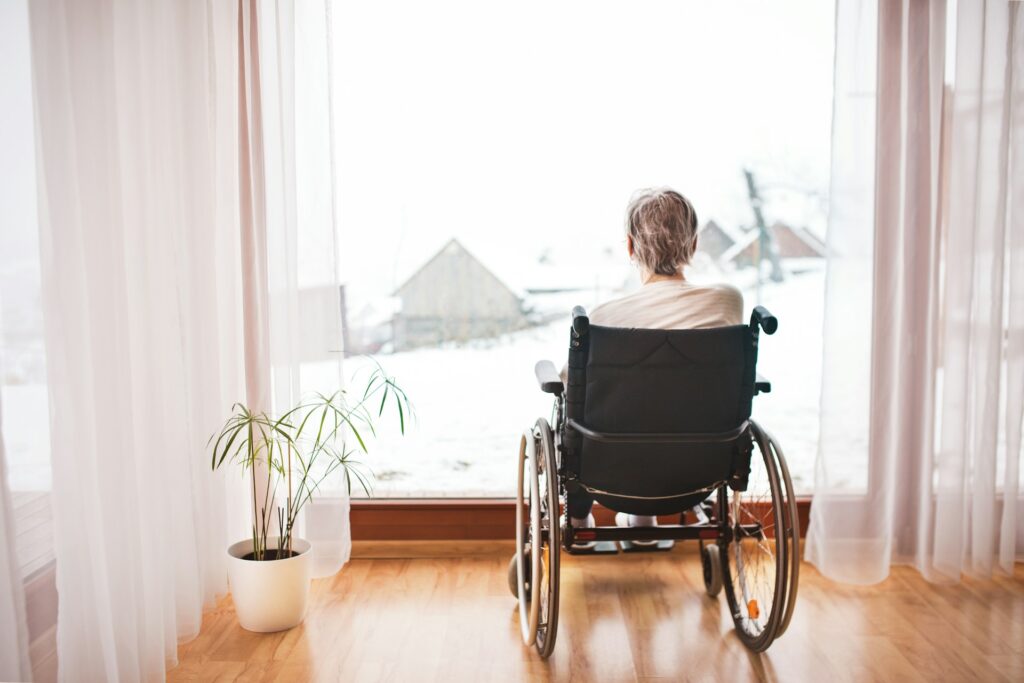
Evaluating Care Needs at Home
Determining the optimal timing for a transition to a care home for a person with dementia is a nuanced decision, central to which is evaluating if their needs are adequately met at home. The primary consideration is whether continuing to live at home serves their best interests, given the progressive nature of dementia.
Indicators for Transition to Care Home
The progression of dementia may reach a stage where the individual requires more care and support than can be provided at home, indicating the need for 24-hour professional care. As dementia advances, the person's needs intensify, often surpassing the caregiving capabilities of family members. This progression is key in deciding the transition to a care home.
Critical Reasons for Choosing Residential Care

Several factors can precipitate the need for residential care. These include frequent hospital admissions, concerns about safety, or unmanageable behaviors. As there is no cure for dementia, the person's physical and mental decline is inevitable, making continuous supervision and support crucial for their well-being. While there is never an 'ideal' time due to emotional challenges, the necessity for round-the-clock care to ensure safety and quality of life may make residential care the most viable option.
Practical Assessment Tool
A practical approach is to list your loved one's needs and assess your ability to meet them. For instance:
- Safety Concerns: "My spouse cannot safely go outside alone – I can only accompany them in the mornings."
- Risk Assessment: "Can I ensure they won't leave the house unaccompanied? – No, and it's a constant worry."
Considering your other life commitments, it may be time to explore residential care options if such an assessment reveals an inability to provide necessary care.
Benefits of Residential Care
When independent living is no longer feasible and self-care becomes impossible, a residential setting offers 24-hour professional care and support. This ensures the safety and proper care of your loved one and provides peace of mind, knowing they are in a secure and supportive environment.
The Challenge of Full-Time Caregiving
Caring for a loved one with dementia is an increasingly demanding role that often leads to physical and mental exhaustion. As a caregiver, it's vital to recognize when this responsibility starts impacting your health and the quality of your relationships. Transitioning your loved one to a care home can alleviate stress, enabling more positive, meaningful interactions.
Case Study: Making the Hard Choice
Consider the case of Ian Burton, diagnosed with Behavioural Variant Frontotemporal Dementia. His wife, Wendy, reached a point where keeping him safe at home became unmanageable due to his wandering and unpredictable behavior. Despite having carers assist, his safety couldn't be guaranteed, leading to the difficult decision to move him into a care home. Wendy reflects, "We missed him, but knowing he was safe and well-cared for was a relief."
Benefits of Care Homes for Dementia Patients

Care homes offer numerous benefits for individuals with dementia:
- Round-the-Clock Professional Care: Continuous support ensures safety and meets evolving care needs.
- Supervision and Safety: Staff are trained to monitor and manage risks associated with dementia.
- Social Engagement: Living with others provides opportunities for social activities, enhancing quality of life.
- Relieving Caregiver Pressure: Families can enjoy visits without the stress of full-time caregiving.
- Specialized Dementia Units: Many homes offer specialized units with tailored facilities like sensory rooms and reminiscence therapy, enhancing the care for residents with Alzheimer's and other dementia forms.
Decision-Making in Dementia Care
Ideally, the person with dementia should participate in the decision to move into care. Support should be provided to help them express their preferences. However, diminishing mental capacity often makes this impractical. In such cases, a Lasting Power of Attorney (LPA) for Health and Welfare becomes instrumental, enabling caregivers to make informed decisions about residential care. Similarly, a Property and Financial Affairs LPA allows caregivers to manage the financial aspects of care.
The Importance of Planning Ahead

Decisions about care home placement often occur under pressure due to emergencies or sudden conditions changes. Planning can mitigate this stress, allowing more time to choose a suitable care home and involving the person with dementia as much as possible. Regardless of who makes the final decision, it must always prioritize the individual's best interests and involve them in the process to the greatest extent possible.
Initiating the Search: Needs Assessment
Finding the most suitable care home for a dementia patient begins with a needs assessment, which can be requested from your local council's social services. This evaluation is crucial in determining the level of care required and will guide your search for the appropriate care setting.
Understanding Financial Implications
Alongside the needs assessment, a financial assessment conducted by the local authority will clarify potential contributions towards care costs. Understanding these financial aspects early in the process is essential for making an informed decision.
The Advantage of Advance Planning
As emphasized previously, planning is invaluable. Early planning affords you a deeper understanding of your loved one's preferences and wishes, which are critical factors in choosing a care home that aligns with their needs and desires.
Types of Care Homes: Personal vs. Nursing Care

When considering care options, it's important to differentiate between residential and nursing homes. Residential care homes offer personal care services, such as assisting with daily washing and dressing. In contrast, nursing homes provide a higher level of care, with qualified nurses available around the clock to manage more complex health needs.
Guidance and Resources
For more detailed insights and practical advice, refer to our comprehensive guide, "Finding a Care Home for Someone with Dementia." This resource has tips and guidance to help you navigate this challenging decision. Additionally, for information on financing care and understanding care costs, our article "Care Home Fees Advice" offers valuable knowledge and support.
Conclusion
In conclusion, navigating the journey of dementia care and finding the right care home is a path filled with both challenges and opportunities. Remember, the key lies in early planning and thorough assessment – your loved one's needs and the financial implications. Each care home offers unique services, from personal care in residential homes to medical support in nursing homes, so choose one that aligns best with your loved one's evolving requirements. Be aware of the emotional and physical toll this transition can take on you and your loved one, and don't hesitate to seek support when needed. While the decision to move a loved one into a care home is significant, it can also bring peace of mind and a better quality of life for everyone involved. Armed with the right information and resources, you can make decisions ensuring safety, comfort, and the best care for your loved one. Your dedication and thoughtful consideration in this process are commendable, and with each step, you are creating a nurturing future for those you care about the most.
Here’s a suggested section you can include in your article:
Useful Links To Learn More
- Alzheimer’s Society - Choosing a Care Home – Offers guidance on when and how to choose a care home for someone with dementia, including what to look for in a home.
- NHS - Dementia and Care Homes – Provides information on care homes for people living with dementia and the signs it may be time to consider this option.
- Age UK - Care Homes for Dementia – Discusses the considerations involved in moving a dementia patient to a care home, including financial and emotional aspects.
- Care Quality Commission (CQC) - Find a Care Home – The official UK regulator’s guide to finding and choosing a well-regulated care home, with ratings and reviews.
- Independent Age - Moving into a Care Home – Offers advice on when it may be necessary to move a dementia patient into a care home and how to prepare for the transition.
Feature image via Unsplash
Keep reading

20 Amazing Crochet Beginner Ideas
Join the fun with these 20 amazing beginner crochet projects that will inspire your creativity and lead you to endless possibilities!
20 Amazing Crochet Blue Ideas
Join us as we unveil 20 amazing blue crochet projects that will inspire your creativity and elevate your crafting game!
20 Amazing Crochet Black Ideas
Marvel at these 20 amazing black crochet projects that will ignite your creativity and inspire your next crafting adventure! Discover your new favorite today.
Need personal guidance?
Talk to an advisor
Our care experts are here to help you make the right choice — for free.