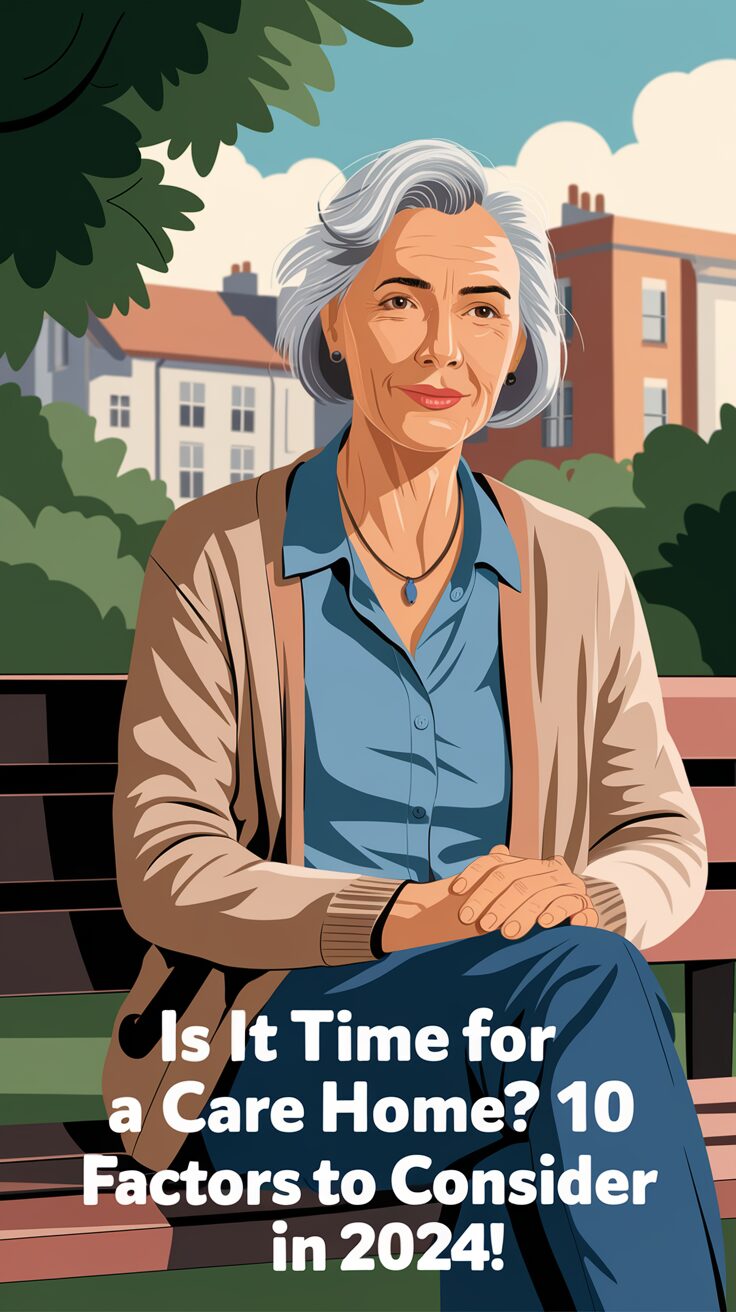
Is It Time for a Care Home? 10 Factors to Consider In 2025!
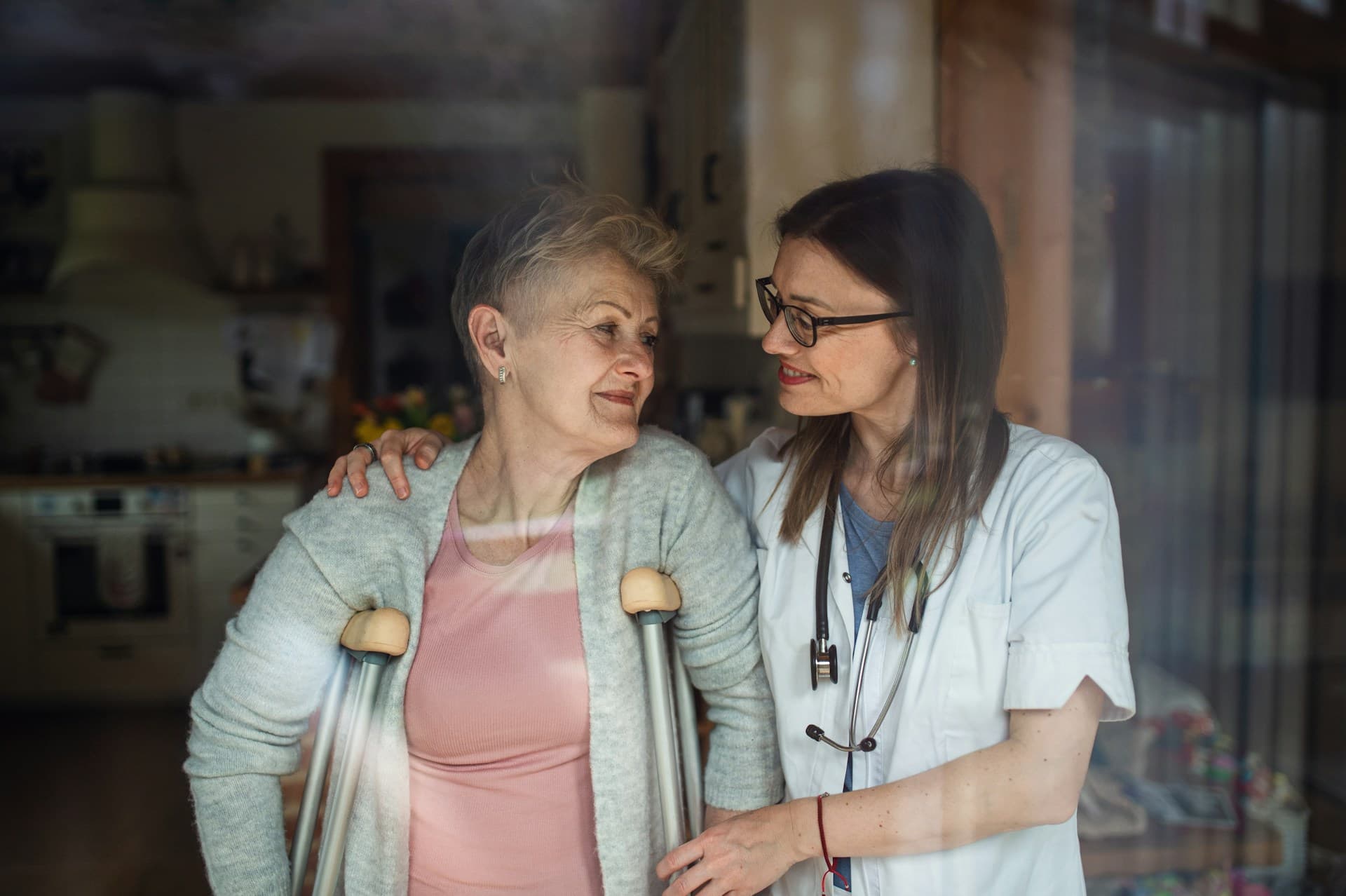
Deciding whether it’s time for a residential or nursing home is a significant step, often filled with mixed emotions and practical concerns. This article cuts through the uncertainty, offering clear insights and practical tips to help you make the right choice for your loved one. You’ll learn how to assess their care needs, understand the differences between care options, and make a decision that not only meets immediate requirements but also ensures long-term comfort and well-being. By the end, you’ll feel more confident and equipped to make this important choice with clarity. Ready to get started? Let’s dive in…
Understanding the Right Time

Identifying the optimal moment to consider a care home for a loved one can be complex. Procrastination in this decision often results in increased challenges and hardships for you and your family. While it’s natural to want to provide care at home for as long as possible, there are times when professional assistance becomes necessary. Here are ten key indicators that it might be time to consider transitioning your loved one into a care home.
1. Frequent Falls and Mobility Issues

If your loved one is experiencing an increasing number of falls or has noticeable difficulty moving around, it’s a clear sign that they may need a safer environment. Care homes are equipped with features designed to minimize fall risks and provide immediate assistance if needed.
2. Poor Nutrition and Weight Loss
Struggles with preparing meals, loss of appetite, or significant weight loss can indicate that your loved one is not receiving adequate nutrition. Care homes provide balanced meals and monitor dietary needs to ensure residents remain healthy.
3. Difficulty Managing Medications

If managing multiple medications becomes overwhelming, resulting in missed doses or overmedication, it’s a risk to their health. Care homes have staff to manage and administer medications correctly and on time.
4. Worsening Health Conditions

Chronic health conditions that require constant monitoring and specialized care may be too challenging to manage at home. Care homes offer medical support and have trained staff to handle complex health needs.
5. Cognitive Decline and Confusion
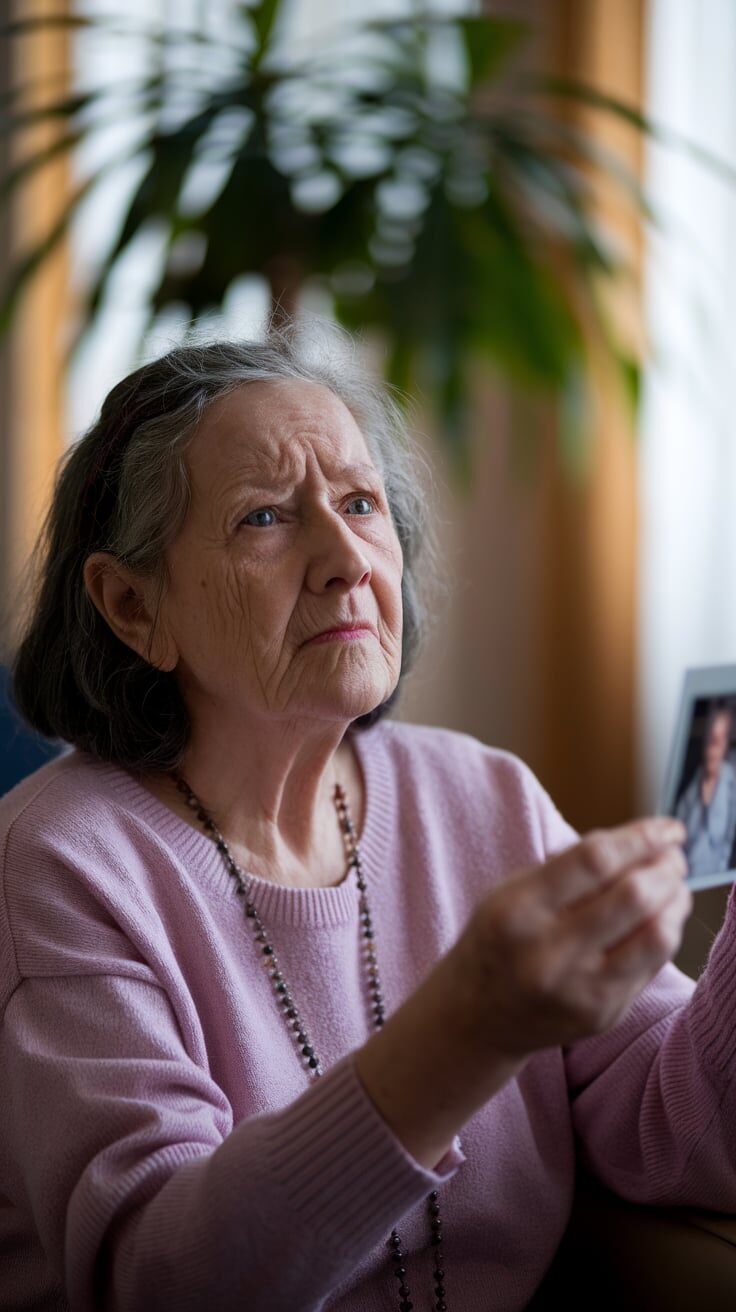
Increased confusion, disorientation, or signs of dementia can make independent living unsafe. Care homes provide a structured environment with activities tailored to support cognitive health and safety.
6. Inability to Maintain Personal Hygiene
Neglecting personal hygiene or struggling with daily activities like bathing and dressing are signs that more comprehensive care is needed. Care homes provide assistance with these activities, ensuring dignity and cleanliness.
7. Home Safety Concerns
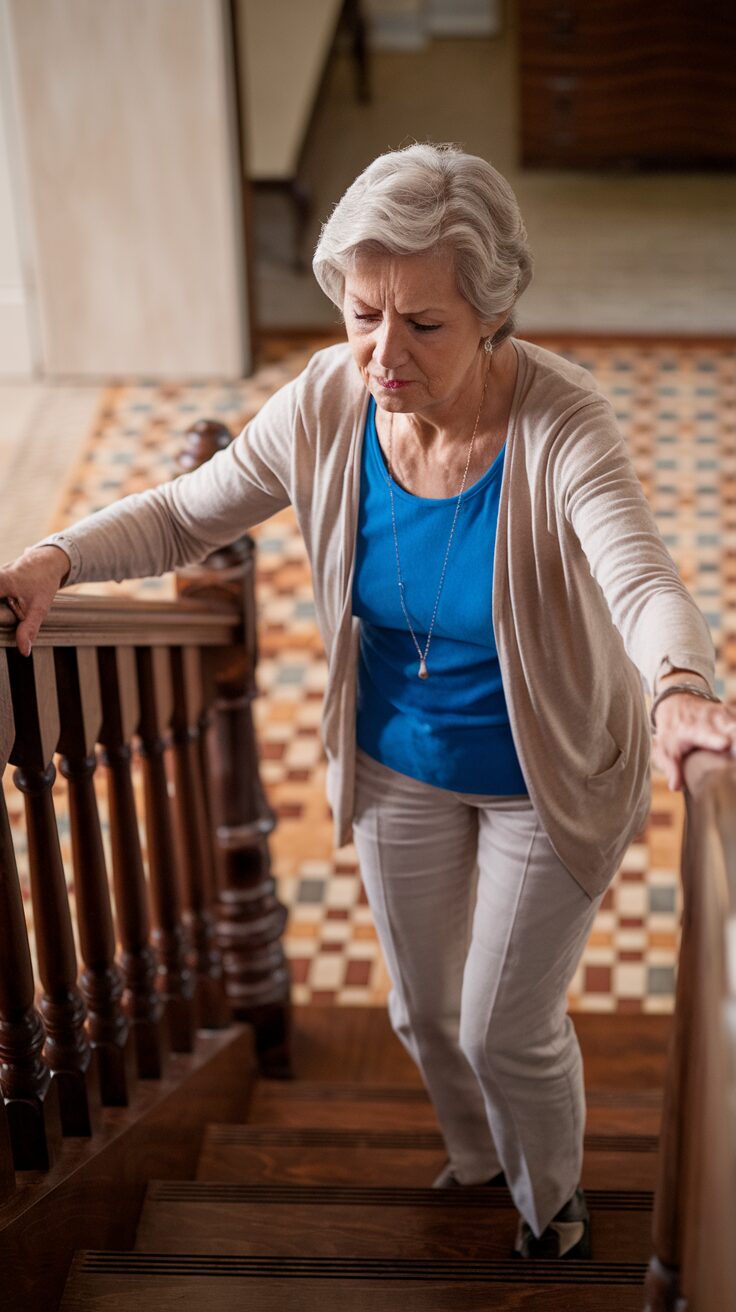
A home environment that is no longer safe, due to factors like steep stairs or poor heating, can pose significant risks. Care homes are designed with safety in mind, from accessible layouts to emergency response systems.
8. Social Isolation and Loneliness
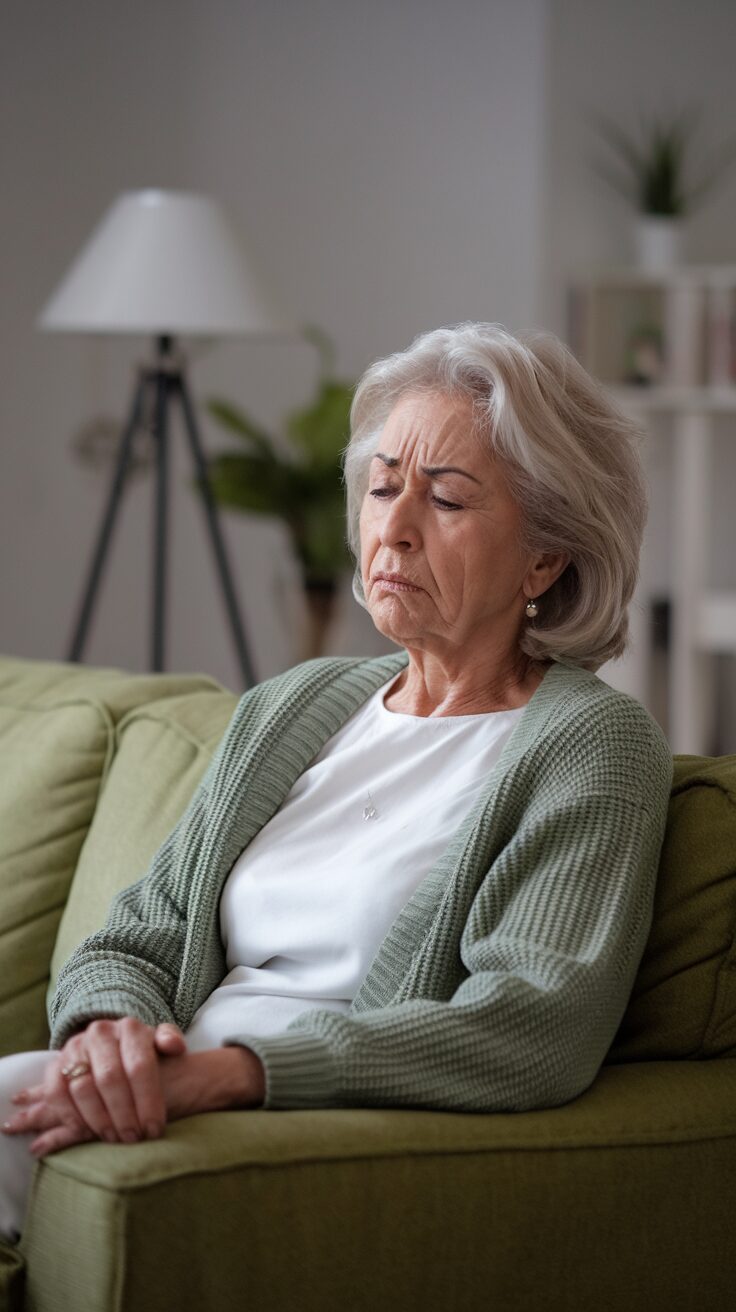
Loneliness can severely impact mental and physical health. If your loved one is becoming increasingly isolated, a care home can offer a community atmosphere, regular social activities, and companionship.
9. Caregiver Burnout
If you, as the primary caregiver, feel overwhelmed and exhausted, it’s a sign that more help is needed. Care homes can provide the support and respite needed to ensure your loved one receives consistent, high-quality care.
10. Behavioral Changes

Significant changes in behavior, such as agitation, aggression, or wandering, especially in dementia patients, indicate a need for specialized care that might be difficult to manage at home. Care homes have trained staff to handle these behaviors safely and compassionately.
Conclusion

Recognizing these indicators can help you make an informed decision about moving your loved one into a care home. While the decision is never easy, prioritizing their safety, health, and well-being is paramount. Transitioning to a care home can provide a supportive environment that meets their needs and improves their quality of life. Remember, seeking professional care is a step towards ensuring the best possible care for your loved one.
Here’s a suggested section you can include in your article:
Useful Links To Learn More
- Alzheimer’s Society - When is it Time for a Care Home? – Provides detailed guidance on how to determine when a care home may be the best option for someone with dementia.
- NHS - Care Homes – Offers information on different types of care homes, what to expect, and how to choose the right one.
- Age UK - Is it Time for a Care Home? – Discusses the signs that it might be time for a care home and how to prepare for the transition.
- Care Quality Commission (CQC) - Choosing Care Services – A guide to selecting the right care home, with inspection reports and advice on what to consider.
- Independent Age - Making the Decision to Move into a Care Home – Offers tips and advice on recognizing when a care home is needed and how to make the transition easier for everyone involved.
Feature image via Unsplash
Keep reading

20 Amazing Crochet Beginner Ideas
Join the fun with these 20 amazing beginner crochet projects that will inspire your creativity and lead you to endless possibilities!

20 Amazing Crochet Blue Ideas
Join us as we unveil 20 amazing blue crochet projects that will inspire your creativity and elevate your crafting game!
20 Amazing Crochet Black Ideas
Marvel at these 20 amazing black crochet projects that will ignite your creativity and inspire your next crafting adventure! Discover your new favorite today.
Need personal guidance?
Talk to an advisor
Our care experts are here to help you make the right choice — for free.