What Is A Bedpan - An Expert Guide
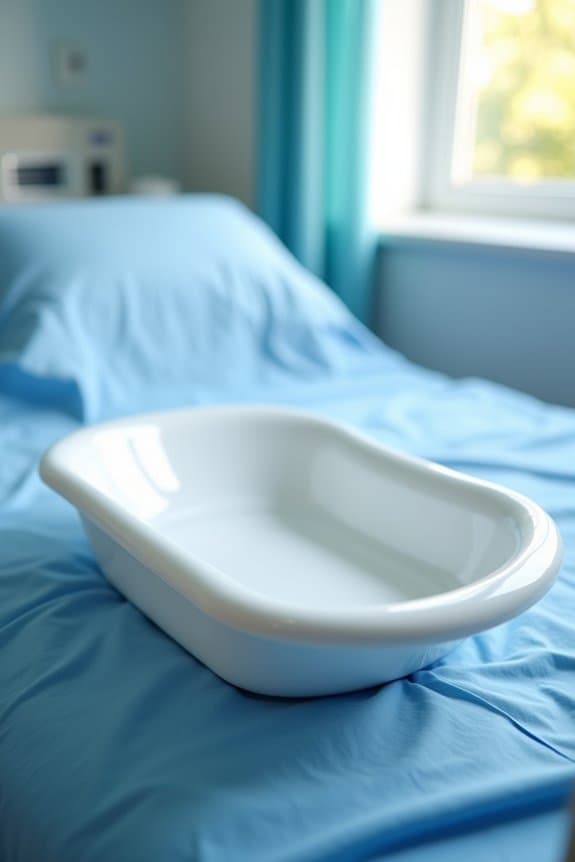
A bedpan is your essential medical tool for helping bedridden patients relieve themselves safely and comfortably in bed. You'll find different types available, including fracture pans for limited mobility, standard pans for general use, and specialized options for bariatric or pediatric needs. When using a bedpan, you'll want to prioritize patient dignity by ensuring privacy, proper positioning, and thorough sanitization after each use. Understanding proper techniques and best practices will make all the difference in providing compassionate care.
Key Takeaways
- A bedpan is a portable toileting device designed for bedridden patients who cannot access traditional bathroom facilities.
- Different types include fracture bedpans (flat design), standard bedpans (deeper), bariatric bedpans (wider), and pediatric bedpans (child-sized).
- Proper usage requires disposable gloves, gentle placement beneath patients, and maintaining privacy through screens or curtains.
- Bedpans must be thoroughly cleaned with hospital-grade disinfectant and sanitized for 10 minutes after each use.
- Patient comfort and dignity are maintained through proper positioning, clear communication, and creating a private, respectful environment.
Types of Bedpans and Their Specific Uses
Medical care providers and caregivers rely on several different types of bedpans to meet their patients' unique needs and comfort levels. You'll find fracture bedpans, which are flat and ideal for patients with limited mobility or hip injuries. Standard bedpans are deeper and more traditional, perfect for patients who can lift themselves slightly. There's also the bariatric bedpan, specially designed for larger patients, providing extra width and support. For children or smaller adults, you'll want to use a pediatric bedpan that's sized just right. Each type guarantees your loved one's comfort and dignity during their recovery. Healthcare professionals must ensure each bedpan type aligns with their duty of care responsibilities to maintain patient wellbeing and safety standards.
Essential Guidelines for Safe Bedpan Usage
Now that you've selected the right bedpan for your needs, it's time to understand how to use it safely and effectively. Always wear disposable gloves and verify your hands are clean before and after handling the bedpan. Position yourself or the patient comfortably, with the head slightly elevated if possible.
When placing the bedpan, slide it gently beneath the patient from the side, making sure it's centered properly. Once positioned, check that the wider end is aligned with the buttocks. You'll want to provide privacy and reassurance throughout the process, maintaining dignity at all times.
Remember to clean and sanitize the bedpan thoroughly after each use. If you're providing regular bedpan assistance, consider arranging for respite care services to take occasional breaks and prevent caregiver burnout.
Cleaning and Sanitizing Bedpan Equipment

Proper cleaning of bedpan equipment is essential for everyone's health and safety. After each use, you'll need to empty the contents into a toilet and rinse the bedpan thoroughly with warm water. Next, scrub the bedpan with a designated brush and hospital-grade disinfectant, paying special attention to all surfaces and corners.
Once you've cleaned the bedpan, spray it with a sanitizing solution and let it sit for the recommended time, usually about 10 minutes. Finally, rinse it well and dry it completely before storing. Remember to always wear gloves and protective equipment while cleaning, and wash your hands thoroughly when you're done. Regular sanitization is particularly crucial since diminished immune resilience in seniors makes them more susceptible to infections from improperly cleaned equipment.
Common Challenges and Practical Solutions

Using a bedpan can present several everyday challenges for both caregivers and patients, but there's always a helpful solution at hand. You'll find that most difficulties have straightforward solutions that can make the experience more comfortable and dignified for everyone involved. Maintaining proper body balance while using a bedpan is essential, similar to the principles used in senior balance-enhancing exercises.
| Challenge | Impact | Solution |
|---|---|---|
| Patient Discomfort | Anxiety and stress | Use proper positioning and cushioning |
| Spills and Leaks | Hygiene concerns | Place waterproof pads and guarantee correct angle |
| Privacy Issues | Emotional distress | Create a screened area and maintain clear communication |
Best Practices for Patient Comfort and Dignity

Maintaining dignity and comfort during bedpan use stands at the heart of quality patient care. You'll want to guarantee proper privacy by closing doors and using curtains or screens to create a protected space. Always explain what you're doing before any action, and reassure your patient throughout the process.
Position the patient comfortably, using pillows for support when needed. You can help them feel more at ease by keeping them covered as much as possible, exposing only necessary areas. Remember to communicate gently, maintain a respectful tone, and respond promptly when they indicate they're finished. Creating a restful environment through proper lighting and temperature control can help reduce anxiety during bedpan use.
Proper Storage and Maintenance Requirements

Safe storage of bedpans begins with thorough cleaning and disinfection after each use. You'll want to store your bedpans in a clean, dry area that's specifically designated for medical equipment storage, away from direct sunlight and heat sources.
Keep your bedpans upside down on a sturdy shelf or in a dedicated cabinet to prevent water collection. It's important to inspect them regularly for cracks, chips, or wear that could compromise their effectiveness. If you're using reusable bedpans, replace them when you notice any damage. For plastic disposable bedpans, always check the manufacturer's guidelines for proper storage temperature and conditions.
Training Tips for Caregivers and Healthcare Staff
Proper training forms the foundation of confident and competent bedpan care. You'll need to master several key skills to provide your patients with dignified, effective support. Start by practicing proper positioning techniques, ensuring you can safely lift and position patients while protecting your own back.
Learn to communicate clearly with your patients, explaining each step of the process to help them feel more at ease. You'll want to perfect your cleaning and sanitizing routine, making sure you're thorough yet efficient. Remember to practice with empty bedpans first, and don't hesitate to ask experienced colleagues for guidance and feedback.
Frequently Asked Questions
How Long Can Someone Safely Use a Bedpan Before Needing a Break?
Just like a Netflix binge needs breaks, you shouldn't use a bedpan for more than 30 minutes at a time. You'll want to take regular breaks every few hours to prevent skin irritation and discomfort. If you're using a bedpan during the day, it's best to alternate between lying flat and sitting up when possible. Remember, if you're feeling any pain or pressure, don't hesitate to ask for help.
Can Bedpans Be Used While Sitting in a Wheelchair?
Yes, you can use a bedpan while sitting in a wheelchair, but you'll need to be extra careful with positioning and support. You'll want to guarantee you're using a fracture bedpan, which is flatter and easier to slide into place. It's important to have a caregiver help you maintain proper balance and comfort during use. Remember to place a protective pad on the wheelchair cushion, and make certain you're in a private, safe space before attempting use.
Are There Weight Limits for Different Types of Bedpans?
Yes, you'll find that most bedpans come with specific weight limits, which you should always check before use. Standard plastic bedpans typically support up to 300-400 pounds, while heavy-duty models can handle up to 600 pounds. Metal bedpans are often stronger, supporting weights up to 800 pounds. For your safety and comfort, you'll want to check the manufacturer's guidelines, as exceeding weight limits could lead to damage or accidents.
Do Insurance Companies Typically Cover the Cost of Bedpans?
Like maneuvering through a maze, getting insurance coverage for bedpans can be tricky. You'll find that Medicare Part B typically covers 80% of the cost if you have a doctor's prescription and get your bedpan from a Medicare-approved supplier. Most private insurance companies will cover bedpans when they're deemed medically necessary, but you'll want to check with your specific provider about coverage details and any required documentation.
What Alternatives Are Available for Patients Who Can't Use Traditional Bedpans?
If you're unable to use traditional bedpans, you'll find several helpful alternatives that can make your life easier. You can try using portable urinals, which come in different shapes for men and women, or look into bedside commodes that work like regular toilets. There are also specialized products like absorbent pads, adult briefs, and fracture bedpans that are designed for people with limited mobility or specific medical conditions.
Keep reading

20 Latest Crochet Neck Warmer Ideas To Try In 2025!
Link up with the 20 best crochet neck warmers that blend warmth and style—discover which designs will transform your winter wardrobe!

20 Amazing Crochet Jewelry Ideas
Amazing crochet jewelry ideas await you, featuring unique designs that will inspire your creativity and elevate your accessory game to new heights.

20 Amazing Crochet Kit Ideas
Navigate through 20 amazing crochet kit ideas that spark creativity and joy; discover the perfect project to ignite your crafting passion!
Need personal guidance?
Talk to an advisor
Our care experts are here to help you make the right choice — for free.