Bathroom Grants For The Elderly - An Expert Guide For 2025!

As we grow older, ensuring our homes remain safe and accessible becomes more essential, especially in areas like the bathroom where risks of slips and falls are higher. Standard bathroom designs often aren’t suited for individuals with limited mobility, making daily routines a challenge. Fortunately, there are grants available in the UK that help the elderly modify their bathrooms to enhance both safety and ease of use. In this article, you'll discover the various bathroom grants on offer, learn how to apply, and understand the benefits they provide to support independent living at home.
Understanding Bathroom Grants for the Elderly
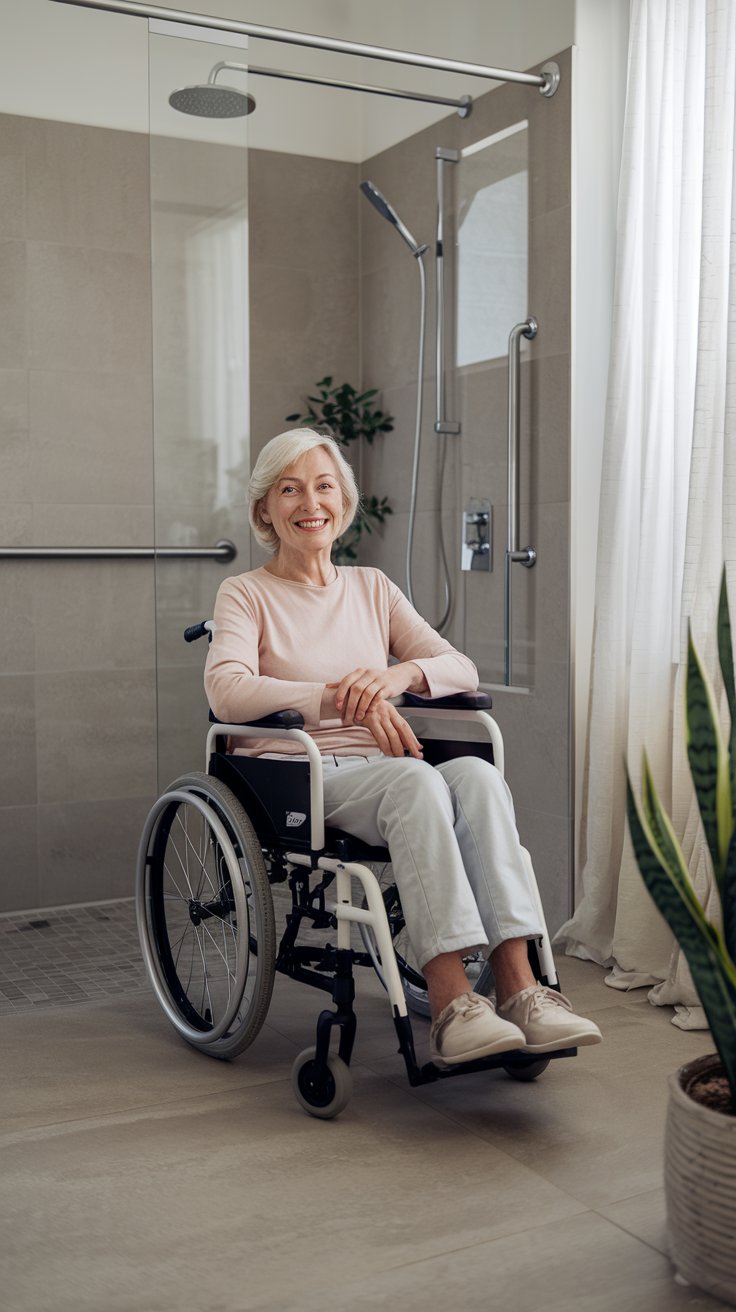
Bathroom grants for the elderly are designed to fund modifications that make bathrooms safer and more accessible. These grants can cover a range of adaptations, including installing walk-in showers, grab rails, raised toilets, and non-slip flooring. The goal is to enhance safety and independence, allowing elderly individuals to maintain a higher quality of life.
Key Grants Available
- Disabled Facilities Grant (DFG):
The primary source of funding for bathroom adaptations in the UK is the Disabled Facilities Grant. Offered by local councils, the DFG can provide up to £30,000 in England, £36,000 in Wales, and £25,000 in Northern Ireland. This grant can cover the cost of various bathroom modifications to improve accessibility and safety. - Local Council Grants:
In addition to the DFG, many local councils offer their own grants or loans for home adaptations. These can vary significantly by region, so it’s worth contacting your local council to inquire about specific programs available in your area. - Charitable Grants:
Numerous charities focus on assisting the elderly with home modifications. Organizations like Age UK and Independence at Home provide grants and financial support for bathroom adaptations. These charitable grants can be an excellent supplement to government funding or an alternative if you're ineligible for the DFG.
How to Apply for a Bathroom Grant
1. Initial Assessment:
The first step in applying for a bathroom grant is to contact your local council. They will typically arrange for an Occupational Therapist (OT) to visit your home and assess your needs. The OT will recommend specific adaptations based on your mobility and safety requirements.
2. Application Process:
After the assessment, you'll need to complete an application form for the Disabled Facilities Grant or any other local grants available. This form will require detailed information about your household income and savings, as financial means-testing often determines eligibility.
3. Obtaining Quotes:
You'll need to get quotes from contractors for the recommended work. Your local council or the grant provider may have preferred contractors, or you can choose your own. Ensure the quotes are comprehensive and cover all necessary adaptations.
4. Approval and Commencement:
Once your application is submitted, the council will review it and, if approved, provide the necessary funding. It's crucial not to start any work before receiving formal approval, as this can affect your eligibility.
Tips for a Successful Application
- Be Thorough: Provide detailed information and documentation to support your application. Incomplete applications can lead to delays.
- Communicate Regularly: Stay in touch with your council or grant provider to track the progress of your application.
- Explore All Options: Look into multiple funding sources, including charitable grants, to maximize the financial support you receive.
Grant Amounts and Variations:

The amount awarded from the Disabled Facilities Grant varies based on factors such as your location, household income, and savings. In England, the grant can go up to £30,000, in Wales up to £36,000, and in Northern Ireland, capped at £25,000. Notably, this grant is unavailable in Scotland, where other forms of support are offered for mobility equipment and accessibility adaptations.
Introduction to Alternative Funding Sources

Beyond the Disabled Facilities Grant, there are several other avenues in the UK for funding mobility and accessibility products. These alternatives, including charitable funds and different financial options, might sometimes suit your specific needs better.
Charitable Grants:
- Varied Options Based on Location: Your location within the UK plays a significant role in determining the availability of charitable funds. Researching local charities can uncover funds that cater to your area and situation.
- Helpful Resources: Websites like Disability Grants and Turn 2 Us serve as comprehensive databases of charitable grants. These platforms allow you to search by location or specific need and are invaluable for individuals seeking funds for themselves or on behalf of others.
Other Funding Methods:
- Loans: Bank loans are a traditional method of financing equipment, offering immediate funds. However, due to interest and fees, they can be costlier in the long run. Caution is advised, especially with high-interest short-term loans.
- Buy Now, Pay Later Schemes: Some companies offer schemes allowing monthly payments instead of a lump sum, which can ease immediate financial pressure despite potentially higher overall costs.
Considering Home Lifts:
For those seeking mobility aids like home lifts, it's worth noting that there are competitive pricing options in the UK. These robust solutions can offer a long-term improvement to your living space. For more tailored advice, consider consulting with advisors who can guide you through budget considerations and funding options.

How Long Does the Application Process for the Disabled Facilities Grant Typically Take?
The application process for the Disabled Facilities Grant in the UK can vary in duration depending on several factors. Typically, the entire process, from initial application to the final decision and grant allocation, can take several months. Here's a general breakdown:
- Initial Application: After submitting your application, the local council may take a few weeks to acknowledge receipt and start the assessment process.
- Assessment and Approval: The council will arrange for an assessment of your needs, usually carried out by an Occupational Therapist. This assessment and any necessary approvals (like planning permissions for structural changes) can add time to the process. This stage can take several weeks to a few months.
- Quotes and Approvals: Once your needs are assessed, you'll need to obtain quotes for the work. The council must approve these quotes and ensure they're within budgetary limits.
- Final Decision: After all assessments and approvals, the council will decide. This part of the process can vary in time, depending on the council's procedures and workload.
It's important to maintain regular communication with your local council throughout the process and promptly provide additional information or documentation to avoid delays. Additionally, starting any work before the grant is approved can result in ineligibility for the grant. Always wait for the final approval to ensure you receive the financial support you need.
Conclusion
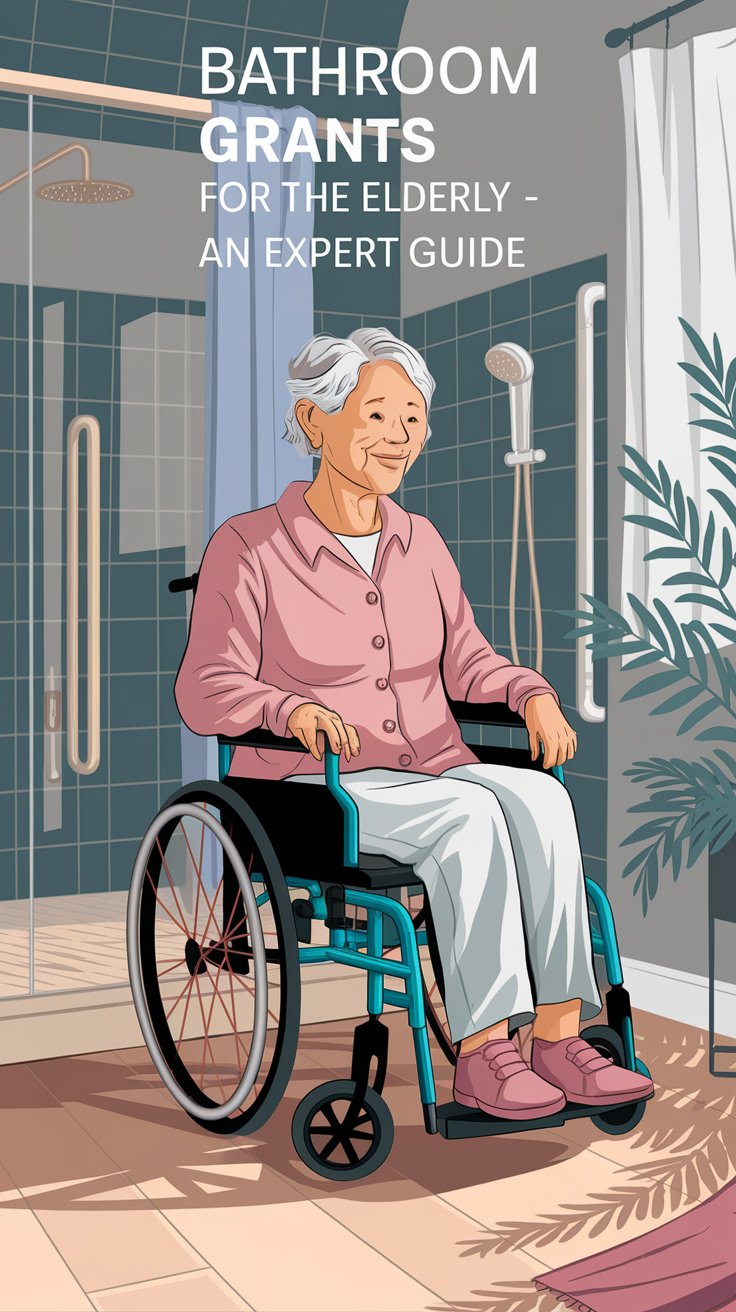
In conclusion, bathroom grants for the elderly are invaluable resources that help transform bathrooms into safe, accessible spaces, enhancing the quality of life for older individuals. By understanding the available grants and following a structured application process, you can secure the necessary funding for vital bathroom adaptations. Don't hesitate to reach out to your local council or relevant charities to explore your options and take the first step towards a safer, more comfortable home.
Useful Links To Learn More
- Gov.uk Disabled Facilities Grant – Provides financial assistance for home adaptations, including bathroom modifications, to support independent living for elderly or disabled individuals. Gov.uk Disabled Facilities Grant
- Age UK Home Improvement Agencies – Offers information on grants and funding options available for home adaptations to support the elderly. Age UK Home Improvement Agencies
- Turn2us Grants Search – A helpful tool to search for grants that may help cover the costs of home adaptations like bathroom modifications for the elderly. Turn2us Grants Search
- Foundations Independent Living Trust (FILT) – Provides assistance for home repairs and adaptations, including help with bathroom modifications for older adults. Foundations Independent Living Trust
- Home Adaptations Consortium – Offers guidance and advice on making home adaptations, including grants for bathroom modifications to improve accessibility. Home Adaptations Consortium
Feature Photo by Marcus Aurelius via Pexels
Keep reading

20 Amazing Crochet Beginner Ideas
Join the fun with these 20 amazing beginner crochet projects that will inspire your creativity and lead you to endless possibilities!
20 Amazing Crochet Blue Ideas
Join us as we unveil 20 amazing blue crochet projects that will inspire your creativity and elevate your crafting game!
20 Amazing Crochet Black Ideas
Marvel at these 20 amazing black crochet projects that will ignite your creativity and inspire your next crafting adventure! Discover your new favorite today.
Need personal guidance?
Talk to an advisor
Our care experts are here to help you make the right choice — for free.