Blog
Can Mobility Scooters Go On Buses - An Expert Guide
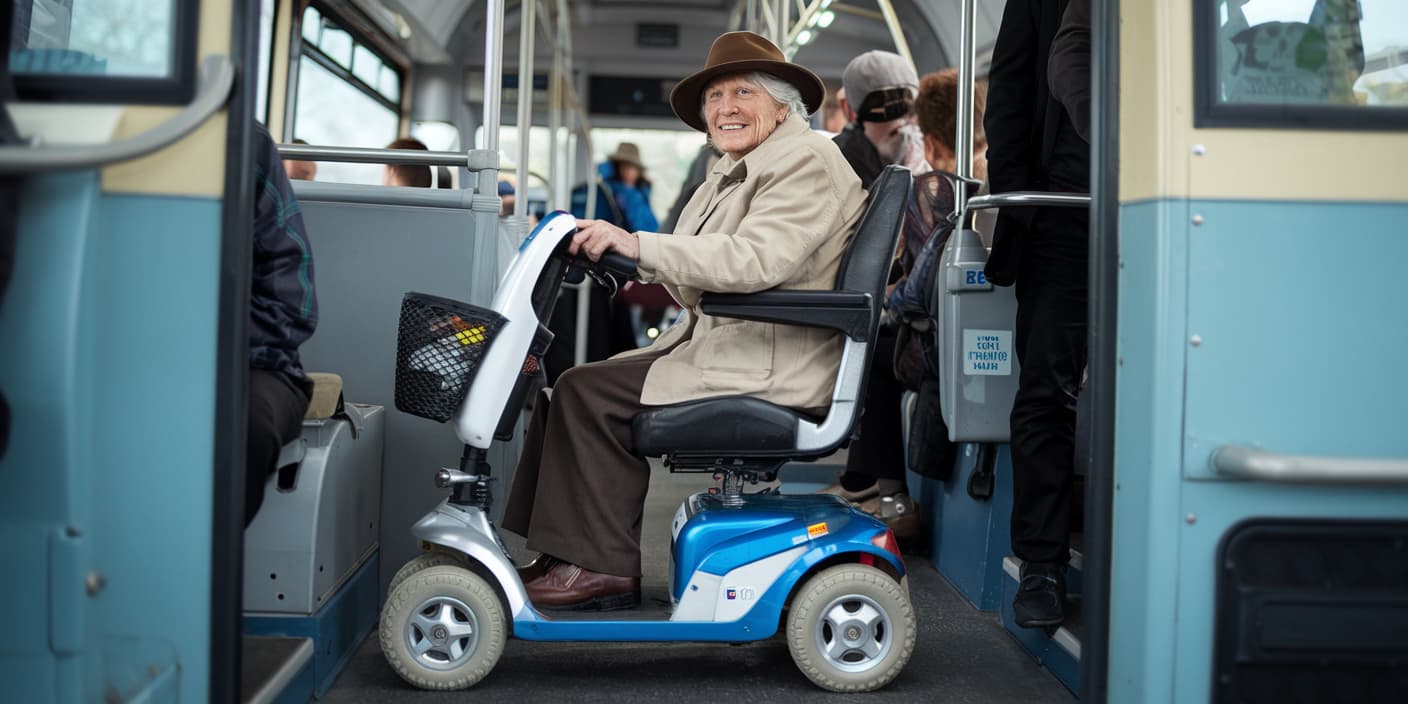
Yes, you can take your mobility scooter on most public buses! Modern buses are equipped with ramps and designated spaces to accommodate scooters that meet standard size requirements (typically under 27 inches wide and 47 inches long). You'll need to follow specific boarding procedures, and drivers are required by law to assist you. While each bus operator may have slightly different policies, they must provide accessible service under the ADA. There's plenty to learn about making your bus journey smooth and comfortable.
 Most public buses have specific size and weight limits that you'll need to know before traveling with your mobility scooter. Generally, your scooter shouldn't exceed 30 inches in width, 48 inches in length, and should weigh less than 600 pounds when occupied. A good rule of thumb is that your scooter should fit comfortably within the bus's designated wheelchair space.
You'll want to check that your scooter can navigate the bus's ramp or lift, which typically requires a turning radius of 50 inches or less. Remember, these measurements aren't just numbers - they're designed to keep you safe and guarantee you'll have a smooth journey. For additional peace of mind while traveling, consider installing the Red Panic Button app to quickly alert family members of your location during bus journeys.
Most public buses have specific size and weight limits that you'll need to know before traveling with your mobility scooter. Generally, your scooter shouldn't exceed 30 inches in width, 48 inches in length, and should weigh less than 600 pounds when occupied. A good rule of thumb is that your scooter should fit comfortably within the bus's designated wheelchair space.
You'll want to check that your scooter can navigate the bus's ramp or lift, which typically requires a turning radius of 50 inches or less. Remember, these measurements aren't just numbers - they're designed to keep you safe and guarantee you'll have a smooth journey. For additional peace of mind while traveling, consider installing the Red Panic Button app to quickly alert family members of your location during bus journeys.
 After confirming your scooter meets the size requirements, you'll need to know the proper way to board and exit the bus safely. Your safety and comfort are our top priority, and with these simple steps, you'll feel confident using public transportation.
 Since different bus companies and regions have their own rules about mobility scooters, you'll need to check the specific policies in your area. Most operators welcome scooter users but have guidelines about size, weight, and required documentation.
You'll find that many companies offer free assessment services to verify your scooter is bus-compatible. Don't hesitate to contact your local transit authority - they're there to help you navigate their specific requirements and make your journey smoother. Physical stamina is essential for bus drivers and staff who may need to assist mobility scooter users with boarding and disembarking safely.
Since different bus companies and regions have their own rules about mobility scooters, you'll need to check the specific policies in your area. Most operators welcome scooter users but have guidelines about size, weight, and required documentation.
You'll find that many companies offer free assessment services to verify your scooter is bus-compatible. Don't hesitate to contact your local transit authority - they're there to help you navigate their specific requirements and make your journey smoother. Physical stamina is essential for bus drivers and staff who may need to assist mobility scooter users with boarding and disembarking safely.
 Although using mobility scooters on buses can present some hurdles, you'll find most challenges have straightforward solutions that will help make your journey smoother. With proper preparation and know-how, you can confidently navigate public transportation.
 Before you can use your mobility scooter on public buses, most transit authorities require specific training and certification to guarantee everyone's safety and comfort. You'll need to attend a brief training session where you'll learn essential boarding techniques, safety protocols, and proper positioning in the designated spaces.
During training, you'll practice maneuvering your scooter, using the ramp or lift, and securing your device. Once you've mastered these skills, you'll receive a certification card that shows you're qualified to travel safely. Don't worry - the process is straightforward, and transit staff are there to support you every step of the way.
Before you can use your mobility scooter on public buses, most transit authorities require specific training and certification to guarantee everyone's safety and comfort. You'll need to attend a brief training session where you'll learn essential boarding techniques, safety protocols, and proper positioning in the designated spaces.
During training, you'll practice maneuvering your scooter, using the ramp or lift, and securing your device. Once you've mastered these skills, you'll receive a certification card that shows you're qualified to travel safely. Don't worry - the process is straightforward, and transit staff are there to support you every step of the way.
Key Takeaways
- Modern buses are legally required to accommodate mobility scooters under ADA regulations, with equipped ramps and designated spaces.
- Scooters must meet size requirements of under 30 inches wide and 48 inches long to safely fit on buses.
- Drivers must assist with ramp deployment and boarding, while passengers should signal early for assistance.
- Scooter users must position their device in designated spaces, engage brakes, and power down during transit.
- Combined weight of scooter and rider should not exceed 300 pounds for safe bus transport.
Legal Rights and Accessibility Standards for Bus Travel
While managing public transit might seem intimidating at first, mobility scooter users have strong legal protections that guarantee their right to bus transportation. The Americans with Disabilities Act (ADA) guarantees you're entitled to accessible bus service, and drivers must assist you when needed. You'll find that modern buses come equipped with ramps and designated spaces to secure your scooter safely. You don't need to feel nervous about your rights - buses must accommodate your mobility device as long as it fits within the standard size requirements. Remember, you're protected by law, and transportation providers must offer reasonable accommodations to make your journey comfortable. Transportation providers have a duty of care to ensure the health, safety, and wellbeing of all passengers, including those with mobility devices.Types of Mobility Scooters Permitted on Public Buses
Understanding which mobility scooters are allowed on buses builds directly on your legal rights to accessible transportation. You'll find that most public buses accommodate certain types of scooters, but it's important to know which ones meet the requirements before you travel. For seniors over 60 in England, using your free bus pass makes scooter transport even more affordable.- Class 2 scooters that are no wider than 27 inches and shorter than 47 inches
- Three-wheeled models that can turn within the bus's designated spaces
- Scooters with a combined weight (including rider) under 300 pounds
- Models with working brakes and the ability to be safely secured
Size and Weight Requirements for Bus-Friendly Scooters
Safe Boarding and Disembarking Procedures
- Signal the approaching bus driver early, indicating you'll need the ramp deployed
- Position your scooter parallel to the curb, facing the direction you'll board
- Wait until the ramp is fully extended and locked before slowly driving up at a steady pace
- Once inside, turn off your scooter power, engage the brakes, and secure any safety belts provided
Bus Operator Policies and Regional Variations
Essential Safety Features for Bus Travel
Three essential safety features on every mobility scooter will help guarantee your safe travel on buses. When you're ready to board, you'll want to make certain your scooter is equipped for a secure and comfortable journey.- Working brakes that lock firmly in place once you're positioned on the bus
- Anti-tip wheels to keep you stable during the ride, especially when the bus turns or stops
- A sturdy frame that can withstand being secured by the bus's tie-down system
- A turning radius of less than 47 inches to maneuver safely in the bus's designated space
Peak Hours and Travel Planning Strategies
Planning your bus travel during the right time of day can make your journey much more comfortable and stress-free. If possible, avoid rush hour between 7-9 AM and 4-6 PM, when buses are typically crowded with commuters. You'll find it easier to maneuver your mobility scooter during mid-morning or early afternoon hours. Call your local bus service to learn about their quieter times, and consider planning your trips around these periods. Some companies even offer real-time tracking apps that show how full each bus is. Remember, you'll feel more confident and relaxed when traveling during less busy times.Common Challenges and Solutions
- If you're worried about the ramp angle, ask the driver to kneel the bus first, making the slope gentler and safer
- When space seems tight, position your scooter at a 45-degree angle for easier maneuvering
- Keep your scooter's battery charged above 50% to guarantee reliable performance throughout your journey
- Consider practicing boarding during off-peak hours to build confidence without feeling rushed
Training and Certification Requirements
Tips for Successful Bus Journeys With Your Scooter
Making your bus journey comfortable and stress-free starts with a few simple, yet powerful tips that'll boost your confidence every time you travel. When you're prepared, you'll feel more at ease maneuvering public transportation with your mobility scooter.- Arrive at least 10 minutes early to allow time for boarding, and let the driver know you're waiting
- Position your scooter facing the right direction on the bus's designated space
- Always secure your scooter's brakes and power down before the bus moves
- Keep essential items within easy reach during your journey, including your bus pass and phone
Frequently Asked Questions
Can I Bring a Companion to Help Me on the Bus?
Yes, you can absolutely bring a companion to help you on the bus! Most transit services welcome and encourage travel companions or personal care attendants to assist passengers who need extra support. Your helper can aid you with boarding, securing your position, and disembarking safely. It's a good idea to let the bus driver know when you board that you're traveling with an assistant, and they'll guarantee you both have the space you need.What Happens if My Mobility Scooter Breaks Down During the Journey?
Just like a car running out of gas on the highway, a scooter breakdown can be stressful, but don't worry! If your mobility scooter stops working during your bus journey, you'll receive immediate assistance from the bus driver, who's trained to help. They'll contact dispatch for support and guarantee you're safe. You'll be helped off the bus at the next stop, and they'll connect you with local mobility repair services or arrange alternative transportation.Do I Need Special Insurance for Taking My Scooter on Buses?
While you don't typically need special insurance specifically for taking your mobility scooter on buses, it's a good idea to have general mobility scooter insurance that covers public transport use. This insurance can protect you against accidents, damage, or theft while you're traveling. You'll want to check with your current insurance provider to make sure your policy includes coverage for bus journeys, and if not, consider adding this protection.How Long Does the Scooter Battery Typically Last During Bus Journeys?
Your scooter's battery should last well through any bus journey, as most modern mobility scooter batteries can run for 8-20 miles on a single charge. You won't use much power during the actual bus ride since your scooter will be stationary. Just make sure you've charged your battery before heading out, and you'll have plenty of power for your journey to and from the bus stops.Are There Storage Options at Bus Stations for Mobility Scooters?
Most bus stations don't offer dedicated storage for mobility scooters, but you'll find some alternatives to help you out. You can check with your local station's customer service desk, as some offer temporary storage lockers or designated areas for mobility devices. If you're a regular traveler, you might want to contact your local transit authority to learn about any special accommodations they provide for storing your scooter safely.Keep reading

crochet
20 Latest Crochet Neck Warmer Ideas To Try In 2025!
Link up with the 20 best crochet neck warmers that blend warmth and style—discover which designs will transform your winter wardrobe!

crochet
20 Amazing Crochet Jewelry Ideas
Amazing crochet jewelry ideas await you, featuring unique designs that will inspire your creativity and elevate your accessory game to new heights.

crochet
20 Amazing Crochet Kit Ideas
Navigate through 20 amazing crochet kit ideas that spark creativity and joy; discover the perfect project to ignite your crafting passion!
Need personal guidance?
Talk to an advisor
Our care experts are here to help you make the right choice — for free.