What Do Carers Do in a Care Home? An Expert Guide In 2025
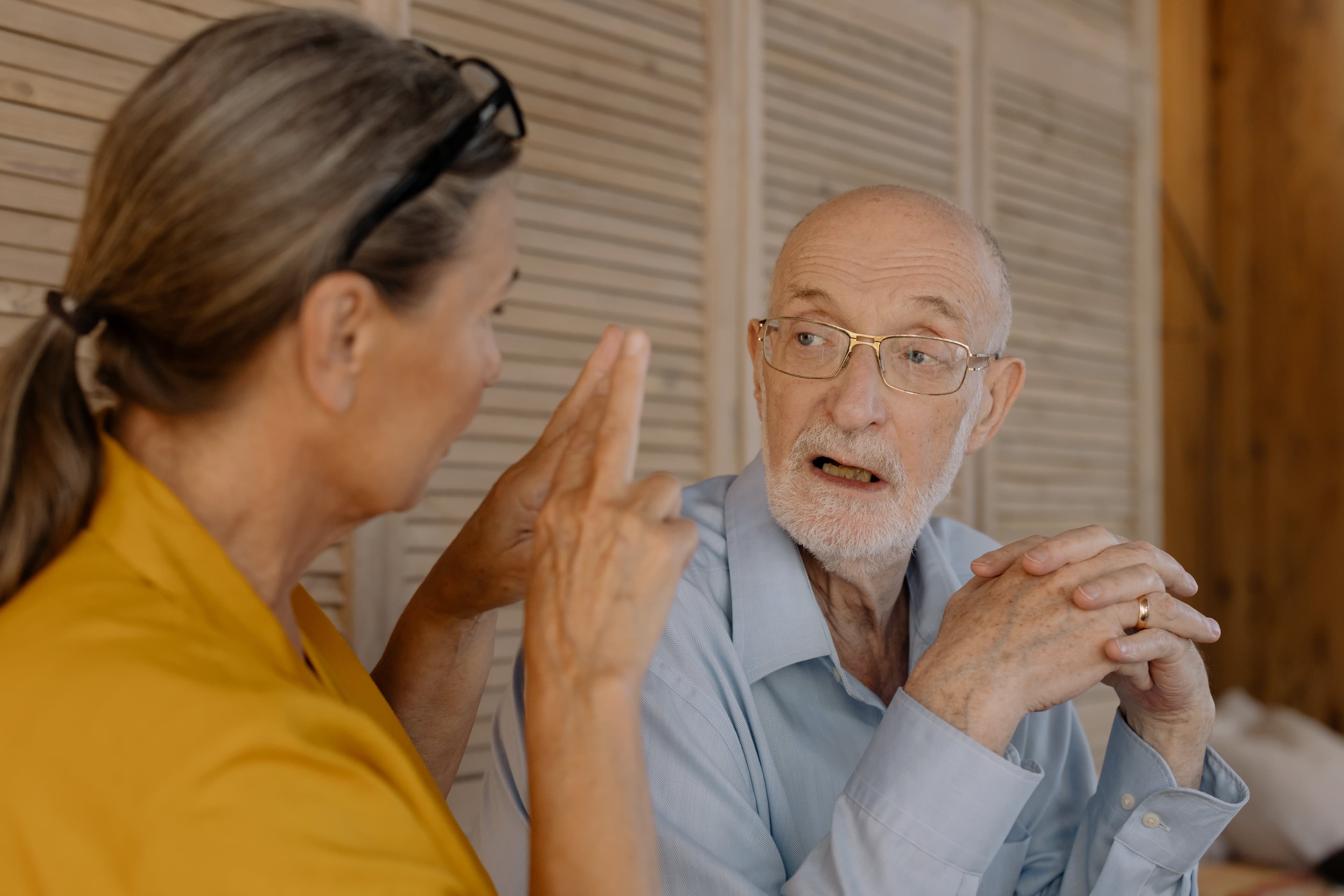
Embarking on a career as a carer in a care home is a journey of compassion and dedication, where you play a pivotal role in enriching the twilight years of others. This article delves into the heart of what it means to be a carer, from the essential qualities like empathy and patience to the diverse responsibilities and challenges you'll encounter. You'll gain insights into the daily life in care homes, understand the significance of your role in residents' lives, and receive practical advice on thriving in this fulfilling vocation. Whether you're considering a career shift or just starting out, this guide offers a comprehensive overview of what to expect and how to excel in this important profession.
Introduction To The Carer's Role
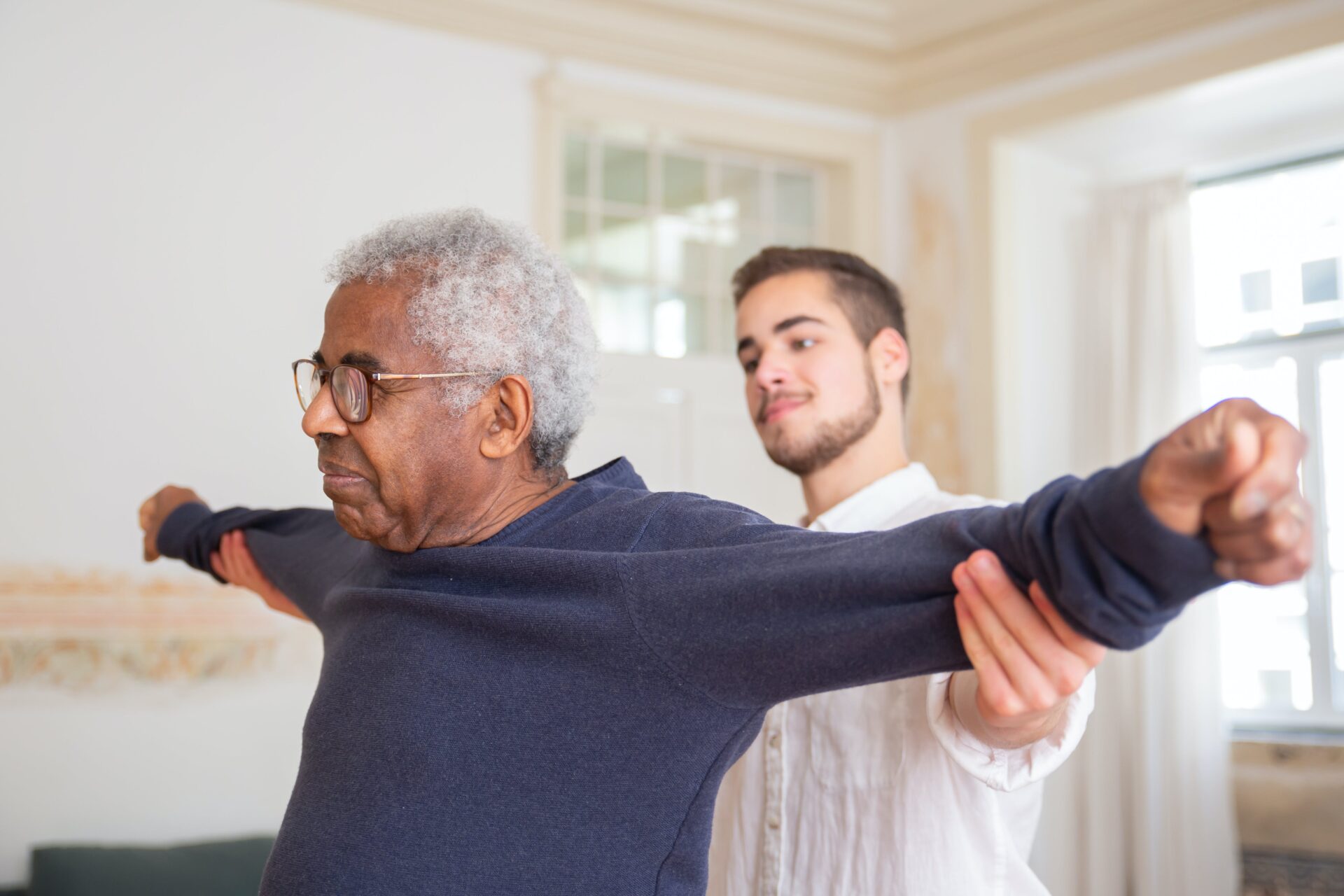
Embracing the role of a carer within residential or nursing homes in the United Kingdom presents a profoundly rewarding journey. Carers are the cornerstone of providing physical and emotional support to individuals, particularly in later stages of life. This vital role encompasses assistance with daily activities, medical needs, mental health support, and overall well-being.
Core Responsibilities In Care Homes
A carer's duties in a residential setting extend beyond basic personal care; they involve a holistic approach to the resident's well-being. Responsibilities include:
- Personal care: Assisting with hygiene, dressing, and applying necessary treatments.
- Emotional support: Offering compassion and understanding to enhance residents' mental well-being.
- Daily assistance: Engaging in routine tasks and helping residents navigate their day.
- Social engagement: Facilitating participation in activities and preserving social connections.
- Environmental maintenance: Ensuring a clean, safe, and welcoming living space.
- Record keeping: Diligently documenting care activities and any notable resident condition changes.
- Adherence to policies: Upholding care home standards and emergency protocols.
These duties underscore the commitment to enhancing the quality of life for residents, respecting their dignity, and maintaining confidentiality at all times.
A Day In The Life Of A Carer

An average day for a carer varies based on the care home's size and the nature of care provided. The day typically begins with assisting residents in their morning routines, followed by medical rounds and breakfast. Afternoons are filled with engaging residents in activities or hobbies, ensuring they have a fulfilling and active day. Evenings involve aiding in dinner service and preparing residents for the night. Importantly, carers provide continuous support, responding to needs at any hour.
Challenges In The Caring Profession
While immensely fulfilling, the role of a carer has its challenges. Physically, the job demands stamina and strength. Psychologically, carers often encounter complex conditions like dementia, requiring patience and adaptability. Compassion fatigue is a significant concern, as the emotional toll of caregiving can be substantial. Nonetheless, proper training and a supportive environment equip carers to effectively handle these challenges.
The Rewarding Nature Of Care Home Work
Despite its challenges, working in a care home is uniquely rewarding. Carers witness the positive impact of their work on residents and their families. The role offers diverse experiences and opportunities for personal and professional growth. For those with a genuine passion for supporting older people, a career in care offers a fulfilling path filled with meaningful interactions and the satisfaction of making a real difference in the lives of others.
What Training Is Required To Become A Carer In A Care Home?
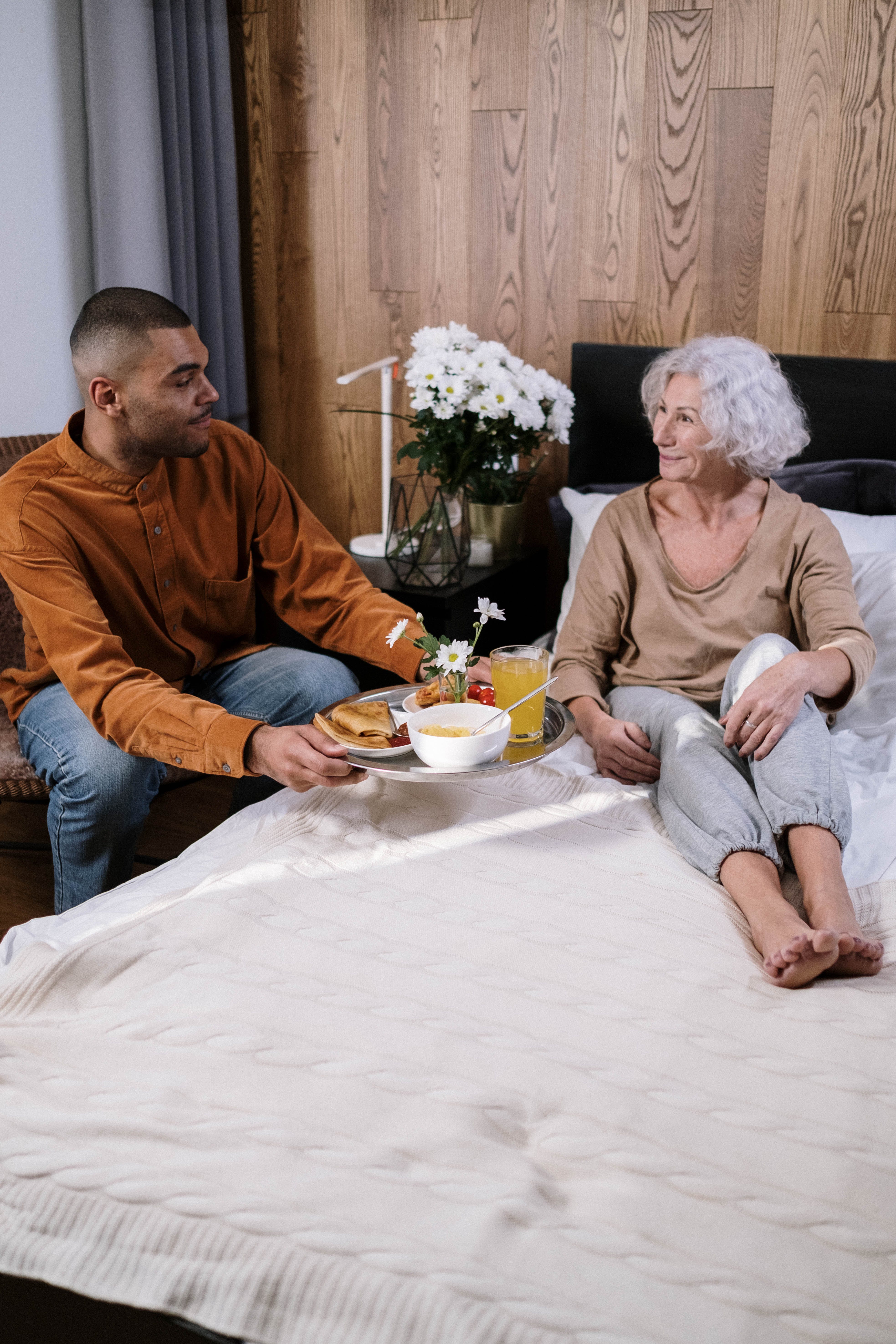
To become a carer in a care home in the United Kingdom, several types of training and qualifications are generally required or highly beneficial. The training requirements can vary depending on the specific role and the care home's policies, but they typically include:
- Induction Training: New care workers usually undergo induction training, which covers the basics of care, health and safety, first aid, food hygiene, and safeguarding vulnerable adults. This training is often aligned with the Care Certificate, a set of standards that all health and social care workers adhere to daily.
- NVQs or Diplomas in Health and Social Care: These vocational qualifications (such as Level 2 or Level 3 Diploma in Health and Social Care) provide more in-depth training and are highly regarded in the care sector. They cover various aspects of care, including understanding specific needs, communication, and more specialized care skills.
- Specialized Training: Depending on the needs of the residents, carers may require training in specific areas such as dementia care, end-of-life care, medication administration, and managing challenging behavior.
- On-the-Job Training: Many skills are developed through practical experience on the job, under the supervision of experienced staff.
- Continuous Professional Development (CPD): Carers must continually update their skills and knowledge through workshops, seminars, and further training. This ensures they stay informed about the latest best practices and regulations in care.
- First Aid and CPR Training: Essential for responding to emergencies and providing basic first aid care.
- Safeguarding and Protection Training: Understanding how to protect the welfare of vulnerable adults and recognizing signs of abuse or neglect.
In some cases, employers may not require formal qualifications at the entry-level but will provide necessary training and support for staff to gain qualifications while working. A caring disposition, good communication skills, and a commitment to providing high-quality care are equally important as formal training in this field.
12 Examples Of Activities & Hobbies That Carers Engage Residents In
Carers in care homes play a crucial role in engaging residents in various activities and hobbies that cater to their interests, abilities, and overall well-being. These activities promote physical health, mental stimulation, social interaction, and emotional well-being. Some common examples include:
- Arts and Crafts: Activities like painting, drawing, knitting, sewing, or crafting encourage creativity and fine motor skills. These can be therapeutic and offer a sense of accomplishment.
- Music and Dance: Listening to music, singing, playing instruments, or even dance sessions can be extremely enjoyable and stimulating for residents, often evoking positive memories and emotions.
- Gardening: Tending to plants outdoors or with indoor pots provides a sense of responsibility and connection to nature. Gardening can be adapted for those with limited mobility.
- Exercise and Movement: Gentle exercise classes, such as chair yoga, tai chi, or light stretching, help maintain physical health and mobility.
- Games and Puzzles: Board games, card games, bingo, and puzzles are excellent for cognitive stimulation and promoting social interaction.
- Reading and Storytelling: Group or individual reading sessions, storytelling, or book clubs encourage cognitive engagement and can be a source of relaxation and escapism.
- Cooking and Baking: Simple cooking or baking activities allow residents to participate in making their snacks or meals, fostering a sense of independence and achievement.
- Pet Therapy: Interaction with animals, such as therapy dogs, can be comforting and reduce feelings of loneliness or anxiety.
- Reminiscence Activities: Discussing old photographs, sharing stories from the past, or looking at historical items can be particularly engaging for those with dementia, helping them connect with their history.
- Social Events and Parties: Celebrating birthdays and holidays or hosting themed parties encourages socialization and provides a sense of community and fun.
- Tech-Based Activities: Using tablets or computers for games, video calls with family, or exploring the internet can be educational and entertaining.
- Outdoor Trips and Excursions: Depending on the mobility and health of residents, trips outside the care home to parks, museums, or local events can be organized.
These activities are enjoyable and crucial for maintaining the residents' quality of life, helping them stay as engaged, connected, and active as possible.
12 Qualities & Skills That Are Particularly Helpful For A Carer
Certain qualities and skills are especially beneficial for someone considering a career as a carer. These attributes enhance the quality of care provided and contribute to the overall job satisfaction and effectiveness in the role. Some of these key qualities and skills include:
- Empathy and Compassion: The ability to understand and share the feelings of others is crucial. Showing compassion and empathy helps provide patient-centered care and build trust with residents.
- Patience: Working with elderly or vulnerable individuals, especially those with dementia or other health issues, requires a lot of patience. Residents may take longer to perform tasks or communicate their needs.
- Communication Skills: Effective communication is vital in speaking clearly and listening attentively. This includes the ability to adjust communication styles to meet the needs of different residents.
- Observational Skills: Observing changes in a resident's condition or mood is important for early intervention and providing appropriate care.
- Physical Stamina: The role can be physically demanding, involving lifting, supporting residents to move, and being on their feet for extended periods.
- Reliability and Responsibility: Dependability is key in a care setting. Residents and colleagues rely on punctual, consistent, and trustworthy carers.
- Adaptability and Problem-Solving: The ability to adapt to different situations and think on your feet is valuable, as care settings can be unpredictable.
- Respect for Privacy and Dignity: Maintaining the dignity and privacy of residents is fundamental in care work. This includes respecting their choices and treating them with respect at all times.
- Teamwork: Working effectively with other staff ensures comprehensive resident care and a supportive work environment.
- Stress Management: Managing stress and staying calm under pressure is important, especially in challenging or emergencies.
- Cultural Sensitivity: Understanding and respecting residents' diverse backgrounds, beliefs, and values.
- Basic Healthcare Knowledge: While specific medical skills are often taught on the job or through formal training, a basic understanding of healthcare practices is beneficial.
These qualities, combined with a genuine passion for helping others, form the foundation of a successful and rewarding career in care. Continuous professional development and a willingness to learn are key to adapting and thriving in this dynamic field.
Conclusion
In conclusion, embarking on a career as a carer in a residential or nursing home is filled with challenges and profound rewards. It's a journey that demands resilience, compassion, and dedication. The risks, such as physical strain and emotional fatigue, are real, but they are matched by the immense satisfaction of making a tangible difference in the lives of our elders. As you consider this a noble profession, remember the importance of self-care and continuous learning to navigate the complexities of later life care effectively. Armed with the right skills and a heart full of empathy, you'll enrich the lives of those you care for and discover a deeply fulfilling purpose in your own life. Whether you're contemplating a career change or just starting out, the world of care offers a rewarding opportunity to contribute meaningfully to society while growing personally and professionally.
Feature Image Photo By cottonbro studio on Pexels
Keep reading

20 Amazing Crochet Beginner Ideas
Join the fun with these 20 amazing beginner crochet projects that will inspire your creativity and lead you to endless possibilities!
20 Amazing Crochet Blue Ideas
Join us as we unveil 20 amazing blue crochet projects that will inspire your creativity and elevate your crafting game!
20 Amazing Crochet Black Ideas
Marvel at these 20 amazing black crochet projects that will ignite your creativity and inspire your next crafting adventure! Discover your new favorite today.
Need personal guidance?
Talk to an advisor
Our care experts are here to help you make the right choice — for free.