What is a Retirement Village? An Expert Guide For 2025

Retirement villages offer a unique and tailored approach to later-life living, providing an ideal blend of independence, community, and convenience. These thoughtfully designed communities cater to retirees who value their freedom while enjoying access to a range of amenities and the company of like-minded neighbors. In this guide, we'll quickly explore what makes retirement villages appealing, weighing the benefits against potential downsides. We’ll also delve into the financial considerations, helping you understand the costs involved and what to look for before making a commitment. By the end, you’ll have a clear understanding of how to choose a retirement village that aligns with your lifestyle, ensuring a fulfilling and enjoyable experience in your golden years. Let’s dive into the essentials of finding the right retirement village for you…
Understanding Retirement Villages
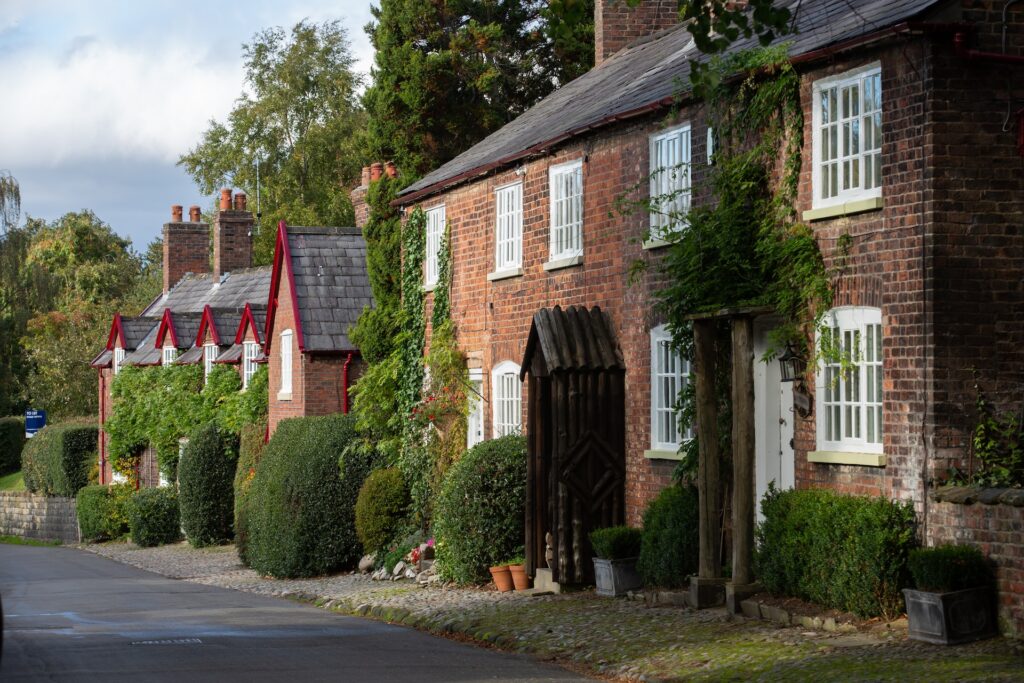
Defining a Retirement Village
Retirement villages are specially designed developments catering to the older demographic, typically welcoming individuals aged 55 and above. These villages are not just about providing a place to live; they're about enhancing the quality of life through various amenities. Residents can enjoy swimming pools, gyms, libraries, and even restaurants. These villages' significant advantage is the availability of on-site care, ensuring support is at hand whenever needed.
In the UK, retirement villages are a relatively recent yet rapidly growing sector. They offer retirees a stylish and independent lifestyle in serene and historically rich locations. Accommodation options vary, from houses and bungalows to apartments, offering choices for different preferences and needs.
One key distinction of retirement villages, as opposed to sheltered housing, lies in their premium facilities and desirable locations, often making them a pricier option. While sheltered housing is typically managed by local authorities, charities, or housing associations, retirement villages are usually available for purchase or rent. Warden-controlled housing is another option catering to those with minimal care needs.
Who Chooses Retirement Village Living?
Are you tired of household chores, longing for convenient recreational facilities, or eager to pursue new hobbies like tennis? If so, a retirement village might be your ideal destination. These communities target individuals over 55 who desire independence but appreciate having support accessible when necessary.
Retirement villages are designed to empower you to maintain control over your life, with the convenience of having everything within reach. They offer a perfect blend of independence, with the option of assistance for daily tasks. Socialization is another key aspect; these communities provide a safe and secure environment to connect with others with similar interests and lifestyles.
One of the primary attractions of retirement villages is the peace of mind they offer. Knowing that additional support is available if your needs change reassures you and your family.
Comprehensive Guide to Services and Considerations in Retirement Villages

Personal Care Services in Retirement Villages
Retirement villages uniquely tailor their care services to each resident's needs, ensuring a personalized approach. This flexibility allows residents to choose from various care packages, adapting as their requirements evolve. Commonly offered services include around-the-clock emergency support and customized hospitality packages. A popular choice is the planned care option, which assists as needed while promoting an active, independent lifestyle. The diversity in care options means that each individual's unique health and personal care needs can be adequately met within the community.
Advantages of Choosing a Retirement Village
- Independence and Ownership: Residents enjoy living independently on their property.
- Facilities and Amenities: Retirement villages boast various social and leisure facilities, including restaurants, pools, cafes, libraries, hairdressers, and beautifully maintained gardens.
- Social Opportunities: The community setting naturally fosters social interactions, with numerous opportunities to engage with peers sharing similar interests.
- Enhanced Security: The communal nature of these villages often results in a heightened sense of security compared to living alone.
- Guest Accommodations: Some villages offer guest suites, making visiting easier for family and friends.
- Access to Care Services: Many villages provide options for home help and personal care as needed.
- Deferred Payment Options: Certain villages offer deferred payment plans to ease financial burdens, allowing residents to enjoy their retirement years fully.
Potential Disadvantages to Consider
- Reduced Living Space: Downsizing often means moving into a smaller space than previous homes.
- Higher Cost: Properties within retirement villages can be more expensive than those on the open market, reflecting the luxurious nature of these communities.
- Additional Service Charges: Maintenance of communal areas and facilities may require monthly or annual fees.
Despite these considerations, retirement villages offer expert downsizing and home customization support. Financial advisory services are also available to help manage the transition and ensure a comfortable financial arrangement.
Costs of Living in a Retirement Village
Retirement villages typically command a premium due to the luxurious lifestyle they offer. Generally, these properties are priced 5-10% higher than standard properties of similar size. This price reflects the extensive range of communal facilities, on-site support, enhanced security, and concierge services often included.
Breakdown of Additional Costs in Retirement Villages

- Management/Service Fees: These fees usually range from £500 to £700 per month, covering the maintenance of communal facilities, site security, upkeep of green spaces, and the management team's services.
- Care Costs: The cost for additional support in a retirement village can be substantial, potentially amounting to hundreds of pounds weekly (around £1,300 per month), depending on the level of care required.
- Utility and Living Expenses: Expenses such as gas, water, electricity, and Wi-Fi are typically the resident's responsibility, though this can vary from one village to another.
- Deferred Management Fee: A deferred management fee is applicable when selling your home or changing occupiers. This fee is essential for ensuring the village can sustain high standards and do the necessary work.
Retirement Village Companies to Consider
- Anchor Hanover: With a reputation for care homes across the country, Anchor Hanover also offers retirement village properties in Buckinghamshire and Hampshire. They focus on maintaining independent living, offering one or two-bedroom apartments tailored to retirees' needs.
Understanding these costs and options is crucial for anyone considering a move to a retirement village. It's about balancing the luxurious lifestyle and comprehensive services with the financial implications, ensuring a comfortable and secure retirement.
Prominent Retirement Village Companies
- Audley Villages: Offering a choice of houses, cottages, or apartments in 20 locations across England, Audley Villages range from Yorkshire to Devon. Their properties include home-care services and offer the flexibility of being sold on the open market.
- Inspired Villages: Operating ten retirement villages and expanding with new developments, Inspired Villages offers facilities and care support services—their properties, available for purchase or rent, range from one to three bedrooms.
- McCarthy and Stone: With a UK-wide presence, McCarthy and Stone specialize in retirement and assisted living apartments, supplemented with various support services.
- MHA: As a Christian charity, MHA supports over 18,000 elderly individuals across Britain, offering a range of retirement living options, including villages, apartments, and other housing solutions.
- Retirement Villages: Located in the home counties, southwest and east of England, Retirement Villages operates 16 sites. While primarily focusing on independent living, some sites offer residential, nursing, and specialist dementia care through HC-One.
- Richmond Villages: Catering to those over 55, Richmond Villages provides luxury homes in 10 villages, complete with spas, swimming pools, gyms, and on-site restaurants. They also offer care-at-home services, residential care homes, and specialist dementia care.
Comparing Retirement Villages with Other Senior Living Options

- Retirement Villages vs. Care Homes: Care homes cater to elderly residents requiring regular assistance with daily activities and offer round-the-clock care. While promoting some level of independence, care homes are generally smaller than retirement villages and cover care-related expenses, food, and accommodation in their fees.
- Retirement Villages vs. Sheltered Housing: Sheltered housing is designed to help seniors maintain independence while providing support when needed. Typically structured as a block of flats, sheltered housing offers amenities like cafes and health clubs. Managed by a site manager, these facilities also include 24-hour emergency alarm systems for residents' safety.
How Do the Financial Aspects of Living in a Retirement Village Work?
- Purchase Price: The initial cost of buying a property in a retirement village varies based on location, size, and amenities offered. This price is often higher than comparable standard properties due to the additional facilities and services.
- Management/Service Fees: Residents must usually pay monthly or annual fees. These fees cover the maintenance of communal areas, security, and the services of the management team. The amount can vary but often ranges from £500 to £700 per month.
- Care Costs: These will be charged separately if you require additional care services. The cost depends on the level of care needed and can be significant, with some residents paying hundreds of pounds weekly.
- Utility and Living Expenses: Residents typically handle utility bills, such as gas, water, electricity, and Wi-Fi. However, this can vary between different villages.
- Deferred Management Fee: A deferred management fee is usually applied upon selling your property or changing occupiers. This fee contributes to the village's ongoing maintenance and high standards and is calculated based on the property's sale price or value.
- Resale Value: The value of your property in a retirement village can fluctuate based on market conditions and the village's desirability. Some retirement villages have specific terms regarding the resale of properties, which can impact the return on your investment.
- Exit Fees: Some retirement villages charge an exit fee when you leave or sell your property. This fee can vary and should be considered when budgeting.
- Financial Planning Services: Many retirement villages offer financial planning services to help residents manage these costs effectively.
It's important to thoroughly research and understand all the financial implications before committing to living in a retirement village. Consulting with a financial advisor who understands this sector can also be beneficial in navigating these complexities.
11 Factors To Considered When Selecting a Retirement Village
- Location: Consider the geographical location of the village. Proximity to family, friends, and familiar amenities can be important. Also, consider the environment – whether you prefer a rural, suburban, or urban setting.
- Facilities and Amenities: Assess the range and quality of facilities like swimming pools, gyms, libraries, and dining options. Ensure they align with your hobbies, interests, and lifestyle.
- Type of Accommodation: Look at the various housing options available – from apartments to bungalows – and consider size, layout, accessibility, and whether they meet your current and future needs.
- Care Services: Understand the level of care and support provided. This includes emergency services, regular check-ins, and availability of medical care. Consider how these services might adapt as your needs change over time.
- Community and Social Life: The social aspect is crucial. Investigate the community's vibe and the kinds of social activities and clubs offered. Interacting with current residents can provide valuable insights.
- Costs and Financial Arrangements: Understand all costs involved, including upfront fees, ongoing service charges, and additional costs for extra services. Be aware of exit fees and terms related to the property's resale.
- Management and Staff: The quality of management and staff directly impacts daily life. Consider their approachability, professionalism, and the level of service they provide.
- Transport and Accessibility: Check available transport links for easy travel outside the village. Also, consider the accessibility within the village, especially if mobility is or may become a concern.
- Policies and Restrictions: Be aware of any rules or restrictions, such as pet policies, guest policies, and other regulations that could affect your lifestyle.
- Reputation and Reviews: Research the reputation of the village and the company managing it. Reading reviews and speaking to current and former residents can provide a realistic picture of life in the village.
- Future Health Care Needs: Consider how well the village can accommodate future health care needs, including more intensive nursing or dementia care.
Decision-Making Checklist for Choosing a Retirement Village
- Location: Proximity to family, friends, and amenities; desired environment (urban, suburban, rural).
- Facilities and Amenities: Availability and quality of gyms, pools, libraries, dining options, and social areas.
- Accommodation Types: Variety and suitability of housing options (houses, bungalows, apartments).
- Care Services: Level and flexibility of on-site care and emergency support.
- Community and Social Life: Opportunities for socializing and community activities.
- Costs: Understanding of all fees, including purchase price, service fees, care costs, and utility expenses.
- Management and Staff: Quality and reputation of management and support staff.
- Transport and Accessibility: Ease of travel and internal accessibility for mobility needs.
- Policies and Restrictions: Rules regarding pets, guests, and other regulations.
- Reputation and Reviews: Research and feedback from current and former residents.
- Future Health Care Needs: Capability to accommodate future healthcare requirements.
This checklist ensures you cover all essential aspects when selecting a retirement village, aligning with your needs and lifestyle preferences.
Conclusion
In conclusion, choosing the right retirement village is a journey that intertwines practicality with pursuing a fulfilling and comfortable lifestyle. It's essential to balance your desires for social engagement, quality facilities, and appropriate care with the realities of financial commitments and long-term planning. Remember, while there are risks, such as financial uncertainties and adapting to a new community, the rewards of finding a place that resonates with your lifestyle and values are immense. Approach this decision with thorough research, considerate reflection, and consultation with family and financial advisors. Doing so empowers you to make an informed choice that aligns with your aspirations for a vibrant, secure, and enjoyable retirement. The perfect retirement village is out there for you, one that meets your needs today and supports your dreams for the future. Take the first step with confidence and optimism, knowing that this decision marks the beginning of an exciting new chapter in your life.
Useful Links To Learn More
- Age UK – Retirement Villages and Housing Options – A detailed overview of retirement villages, including the benefits and what to consider when choosing one.
- Which? – Guide to Retirement Villages – Indepth reviews and comparisons of retirement villages across the UK, helping you make an informed decision.
- Retirement Villages Group – Explore Retirement Living – Information on a range of retirement villages, including lifestyle options and services available to residents.
- HousingCare.org – Search for Retirement Villages – A directory of retirement housing options, including retirement villages, with detailed descriptions and facilities.
- Elderly Accommodation Counsel – Retirement Villages – Resources and advice on retirement villages, including search tools to find the right village for your needs.
Feature Photo by https://unsplash.com/photos/senior-man-sitting-on-sofa-together-with-his-friends-in-the-room-and-showing-something-on-digital-tablet-YPNAhmyFjKI
Keep reading

20 Amazing Crochet Beginner Ideas
Join the fun with these 20 amazing beginner crochet projects that will inspire your creativity and lead you to endless possibilities!

20 Amazing Crochet Blue Ideas
Join us as we unveil 20 amazing blue crochet projects that will inspire your creativity and elevate your crafting game!

20 Amazing Crochet Black Ideas
Marvel at these 20 amazing black crochet projects that will ignite your creativity and inspire your next crafting adventure! Discover your new favorite today.
Need personal guidance?
Talk to an advisor
Our care experts are here to help you make the right choice — for free.