How To Join The Gym When You Are Over 50 - An Expert Guide For 2025!
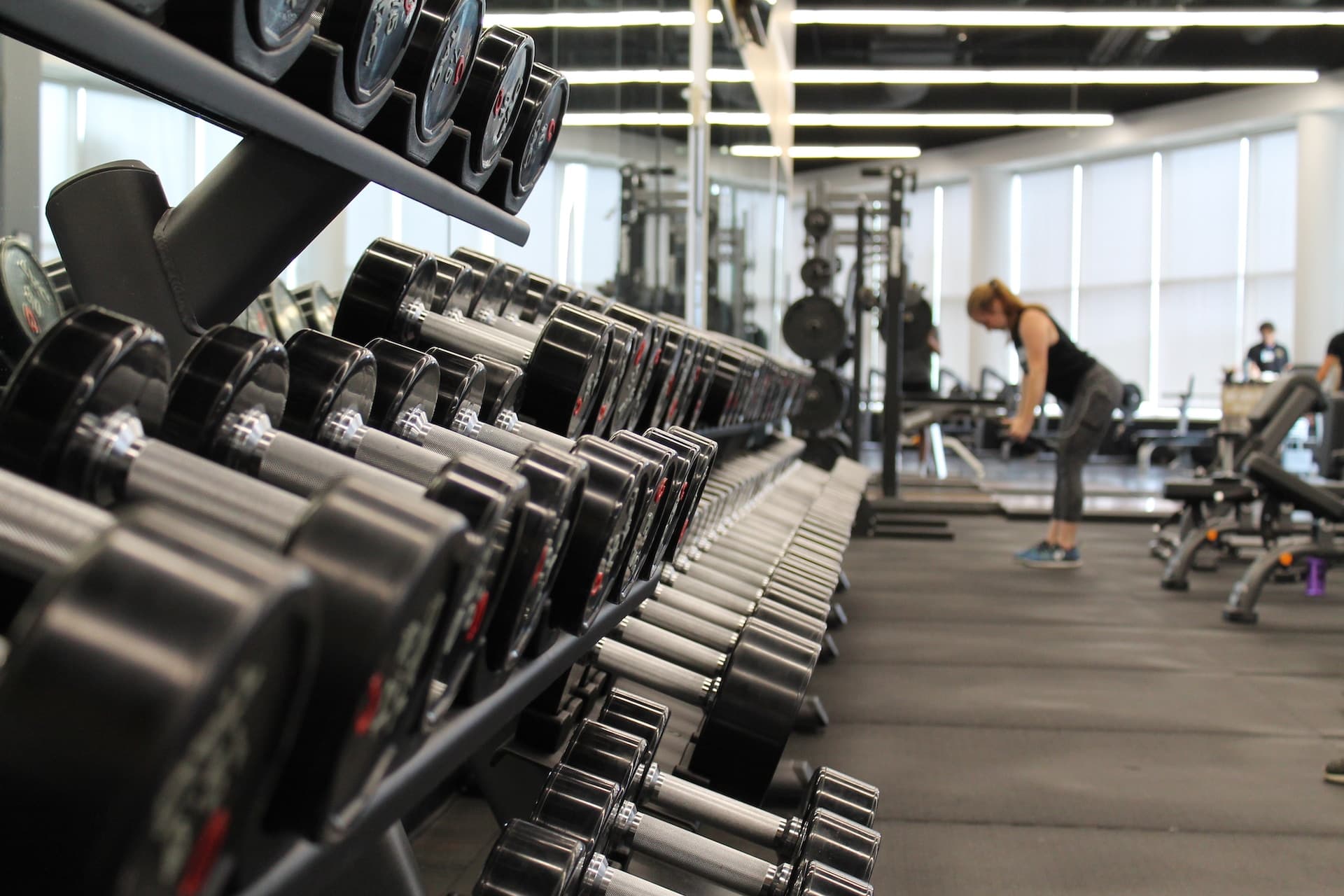
Strength and balance training are key to maintaining bone density, muscle mass, and coordination as we age—benefits that extend beyond the physical to enhance mood and ward off depression. Even if the gym isn't your usual go-to, it offers a variety of tools to kickstart your health journey. In this article, we’ll break down 12 simple, practical steps that will help you approach gym workouts with confidence and ease. Whether you're new to fitness or returning after a break, these tips are designed to ensure your time at the gym is not only effective but enjoyable, empowering you to take control of your health with greater clarity and purpose. Let's dive in…
Selecting The Right Gym For You
Choosing the right gym is a crucial first step in the journey towards a healthier, more active retirement. Explore local options and consider proximity, available classes, and equipment. Many gyms offer free tours and guest passes, allowing you to experience the environment firsthand. This exploratory phase is vital; it ensures your chosen gym aligns with your interests and lifestyle, setting the stage for a successful fitness journey.
Gym Induction: A Valuable Starting Point
Upon joining a gym, partake in the offered induction session. Led by qualified instructors, these tours introduce you to the gym’s facilities and educate you on the proper use of equipment. Skipping this step can lead to ineffective workouts or injuries. Inductions also present an opportunity to seek personalized advice on achieving specific health goals, such as improving strength or balance.
Define Your Fitness Goals And Plan Accordingly
Identify your fitness objectives before hitting the gym. Goals range from enhancing cardiovascular health to improving balance and strength. Research exercises and routines that align with these aims. Many gyms offer free consultations to help tailor a diet and exercise plan to your needs. Utilizing resources like YouTube can also provide valuable guidance.
Overcoming Gym Intimidation
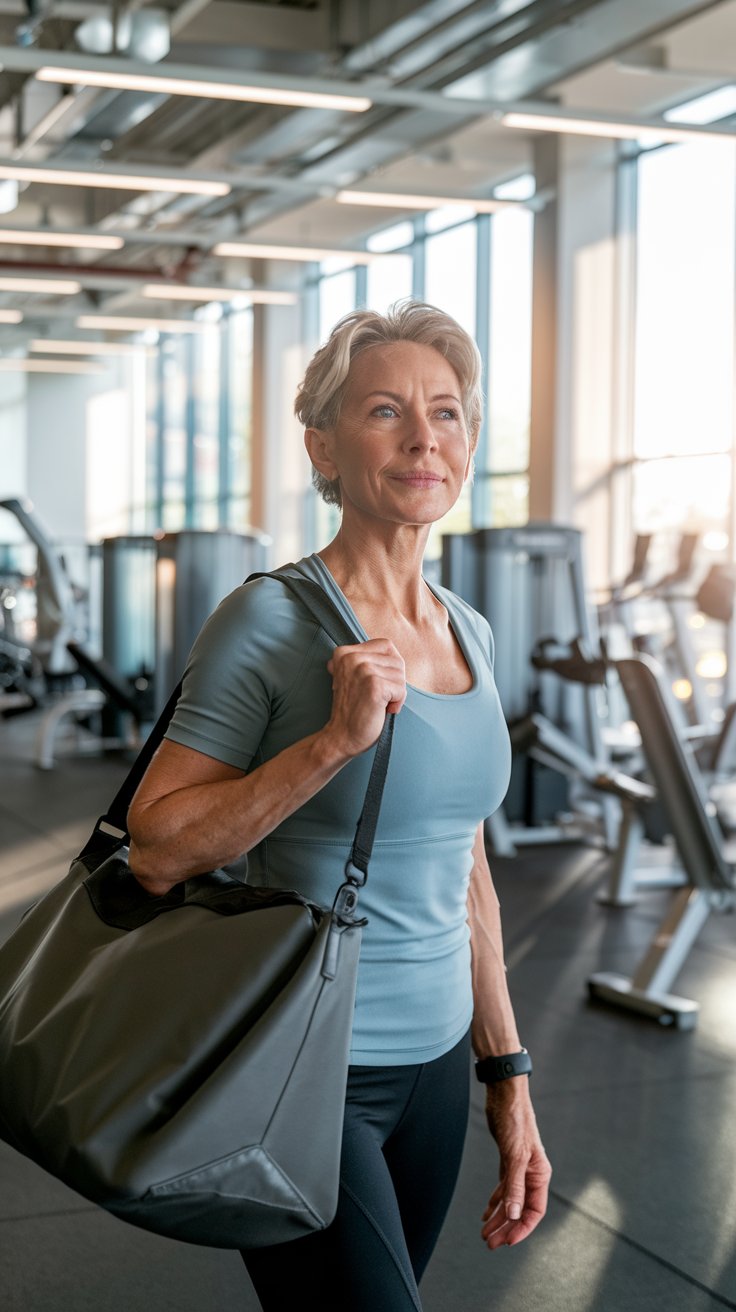
It's common to feel self-conscious when starting out. Remember, everyone at the gym is focused on their own goals. Concentrate on your workout and progress; the opinions of others are inconsequential. This mindset helps you maximize the benefits of your gym time.
Building Confidence Through Classes
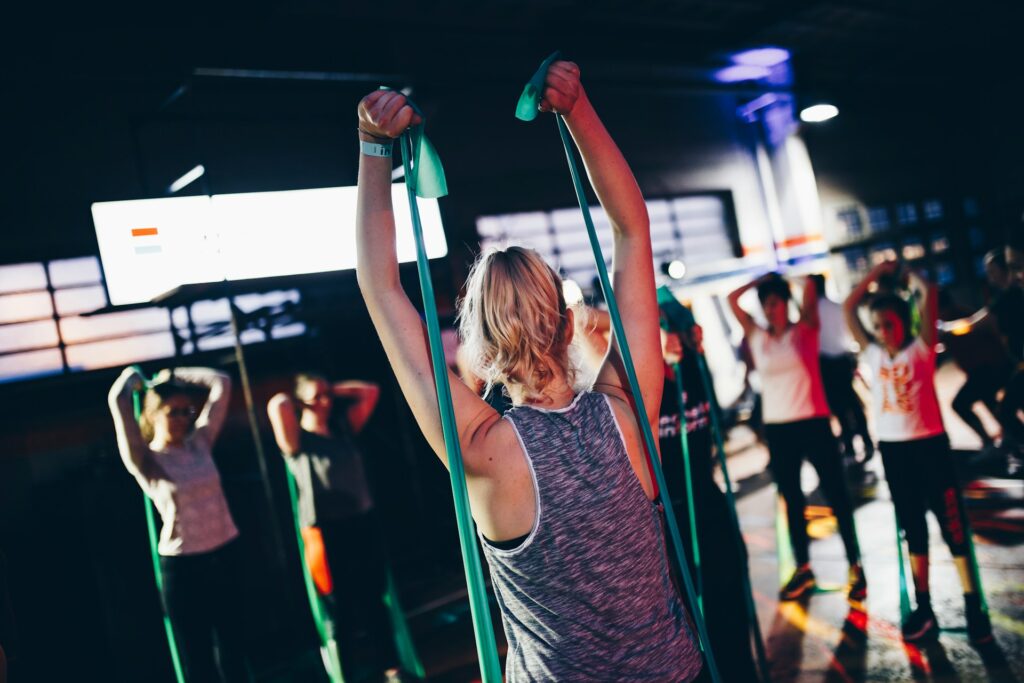
If you find solo workouts daunting, try joining fitness classes. They offer structured workouts, technique guidance, and a sense of community. This camaraderie can be incredibly motivating. Additionally, consider virtual classes as a stepping stone to in-person sessions.
Optimize Your Gym Experience By Avoiding Peak Hours
For a more relaxed and efficient workout, visit the gym during off-peak hours. This approach minimizes waiting times for equipment and allows for a more focused session, which is essential for building a lasting gym habit.
Seeking Assistance: A Sign Of Strength, Not Weakness
Don't hesitate to ask for help. Whether it's about equipment use or exercise techniques, gym staff, and experienced members are usually more than willing to assist. As you gain confidence, your reliance on others will naturally decrease.
Track Your Progress
Documenting your fitness journey can be incredibly rewarding and motivating. Whether it’s noting improvements in endurance, strength, or overall health, keeping a fitness journal encourages consistency and allows you to visually track your achievements.
Work Out with A Companion
Consider inviting a friend or family member to join you. A gym buddy can provide motivation and support and make the experience more enjoyable.
Enhance Workouts With Music
Personalized playlists can significantly improve workout quality. Music aids in focus and can provide an extra push during challenging exercises.
Start Slowly And Build Up Gradually
Approach your fitness regimen as a long-term lifestyle change rather than a quick fix. Setting realistic, manageable goals helps prevent burnout and ensures steady progress.
Be Kind To Yourself On Off Days
Life’s demands sometimes interrupt gym plans. When this happens, avoid self-criticism. Missing a session or having a shorter workout is part of the process. The key is maintaining a positive attitude and enjoying your fitness journey.
By approaching gym workouts with these strategies, retirees and seniors can effectively integrate exercise into their lifestyle, enhancing physical and mental well-being.
What Are The Benefits Of Strength And Balance Training As We Age?

Strength and balance training offers numerous benefits, especially as we age, contributing significantly to overall health and quality of life. Here are some of the key advantages:
- Improved Muscle Mass and Strength: We naturally lose muscle mass and strength with age, a condition known as sarcopenia. Strength training helps counteract this process by building and maintaining muscle mass, which is crucial for everyday activities.
- Enhanced Bone Density: Strength training can slow down the loss of bone density that occurs with aging, reducing the risk of osteoporosis. This is particularly important for post-menopausal women who are at a higher risk of bone density loss.
- Better Balance and Coordination: Balance training improves stability and coordination, reducing the risk of falls, a leading cause of injury in older adults. Improved balance also aids in performing daily tasks with more ease and safety.
- Increased Metabolic Rate: Muscle tissue burns more calories than fat, even at rest. By increasing muscle mass through strength training, older adults can boost their metabolic rate, aiding in weight management.
- Enhanced Joint Flexibility and Mobility: Regular strength and balance exercises can improve joint flexibility and mobility, which helps in reducing the symptoms of arthritis and other joint-related issues.
- Improved Posture and Reduction of Back Pain: Strength training, particularly core exercises, can improve posture and reduce the likelihood of back pain by strengthening the muscles supporting the spine.
- Boosted Mental Health: Exercise, including strength and balance training, releases endorphins, which can elevate mood and reduce stress, anxiety, and depression, enhancing overall mental well-being.
- Chronic Disease Management: Regular physical activity helps manage chronic conditions like diabetes, heart disease, and hypertension. It improves insulin sensitivity, cardiovascular health, and blood pressure.
- Increased Independence: By maintaining physical strength and balance, older adults can remain more independent and capable of performing daily activities without assistance, which is crucial for self-esteem and quality of life.
- Social Interaction and Community: Participating in group fitness classes or gym sessions can provide social interaction and a sense of community, which is important for mental and emotional health.
In summary, strength and balance training in later life is pivotal in preserving physical function, preventing injury, and maintaining a high quality of life. Older adults should incorporate these types of exercises into their regular fitness routine, ideally under the guidance of a fitness professional, to ensure safety and effectiveness.
What Should One Consider When Selecting A Gym?
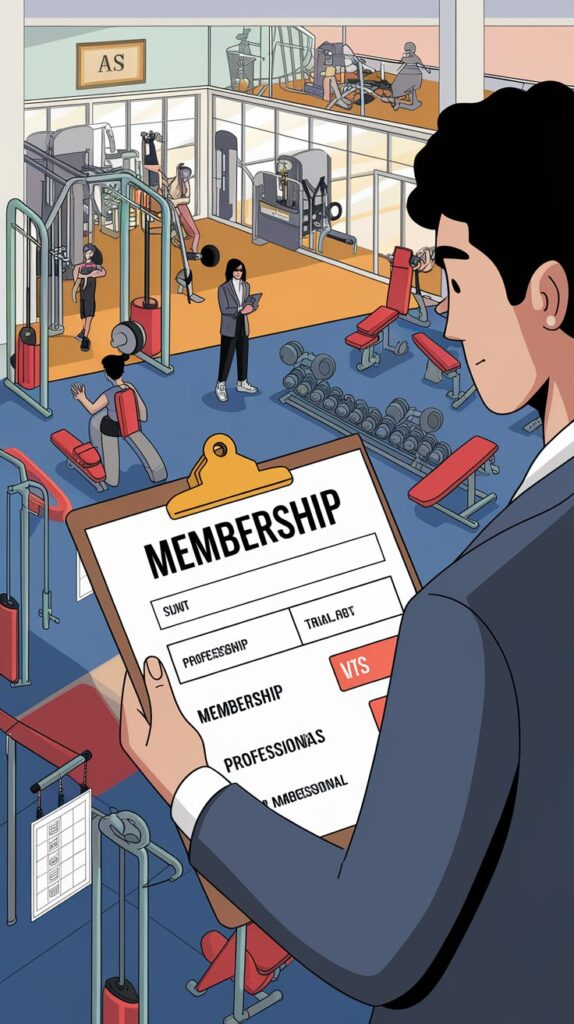
Selecting the right gym is a personal decision that can significantly impact your fitness journey. Here are key factors to consider when choosing a gym:
- Location: Choose a gym that's conveniently located near your home or workplace. The easier it is to get to, the more likely you will maintain a regular workout routine.
- Cost: Evaluate the membership fees and what's included. Consider initiation fees, monthly dues, and additional classes or personal training costs. Ensure it fits within your budget.
- Equipment and Facilities: Check if the gym has a wide range of well-maintained equipment and facilities that cater to your fitness needs, whether cardio machines, weightlifting equipment, swimming pools, or specific group class studios.
- Cleanliness and Maintenance: A clean and well-maintained gym is crucial for a healthy workout environment. Pay attention to the cleanliness of the equipment, locker rooms, and showers.
- Crowd and Peak Hours: Visit the gym during the hours you plan to work out to assess how crowded it gets. Overcrowding can affect your workout experience and access to equipment.
- Classes and Programs: If you're interested in group classes, check the variety and schedule. Make sure they align with your interests and availability.
- Staff and Trainers: Consider the availability and qualifications of the staff and personal trainers. Friendly, knowledgeable staff can greatly enhance your gym experience.
- Trial Periods and Guest Passes: Many gyms offer free trials or guest passes. Utilize these to get a feel for the gym's atmosphere, clientele, and how comfortable you feel there.
- Cancellation Policy and Contract Terms: Understand the membership contract terms, including the cancellation policy and any long-term commitments required.
- Culture and Atmosphere: The gym's atmosphere should be motivating and comfortable. Pay attention to the gym's clientele, Music, and overall vibe to see if it matches your preferences.
- Extra Amenities: Some gyms offer additional amenities like saunas, steam rooms, massage services, and cafes. Consider if these are important for your overall experience.
- Accessibility and Parking: Check for ease of parking or accessibility via public transportation. If parking is difficult or expensive, it might deter regular visits.
- Operating Hours: Make sure the gym's hours align with your schedule. If you prefer early mornings, late evenings, or weekend workouts, ensure the gym is open during those times.
- Child Care Services: If you have children, check if the gym offers reliable child care services, allowing you to work out without worry.
- Safety Measures: Especially important in current times, check what safety measures are in place, such as social distancing protocols, sanitization practices, and occupancy limits.
Remember, what makes a gym suitable varies from person to person. It's important to identify your specific needs and preferences before deciding.
How Can One Overcome Gym Intimidation?
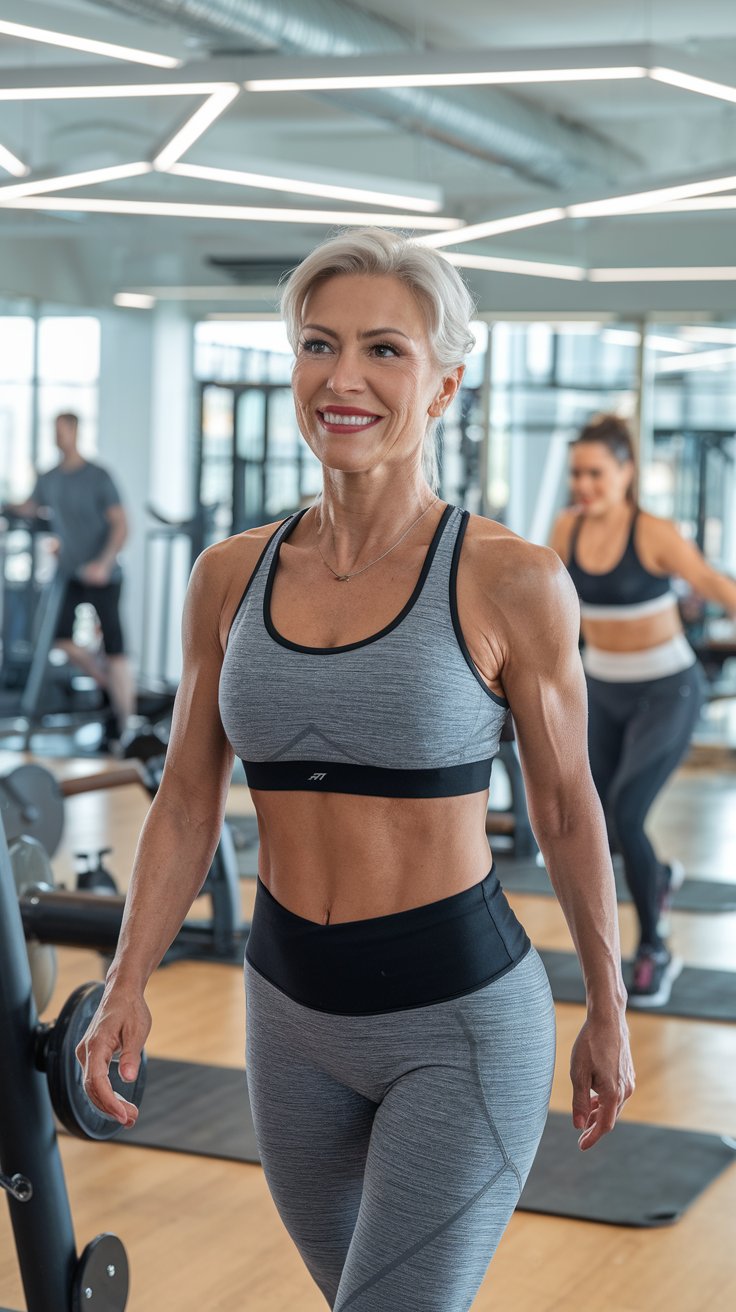
Overcoming gym intimidation, a common hurdle for many involves building confidence and shifting perspectives. Here are strategies to help you feel more at ease in a gym setting:
- Familiarize Yourself with the Environment: Start with a gym tour or an induction session. Familiarity with the layout, equipment, and general routine can significantly reduce anxiety.
- Set Realistic Goals: Begin with achievable fitness goals. This helps you focus on your personal journey rather than comparing yourself with others.
- Begin During Off-Peak Hours: Starting your gym routine during less crowded times can ease the pressure of feeling watched or judged. It’s also easier to get assistance from staff when it’s not too busy.
- Prepare a Workout Plan: A specific plan or routine can keep you focused and lessen the feeling of being lost or unsure about what to do next.
- Use Technology to Your Advantage: Fitness apps or online tutorials can guide you through exercises, offering a sense of direction and confidence in performing them correctly.
- Consider Personal Training Sessions: Personal trainers can provide one-on-one guidance, helping you become more comfortable and skilled in using gym equipment and executing exercises.
- Join Group Fitness Classes: These can provide a sense of community and structure. Being part of a group also shifts focus away from individual performance.
- Remember, Everyone Starts Somewhere: Most gym-goers are too focused on their workouts to notice others. Remember that everyone was a beginner at some stage.
- Dress Comfortably and Functionally: Wear clothes that make you feel comfortable and confident. Proper gym attire can also improve performance and safety during workouts.
- Use Music as a Motivator: Listening to Music can be motivating and help you zone out from the environment and focus on your workout.
- Focus on Your Own Progress: Track your progress and celebrate your achievements, no matter how small. This helps shift focus from external judgment to personal growth.
- Positive Self-Talk: Replace negative thoughts with positive affirmations. Remind yourself of your reasons for being at the gym and the benefits you’re working towards.
- Bring a Friend: Having a workout buddy can ease the feeling of being out of place and provide mutual support and motivation.
- Remember the Big Picture: Exercising is for your health and well-being. Your commitment to fitness is a personal journey important for your health, not for the approval of others.
- Regular Attendance: Consistency helps in building familiarity and comfort. The more you go, the more natural it feels.
Overcoming gym intimidation is a process that takes time. Be patient with yourself, and remember that confidence builds with each visit. Most importantly, focus on why you're there – for your health and well-being.
Conclusion
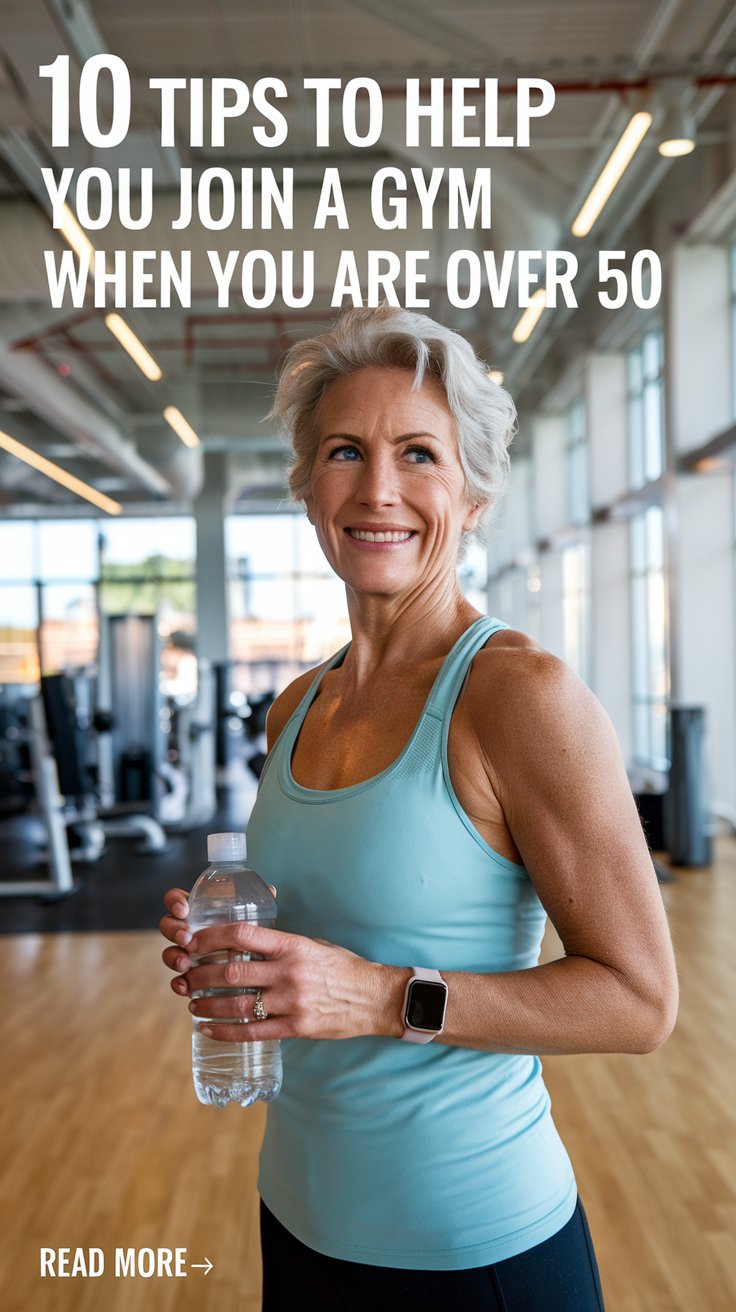
As we wrap up our exploration of navigating gym intimidation and embarking on a rewarding fitness journey, it's important to remember that stepping into a gym, especially for the first time or after a long hiatus, is a brave and commendable step toward better health and well-being. Each individual's journey is personal and unique, so focus on your goals, progress, and what feels right for you. Equip yourself with knowledge and a plan, but also be open to learning and adapting. Remember, it's perfectly normal to feel out of place initially, but you'll grow more confident and comfortable with each visit. The gym environment, like any new venture, comes with its challenges. Still, the risks are far outweighed by the myriad benefits, including improved physical health, mental clarity, and a sense of achievement. Stay patient, stay consistent, and soon, the gym will feel like a second home, a place where you're not just working out but also building a healthier, happier version of yourself. So take that first step, keep moving forward, and let your fitness journey unfold beautifully and empoweringly.
Useful Links To Learn More
- Age UK Fitness and Exercise – Provides information on staying fit and active as you age, with exercises and advice tailored to older adults.
- NHS Fitness Studio – Offers a variety of free workout videos, including routines designed specifically for older people.
- Better Gym - Over 50s Membership – A gym membership designed for those over 50, offering classes and fitness programs suited to various fitness levels.
- SilverSneakers UK Program – A popular fitness program aimed at older adults, focusing on improving mobility, flexibility, and overall health.
- The Royal Voluntary Service – Health and Wellbeing – Offers support and advice for older adults looking to stay active and healthy, with links to fitness programs and local resources.
Feature Image @Danielle Cerullo via Unsplash
Keep reading

20 Amazing Crochet Beginner Ideas
Join the fun with these 20 amazing beginner crochet projects that will inspire your creativity and lead you to endless possibilities!

20 Amazing Crochet Blue Ideas
Join us as we unveil 20 amazing blue crochet projects that will inspire your creativity and elevate your crafting game!

20 Amazing Crochet Black Ideas
Marvel at these 20 amazing black crochet projects that will ignite your creativity and inspire your next crafting adventure! Discover your new favorite today.
Need personal guidance?
Talk to an advisor
Our care experts are here to help you make the right choice — for free.