Blog
5 Foods To Help Manage Symptoms Of Bowel Incontinence
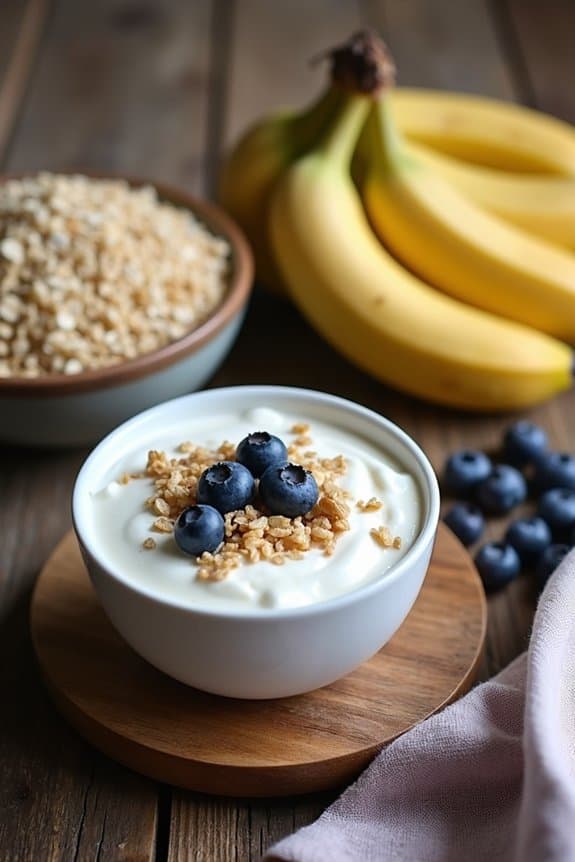
Managing bowel incontinence can become easier with the right foods in your daily diet. You'll want to focus on fiber-rich root vegetables like sweet potatoes and carrots, whole grains such as oatmeal and quinoa, and probiotic-enriched dairy products that support gut health. Include lean proteins like chicken and fish, plus anti-inflammatory fruits such as blueberries and strawberries. With these nutritious choices, you're taking powerful steps toward better digestive wellness.
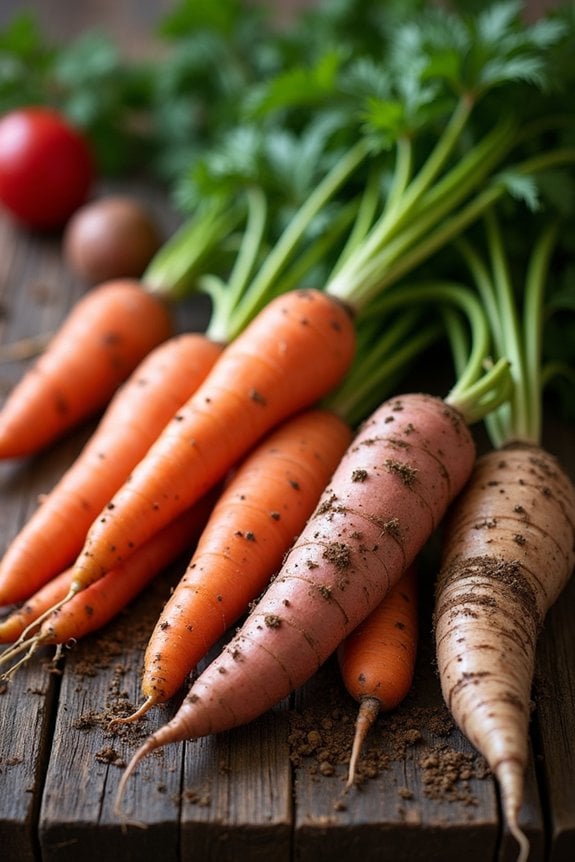 Three amazing root vegetables - sweet potatoes, carrots, and parsnips - can help you manage bowel incontinence while adding delicious flavors to your meals. These nutrient-rich veggies are packed with soluble fiber, which absorbs water and helps form firmer stools, giving you better control over your bowel movements.
You'll love how versatile these vegetables are in your daily cooking. Roast them with olive oil for a crispy side dish, blend them into warming soups, or mash them for a comforting alternative to potatoes. Their natural sweetness and satisfying texture make them perfect for both lunch and dinner, while their fiber content works quietly to support your digestive health. Just remember to stay well-hydrated when increasing fiber intake, as dark urine can be a sign that you need to drink more fluids.
Three amazing root vegetables - sweet potatoes, carrots, and parsnips - can help you manage bowel incontinence while adding delicious flavors to your meals. These nutrient-rich veggies are packed with soluble fiber, which absorbs water and helps form firmer stools, giving you better control over your bowel movements.
You'll love how versatile these vegetables are in your daily cooking. Roast them with olive oil for a crispy side dish, blend them into warming soups, or mash them for a comforting alternative to potatoes. Their natural sweetness and satisfying texture make them perfect for both lunch and dinner, while their fiber content works quietly to support your digestive health. Just remember to stay well-hydrated when increasing fiber intake, as dark urine can be a sign that you need to drink more fluids.
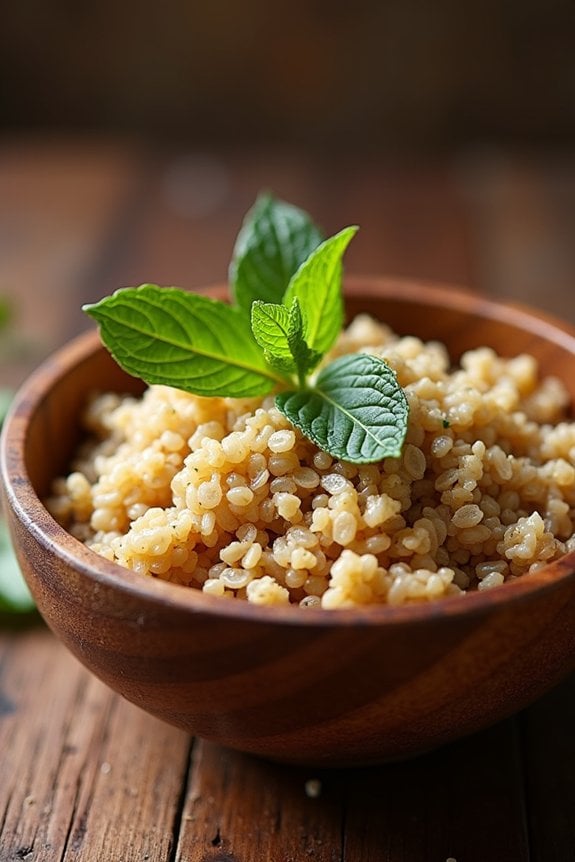 When you're managing bowel incontinence, incorporating whole grains like oatmeal, barley, and quinoa into your diet can make a significant difference in your digestive health. These nutrient-rich grains contain soluble fiber that absorbs water and forms a gel-like substance in your digestive tract, helping to regulate bowel movements.
Start your day with a warm bowl of steel-cut oats, or enjoy quinoa as a rice alternative at lunch. You'll love how barley adds a nutty flavor to soups while providing digestive benefits. Remember to introduce these grains gradually and drink plenty of water to help the fiber work effectively. Quinoa is particularly beneficial as it contains 5 grams of fiber per cooked cup while also providing essential vitamins and minerals like magnesium and iron.
When you're managing bowel incontinence, incorporating whole grains like oatmeal, barley, and quinoa into your diet can make a significant difference in your digestive health. These nutrient-rich grains contain soluble fiber that absorbs water and forms a gel-like substance in your digestive tract, helping to regulate bowel movements.
Start your day with a warm bowl of steel-cut oats, or enjoy quinoa as a rice alternative at lunch. You'll love how barley adds a nutty flavor to soups while providing digestive benefits. Remember to introduce these grains gradually and drink plenty of water to help the fiber work effectively. Quinoa is particularly beneficial as it contains 5 grams of fiber per cooked cup while also providing essential vitamins and minerals like magnesium and iron.
 Selecting the right protein sources plays an essential role in managing bowel incontinence effectively. You'll want to focus on lean options that won't irritate your digestive system, like skinless chicken breast, turkey, and fish. These proteins are gentle on your stomach while providing the nutrition you need to stay healthy and strong.
Consider incorporating eggs, tofu, and lean cuts of pork into your meals. They're easy to digest and won't trigger unexpected bowel movements. If you're worried about protein choices, start with small portions to see how your body responds. Remember, you can always bake, grill, or steam these proteins to make them even more digestible. Regular consumption of lean proteins, combined with resistance band exercises, can help maintain muscle mass while managing digestive health.
Selecting the right protein sources plays an essential role in managing bowel incontinence effectively. You'll want to focus on lean options that won't irritate your digestive system, like skinless chicken breast, turkey, and fish. These proteins are gentle on your stomach while providing the nutrition you need to stay healthy and strong.
Consider incorporating eggs, tofu, and lean cuts of pork into your meals. They're easy to digest and won't trigger unexpected bowel movements. If you're worried about protein choices, start with small portions to see how your body responds. Remember, you can always bake, grill, or steam these proteins to make them even more digestible. Regular consumption of lean proteins, combined with resistance band exercises, can help maintain muscle mass while managing digestive health.
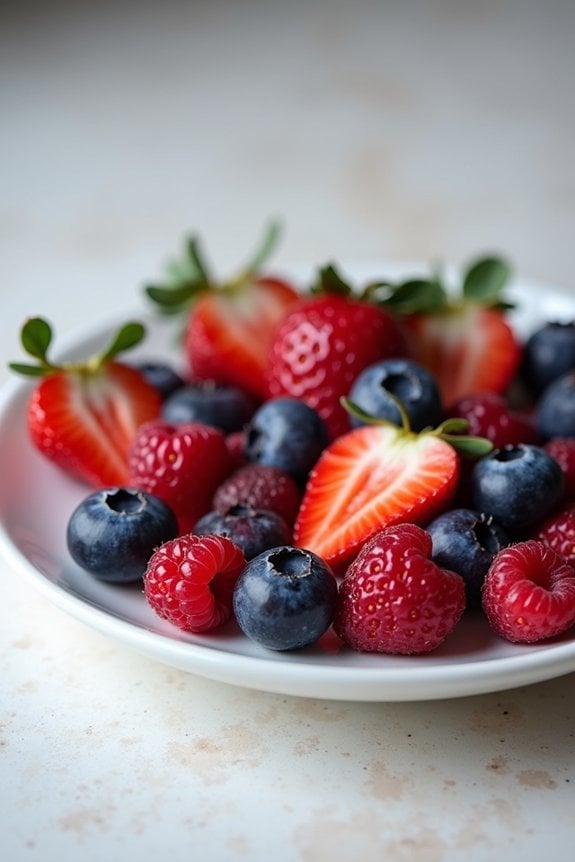 Several delicious anti-inflammatory fruits and berries can help improve your bowel health and reduce digestive discomfort. You'll want to include blueberries, which are packed with antioxidants that help calm inflammation in your digestive system. Strawberries and raspberries are excellent choices too, as they're rich in fiber and vitamin C that support healthy bowel function.
Don't forget about cherries and pomegranates, which contain natural compounds that can ease digestive issues. Adding these colorful fruits to your daily diet isn't just good for you - it's also a delicious way to support your digestive wellness. Try them fresh, frozen, or blended into smoothies. Consider enjoying these fruits during social coffee visits with friends to combine the benefits of healthy eating with meaningful connection.
Several delicious anti-inflammatory fruits and berries can help improve your bowel health and reduce digestive discomfort. You'll want to include blueberries, which are packed with antioxidants that help calm inflammation in your digestive system. Strawberries and raspberries are excellent choices too, as they're rich in fiber and vitamin C that support healthy bowel function.
Don't forget about cherries and pomegranates, which contain natural compounds that can ease digestive issues. Adding these colorful fruits to your daily diet isn't just good for you - it's also a delicious way to support your digestive wellness. Try them fresh, frozen, or blended into smoothies. Consider enjoying these fruits during social coffee visits with friends to combine the benefits of healthy eating with meaningful connection.
Key Takeaways
- Sweet potatoes and other root vegetables contain soluble fiber that absorbs water and helps form firmer stools for better control.
- Probiotic-enriched yogurt and kefir introduce beneficial bacteria that strengthen gut health and improve bowel function.
- Whole grains like oatmeal and barley form gel-like substances in the digestive tract, promoting regular bowel movements.
- Anti-inflammatory berries, especially blueberries, contain compounds that reduce digestive inflammation and support bowel health.
- Lean proteins such as skinless chicken and fish provide gentle nutrition while being easy to digest.
High-Fiber Root Vegetables
Soluble Fiber-Rich Whole Grains
Probiotic-Enriched Dairy Products
Beyond whole grains, probiotic-enriched dairy products offer powerful support for managing bowel incontinence. You'll find these beneficial bacteria in yogurt, kefir, and fermented milk drinks, which can help restore balance to your digestive system. These products work by introducing friendly microorganisms that strengthen your gut's natural defenses. Look for labels that specifically mention "live active cultures" or "probiotics." You'll want to choose options with minimal added sugars, as they're best for your digestive health. Start with small portions and gradually increase your intake to let your body adjust comfortably. Many people notice improvements in their symptoms within a few weeks of regular consumption. Regular consumption of these products demonstrates a commitment to your duty of care regarding personal health and wellbeing.Lean Protein Sources
Anti-Inflammatory Fruits and Berries
Frequently Asked Questions
Are There Any Foods I Should Completely Avoid When Dealing With Bowel Incontinence?
You'll want to avoid foods that can trigger or worsen bowel incontinence. Stay away from caffeine (coffee, tea, soda), alcohol, dairy products if you're lactose intolerant, and spicy foods. It's also best to limit artificial sweeteners, greasy foods, and foods high in fructose. While everyone's triggers can be different, keeping a food diary will help you identify which specific items affect you most strongly.How Long Does It Take for Dietary Changes to Improve Incontinence Symptoms?
Just like a garden needs time to bloom after planting new seeds, you'll need some patience with dietary changes. You might notice small improvements within 3-5 days, but it typically takes 2-3 weeks to see significant changes in your symptoms. Don't get discouraged if you don't see immediate results - your body's adjusting to its new routine. Keep a food diary to track your progress, and you'll soon start noticing positive patterns in your symptoms.What Time of Day Is Best to Eat Meals for Managing Bowel Incontinence?
It's best to eat your main meals at consistent times each day, which helps train your bowels for more predictable movements. You'll want to start with a good breakfast when you're not rushed, typically 1-2 hours after waking up. Space your meals 4-5 hours apart throughout the day, and try to finish your last meal at least 3 hours before bedtime. This routine will give your body time to digest properly.Can Dietary Supplements Help With Managing Bowel Incontinence Symptoms?
Like a helping hand reaching out to support you, dietary supplements can indeed play a role in managing your bowel incontinence symptoms. You'll find that fiber supplements, such as psyllium or methylcellulose, can help regulate your bowel movements and improve consistency. Probiotics can strengthen your digestive health, while zinc and vitamin D supplements may help improve muscle function. Always talk to your doctor before starting any supplements, as they'll guide you toward the right choices.Should I Maintain a Food Diary to Track Bowel Incontinence Triggers?
Yes, keeping a food diary is an excellent way to understand what affects your bowel habits! You'll want to record everything you eat and drink, along with the timing and nature of any symptoms you experience. This valuable tool will help you and your healthcare provider identify specific triggers that might be causing problems. After a few weeks, you'll likely notice patterns that can guide you in making helpful dietary adjustments.Keep reading

crochet
20 Latest Crochet Neck Warmer Ideas To Try In 2025!
Link up with the 20 best crochet neck warmers that blend warmth and style—discover which designs will transform your winter wardrobe!

crochet
20 Amazing Crochet Jewelry Ideas
Amazing crochet jewelry ideas await you, featuring unique designs that will inspire your creativity and elevate your accessory game to new heights.

crochet
20 Amazing Crochet Kit Ideas
Navigate through 20 amazing crochet kit ideas that spark creativity and joy; discover the perfect project to ignite your crafting passion!
Need personal guidance?
Talk to an advisor
Our care experts are here to help you make the right choice — for free.