Types Of Physical Disabilities - Expert Guide In 2025!
Living with a physical disability can present unique obstacles, but it also fosters remarkable resilience and adaptability. In this article, we’ll break down the different types of physical disabilities, offering a clearer understanding of their effects on daily life. You’ll discover practical advice on managing everyday challenges, from mobility solutions to innovative tools that help maintain independence. Alongside these insights, we’ll share inspiring stories of individuals who’ve transformed adversity into opportunities, proving that physical limitations don’t define potential. By the end, you’ll walk away with tips and strategies to improve life for yourself or someone you care for.

Understanding The Origins Of Physical Disabilities
Physical disabilities arise from diverse causes, each unique in how it affects an individual's daily life. These disabilities can be broadly classified into hereditary/congenital and acquired.
Hereditary Or Congenital Disabilities
Hereditary or congenital disabilities are present from birth. They may result from genetic issues, problems in muscle cells, or injuries incurred during birth. These conditions are part of an individual's life, necessitating early adaptation and care strategies.
Acquired Disabilities
Acquired disabilities emerge later in life due to various factors like accidents, brain injuries, diseases, or side effects of other medical conditions, including strokes and dementia. These disabilities often require significant lifestyle adjustments, especially for those in retirement or later life stages.
Categories Of Physical Disabilities
Physical disabilities are diverse, impacting individuals in different ways. These disabilities are generally grouped into musculoskeletal and neuromusculoskeletal categories.
Musculoskeletal Disability
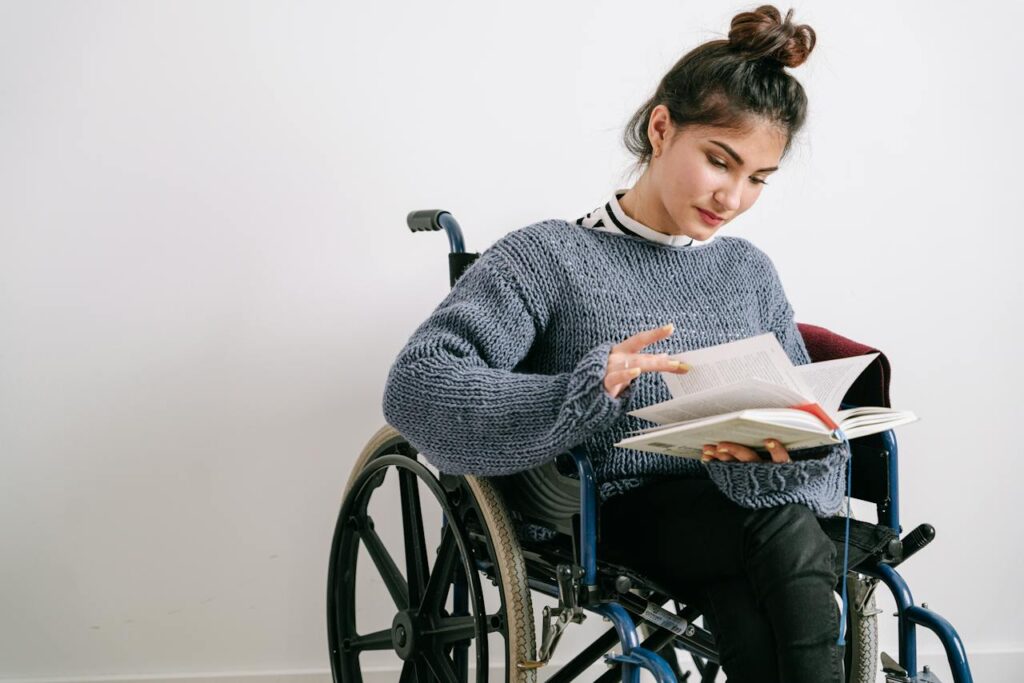
This category includes disabilities affecting bones, joints, and muscles. Examples are limb deformities, Osteogenesis Imperfecta, and Muscular Dystrophy. Such conditions can severely limit movement and require specialized care, especially in older adults.
Neuromusculoskeletal Disability
These disabilities stem from diseases or disorders of the nervous system. Conditions under this umbrella include cerebral palsy, spina bifida, stroke, spinal cord injury, and poliomyelitis. Management in a retirement setting often requires tailored support and rehabilitation services.
Common Physical Disabilities In Later Life
- Cerebral Palsy: A group of disorders affecting movement and coordination, often accompanied by intellectual and behavioral challenges.
- Spina Bifida: A spinal condition causing paralysis and loss of bowel and bladder control.
- Acquired Brain Injury: As a result of post-birth brain damage, it can severely impact movement and daily activities.
- Spinal Cord Injury: This leads to impairment of motor and sensory functions, requiring comprehensive care in later life.
- Epilepsy: A neurological condition with varying severity, impacting daily life differently for each individual.
- Multiple Sclerosis (MS): A long-term condition affecting the brain and spinal cord, leading to movement, sensation, and balance issues.
- Arthritis: A common condition in older adults, causing joint pain and inflammation, with osteoarthritis being the most prevalent form.

What Are Some Practical Strategies To Manage Physical Disabilities?
Managing physical disabilities effectively involves medical treatment, lifestyle adjustments, and support systems. Here are some practical strategies that can be particularly helpful:
Medical And Therapeutic Interventions
- Regular Medical Check-ups: Regular consultations with healthcare providers help monitor the condition and manage complications.
- Physical Therapy: Tailored exercises improve mobility, strength, and flexibility.
- Occupational Therapy: Helps adapt daily activities and work tasks to the individual's abilities.
- Speech and Language Therapy: Essential for those with disabilities affecting communication.
- Assistive Devices: Using wheelchairs, hearing aids, or visual aids to enhance independence.
- Medication Management: Properly use medications to manage symptoms like pain or seizures.
Lifestyle Modifications
- Accessible Home Environment: Modifying living spaces to improve accessibility and safety, such as installing grab bars or ramps.
- Adaptive Equipment for Daily Tasks: Using specially designed kitchen tools, clothing, and other items to ease daily activities.
- Exercise and Nutrition: A balanced diet and regular exercise tailored to the individual's capabilities can enhance overall health.
- Rest and Stress Management: Adequate rest and techniques like meditation or yoga can help manage fatigue and stress.
Social And Emotional Support
- Support Groups: Joining groups for individuals with similar disabilities can provide emotional support and valuable information.
- Counseling Services: Professional counseling can help in coping with the emotional aspects of living with a disability.
- Community Resources: Utilizing local resources like transportation services, recreational programs, and disability support services.
- Family and Caregiver Support: Involving family members and caregivers in care plans for better understanding and support.
Technology And Innovation
- Assistive Technology: Leverage voice-activated devices, specialized software, and mobility aids.
- Telehealth Services: Using remote healthcare services for convenient access to medical advice and consultations.
Education And Advocacy
- Educating Oneself: Staying informed about the disability and the latest treatments or interventions.
- Advocacy: Advocating for one's rights and needs personally and within the community.
Implementing these strategies requires a personalized approach, considering the specific type and severity of the disability and the individual's lifestyle and goals. Collaboration with healthcare professionals, family, and community resources is key to developing an effective management plan.
How Do Physical Disabilities Affect The Daily Activities And Lifestyle Of Individuals?
Physical disabilities can significantly impact the daily activities and overall lifestyle of individuals, affecting them in various ways depending on the nature and severity of the disability. Here are some of the key areas where these effects are most evident:
Mobility and Independence
- Reduced Mobility: Difficulty walking, standing, or moving around can restrict an individual's ability to perform everyday tasks independently.
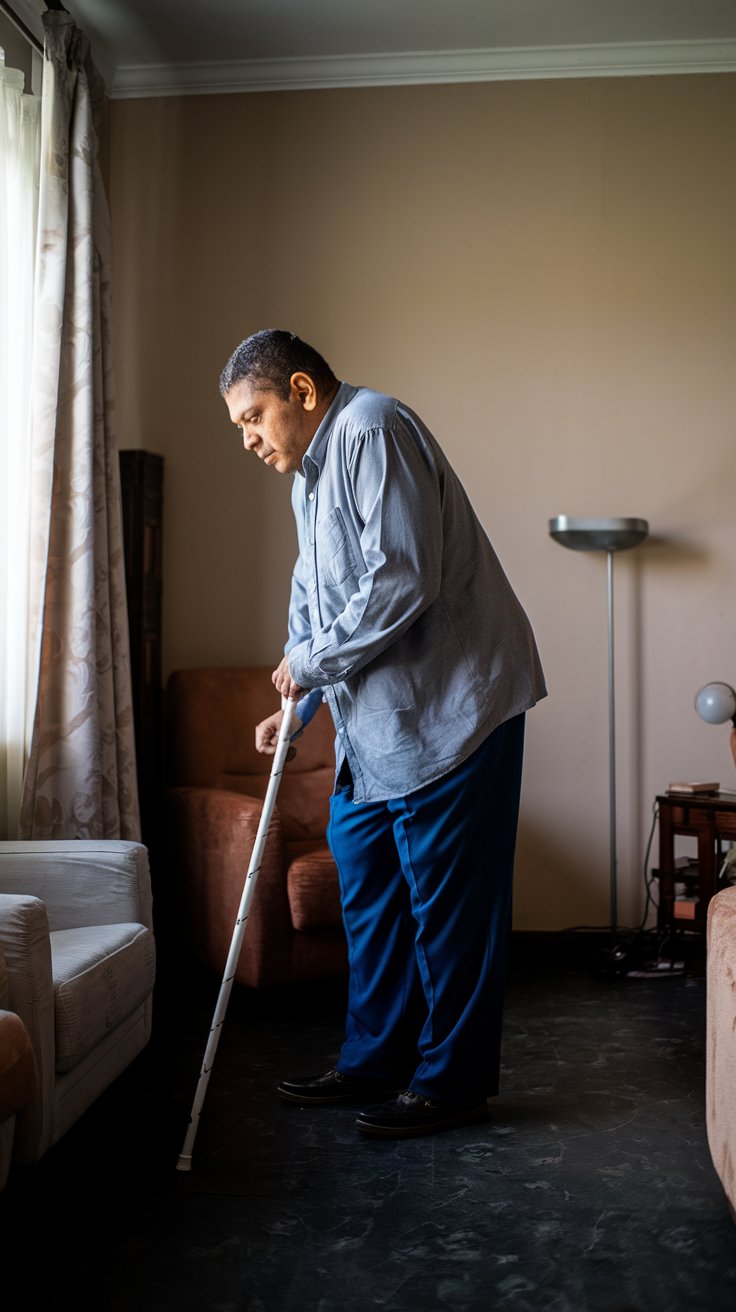
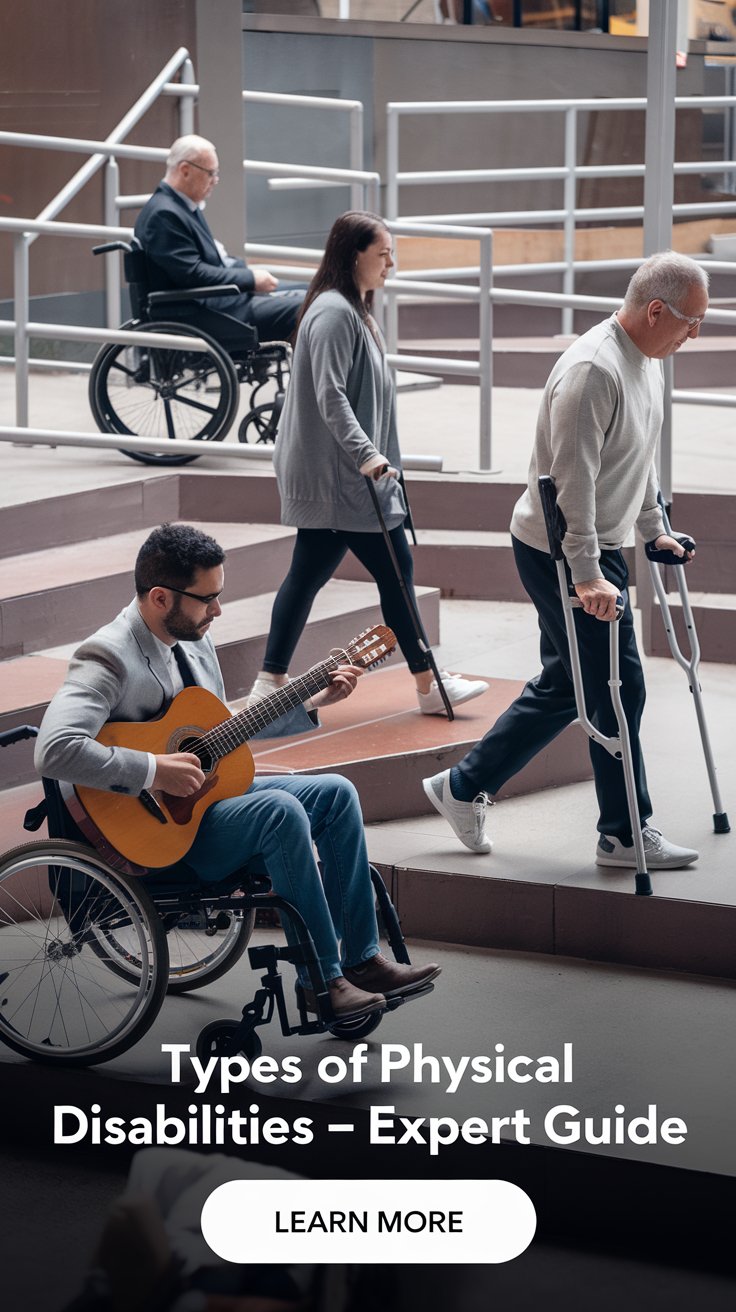
- Need for Assistive Devices: Many rely on aids like wheelchairs, walkers, or canes, which can necessitate adjustments in their living environment.
- Transportation Challenges: Dependence on accessible transportation for commuting can limit spontaneity and convenience in travel.
Personal Care
- Difficulty in Self-care: Routine activities like bathing, dressing, and grooming can become challenging and may require assistance.
- Adaptive Clothing and Equipment: There is a need for specially designed clothing and personal care items to facilitate ease of use.
Home and Environment Adaptation
- Modifications in Living Spaces: Homes often need modifications like ramps, stairlifts, or widened doorways to accommodate mobility aids.
- Accessibility Issues: Challenges in accessing public spaces, buildings, and amenities due to lack of adequate accessibility features.
Social Interaction and Relationships
- Social Isolation: Physical disabilities can lead to reduced social interaction, either due to mobility issues or through feelings of self-consciousness or stigma.
- Dependence on Others: Relying on family, friends, or caregivers for assistance can affect personal relationships and dynamics.
Employment and Education
- Workplace Challenges: Adapting to a work environment or finding employment can be difficult, necessitating special accommodations or flexible work arrangements.
- Educational Barriers: Physical disabilities can impact educational opportunities and experiences, requiring special educational support or resources.
Health and Well-being
- Secondary Health Issues: Increased risk of secondary health problems such as chronic pain, obesity, or mental health issues like depression and anxiety.
- Medical Management: Frequent need for medical appointments, therapies, and medication management.
Leisure and Recreation
- Limited Access to Recreational Activities: Finding accessible leisure activities or sports can be a challenge.
- Need for Specialized Equipment: Participation in hobbies or sports may require adaptive equipment or modified rules.
Financial Impact
- Increased Expenses: Costs associated with medical care, therapies, modifications, and assistive devices can be significant.
- Income Challenges: Potential limitations in earning capacity due to disability-related work restrictions or unemployment.
Overall, physical disabilities necessitate a range of adaptations and accommodations in everyday life. However, with the right support, resources, and adaptive strategies, individuals with physical disabilities can lead fulfilling and independent lives. It's also crucial to note that advancements in technology, increased awareness, and better accessibility continually improve the quality of life for those with physical disabilities.
7 Inspiring Stories Of Individuals Who Have Turned Their Disabilities Into Opportunities
There are numerous inspiring stories of individuals who have turned their physical disabilities into catalysts for remarkable achievements, growth, and innovation. These stories highlight resilience, creativity, and the refusal to be defined by limitations. Here are a few notable examples:
- Stephen Hawking: One of the most famous physicists of the modern era, Hawking was diagnosed with amyotrophic lateral sclerosis (ALS) at the age of 21. Despite the progression of his condition, which eventually left him almost completely paralyzed, Hawking made groundbreaking contributions to cosmology and quantum gravity. He communicated using a speech-generating device and became a bestselling author with his book "A Brief History of Time."
- Helen Keller: Born deaf and blind due to an illness, Keller became an iconic advocate for people with disabilities. With the help of her teacher, Anne Sullivan, she learned to communicate and went on to graduate from college. Keller became a prolific author, political activist, and lecturer, inspiring millions with courage and determination.
- Nick Vujicic: Born without limbs due to a rare disorder, Vujicic faced significant challenges and bullying in his youth. However, he overcame these difficulties and became a motivational speaker and evangelist. His message focuses on hope, faith, and finding meaning in life despite challenges.
- Jessica Cox: Born without arms, Cox never let her disability hold her back. She became the first licensed armless pilot, flying airplanes with her feet. Cox is a motivational speaker and a black belt in Taekwondo and advocates for people with disabilities.
- Ludwig van Beethoven: The renowned composer began losing his hearing in his late 20s but continued to compose, conduct, and perform. Beethoven's late works, created while he was almost completely deaf, are considered some of his best and most innovative compositions.
- Temple Grandin: Although not a physical disability, Grandin's story as an individual with autism is noteworthy. She revolutionized practices in the livestock industry with her unique insights into animal behavior. Grandin became a prominent author and speaker on both autism and animal welfare.
- Frida Kahlo: Despite suffering from polio as a child and later enduring severe injuries from a bus accident, Kahlo became one of the most famous painters of the 20th century. Her art, much of which is self-portraits, is celebrated for its raw, emotional depiction of her physical and psychological pain.
These individuals demonstrate that disabilities can be a powerful driving force for innovation, creativity, and change. Their stories testify to the human spirit's ability to adapt and thrive in adversity.
Conclusion
In conclusion, navigating the landscape of physical disabilities can be a journey filled with unique challenges, yet it also offers opportunities for remarkable resilience and innovation. Remember, the key to managing these disabilities effectively lies in a blend of personalized medical care, adaptive strategies, and a strong support network. While the risks and difficulties are real – from navigating daily tasks to tackling broader social and employment barriers – they are not insurmountable. Embrace the power of assistive technologies, stay informed about new developments, and never underestimate the value of community and emotional support. Above all, let the inspiring stories of individuals who have transformed their disabilities into platforms for advocacy and creativity fuel your journey. Approach each day with a mindset focused on possibilities rather than limitations, and you'll be amazed at what can be achieved. With the right resources and a determined spirit, every challenge becomes an opportunity for growth and empowerment.
Useful Links To Learn More
- Scope UK – Offers support, information, and advice for people with physical disabilities, including tailored resources to improve accessibility and independence.
- Disability Rights UK – Provides advocacy and rights-based information to empower individuals with disabilities across the UK.
- NHS Disability Support – Offers comprehensive information on services and support available for people with disabilities, including healthcare and physical assistance.
- Motability Scheme – Helps people with physical disabilities lease a vehicle using their mobility allowance, enabling greater independence.
- Leonard Cheshire – A leading charity supporting people with disabilities to live, learn, and work as independently as possible.
- Department for Work and Pensions (DWP) – Offers information on benefits, allowances, and financial assistance for individuals living with physical disabilities.
Feature Image Photo By Polina Tankilevitch on Pexels
Keep reading

20 Amazing Crochet Beginner Ideas
Join the fun with these 20 amazing beginner crochet projects that will inspire your creativity and lead you to endless possibilities!
20 Amazing Crochet Blue Ideas
Join us as we unveil 20 amazing blue crochet projects that will inspire your creativity and elevate your crafting game!

20 Amazing Crochet Black Ideas
Marvel at these 20 amazing black crochet projects that will ignite your creativity and inspire your next crafting adventure! Discover your new favorite today.
Need personal guidance?
Talk to an advisor
Our care experts are here to help you make the right choice — for free.