Kirtan Kriya Benefits - Expert Guide In 2025!
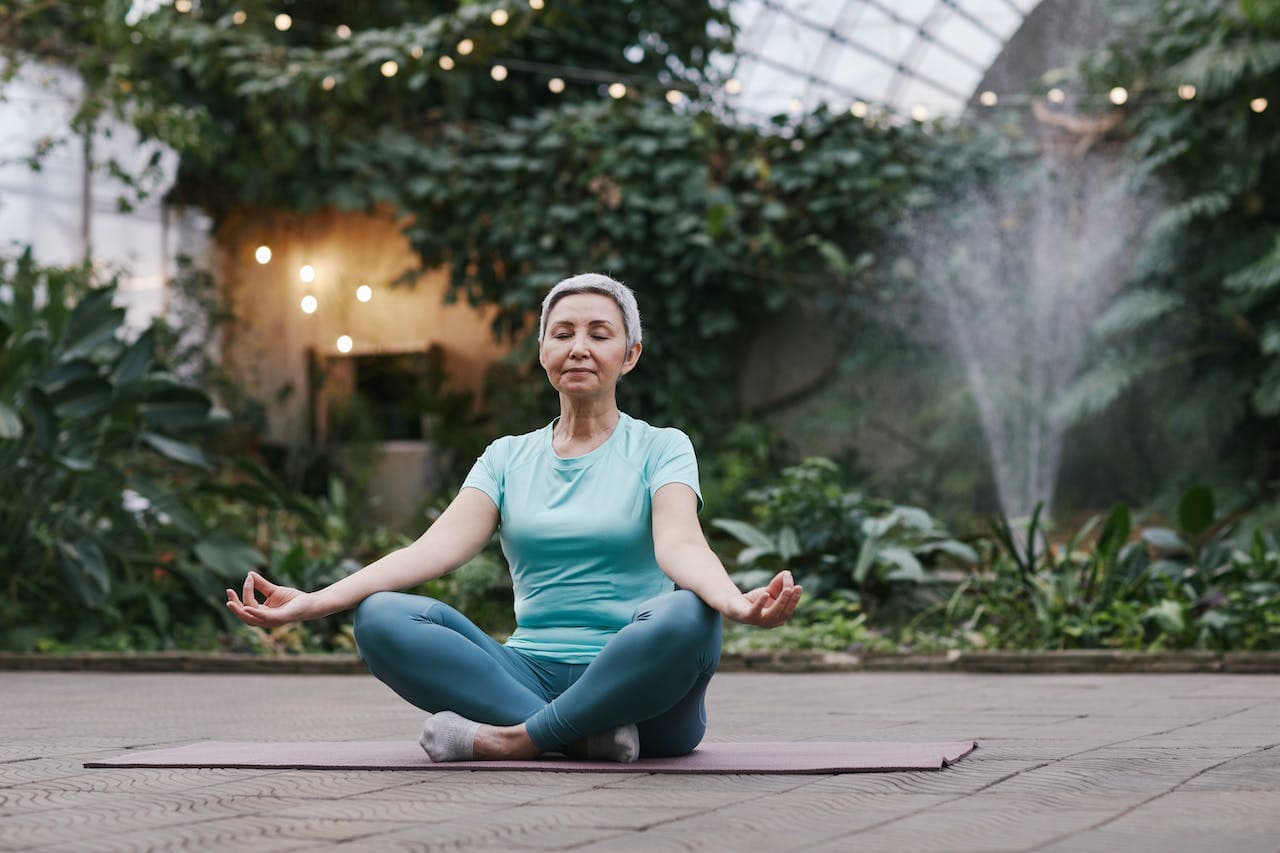
Experience the transformative power of Kirtan Kriya, a meditation practice rooted in Kundalini yoga that offers profound benefits for both mind and body. This technique, which combines chanting with precise hand movements, is designed to stimulate brain function and promote mental clarity, emotional healing, and spiritual growth. In this article, you'll discover how to practice Kirtan Kriya step by step, understand its ancient significance, and explore the many ways it can enhance your well-being. Whether you're looking to reduce stress, boost focus, or deepen your meditation practice, this guide will help you embrace the benefits of Kirtan Kriya in your daily life.

A Journey From Personal Practice To Senior Care Application
My meditation journey began a decade ago amidst the serene embrace of nature alongside Buddhist practitioners. This experience became particularly relevant when I was invited to introduce meditation at a care home. Initially, I was uncertain about its applicability, especially for residents with dementia. The challenge was to create a peaceful atmosphere in a bustling care home environment.
With a small yet enthusiastic group comprising residents and staff, we gathered weekly, forming a circle of openness and willingness to explore the Kirtan Kriya technique. This practice is more than mere repetition based on the chanting of primal sounds - Saa, Taa, Naa, Maa, representing infinity, life, death, and rebirth. When articulated with the tongue touching the roof of the mouth, it stimulates key acupuncture points, influencing the hypothalamus and other brain areas and activating motor and sensory functions.
Adapting Kirtan Kriya For Varying Abilities
The practice involves chanting and finger movements, each syllable corresponding to a specific finger touch. Admittedly, not all residents found it easy to coordinate these actions. However, the impact was undeniable. One resident with early onset dementia, often tense, visibly relaxed after each session. The staff, too, reported noticeable improvements in mood and stress levels.
Clinical Evidence Supporting Kirtan Kriya
A 2016 Journal of Alzheimer's Disease study highlighted the efficacy of Kirtan Kriya. Participants, all experiencing mild cognitive challenges, showed significant improvements in memory, mood, and cognitive function. The study compared Kundalini yoga and Kirtan Kriya meditation against conventional brain-training exercises. Remarkably, the meditation group exhibited enhanced brain activity, especially in areas governing focus and multitasking, and displayed better mood and spatial memory.
Practicing Kirtan Kriya
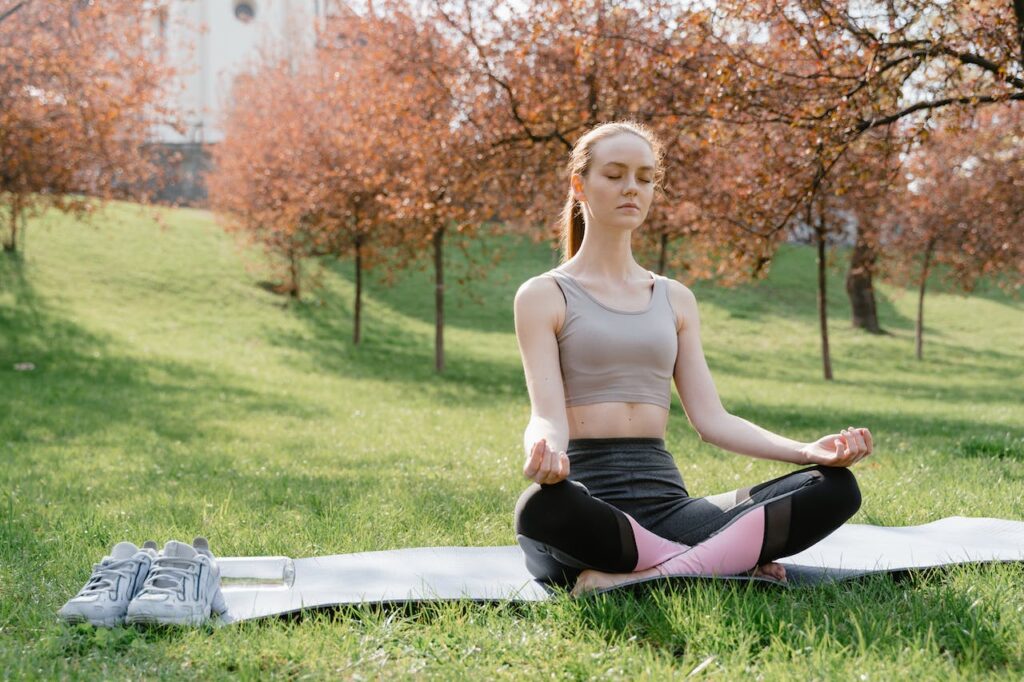
To effectively practice Kirtan Kriya:
- Sit comfortably with a straight spine, eyes closed.
- Chant Saa, Taa, Naa, Maa, visualizing the energy flowing through your body.
- Coordinate the chant with finger movements: thumb to the index finger on Saa, middle finger on Taa, etc.
- Vary the chant from loud to a whisper, then silently, and reverse.
- Conclude with a deep inhale, stretching your arms above, then releasing the energy as you exhale.
This 12-minute exercise is a gateway to enhanced mental clarity and emotional balance, making it a cornerstone in senior care and wellness.

What Is The Background And History Of Kirtan Kriya?
Kirtan Kriya, a significant meditation practice within Kundalini Yoga, has a rich history and background in ancient yogic traditions. Kundalini Yoga is a form of yoga that dates back thousands of years and is designed to awaken the Kundalini energy, believed to be a primal energy located at the base of the spine.
Origin And Philosophical Background
- Ancient Yogic Practices: Kirtan Kriya draws from the ancient practices of yoga and meditation that originated in the Indian subcontinent. It is deeply embedded in the Sikh Dharma and was popularized in the West by Yogi Bhajan, who brought Kundalini Yoga to the United States in the late 1960s.
- Sikh Traditions and Mantras: The practice includes elements from Sikh traditions, particularly mantras. The specific mantra used in Kirtan Kriya, "Saa Taa Naa Maa," is derived from the five primal sounds of the Sanskrit alphabet - Sa, Ta, Na, Ma, which are believed to be fundamental in the universe, symbolizing the life cycle: birth (Saa), life (Taa), death (Naa), and rebirth (Maa).
The Practice And Its Evolution
- Integration of Chanting and Movement: Kirtan Kriya combines simple hand movements (mudras) with vocalization of the mantra. This combination simultaneously engages the mind and body, promoting focused relaxation.
- Adaptation in the West: When Yogi Bhajan introduced this practice to the Western world, he emphasized its potential for mental clarity, stress reduction, and emotional balance. He tailored the practice to suit the lifestyles and challenges of modern living, making it accessible to people of all backgrounds.
Scientific Interest And Studies
- Research on Benefits: In recent years, Kirtan Kriya has garnered interest from the scientific community, particularly regarding its potential benefits for cognitive function, mental health, and stress reduction. Studies, such as those published in the Journal of Alzheimer's Disease, have examined its impact on brain function, memory, and emotional well-being, especially in older adults.
- Mind-Body Connection: Research has also focused on how the practice stimulates various parts of the brain, the significance of the mantra, and the impact of finger movements. This has led to a better understanding of the mind-body connection in meditation and how ancient practices like Kirtan Kriya can benefit contemporary health and wellness contexts.
How Does Kirtan Kriya Meditation Benefit People With Mild Cognitive Challenges?
Kirtan Kriya meditation, a key practice in Kundalini Yoga, has shown promising benefits for individuals with mild cognitive challenges, such as those associated with aging or early stages of cognitive decline. The practice involves chanting a specific mantra - "Saa, Taa, Naa, Maa" - while performing sequential finger movements (mudras). This combination of sound and movement has a multifaceted impact on the brain and cognitive function.
Key Benefits Of Kirtan Kriya Meditation For Mild Cognitive Challenges
- Enhanced Brain Function and Neuroplasticity: Kirtan Kriya stimulates various brain areas, including those responsible for memory and concentration. The practice is believed to promote neuroplasticity, the brain's ability to form new neural connections. This can be particularly beneficial for individuals facing mild cognitive impairments, as it may help maintain or improve cognitive functions.
- Stress Reduction and Emotional Balance: Stress and anxiety can exacerbate cognitive challenges. Kirtan Kriya meditation helps reduce stress and promote a sense of calmness. The rhythmic chanting and focused movements aid in regulating emotional responses, which is crucial for individuals with cognitive difficulties who might experience heightened emotional distress.
- Improved Memory and Attention: Regular practice of Kirtan Kriya has been associated with better memory retention and attention span. The repetitive nature of the mantra and the accompanying finger movements require concentration, which can help strengthen these cognitive faculties over time.
- Increased Blood Flow to the Brain: The combination of chanting and finger movements in Kirtan Kriya can enhance blood flow to the brain. Increased cerebral blood flow is linked to better cognitive function and is essential for maintaining brain health, especially in older adults or those with mild cognitive impairments.
- Enhanced Mood and Psychological Well-being: The meditative aspect of Kirtan Kriya contributes to overall psychological well-being. By focusing on the mantra and movements, individuals can experience a reduction in depressive symptoms and an improvement in overall mood, which is beneficial for cognitive health.
Scientific Research And Studies
Several studies have examined the effects of Kirtan Kriya on cognitive function. For instance, research published in the Journal of Alzheimer's Disease found that this meditation technique can improve brain functioning, increase connectivity, and boost mood in older adults. Another study indicated that Kirtan Kriya could help enhance memory and attention in individuals with mild cognitive challenges.
Application In Daily Life
Given its simplicity and adaptability, Kirtan Kriya can be easily incorporated into the daily routines of individuals with mild cognitive challenges. The practice requires no special equipment and can be performed in a quiet space for just 12 minutes a day. This accessibility makes it a practical tool for cognitive maintenance and improvement.
How Can Kirtan Kriya Meditation Be Adapted For Different Abilities And Practiced Effectively?
With its simple and adaptable structure, Kirtan Kriya meditation can be effectively modified to suit various abilities and needs. This makes it particularly suitable for many individuals, including those with physical limitations, cognitive impairments, or those new to meditation. Here are some ways to adapt and practice Kirtan Kriya effectively:
Adapting For Physical Limitations
- Seated Position: While traditional practice involves sitting cross-legged on the floor, individuals can perform Kirtan Kriya while seated in a chair. The key is maintaining a straight spine to facilitate focused breathing and energy flow.
- Hand Movements: If the traditional finger movements are challenging, they can be simplified or visualized mentally. The emphasis is on the connection between the movement and the mantra, so even a gentle touch or no touch at all while focusing on the mantra can be effective.
- Duration and Pace: For those who find it challenging to maintain concentration or tire easily, the duration of the meditation can be shortened. The mantra can be chanted at a comfortable pace for the individual.
Adapting For Cognitive Impairments
- Guided Practice: Individuals with cognitive challenges may benefit from guided sessions, where an instructor leads the meditation and provides verbal cues for the mantra and finger movements.
- Repetition and Consistency: Regular practice and repetition can help embed the routine, making it easier to follow over time. Consistency is key, even if the sessions are short.
- Visual Aids: Using visual aids that illustrate the finger movements and the corresponding syllables of the mantra can help individuals remember the sequence.
Effective Practice Techniques
- Creating a Calm Environment: Practicing in a quiet, comfortable space helps reduce distractions and enhances the meditative experience.
- Starting with Relaxation: A few deep breaths can help settle the mind and body, preparing them for meditation.
- Focusing on the Mantra: The mantra "Saa, Taa, Naa, Maa" should be chanted in synchronization with the finger movements. It can be chanted aloud, whispered, or repeated silently, depending on what feels most comfortable.
- Visualizing Energy Flow: Visualizing energy flowing through the top of the head and out the middle of the forehead with each syllable can deepen the meditative experience.
- Gradually Building Duration: For beginners, start with shorter sessions and gradually increase the duration as comfort with the practice grows.
Inclusion And Accessibility
- Group Sessions: Group sessions, either in-person or virtual, can provide a sense of community and support, especially for beginners or those with special needs.
- Professional Guidance: For those with significant physical or cognitive challenges, seeking guidance from a professional trained in adaptive yoga or meditation can ensure a safe and beneficial experience.
Conclusion
In conclusion, Kirtan Kriya meditation is a remarkably adaptable and inclusive practice, suitable for a wide spectrum of individuals, irrespective of their physical or cognitive abilities. The beauty of this technique lies in its simplicity and profound impact on mental clarity, stress reduction, and overall well-being. It's important to approach Kirtan Kriya with patience and an open mind, especially if you're new to meditation or have specific limitations. Remember, the key is consistency and adapting the practice to fit your comfort level, whether through adjusting the duration, modifying the finger movements, or even seeking guided sessions. While minimal risks are involved, it's always prudent to consult with a healthcare provider if you have any concerns, particularly for those with pre-existing health conditions. Integrating Kirtan Kriya into your routine, even for a few minutes daily, you can journey towards enhanced mental balance and a deeper sense of inner peace. So, why give it a try? Embrace the potential of this ancient practice and discover the positive changes it can bring to your life.
Useful Links To Learn More
- NHS Mindfulness Guide – Offers information on mindfulness practices, including meditation, which can complement Kirtan Kriya for mental well-being.
- Mind UK – Meditation and Mental Health – A guide to understanding how meditation, such as Kirtan Kriya, can help improve mental health.
- Alzheimer's Society UK – Information on research and lifestyle practices that can help maintain cognitive health, including the role of meditation in brain health.
- British School of Meditation – Provides resources and courses for meditation practices that align with Kirtan Kriya techniques.
- Mental Health Foundation UK – Explore the benefits of mindfulness and meditation for mental health, stress reduction, and overall well-being.
Feature Image Photo By Marcus Aurelius on Pexels
Keep reading

15 Best Kimono Sewing Ideas You Need to Try
Stunning kimono sewing projects blend traditional Japanese techniques with modern style—discover which of these fifteen designs will transform your wardrobe forever.

15 Best Wallet Sewing Ideas You Need to Try
Want to create the perfect wallet but unsure where to start with these 15 ingenious sewing patterns that range from beginner to advanced?

5 Amazing Black and White Kitchen Ideas You Need to See
Never settle for a dull kitchen when these stunning black and white designs can transform your space into a masterpiece.
Need personal guidance?
Talk to an advisor
Our care experts are here to help you make the right choice — for free.