10 Simple Tips To Make a Dementia Sensory Garden For In 2025

Imagine a garden where every step is a sensory journey—vivid colors, soothing sounds, and delightful textures all come together to create a therapeutic retreat. Sensory gardens are more than just beautiful spaces; they’re essential in dementia care, offering a multisensory experience that engages sight, smell, touch, taste, and hearing. In this article, we’ll show you how to craft a sensory garden that transforms the everyday into something extraordinary. You’ll discover how to choose plants like fragrant lavender and tactile succulents, and how to add elements such as gentle water features and rustling leaves. These features not only beautify the space but also stir positive emotions and memories.
Ready to build a garden that offers both serenity and stimulation? Let’s dive into the art of creating a sensory garden that truly nurtures and engages individuals with dementia.

In my experience, sensory gardens in dementia care homes in the UK are not just about aesthetic appeal. They offer tangible benefits, such as improved mood, reduced stress levels, and better cognitive engagement. These gardens provide a safe and stimulating outdoor space for residents, encouraging physical activity and social interaction, which are vital for overall wellbeing.
Several care homes across the UK have embraced the concept of sensory gardens, recognizing their value in enhancing the quality of life for residents with dementia. These gardens are integral to the care environment, reflecting a commitment to holistic and compassionate care. For those exploring care options for loved ones with dementia, homes with sensory gardens should be a key consideration, offering a unique and beneficial approach to dementia support.
What Is A Sensory Garden?
A sensory garden is a unique space that stimulates the five senses: sight, sound, taste, touch, and smell. These gardens are not just about beautiful plants and designs; they are therapeutic landscapes, especially beneficial in reminiscence therapy for individuals with dementia. By invoking special memories and engaging the senses, sensory gardens also offer significant benefits for those with mental health conditions like depression and anxiety and provide a safe exploratory environment for children with autism.
The Therapeutic Benefits Of Sensory Gardens
For people with dementia and other conditions, sensory gardens offer numerous benefits:
- Memory and Cognition: Engaging multiple senses aids in reminiscing and creating new memories, akin to reminiscence therapy.
- Promoting Independence: These gardens encourage self-directed exploration, which is especially valuable in care home settings.
- Mental Clarity and Emotional Wellbeing: The serene environment of a sensory garden can clear the mind and improve mood.
- Stress Reduction: The calming effects of these gardens can significantly reduce stress levels.
- Physical Health Enhancement: Regular interaction with these gardens can improve physical health.
Crafting A Sensory Garden For All Senses

Creating a sensory garden involves careful consideration of plants, features, and design to stimulate each sense.
Sight
Sight plays a crucial role in sensory gardens. Color schemes evoke different moods; cool colors bring calmness, while bright hues create vibrancy. For visual interest, include diverse plants like purple coneflowers, tulips, and pelargoniums. Utilize space creatively, employing vertical planting in smaller areas. Enhance visual appeal with non-plant elements like water features, solar-powered fairy lights, ornaments, and bird feeders. Comfortable seating is a must for enjoying these visual treats.
Sound
Sounds in a sensory garden, like rustling leaves, wind chimes, and water features, can be profoundly calming. Encouraging wildlife with pollinator-friendly plants and bird feeders adds natural sounds. Different surfaces, such as gravel or ornamental grasses, contribute unique auditory elements.
Taste
Taste is often overlooked but is essential in sensory gardens. Grow herbs like rosemary and basil, fruits like strawberries, and easy vegetables like beetroot for culinary exploration. This aspect is particularly beneficial for elderly nutrition.
Touch
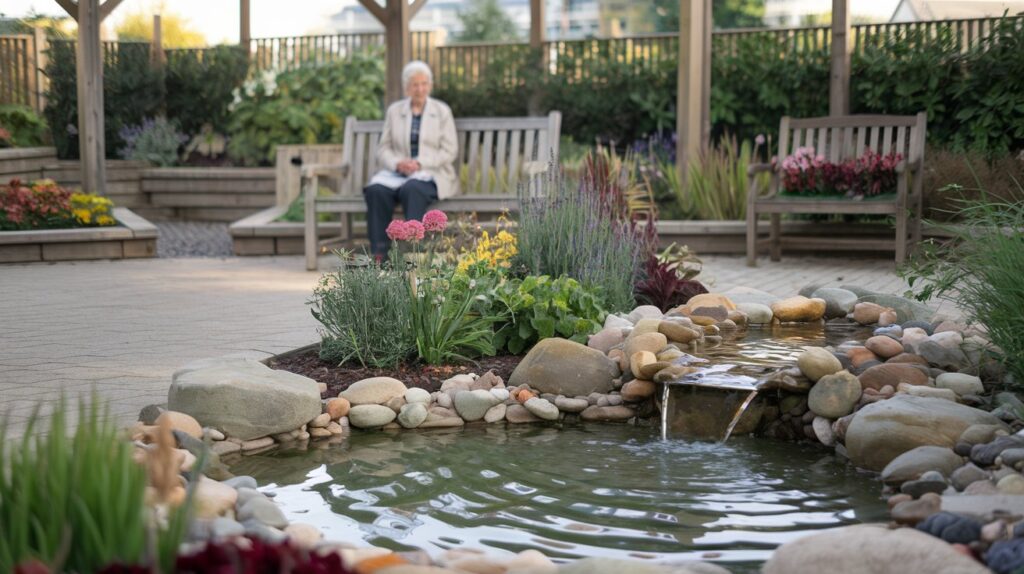
Incorporate various surfaces and textures to engage the sense of touch. Water features, different paving materials, and plants with varied textures, like lamb'slamb's ear or sedum, provide tactile experiences.
Smell
The smell is a powerful sense for evoking memories. Populate your garden with fragrant plants like sweet peas, Chinese lilies, gardenia, honeysuckle, and herbs. With its distinct aroma and bee activity, lavender is an excellent choice for sensory gardens.
Versatile Garden Layouts For Sensory Stimulation
When planning a sensory garden, there are several layout options to consider:
- Integrated Sensory Experience: This approach involves creating a seemingly random mix of elements, engaging multiple senses simultaneously for a rich, immersive experience.
- Themed Sensory Journey: Alternatively, you can design a themed garden that takes visitors on a sensory journey, with different sections dedicated to stimulating specific senses.
Considerations For User Accessibility
Design should be tailored to the garden's primary users. For instance, gardens intended for individuals with limited vision should utilize bold, contrasting colors for easier navigation and focus on touch and sound stimulation. Conversely, gardens for those with hearing impairments should emphasize vibrant visuals, diverse textures, and aromatic plants.
Selecting Plants For A Sensory Garden
Choosing the right plants is crucial, and picking the species that will thrive in your local climate is essential. In the UK, this means selecting plants suitable for a moderate climate. The choice of plants also depends on the desired type of sensory garden.
For auditory stimulation, consider plants like bamboo and ornamental grasses. For olfactory appeal, jasmine, lilacs, and lavender (which can aid sleep) are excellent choices. Incorporate various herbs like rosemary for an aromatic experience. Distributing these plants throughout the garden prevents any single scent from becoming overwhelming.
Creating A Sensory Garden In Limited Spaces
Even small spaces can be transformed into sensory gardens. Utilize scented hanging baskets, soothing water features next to comfortable seating, or raised garden beds filled with fragrant flowers and herbs. Pots with favorite plants and flowers can also effectively stimulate the senses. Paths or walkways interspersed with scented plants, herbs, and surfaces like soft grass or crunchy gravel can enhance the sensory experience in confined areas.
8 Other Health Conditions That Can Benefit From Sensory Gardens
Sensory gardens are not just beneficial for individuals with dementia; they can be therapeutic for a wide range of health conditions. The multisensory stimulation these gardens provide can positively affect physical and mental health. Here are some other conditions that could benefit from sensory gardens:
- Autism Spectrum Disorders: Sensory gardens offer a safe and controlled environment for autistic individuals to explore and engage with their senses. The variety of stimuli can help sensory integration and may reduce sensory processing issues.
- Mental Health Conditions: For those dealing with depression, anxiety, and stress-related disorders, the calming and therapeutic environment of a sensory garden can be a powerful tool in managing symptoms. The natural setting can promote relaxation, reduce stress hormones, and improve overall mood.
- Developmental Disabilities: Children and adults with developmental disabilities may find sensory gardens particularly beneficial. The gardens can aid in developing sensory awareness and motor skills while providing a non-threatening space for learning and exploration.
- Chronic Pain and Fibromyalgia: The peaceful atmosphere of sensory gardens can help manage pain. Engaging with nature has been shown to distract from pain and lead to a more relaxed state, which may alleviate symptoms.
- Stroke Recovery and Neurological Conditions: For individuals recovering from a stroke or living with conditions like Parkinson's disease, sensory gardens can offer both physical and cognitive therapeutic benefits. Various textures smells, and sights can aid cognitive rehabilitation and physical recovery.
- Age-Related Conditions: Besides dementia, sensory gardens can benefit the elderly, especially those with loneliness or isolation. These gardens provide a space for social interaction, physical activity, and engagement with the environment, which can improve overall quality of life.
- Post-Traumatic Stress Disorder (PTSD): The calming effect of being in nature, coupled with the sensory experiences in these gardens, can be helpful for individuals with PTSD. It offers a tranquil environment where one can practice mindfulness and relaxation techniques.
- Learning Disabilities: For individuals with learning disabilities, sensory gardens can offer an alternative educational environment that stimulates learning through sensory experiences and hands-on activities.
In all these cases, sensory gardens provide a unique and natural way of supporting health and wellbeing. They offer an inclusive and engaging space that caters to various needs, promoting physical, emotional, and cognitive health.
10 Factors To Consider When Designing Sensory Gardens For Residents With Mobility Issues?
Improving the accessibility of sensory gardens in care homes for residents with mobility issues is vital to ensure everyone can enjoy the benefits of these therapeutic spaces. Here are several strategies that can be implemented:
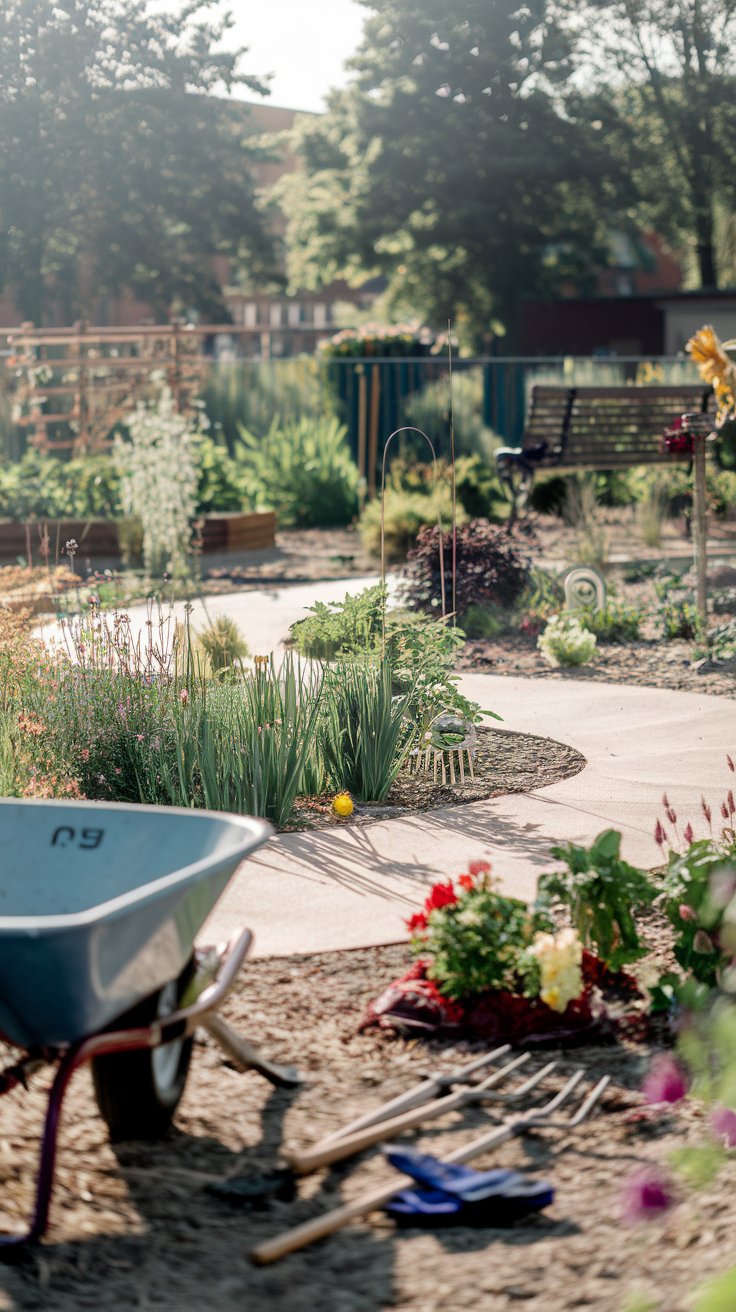
- Wide and Smooth Pathways: Ensure that pathways are wide enough to accommodate wheelchairs and walkers comfortably. The paths should be made of smooth, non-slip materials to facilitate easy movement.
- Ramped Access: Instead of steps, use ramps with gentle gradients to access different garden areas. Ensure the ramps comply with accessibility standards for slope and width.
- Raised Planters and Beds: Elevate planting areas to reduce the need to bend down. Raised beds and planters make it easier for those in wheelchairs or with limited mobility to touch, smell, and interact with plants.
- Seating Areas: Integrate plenty of seating within the garden. This allows residents to rest as needed and enjoy the garden without standing for extended periods.
- Accessible Water Features: Design water features that are easily accessible. For example, a shallow pond with a ramped entry can allow someone in a wheelchair to experience the sensation of water.
- Sensory Elements at Different Heights: Incorporate sensory elements, like fragrant flowers or tactile plants, at various heights to be easily reachable by all residents, whether standing or seated.
- Clear Signage: Use large, clear signage with high contrast and tactile elements to guide residents through the garden, especially beneficial for those with visual impairments.
- Handrails and Support Structures: Install handrails along pathways and near seating areas for additional support.
- Adaptive Tools and Equipment: Provide adaptive gardening tools that are easier to grip and use for residents who wish to engage in gardening activities.
- Guided Tours and Assistance: Offer regular guided tours or staff assistance for residents who might need additional help navigating and experiencing the garden.
- Regular Maintenance: Keep the garden well-maintained to ensure paths are clear of obstacles and hazards and that plants do not overgrow into pathways.
By implementing these features, care homes can create sensory gardens that are enriching, safe, and accessible for all residents, regardless of their mobility levels. This inclusivity ensures that the therapeutic benefits of the garden are available to everyone.
7 Plants That Should Be Avoided In Sensory Gardens
When designing sensory gardens, especially in care settings, it's important to be mindful of plants that could trigger allergies or pose other health risks. Here are some types of plants generally recommended to avoid:

- Highly Allergenic Plants: Some plants produce a significant amount of pollen, which can trigger allergic reactions. Common culprits include certain grasses, ragweed, and some flowering plants. It's advisable to opt for plants that are less likely to cause allergies, such as those that are pollinated by insects rather than the wind.
- Toxic Plants: Avoid toxic plants if ingested or can cause skin irritation upon contact. This includes plants like foxglove, oleander, and certain varieties of lilies, which can be harmful if consumed, and others like poison ivy, poison oak, and stinging nettles, which can cause skin reactions.
- Thorny or Spiky Plants: Plants with thorns or sharp edges, like some roses or cacti, can be a hazard, particularly in a garden frequented by individuals with mobility or vision impairments.
- Strongly Scented Plants: While fragrant plants are a key feature of sensory gardens, some scents might be overpowering or unpleasant for sensitive individuals. It's important to choose plants with various mild and pleasing fragrances.
- Invasive Species: Avoid plants known to be invasive in your area, as they can overtake the garden and may require the use of chemicals for control, which could harm health.
- Plants Attracting Bees and Wasps: While pollinator-friendly plants are valuable for biodiversity, managing them carefully in areas where residents might be allergic to bee stings is essential. Ensure that these plants are not placed in high-traffic areas.
- Fruit-bearing Plants (If Necessary): In some cases, plants that bear fruits or nuts might need to be avoided, particularly if there are concerns about residents consuming unripe or potentially harmful varieties.
When selecting plants for a sensory garden in a care home or similar setting, it's always a good idea to consult with a horticultural expert or a healthcare professional to ensure the safety and well-being of all garden users. Additionally, regular monitoring and maintenance of the garden can help promptly address any issues arising from plant choices.
Conclusion

In conclusion, creating a sensory garden, whether in a sprawling yard or a cozy balcony, is a rewarding journey that brings many benefits, especially for those in later life or with specific needs like dementia. Remember, the key to a successful sensory garden lies in thoughtful planning and plant selection that caters to the local climate and the specific needs of its users. While there are some risks, such as ensuring the garden is safe and accessible for all, these can be easily managed with careful design. The joy and therapeutic value these gardens provide far outweigh the challenges. So, I encourage you to embark on this fulfilling endeavor. By doing so, you're not just planting a garden; you're cultivating a vibrant, sensory-rich haven that can bring comfort, joy, and a deeper connection to nature for everyone who experiences it. Happy gardening!
Keep reading

20 Amazing Crochet Beginner Ideas
Join the fun with these 20 amazing beginner crochet projects that will inspire your creativity and lead you to endless possibilities!

20 Amazing Crochet Blue Ideas
Join us as we unveil 20 amazing blue crochet projects that will inspire your creativity and elevate your crafting game!

20 Amazing Crochet Black Ideas
Marvel at these 20 amazing black crochet projects that will ignite your creativity and inspire your next crafting adventure! Discover your new favorite today.
Need personal guidance?
Talk to an advisor
Our care experts are here to help you make the right choice — for free.