How To Apply For a Blue Badge - The Ultimate Guide In 2025!
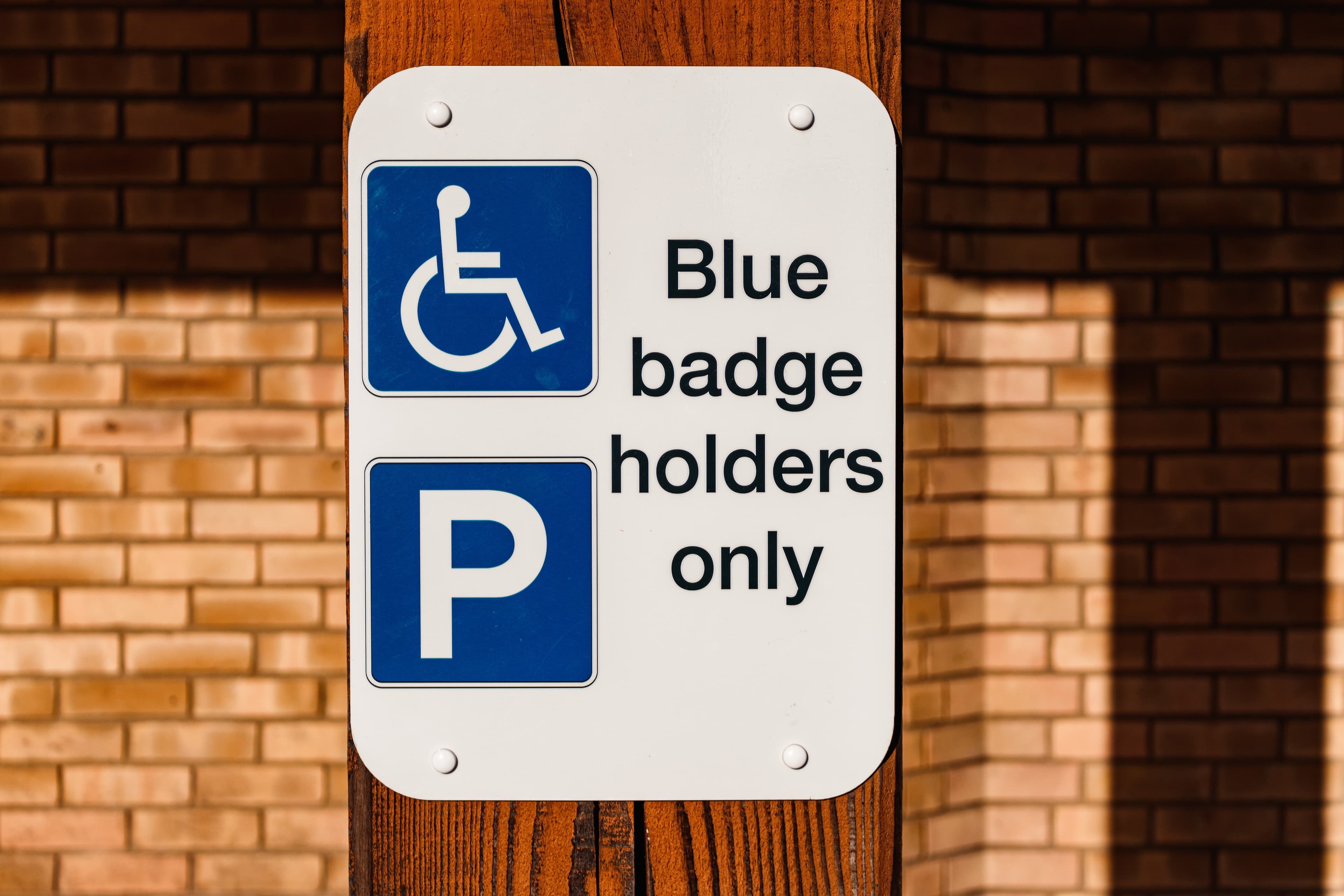
Ever wondered how a Blue Badge can transform your mobility experience? This guide will walk you through everything you need to know. We’ll break down what a Blue Badge is, who qualifies, and how to apply with ease. Plus, we’ll cover renewal tips to keep your badge up-to-date.
Imagine having the freedom to park closer to your destination and navigate your day with fewer hurdles. That’s what a Blue Badge offers—practical support that makes life a bit easier. With this article, you’ll gain clear, actionable insights to confidently manage the application process and maximize the badge’s benefits. Ready to unlock the full potential of your Blue Badge? Let’s dive into the essentials and ensure you make the most of this invaluable support.
Eligibility And Application Process
You can apply for or renew a Blue Badge if you have a disability or a health condition that limits your mobility. This also extends to caregivers of children with similar conditions. Importantly, the ability to drive is not a prerequisite for application, except in cases involving arm disabilities. The Blue Badge is a personal entitlement and must not be misused; it allows the holder, or someone assisting the holder, access to specific parking privileges but cannot be lent out for others' convenience. Automatic eligibility is granted to those receiving certain benefits, including care home benefits.
Parking Privileges With A Blue Badge
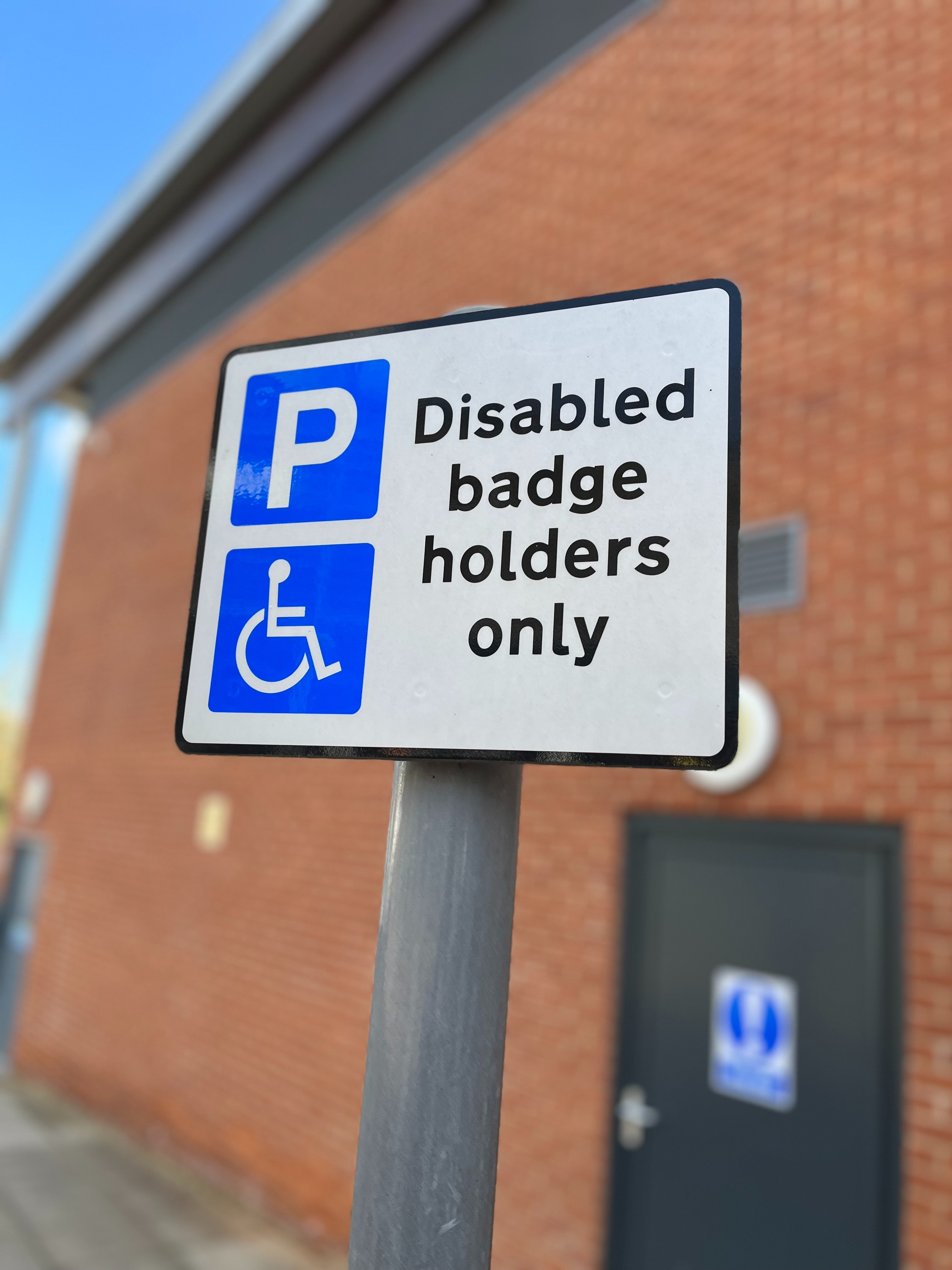
Blue Badge holders are afforded significant parking concessions, which include:
- Free parking at on-street meters and Pay and Display bays.
- Parking on single or double yellow lines for up to 3 hours, barring areas with loading or unloading restrictions.
- Local councils may have additional regulations, and some London boroughs operate under distinct parking rules. It's advisable to consult local council information, which can be found on the GOV.UK website for specific regulations in different areas.
Criteria For Blue Badge Eligibility
Automatic qualification for a Blue Badge is available under several conditions:
- A permanent and substantial disability that severely impairs walking ability, potentially requiring assessment by a physiotherapist or occupational therapist.
- Registration is blind.
- Receipt of the higher rate of the mobility component of the Disability Living Allowance.
- Receipt of the War Pensioner's Mobility Supplement.
- Beneficiaries of the Armed Forces Compensation scheme (tariffs 1 to 8) with a 'permanent and substantial' disability classification.
Qualifying For A Blue Badge with PIP
Personal Independence Payment (PIP) is critical in the Blue Badge scheme. You automatically qualify for a Blue Badge if you:
- Score 8 points in your PIP assessment's 'moving around' category.
- Score 10 points in the 'planning and following journeys' category and are categorized under Category E.
Additionally, having PIP may make you eligible for other benefits, often called "PIP freebies."
Applying For A Blue Badge Online
The primary method for applying or renewing a Blue Badge is through the GOV.UK website. However, some councils offer a paper form option. It's advisable to contact your local council for specific application methods. They may also arrange an appointment to visit you for the application process.
Procedure For Postal Applications
When applying via post, always send copies of your essential documents, not originals. These copies need to be certified by a professional, such as a solicitor, who should confirm on the document:
- A statement saying, 'This copy is a true likeness of the original.'
- Their full name, address, occupation, and the certification date
Renewing Your Blue Badge
Blue Badges are valid for three years and must be renewed after that. If your eligibility status changes, such as no longer receiving the benefit linked to your badge, a reapplication is necessary. Renewal can be done online via GOV.UK or, in some cases, through a paper form available from local councils. It's crucial to return the badge if it's no longer needed; failure can result in a fine of up to £1,000.
What Are The Consequences Of Misusing The Blue Badge?
Misusing a Blue Badge can lead to serious consequences in the United Kingdom. The Blue Badge scheme is designed to help those with mobility issues, and any system abuse undermines its integrity and purpose. Here are the key repercussions of misusing the badge:
- Fines and Penalties: Individuals caught misusing a Blue Badge can face substantial fines. The maximum fine can be up to £1,000. This fine applies not just to the unauthorized user of the badge but also to the badge holder if they knowingly allowed the misuse.
- Withdrawal of the Badge: If misuse is detected, the local council has the authority to withdraw the Blue Badge. This means that the individual for whom the badge was originally issued will lose their parking privileges, which can significantly impact their mobility and independence.
- Criminal Record: In some cases, misuse of a Blue Badge can be considered a criminal offense. This could lead to a criminal record, impacting future employment opportunities, travel, and other areas where background checks are common.
- Reputational Damage: Beyond legal consequences, being caught misusing a Blue Badge can lead to public embarrassment and reputational damage. This can affect both individuals and businesses involved in the misuse.
- Increased Scrutiny for Future Applications: If a person has their Blue Badge withdrawn due to misuse, any future applications for a badge may be scrutinized more closely, making it harder to obtain these crucial mobility aids in the future.
It's important to remember that the Blue Badge is a vital resource for many people with disabilities, and its proper use is essential to maintain its effectiveness and fairness. Misuse has legal repercussions and impacts the wider community by potentially reducing the availability and accessibility of parking spaces for those who genuinely need them.
Is The Blue Badge Scheme Available In All Areas Of The UK?
Yes, the Blue Badge scheme is available across the United Kingdom, but there are some regional variations in its application and enforcement. The scheme operates in England, Scotland, Wales, and Northern Ireland, providing eligible individuals with parking concessions due to disability or health conditions that affect mobility. However, there are a few points to note about its implementation in different regions:
- England, Scotland, and Wales: In these areas, the Blue Badge scheme is largely consistent regarding eligibility criteria and the benefits it provides. However, local councils may have specific rules, especially regarding parking on yellow lines and in areas with local parking schemes.
- Northern Ireland: The scheme also operates in Northern Ireland, but there might be slight differences in the application process or the specific concessions available.
- London: In London, the scheme operates with some specific exceptions. For example, the City of London, the City of Westminster, the Royal Borough of Kensington and Chelsea, and part of the Borough of Camden have their own additional rules due to the high demand for parking in these areas.
Blue Badge holders must check the specific rules and concessions in the area they visit, as local councils can impose additional restrictions or provide further concessions. The GOV. The UK website is a useful resource for checking these local variations and ensuring compliance with the rules in different parts of the UK.
What documents need to be submitted while renewing the Blue Badge?
When renewing a Blue Badge in the United Kingdom, several key documents are typically required to process the application. These documents help the issuing authority verify the applicant's identity, address, and eligibility. Here's a list of the common documents you may need to submit:
- Proof of Identity: This could be a passport, a birth or adoption certificate, a marriage or civil partnership certificate, a driving license, or an ID card for non-drivers. The document should confirm your name and date of birth.
- Proof of Address: You must provide a document that verifies your current address. This could include a recent utility bill, a council tax bill, a benefit award letter, or a driving license if it has your current address.
- Recent Photograph: A recent passport-style photograph is required for the badge. The photo should be a true likeness, showing your full face so that you can be easily identified.
- Evidence of Eligibility: This may include documents that prove you still meet the eligibility criteria for the Blue Badge. For example, suppose your badge was issued due to receiving a specific benefit (like the higher rate of the mobility component of the Disability Living Allowance). In that case, you should provide a recent decision letter confirming that you still receive this benefit.
- Previous Blue Badge: If you have an existing badge, some authorities might ask for its details or for it to be returned as part of the renewal process.
- Additional Documentation: Depending on your local council's requirements and your specific circumstances, you may need to provide additional documentation. This could include medical reports, letters from healthcare professionals, or other evidence related to your mobility issues.
It's important to check with your local council for the exact requirements, as they can vary slightly across different areas. Most councils provide detailed information on their websites about the renewal process and the specific documents needed. Providing accurate and up-to-date documents is crucial for a smooth renewal process.
Conclusion
In conclusion, the Blue Badge scheme represents a significant step towards greater independence and mobility for those with disabilities or mobility-limiting conditions in the UK. Navigating the application process, whether online or by post, is a straightforward journey, especially with the clear criteria provided for Personal Independence Payment recipients. Remember, the key to a successful application is understanding and meeting the eligibility requirements and ensuring all documentation is correctly submitted. While there's a responsibility to use the badge correctly and to renew it timely, the freedom and access it offers are well worth the effort. This scheme eases daily travel and opens doors to a more active and engaged lifestyle. Armed with this knowledge, I encourage you to take the next step, whether it's applying for the first time, renewing your badge, or helping someone else in their application process. Your journey towards enhanced mobility and independence is just a well-informed application away.
Useful Links To Learn More
- GOV.UK: Blue Badge Scheme
- Official government guide on the Blue Badge scheme, including eligibility criteria, how to apply, and the benefits of the badge.
- Age UK: Applying for a Blue Badge
- Information on the Blue Badge scheme tailored for older adults, including application tips and eligibility information.
- Disability Rights UK: Blue Badge Scheme
- A comprehensive guide to the Blue Badge scheme, detailing the application process, eligibility criteria, and advice for disabled individuals.
- Local Government Association (LGA): Blue Badge Information
- Resources and guidance from local councils on the Blue Badge scheme, including how to apply and what to expect.
- Citizens Advice: Blue Badge Scheme
- Guidance on the Blue Badge scheme, including how to apply, eligibility criteria, and additional support available.
- The Royal British Legion: Blue Badge Application
- Information on how veterans and their families can access the Blue Badge scheme, including application assistance.
- The Mobility Roadshow: Blue Badge Information
- Details on the Blue Badge scheme, with tips on the application process and how the badge can support mobility needs.
Feature Image Photo By Jakub Pabis on Unsplash
Keep reading

20 Amazing Crochet Beginner Ideas
Join the fun with these 20 amazing beginner crochet projects that will inspire your creativity and lead you to endless possibilities!

20 Amazing Crochet Blue Ideas
Join us as we unveil 20 amazing blue crochet projects that will inspire your creativity and elevate your crafting game!

20 Amazing Crochet Black Ideas
Marvel at these 20 amazing black crochet projects that will ignite your creativity and inspire your next crafting adventure! Discover your new favorite today.
Need personal guidance?
Talk to an advisor
Our care experts are here to help you make the right choice — for free.