Dental Care in Care Homes - An Expert Guide In 2025!
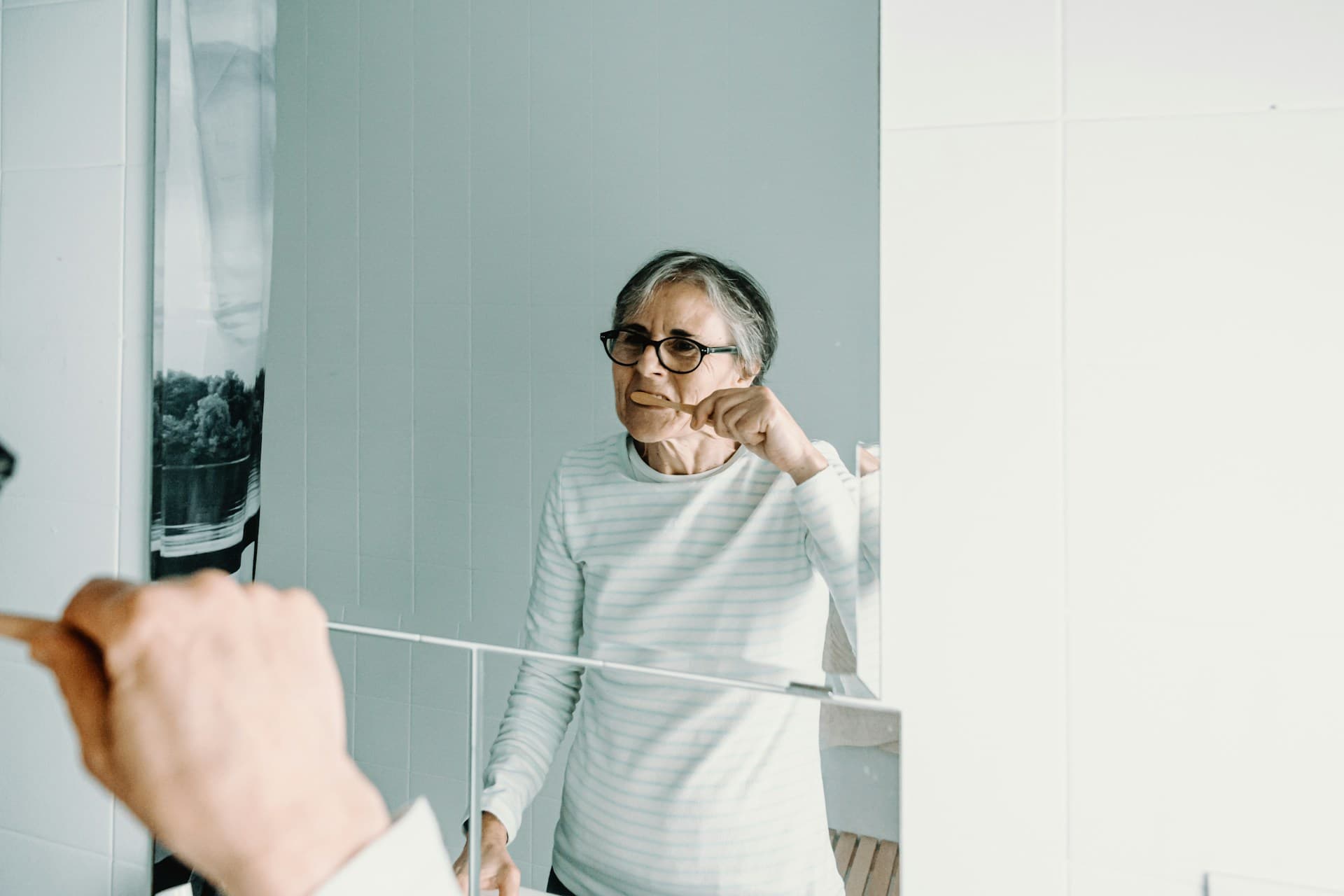
Oral health in care homes is more than just brushing and flossing—it’s a critical factor in overall wellbeing. Many seniors face serious consequences when their dental needs are neglected, from chronic pain and trouble eating to sleep disturbances and heightened risks of other health issues. But don’t worry, it’s not all bad news. This article uncovers the far-reaching effects of poor dental care and offers actionable solutions. You’ll find practical advice for caregivers, family members, and healthcare professionals to enhance oral health and improve quality of life for the elderly. Dive in to discover how you can make a real difference and ensure your loved ones enjoy better health and comfort.
Introduction to Oral Health in Care Homes
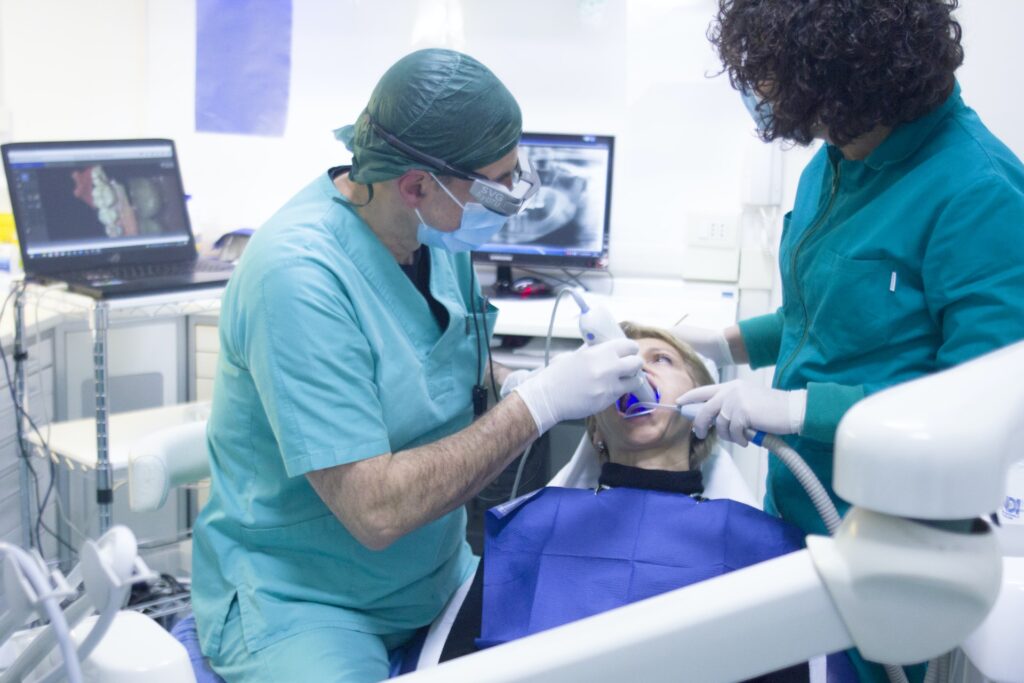
The BDA's Campaign and Disturbing Findings
The British Dental Association (BDA) has recognized the gravity of this situation. They've launched a campaign for enhanced oral health care for older people, underlining the urgency with startling cases. Recent statistics paint a bleak picture:
- 73% of care plans in 100 homes need to address oral health.
- 52% lack a resident-specific oral health plan.
- 47% of staff need to gain training in dental care.
Why Dental Care Matters for the Elderly
Oral health impacts more than just teeth. Poor dental care in the elderly can lead to difficulty eating, medication absorption issues, and a decline in confidence, affecting overall quality of life. The British Geriatrics Society links poor oral health to pneumonia, heart disease, and malnutrition. The Office for National Statistics reveals that over 1.8 million people aged 65+ suffer from urgent dental conditions, often preventable with proper care.
Dental Care and Dementia
The Alzheimer's Society reports over 850,000 people in the UK living with dementia, many undiagnosed. Poor oral health exacerbates their eating and drinking difficulties, adding to confusion and discomfort. Adequate dental care is essential in mitigating these risks.
Responsibility for Dental Care in Care Homes
Care homes must ensure comprehensive health care, including dental. Managers should inform residents and families about their dental care processes, aligning with Care Quality Commission (CQC) guidelines. Regular dental check-ups, either through visiting dentists or local community services, should be arranged.
Implementing Effective Oral Health Practices
Upon admission, residents must undergo oral health assessments integrated into their care plans. Questions about dental aids, dentures, and required support are crucial. Staff training is vital to recognize when to reassess oral health and support daily dental routines, including brushing, cleaning, and using preferred dental products.
Overview of the Issue
In a stark comparison, over half of older adults in care homes suffer from tooth decay, significantly higher than the 40% prevalence among over 75s not in care homes. This alarming statistic from the National Institute for Health and Care Excellence (NICE) underscores a dire need for improved dental care in these facilities.
The BDA's Nationwide Efforts
England's Initiatives
The British Dental Association (BDA) has been proactive in England, presenting evidence to NICE for a new oral health standard in care homes. Key recommendations include:
- We are assessing oral health needs upon admission.
- I am recording these needs in personal care plans.
- We are supporting residents in maintaining daily oral hygiene.
- Despite these efforts, only 7 of the 2003 recommendations have been fully implemented, prompting continued advocacy by the BDA.
Focus on Northern Ireland
With Northern Ireland's rapidly aging population, which is expected to increase by 64% by 2033, the BDA is urgently pressing the Health and Social Care Board to address oral healthcare deficiencies.
Scotland's Challenges
In Scotland, the Public Dental Service (PDS) expresses concerns over the Scottish Government's Oral Health Improvement Plan, particularly the feasibility of accredited GDPs providing home care. The BDA is advocating for adequate resources and funding to ensure comprehensive care amidst a decline in PDS dentists, leading to longer waiting times and fewer appointments.
Wales: A Call for Action
A 2015 study revealed that 73% of Welsh care home residents have tooth decay and are less likely to maintain daily dental hygiene. The BDA urges the Welsh Assembly to prioritize oral health provisions for older people.
A Quick Recap On The Consequences of Poor Dental Care for Elderly People!
- Pain and Discomfort: Neglected dental health can lead to tooth decay, gum disease, and infections, causing persistent pain and discomfort. This can be particularly distressing for elderly individuals who may already be dealing with other health issues.
- Nutritional Deficiencies: Dental problems can make chew and swallow food difficult, leading to inadequate nutrition. Elderly residents might avoid certain foods, compromising their nutritional intake and exacerbating health problems like muscle weakness and immune system deficiencies.
- Impact on Communication: Dental issues can affect speech clarity. Difficulty in speaking can lead to frustration and social withdrawal, impacting mental health.
- Sleep Disturbances: Chronic dental pain can disrupt sleep patterns, leading to insomnia or poor sleep quality. This can exacerbate other health conditions and affect overall well-being.
- Aggravation of Existing Health Conditions: Poor oral health can worsen chronic conditions like diabetes and heart disease. There's also an increased risk of respiratory infections like pneumonia, particularly due to the aspiration of bacteria from the mouth into the lungs.
- Mental Health Impacts: The discomfort and aesthetic concerns associated with poor dental health can lead to lowered self-esteem and social isolation. This is particularly concerning in care homes, where social interaction and mental stimulation are crucial for well-being.
- Increased Risk of Systemic Diseases: Research shows a link between poor oral health and systemic diseases, including cardiovascular disease and stroke. Bacteria from the mouth can enter the bloodstream, affecting other body systems.
- Challenges in Daily Care: For caregivers, managing the dental care of elderly residents with significant oral health problems can be challenging, especially if the resident has dementia or other cognitive impairments.
- Financial Strain: Untreated dental issues can lead to more complex and expensive treatments, posing a financial burden on the individual or their family.
- Overall Quality of Life: Ultimately, the cumulative effect of these issues can significantly diminish an elderly person's quality of life, making their day-to-day experience in a care home less comfortable and enjoyable.
Conclusion
In conclusion, oral health in care homes is not just a medical issue but a matter deeply connected to our older adults' dignity and quality of life. Regular dental care is crucial in preventing pain, infection, and other health complications. It's heartening to see organizations like the BDA tirelessly working to bring about change, but we all have a role to play. Whether you're a caregiver, a family member, or a community member, advocating for improved oral health practices in care homes is essential. Encourage regular assessments, ensure oral health is a part of personal care plans, and support the staff with the necessary training. Doing so can help our elderly live not just longer but healthier and happier lives. Let this information inspire you to take action, make a positive impact in our seniors' lives, and uphold the standards of care they truly deserve.
Useful Links To Learn More
- NHS Dental Services for Care Home Residents – Overview of dental services available through the NHS for care home residents.
- Care Quality Commission (CQC): Dental Care in Care Homes – Guidance and standards for dental care within care homes.
- British Dental Association (BDA): Care Home Dental Care – Information on dental care best practices for care homes.
- Age UK: Dental Care and Older People – Tips and advice on maintaining dental health in later life.
- Care Home Dental Care Guide – A comprehensive guide to dental care specifically for care home residents.
Feature image via Unsplash
Keep reading

20 Amazing Crochet Beginner Ideas
Join the fun with these 20 amazing beginner crochet projects that will inspire your creativity and lead you to endless possibilities!
20 Amazing Crochet Blue Ideas
Join us as we unveil 20 amazing blue crochet projects that will inspire your creativity and elevate your crafting game!
20 Amazing Crochet Black Ideas
Marvel at these 20 amazing black crochet projects that will ignite your creativity and inspire your next crafting adventure! Discover your new favorite today.
Need personal guidance?
Talk to an advisor
Our care experts are here to help you make the right choice — for free.