Understanding Convalescent Care: An Expert Guide For 2025!
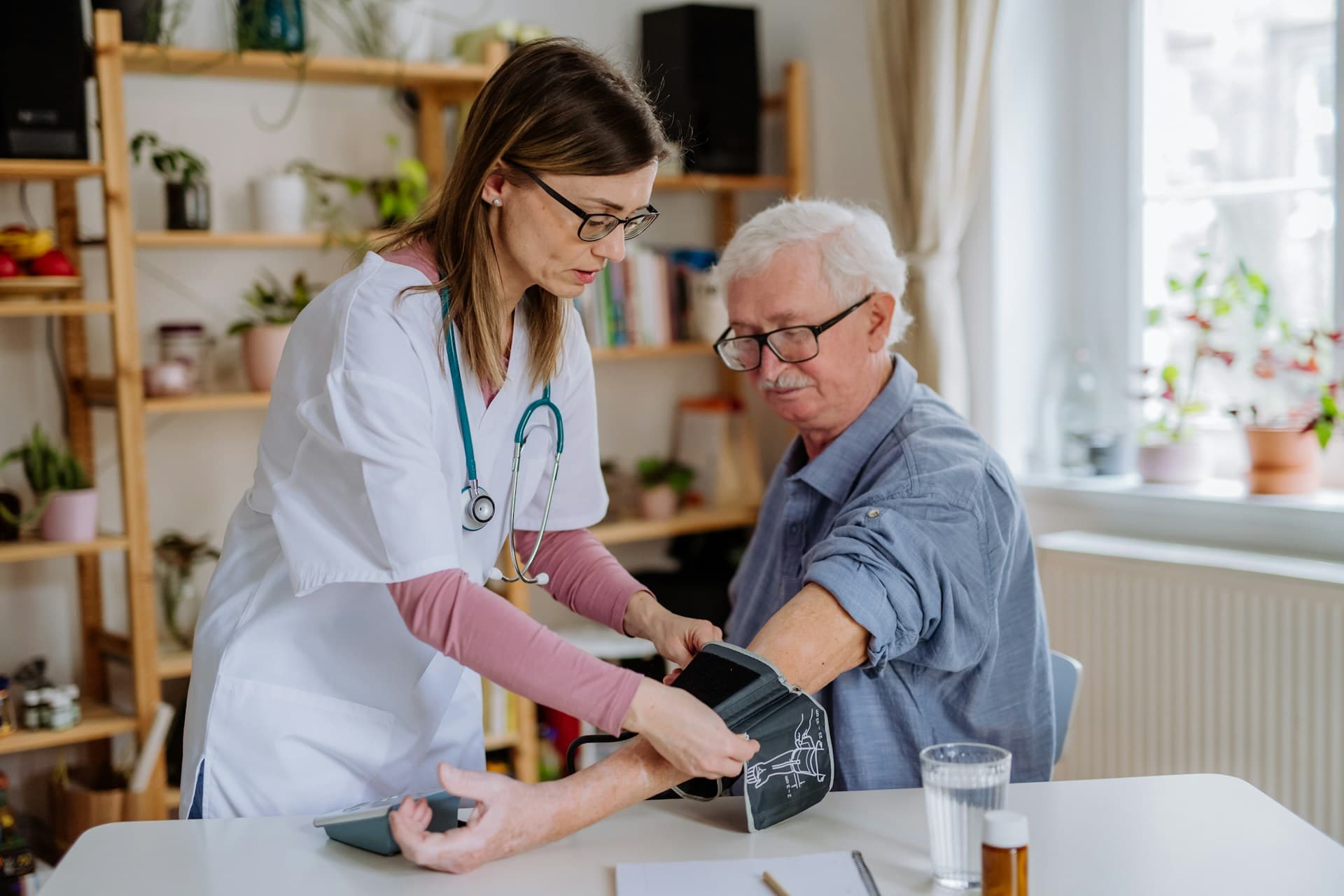
Recovering from an illness, surgery, or injury can be tough, and sometimes, a bit of extra help is needed. That’s where convalescent care comes in—a short-term, focused form of support designed to get you back on your feet. Provided by skilled professionals, convalescent care ensures you regain your independence and strength as smoothly as possible.
In this article, you’ll learn exactly what convalescent care offers, why it’s so important for recovery, and how to access the right services. Whether you're preparing for your own recovery or helping a loved one, you’ll walk away with practical tips and insights to make the journey easier. Ready to explore how it can help? Let’s dive in…
At-Home Convalescent Care

In the realm of later-life care, the comfort of one's home is unparalleled for convalescent care. Home care companies specialize in providing this personalized support. Whether it's daily visits from a dedicated carer or providing a live-in carer, the goal is to nurture the individual until they regain their full strength and independence. Before commencing care, a free consultation typically occurs, culminating in a tailored, goal-oriented care plan to address the individual's needs optimally.
Care Home/Nursing Home Convalescence
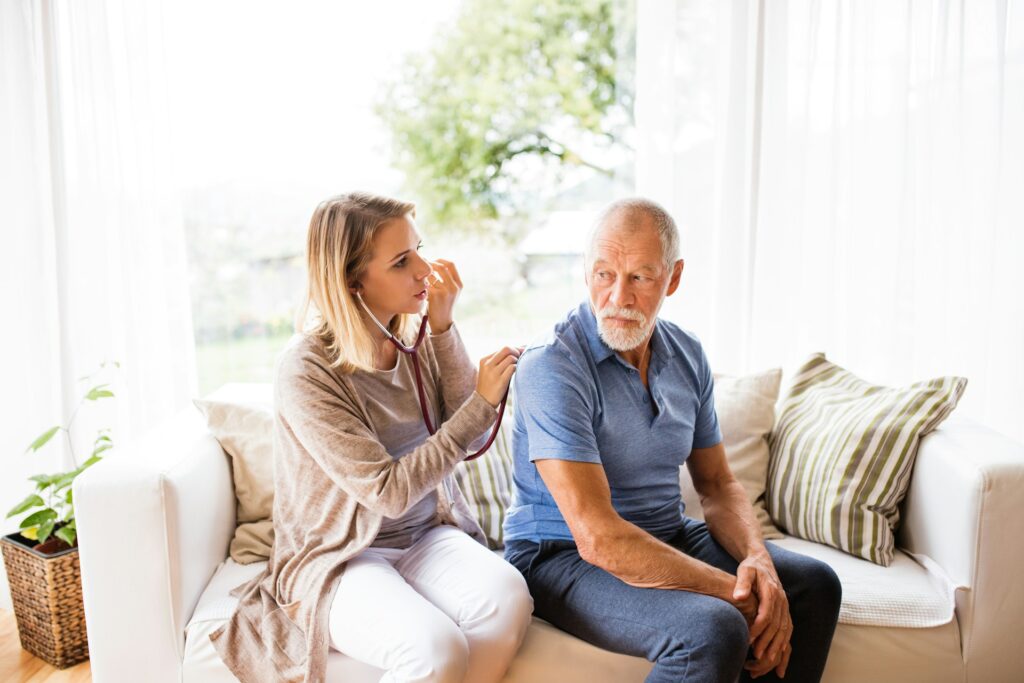
Alternatively, care homes and nursing homes offer a safe and skilled environment for convalescent care. Here, the round-the-clock support and access to specialized equipment and experienced staff often make these facilities a more effective option for certain individuals. The comprehensive support system in these settings can significantly enhance the recovery process.
Eligibility for Convalescent Care

Convalescent care is ideally suited for those poised to regain full independence post-recovery. Typical candidates include individuals recovering from surgeries like hip replacements, hospital discharges post-fall, or stroke survivors. The key criterion is the potential to resume normal life post-recovery.
Support Services Offered
- Convalescent care encompasses a range of services:
- Nutritional support through meal preparation
- Companionship and emotional support
- Administration of medication
- Incontinence care
- Rehabilitation services, including counseling or psychological therapy, speech, occupational, and physical therapy
Duration of Care
The duration of convalescent care varies widely, from a few days to several months, depending on the severity of the condition and the recommended recovery timeline.
Funding for Convalescent Care

When organized by a Local Authority for short-term rehabilitation, the initial six weeks, also known as 'intermediate care,' are typically free. Funding may be fully covered by the Local Authority or jointly with the NHS.
Organizing Convalescent Care
Contacting the facility two weeks in advance is advisable for planned convalescent care in a care home or nursing home. In urgent situations, immediate inquiries about availability are essential. Before starting care, a thorough assessment of the individual's needs is conducted to ensure the care plan is meticulously tailored to their requirements.
10 Common Conditions & Illnesses That Might Require Convalescent Care
Convalescent care is a vital bridge between hospital treatment and full recovery at home. It's particularly beneficial for individuals recuperating from specific conditions or illnesses that temporarily impair their ability to perform daily activities independently. Some of these conditions include:
- Post-Surgical Recovery: After major surgeries, such as joint replacements (hip or knee), heart surgery, or abdominal operations, patients often need time and assistance to heal properly.
- Stroke Recovery: Stroke survivors may require convalescent care for physical rehabilitation, speech therapy, and regaining motor skills.
- Severe Infections: Conditions like pneumonia or sepsis can weaken patients, needing time to regain strength and health.
- Cardiac Conditions: After heart attacks or other cardiac issues, patients often need a period of monitoring, rehabilitation, and gradual return to daily activities.
- Orthopedic Injuries: Broken bones or severe sprains, especially in older adults, may necessitate convalescent care for safe healing and mobility restoration.
- Neurological Disorders: Conditions like multiple sclerosis or Parkinson's disease may have periods of exacerbation requiring temporary convalescent care.
- Chronic Respiratory Diseases: Individuals with COPD or severe asthma sometimes need convalescent care after acute exacerbations.
- Cancer Treatment Recovery: Post-chemotherapy or radiation, patients might require convalescent care for nutrition support, pain management, and strength rebuilding.
- Complex Wound Care: For wounds that require specialized care, like pressure ulcers or surgical wounds with complications.
- Generalized Weakness or Deconditioning: This can occur after a prolonged hospital stay or illness, where the patient needs help to regain strength and functionality.
Each condition may have unique care requirements, and the duration and type of convalescent care will vary based on the individual's specific needs and recovery goals.
10 Potential Drawbacks & Risks Associated With Convalescent Care
- Risk of Infection: In care facilities, despite stringent hygiene practices, there's always a risk of infections, especially for individuals with weakened immune systems.
- Adjustment Difficulties: Transitioning from a hospital to a convalescent care setting or home care can be challenging for some patients, emotionally and physically.
- Quality of Care Concerns: The level of care can vary between facilities or home care services, potentially affecting the recovery process.
- Loss of Independence: Some individuals might feel a loss of independence or autonomy in a care facility, impacting their mental well-being.
- Costs: Convalescent care can be expensive, especially if not covered by insurance or government programs, leading to financial strain.
- Limited Personalized Attention: In some facilities, staffing limitations mean less personalized care than the patient requires.
- Emotional and Social Isolation: Being away from family and familiar environments can lead to feelings of loneliness or isolation, affecting mental health.
- Risk of Falls or Injuries: Especially in older adults, unfamiliar environments can increase the risk of falls or injuries.
- Inconsistency in Care Providers: Frequent changes in caregivers or healthcare professionals can disrupt the continuity of care and affect the quality of the therapeutic relationship.
- Delayed Discharge: Sometimes, bureaucratic or logistical issues can lead to delays in discharge, extending the stay beyond the clinically necessary period.
To mitigate these risks, it's important to thoroughly research and choose quality care providers, maintain open communication with healthcare professionals, and stay actively involved in the care process. Regular visits and advocacy by family members can also play a significant role in ensuring the quality and effectiveness of convalescent care.
12 Factors To Considered When Selecting a Care Provider
- Accreditation and Licensing: Ensure relevant health authorities accredit the facility or provider and hold up-to-date licensing, demonstrating adherence to healthcare standards.
- Quality of Care: Investigate the facility's reputation for quality care. Look into patient satisfaction surveys, reviews, and any awards or recognitions they have received.
- Staff Qualifications and Ratios: Check the qualifications and experience of the healthcare staff. A higher staff-to-patient ratio generally indicates more personalized care.
- Specialized Services: Depending on the specific health condition, ensure the facility or provider offers the specialized services needed, such as physical therapy, occupational therapy, or stroke rehabilitation.
- Environment and Facilities: The environment should be clean, safe, and conducive to recovery. Check for necessary medical equipment, accessibility features, and overall comfort.
- Location: Proximity to family and friends is important, as their support is crucial during recovery. Consider the ease of visitation and the facility's location relative to your home.
- Cost and Insurance Coverage: Understand the cost of care and what insurance or government programs cover. Clarify any out-of-pocket expenses to avoid unexpected financial burdens.
- Patient-Centered Approach: Look for a care provider or facility that values patient autonomy, and tailors care plans to individual needs.
- Communication and Family Involvement: Choose a provider that encourages family involvement and maintains clear, regular communication about the patient's progress and care plan.
- Discharge and Follow-up Care Planning: Ensure the facility or provider has a clear plan for transitioning out of convalescent care, including follow-up care and support services post-discharge.
- Safety and Emergency Protocols: Check the facility's safety measures and emergency response protocols to ensure a safe environment.
- Cultural and Linguistic Considerations: Consider whether the facility or staff can accommodate specific cultural or language needs for better comfort and understanding.
Visiting the facility, speaking to staff, and talking to current or former patients and their families can provide invaluable insights. It's important to take the time to thoroughly research and consider these factors to find the best possible care option for a successful recovery.
Conclusion
As we reach the end of our exploration into convalescent care, it's important to remember that this journey, though daunting, is a path toward regaining your full independence and strength. Whether you choose the familiar comfort of home care or the comprehensive support of a care or nursing home, the key is to select a setting that best aligns with your recovery needs. Remember, a tailored approach, which includes a thorough initial assessment and a personalized care plan, is crucial for effective recovery. It's also vital to stay informed about the funding options available to you. While convalescent care comes with its challenges, it also offers a remarkable opportunity for healing and growth. Armed with the right knowledge and support, you can make informed decisions that will pave the way to a healthier, more independent future. Your recovery journey is as unique as yours; with the right care, you can confidently step forward towards regaining your full potential.
Here’s a suggested section you can include in your article:
Useful Links To Learn More
- NHS - Intermediate Care and Reablement – Provides information on convalescent care services, focusing on recovery and reablement after a hospital stay.
- Age UK - After Hospital Care – Offers advice on convalescent care and how it can help older adults recover at home or in a care setting after illness or surgery.
- Independent Age - Intermediate and Aftercare – Explains how convalescent care services can assist with recovery, rehabilitation, and support after hospital discharge.
- Carers UK - Hospital Discharge and Aftercare – Offers guidance for carers on planning for convalescent care following a hospital stay, including financial help and support services.
- Bupa - Convalescent Care Services – Provides an overview of Bupa’s convalescent care options, offering tailored recovery plans for individuals after illness or surgery.
Feature image via Unsplash
Keep reading

20 Amazing Crochet Beginner Ideas
Join the fun with these 20 amazing beginner crochet projects that will inspire your creativity and lead you to endless possibilities!

20 Amazing Crochet Blue Ideas
Join us as we unveil 20 amazing blue crochet projects that will inspire your creativity and elevate your crafting game!
20 Amazing Crochet Black Ideas
Marvel at these 20 amazing black crochet projects that will ignite your creativity and inspire your next crafting adventure! Discover your new favorite today.
Need personal guidance?
Talk to an advisor
Our care experts are here to help you make the right choice — for free.