20 Best Dog Breeds for Retirees In 2025!
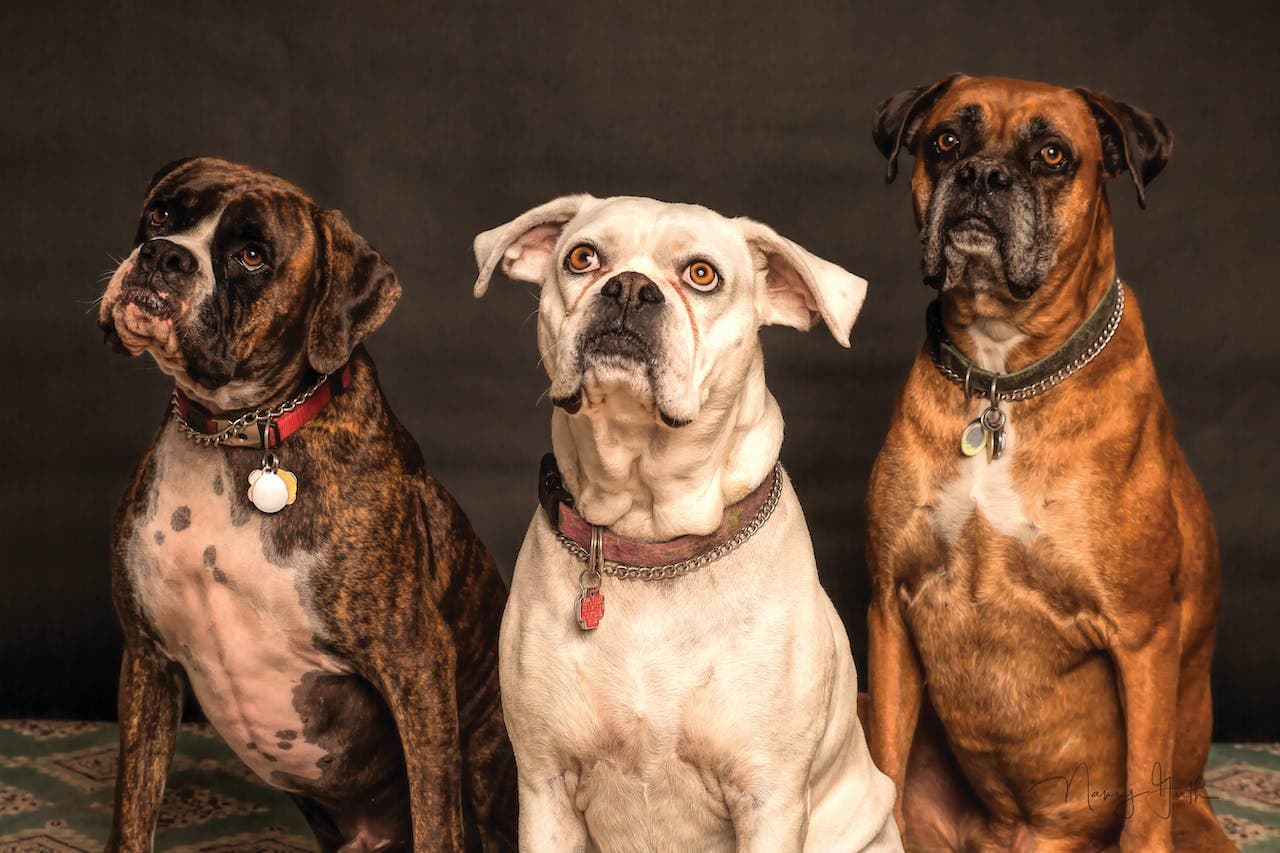
Bringing a dog into your life during retirement can be incredibly rewarding, offering companionship, motivation to stay active, and a deep sense of purpose. But choosing the right breed is crucial—one that fits your lifestyle, energy levels, and living space. In this guide, we explore the best dog breeds for retirees, offering expert advice on selecting a dog that complements your needs, whether you’re looking for a loyal walking partner or a gentle lap companion. We’ll also share insights into why older rescue dogs can be an ideal choice, bringing love and companionship with a little less effort than training a puppy. Dive in to find the perfect canine match to enrich your golden years.
| Breed | Pros | Cons |
|---|---|---|
| Greyhound | Low exercise needs, gentle, quiet, affectionate | Large size, may require space, prone to some health issues (e.g., bloat) |
| Cavalier King Charles Spaniel | Gentle, affectionate, good with people, moderate exercise needs | Prone to heart issues, requires regular grooming |
| Shih Tzu | Low exercise needs, friendly, good lap dogs | Requires regular grooming, prone to respiratory problems |
| French Bulldog | Low exercise needs, affectionate, adaptable to small spaces | Prone to respiratory issues, can be stubborn, requires regular health checkups |
| Poodle (Toy or Miniature) | Intelligent, hypoallergenic, easy to train | Requires regular grooming, needs mental stimulation |
| Bichon Frise | Low shedding, friendly, good for small spaces | Requires grooming, can suffer from allergies and skin problems |
| West Highland White Terrier | Moderate exercise needs, friendly, good with children and other pets | Requires grooming, can be stubborn, prone to skin issues |
| Maltese | Low exercise needs, affectionate, good for small living spaces | Requires regular grooming, can be prone to dental problems |
| Pekingese | Low exercise needs, independent, good lap dog | Requires grooming, can be stubborn, prone to respiratory and eye issues |
| Pomeranian | Low exercise needs, intelligent, good for small spaces | Requires regular grooming, can be prone to dental and skin issues |
| Yorkshire Terrier | Low exercise needs, intelligent, good for small spaces | Requires grooming, can be prone to dental issues, can be yappy |
| Boston Terrier | Low exercise needs, friendly, good for small spaces | Prone to respiratory issues, can be prone to eye problems |
| Chihuahua | Low exercise needs, good for small spaces, affectionate | Fragile, can be yappy, prone to dental issues |
| Havanese | Low shedding, friendly, good for small spaces | Requires grooming, can be prone to dental and ear issues |
| Lhasa Apso | Low exercise needs, good lap dog, adaptable | Requires grooming, can be stubborn, prone to eye and skin issues |
| Pug | Low exercise needs, affectionate, good for small spaces | Prone to respiratory issues, can be prone to obesity |
| Dachshund | Moderate exercise needs, loyal, good for small spaces | Prone to back issues, can be stubborn |
| Miniature Schnauzer | Low shedding, intelligent, good for small spaces | Requires grooming, can be prone to pancreatitis and diabetes |
| Cocker Spaniel | Moderate exercise needs, friendly, good with children and other pets | Requires grooming, prone to ear and eye issues |
| Scottish Terrier | Moderate exercise needs, loyal, good watchdog | Requires grooming, can be prone to skin issues and bladder cancer |
Greyhounds: Gentle And Low-Maintenance Companions
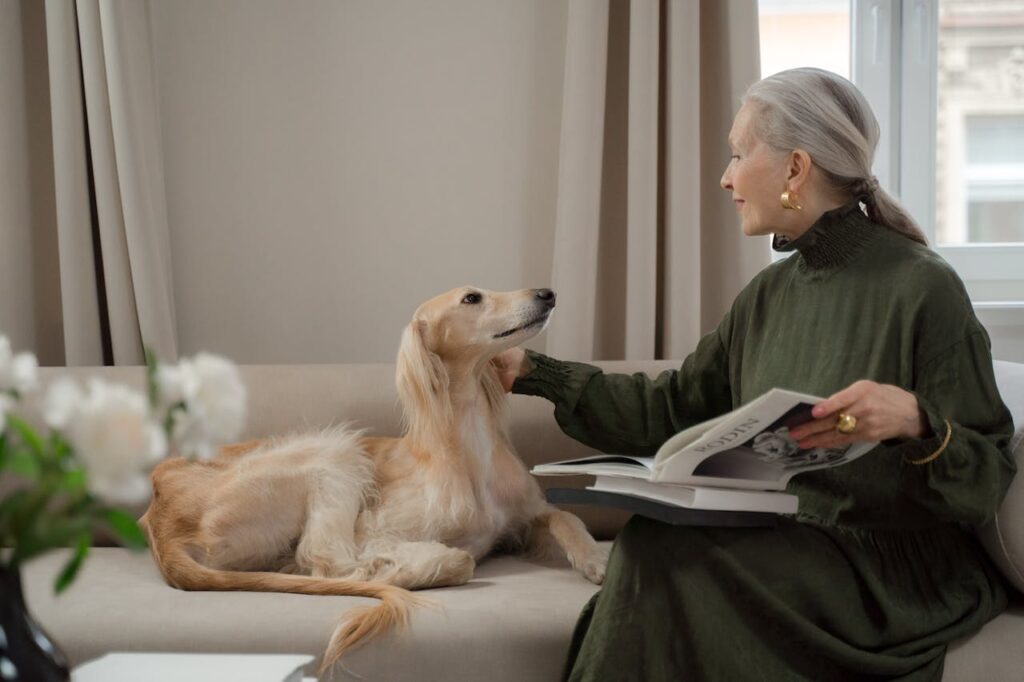
Greyhounds, known for their speed, are surprisingly ideal for retirees. Their calm and affectionate nature makes them excellent companions. The Forever Hound Trust emphasizes that retired greyhounds are low-energy, requiring just a few short daily walks. This breed's adaptability makes them a perfect match for various lifestyles, offering a serene companionship without the demands of more energetic breeds.
French Bulldogs: Charming And Adaptable Friends
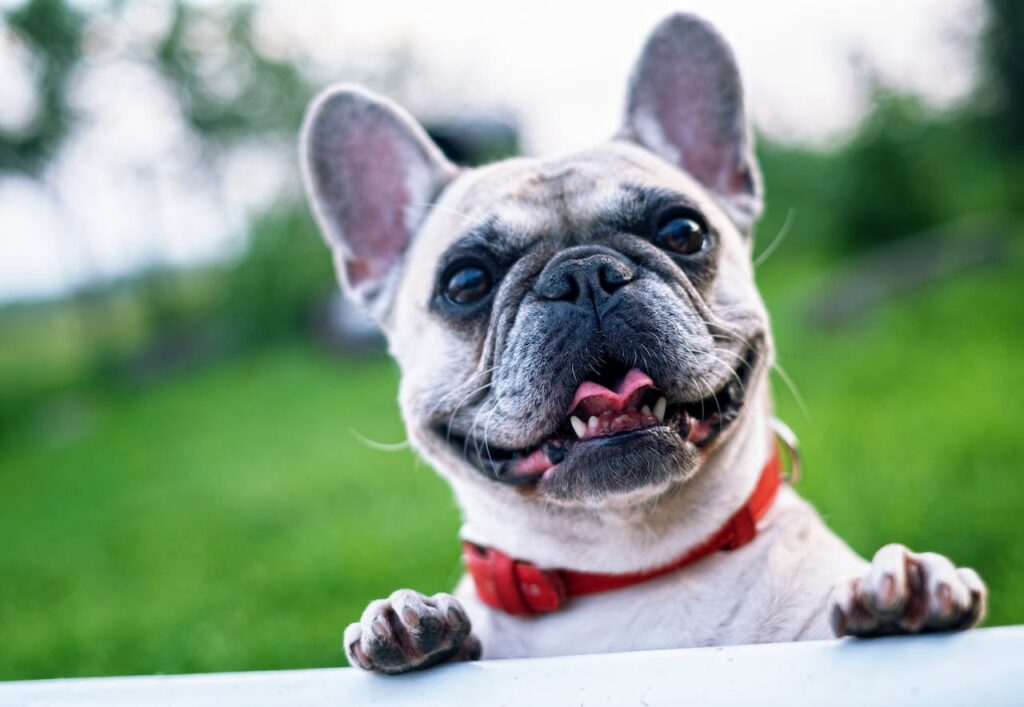
The French Bulldog's rise in popularity isn't without reason. These small, character-filled dogs are ideal for those with limited mobility. Experts from Frenchi Essentials note that French Bulldogs are low-energy, affectionate, and adapt well to apartment living. They require minimal exercise and are known for their intelligence and loyalty. The French Bulldog Rescue Network specifically focuses on matching these dogs with suitable homes, often preferring environments with older adults.
West Highland Terriers: Spirited And Loyal Pets
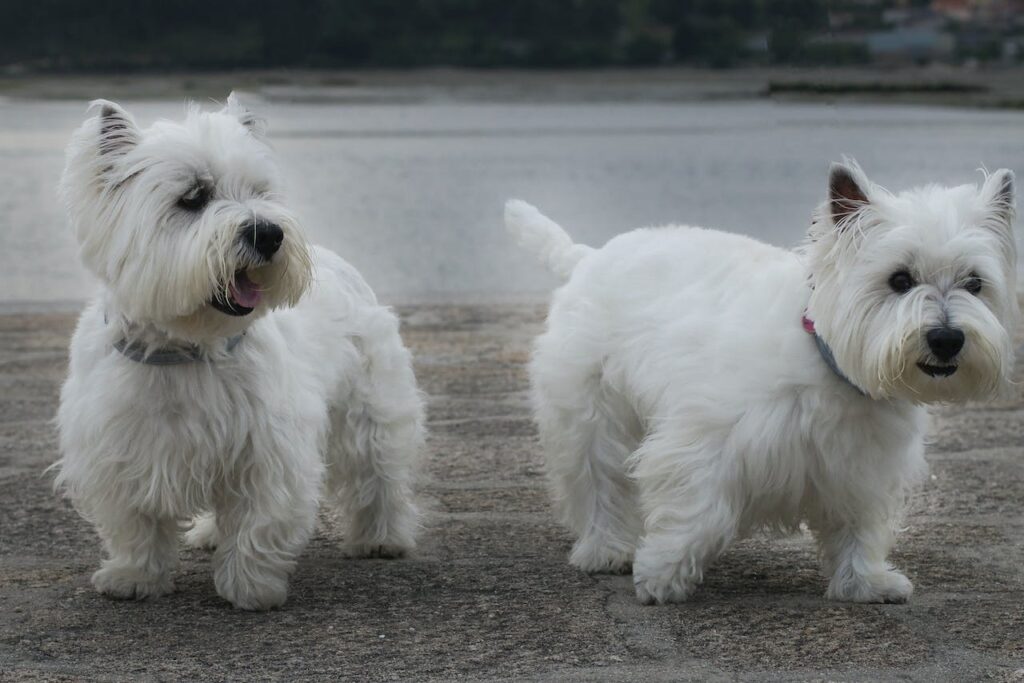
Despite their small size, West Highland Terriers have big personalities and are excellent companion pets. Steve Owen of the Southern West Highland White Terrier Club shares that these dogs are suited for older adults who require moderate exercise and can adapt to various activity levels. They also do well alongside mobility aids with some training. For those considering a smaller breed, the Shih Tzu is also recommended as a delightful alternative.
Poodles: Intelligent And Versatile Partners
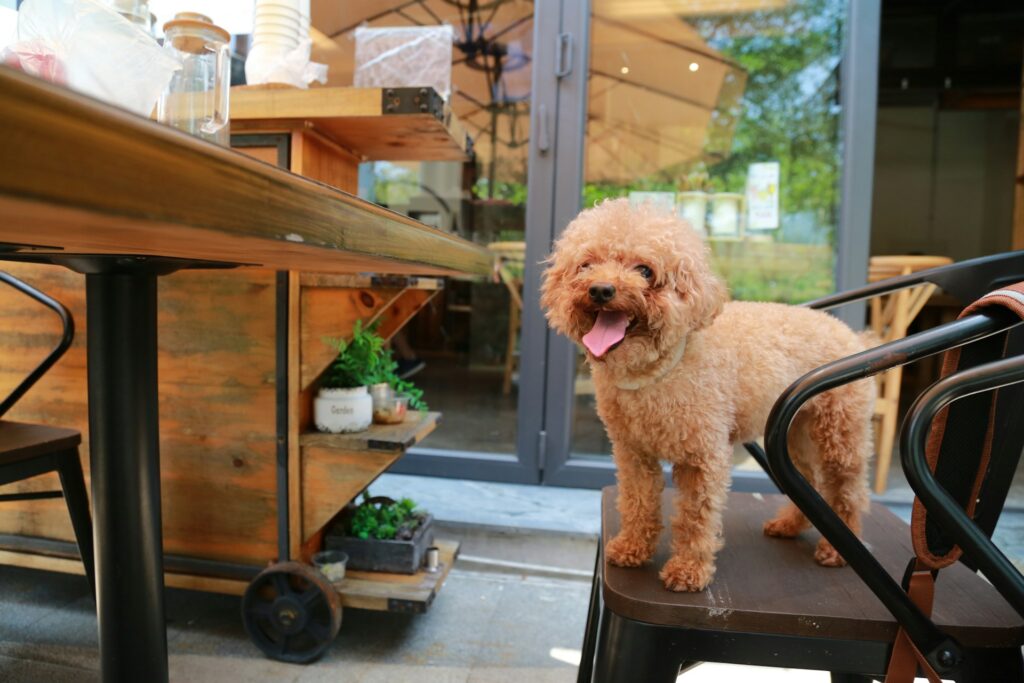
Poodles are an exemplary choice for those with a bit more energy. They are available in toy, miniature, and standard sizes and fit any living space. The Poodle Club in Victoria highlights their non-shedding, easy-to-train nature, making them ideal for various lifestyles, including those of older adults. Their intelligence and gentle demeanor make them particularly attuned to the needs of older people.
What Are The Best Breeds For Retirees With Mobility Challenges?
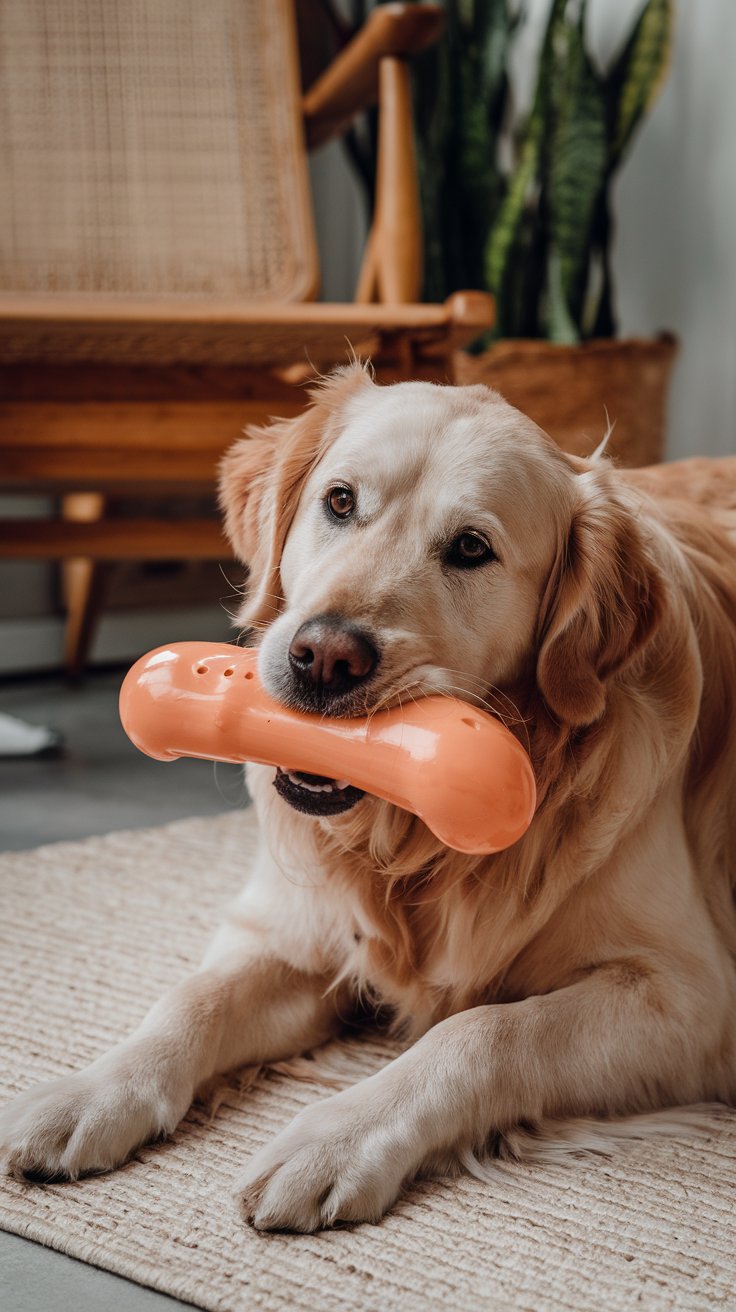
For retirees with mobility challenges, selecting the right dog breed is crucial to ensure both the owner's and the pet's happiness and well-being. Here are some of the best dog breeds for retirees facing mobility issues:
- Greyhounds: Known for their racing prowess, Greyhounds are surprisingly low-energy when not on the track. They are gentle, calm, and require minimal exercise, making them ideal for retirees who can manage short, leisurely walks.
- Cavalier King Charles Spaniels: These dogs are known for their gentle and affectionate nature. They are comfortable with a sedentary lifestyle but enjoy short walks and light play, fitting well with owners with limited mobility.
- Shih Tzu: This breed is ideal for indoor living and does not require extensive exercise. They are affectionate and adapt to a calm lifestyle, making them great lap dogs for less active retirees.
- French Bulldogs: These small dogs are laid-back and require only moderate exercise. They are known for their loving and adaptable nature, making them suitable companions for retirees with mobility challenges.
- Poodles (Toy or Miniature): Poodles are intelligent, easy to train, and adapt well to their owner's lifestyle. The smaller varieties, like toy and miniature poodles, are particularly suitable for retirees as they require less physical exercise and are easy to manage.
- Bichon Frise: These small, cheerful dogs are great for retirees. They are easy to train, require minimal exercise, and their friendly demeanor makes them wonderful companions.
- West Highland White Terriers: Although they can be energetic, Westies do not require extensive exercise. They are good for retirees who can handle moderate activity and enjoy the companionship of a spirited yet manageable dog.
- Maltese Terrier: This breed is known for being particularly gentle and loving. They thrive in a home environment where they can be close to their owner and require minimal exercise.
When choosing a dog, retirees must consider their physical limitations and lifestyle. Low-energy breeds that require less exercise and are content with indoor living are typically the best fit. Adopting an older dog can also be a great option, as they often have a calmer temperament and lower energy levels than puppies.
How Do Older Rescue Dogs Make Good Companions For Retirees?
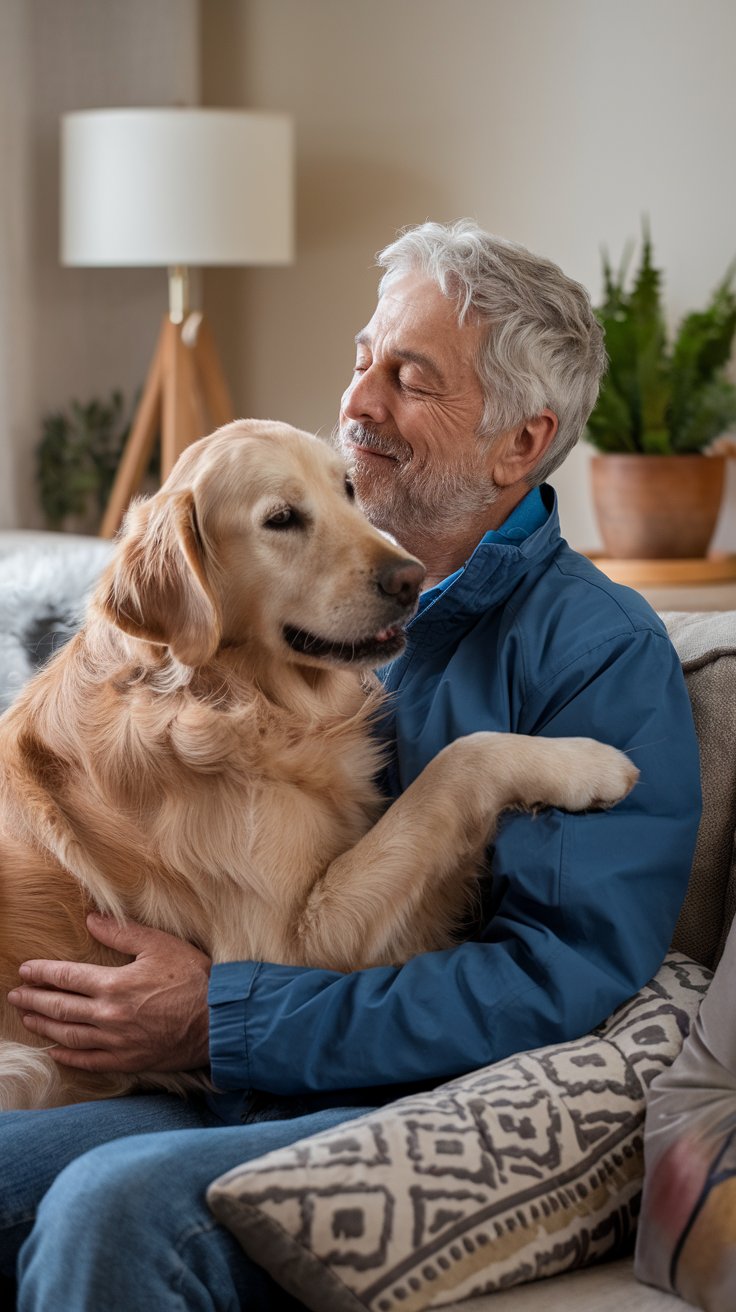
- Calm Temperament: Older dogs generally have a more settled and calmer demeanor than puppies or younger dogs. This makes them well-suited to the quieter and more predictable lifestyle of retirees.
- Lower Energy Needs: They typically require less exercise, fitting well with older adults' energy levels and physical capabilities. Short, leisurely walks and gentle playtime usually suffice, aligning with the mobility levels of many retirees.
- Training and Manners: Older dogs are often already trained and understand basic commands. This eliminates the intensive training needs associated with puppies, making them easier to manage and care for.
- Companionship: Older dogs provide valuable companionship, which can be especially beneficial for retirees living alone or having limited social interactions. Their presence can reduce loneliness and promote a sense of purpose and routine.
- Mutual Benefits: Adopting an older dog can be mutually beneficial. Just as the retiree provides a loving home for the dog's later years, the dog offers companionship, love, and emotional support.
- Known Personality: With an older dog, what you see is often what you get. Their personalities are already developed, so retirees can choose a dog whose temperament and activity level suit their lifestyle.
- Health Benefits: Studies show that having a pet can lower blood pressure, reduce stress, and increase physical activity, benefiting seniors' health.
- Reduced Commitment Time: An older dog usually has a shorter lifespan than a puppy, which can be a practical consideration for retirees concerned about long-term pet care commitments.
- Rescue Benefits: Adopting from a rescue organization often means the dog will have received a health check, vaccinations, and possibly even be spayed or neutered. Many rescues also offer ongoing support and advice for new owners.
- Appreciation and Bonding: Older rescue dogs often deeply appreciate their new home and bond strongly with their new owners, creating a deep and gratifying relationship.
For retirees, adopting an older dog can be a fulfilling experience, providing them with a loving companion while giving a dog a comfortable and caring home in its later years.
What Are The Exercise Requirements For Each Of The Recommended Breeds?
The exercise requirements for each recommended dog breed for retirees, especially those with mobility challenges, vary depending on the breed's size, energy level, and general health. Here's a brief overview:
- Greyhounds: Despite their reputation as racing dogs, Greyhounds are quite low-energy when they're not on the track. They typically need a few short walks daily, totaling about 20 to 30 minutes of exercise.
- Cavalier King Charles Spaniels: These dogs enjoy a moderate amount of activity. A daily walk of about 30 minutes and some playtime at home are sufficient to keep them happy and healthy.
- Shih Tzu: This breed requires minimal exercise. Short daily walks (15-20 minutes) and indoor playtime are enough to meet their exercise needs.
- French Bulldogs are a low-energy breed and do well with short walks. About 20 to 30 minutes of exercise per day, divided into a couple of walks, is adequate.
- Poodles (Toy or Miniature): These varieties require more exercise. Daily walks of 30 to 40 minutes should suffice, along with some play and mental stimulation, as they are intelligent dogs.
- Bichon Frise: They are an active breed but don't require extensive exercise. Daily walks of about 30 minutes and some playtime are generally enough.
- West Highland White Terriers: Westies enjoy moderate exercise. A couple of 20-minute daily walks, plus some playtime, will keep them content.
- Maltese Terrier: This breed needs only minimal physical activity. Short daily walks (15-20 minutes) and indoor play are sufficient.
These exercise requirements are general guidelines and can vary based on the individual dog's age, health, and personal energy level. It's always best to consult a veterinarian to understand your pet's needs. Additionally, for retirees with mobility challenges, finding a balance that keeps the dog and the owner comfortable and healthy is important.
Conclusion

In conclusion, selecting the right canine companion as a retiree, especially with mobility challenges, is a joy-filled journey with a few important considerations. Remember, each breed has unique exercise needs, from the gentle strolls suited for Greyhounds to the slightly more active routines for Westies and Poodles. Matching these requirements with your own lifestyle and physical capabilities is essential. While the companionship of a dog can significantly enhance your quality of life, offering emotional support and encouraging physical activity, it's crucial to be mindful of the responsibilities involved. Regular vet visits, daily care, and understanding your pet's health as they age are part of the commitment. Always consult professionals or adoption agencies to find the most compatible furry friend for your circumstances. Embracing pet ownership in your golden years can be a deeply rewarding experience, providing you and your pet with a loving, fulfilling relationship. Let this be a delightful new chapter in your life, where you and your four-legged companion embark on a journey of companionship and mutual care.
Useful Links To Learn More
- The Kennel Club – Provides information on different dog breeds, their characteristics, and what to consider when choosing a dog for your lifestyle.
- Dogs Trust – Offers guidance on adopting a dog and advice on selecting the right breed, especially for older individuals or retirees.
- Blue Cross – A UK charity that rehomes pets and offers advice on caring for animals, including tips for retirees looking to adopt a dog.
- PDSA – Offers comprehensive care advice for pet owners, including insights on selecting the best dog breeds for seniors.
- Age UK Pet Care Advice – Provides resources on how pets can positively impact the lives of older adults and tips on pet care in retirement.
Feature Image Photo By Nancy Guth on Pexels
Keep reading

20 Amazing Crochet Beginner Ideas
Join the fun with these 20 amazing beginner crochet projects that will inspire your creativity and lead you to endless possibilities!
20 Amazing Crochet Blue Ideas
Join us as we unveil 20 amazing blue crochet projects that will inspire your creativity and elevate your crafting game!
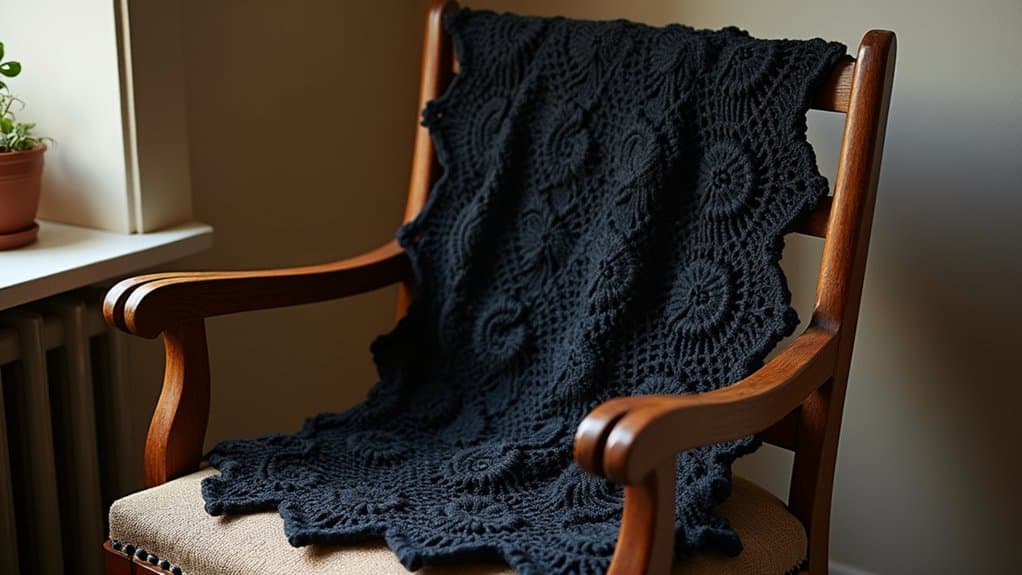
20 Amazing Crochet Black Ideas
Marvel at these 20 amazing black crochet projects that will ignite your creativity and inspire your next crafting adventure! Discover your new favorite today.
Need personal guidance?
Talk to an advisor
Our care experts are here to help you make the right choice — for free.