What is A Nursing Care Plan - An Expert Guide For 2025!
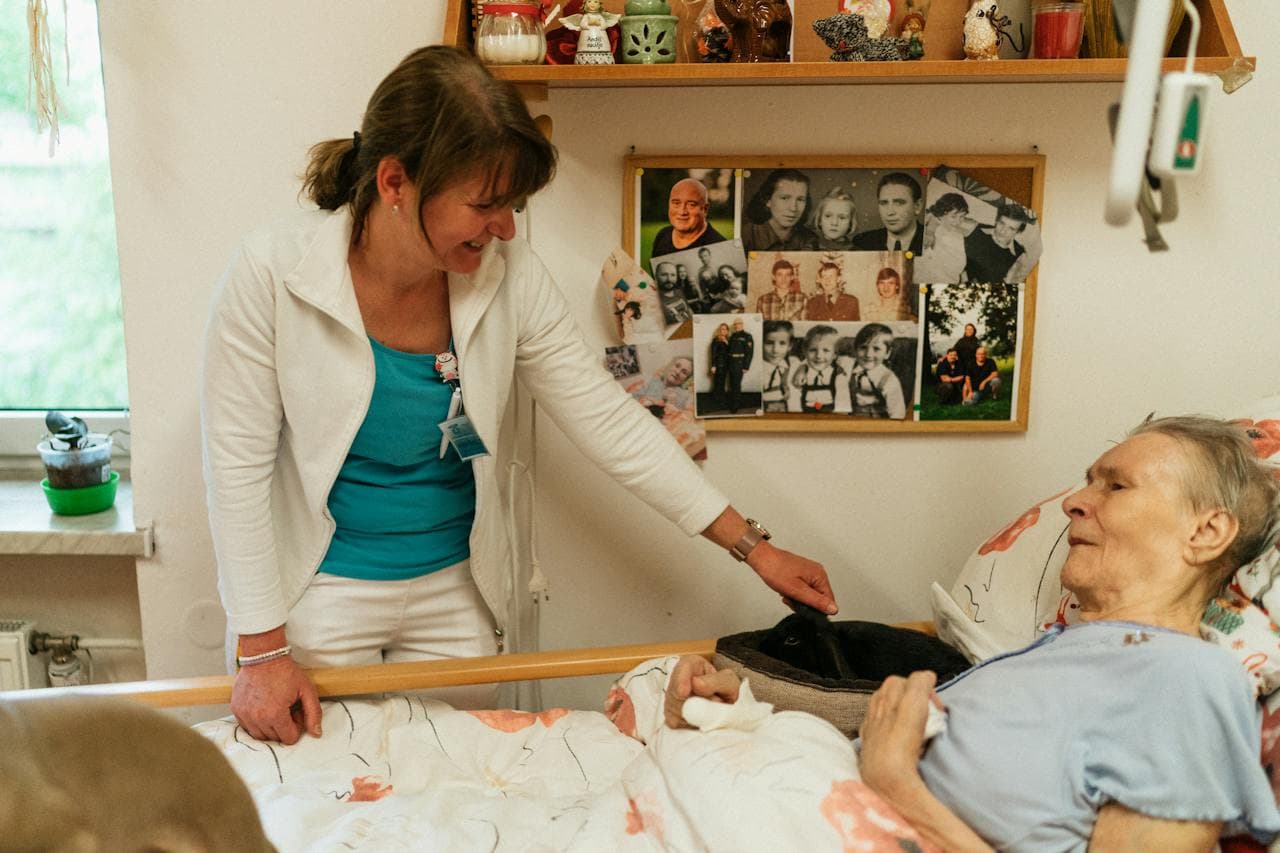
A nursing care plan plays a vital role in ensuring tailored, person-centred care for individuals in retirement settings. This detailed plan outlines a resident’s unique nursing needs and provides a clear strategy to meet those needs effectively. By fostering open communication between care home nurses, residents, and their families, it ensures that care is not only personalized but also collaborative. In this article, you’ll discover how nursing care plans enhance treatment and well-being, making sure every detail aligns with the resident’s health preferences while actively involving loved ones in the decision-making process.
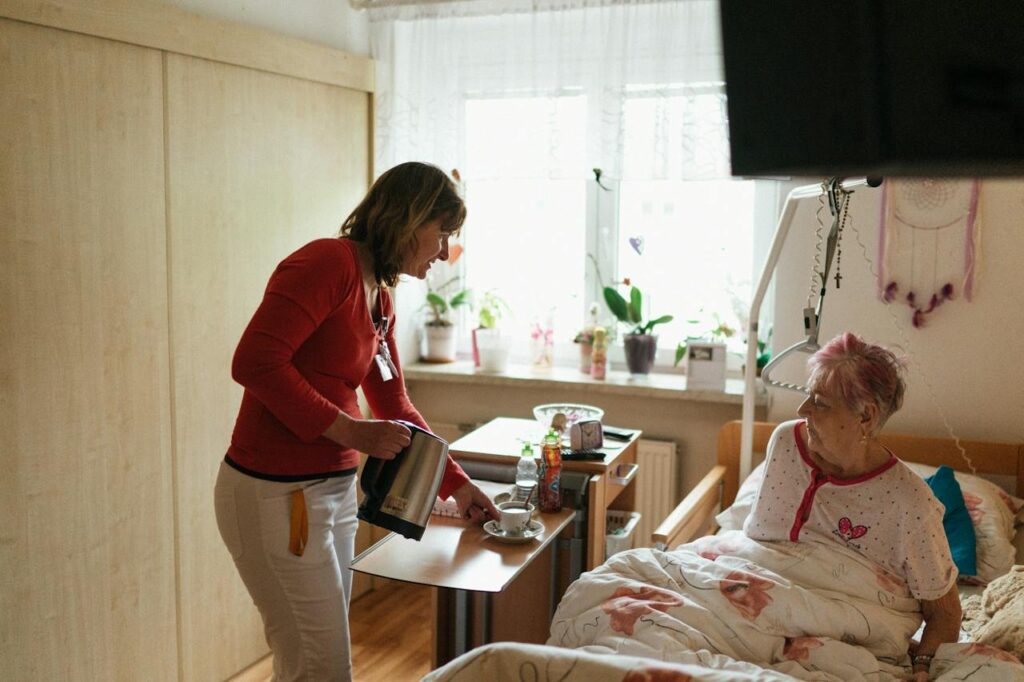
The Vital Role Of Nursing Care Plans In Person-Centred Care
Understanding the importance of nursing care plans is key to delivering exceptional person-centered care, especially in retirement living and later life care. These plans place the individual at the core of their care, aligning it with their wishes and expectations. At Care UK care homes, we embrace the philosophy that moving into a care home should be an extension of one's life journey, not a departure. This belief underpins our approach to creating a care plan for every new resident.
Our process involves an in-depth understanding of each resident to ensure their care plan reflects their desires and necessities. This personalized approach aims to provide more than safety and health; it's about nurturing happiness and fulfillment in every resident.
Components Of A Tailored Care Plan
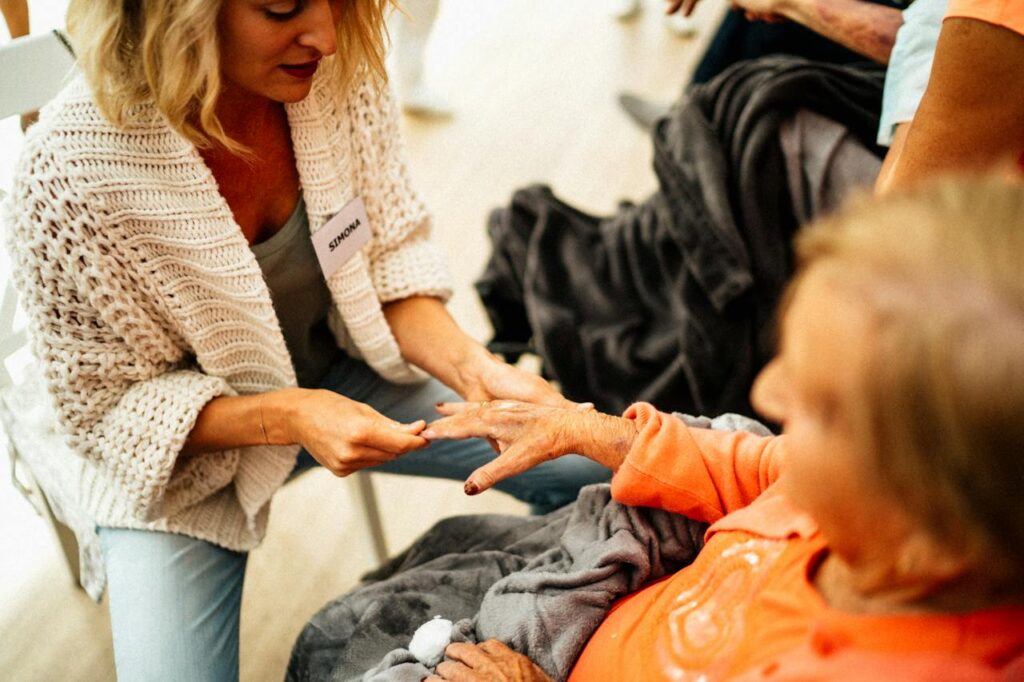
A care plan is a dynamic document, distinct to each individual, crafted and consented to by the resident and their family. It encompasses a comprehensive assessment of the resident's care needs, the resources available to meet these needs, and the specific actions the care team will undertake. Recognizing the importance of family involvement, we regularly involve relatives in developing and reviewing care plans, ensuring these are evaluated monthly or more often if required.
Prioritizing Nursing Care For Diverse Needs
Our nursing care prioritizes residents with a spectrum of needs requiring constant medical attention. This includes managing long-term illnesses, complex conditions, or post-hospitalization recovery. Whether it's short-term convalescent care or long-term management of chronic or progressive diseases, our dedicated nurses are committed to building meaningful relationships with each resident. This commitment extends to our approach to quality nursing care, where we invest in ongoing training and support for our staff, enabling them to provide safe and effective care tailored to each resident's unique needs.
Discover our philosophy and methods for delivering top-tier nursing care by exploring our approach to quality nursing care.
What Strategies Are Included In A Nursing Care Plan To Fulfill An Individual's Nursing Needs?
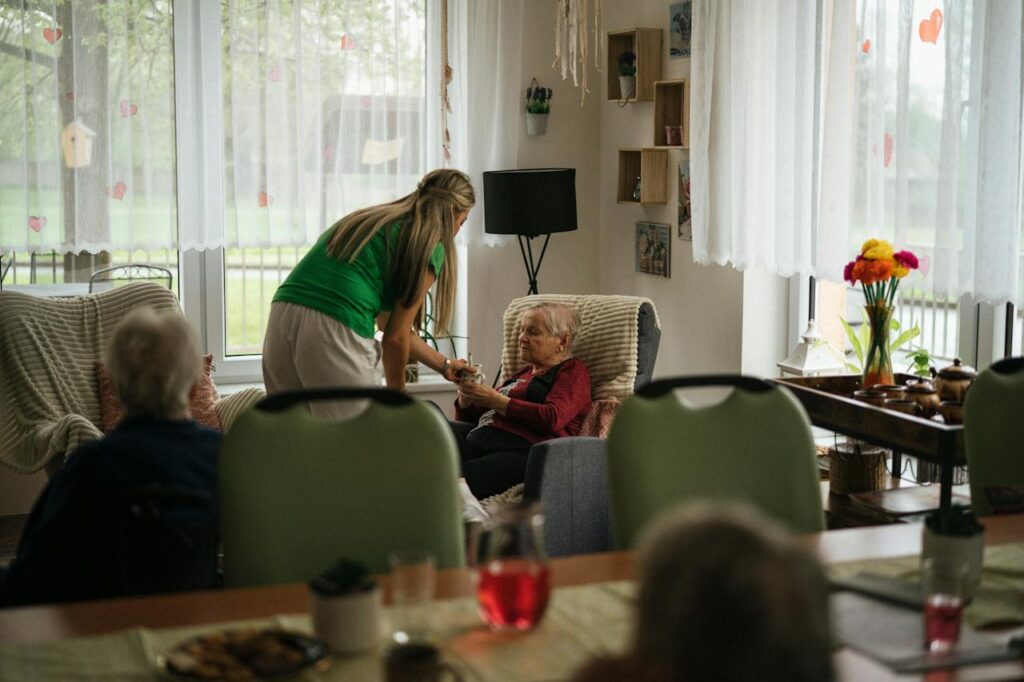
Nursing care plans are meticulously designed to meet the unique nursing needs of each individual, incorporating various strategies tailored to their specific requirements. These strategies include:
- Comprehensive Assessment: The first step in formulating a care plan involves thoroughly assessing the individual's physical, mental, and emotional health. This includes evaluating their medical history, current health status, and specific care requirements.
- Goal Setting: Based on the assessment, specific, measurable, and attainable goals are set for the individual's care. These goals align with their health needs and personal preferences, ensuring that the care plan is effective and respectful of the individual's wishes.
- Personalized Care Interventions: The care plan includes detailed interventions tailored to the individual's needs. These can range from medication management and physical therapy to cognitive exercises and emotional support. The interventions are designed to address both immediate health concerns and long-term well-being.
- Family Involvement and Education: Involving family members in the care process is crucial. The plan often includes educating family members about the individual's condition, care needs, and how they can support their loved one effectively.
- Regular Monitoring and Reassessment: Nursing care plans are dynamic documents that require regular monitoring and reassessment. This ensures that the care provided continues to meet the evolving needs of the individual and allows for adjustments as necessary.
- Coordination with Healthcare Professionals: The plan involves coordination among various healthcare professionals, including doctors, nurses, therapists, and specialists. This ensures a holistic approach to care, addressing all aspects of the individual's health.
- Emotional and Social Support: Recognizing that emotional and social well-being is as important as physical health, care plans often include strategies for emotional support, social interaction, and activities that promote mental health and a sense of community.
- End-of-Life Care Planning: For individuals in later stages of life, the care plan may include end-of-life care planning, ensuring dignity, comfort, and respect for their wishes during this sensitive time.
These strategies in a nursing care plan are tailored to provide a holistic, respectful, and effective approach to meeting an individual's nursing needs, ensuring their well-being and quality of life in a care setting.
How Do Care UK Care Homes Involve Residents And Their Families In Creating And Reviewing Care Plans?
Care UK care homes emphasize involving residents and their families in creating an ongoing review of nursing care plans. This participative approach is fundamental to delivering person-centred care. Here's how this involvement is facilitated:
- Initial Consultations: The process begins with initial consultations involving the resident and their family members. These meetings are designed to understand the resident's medical history, lifestyle preferences, personal interests, and healthcare needs.
- Setting Personal Goals: Residents and their families are encouraged to actively participate in setting personal goals for care. This collaborative goal-setting ensures that the care plan aligns with the resident's wishes and expectations.
- Regular Family Meetings: Care UK homes regularly schedule meetings with family members to discuss the resident's progress, address any concerns, and make necessary adjustments to the care plan. These meetings foster open communication and ensure the family is informed and involved.
- Transparent Communication: Open lines of communication are maintained through various means, such as emails, phone calls, or in-person meetings. This transparency ensures that family members are always aware of their loved one's care and can provide input whenever necessary.
- Feedback Mechanisms: Feedback from residents and their families is actively sought and valued. This feedback continuously improves the care experience and ensures the care plan remains relevant and effective.
- Educational Support: Care UK homes provide educational resources and support to families, helping them understand the care process, the specifics of their loved one's condition, and how they can contribute to the care plan.
- Involvement in Day-to-Day Care: Families are encouraged to be part of day-to-day care activities, whether participating in events, joining in care routines, or simply spending time with their loved ones. This involvement helps maintain strong family bonds and enhances the resident's quality of life.
- Responsive Adjustments: Care plans are dynamic and are reviewed and adjusted in response to the resident's changing needs. Families are involved in these reviews, ensuring that the care provided continues to be the best fit for the resident.
Through these methods, Care UK care homes ensure that both the resident and their family are central to the care planning process, fostering a care environment that is respectful, inclusive, and tailored to individual needs.
What Ongoing Training And Support Do Care UK Staff Receive To Provide Safe And Effective Care?
Care UK is committed to providing its staff with continuous training and support, ensuring safe and effective care to residents. This commitment to professional development encompasses several key areas:
- Comprehensive Induction Programs: New staff members undergo a thorough induction program. This program covers the fundamentals of care, organizational policies, emergency procedures, and an introduction to person-centered care practices.
- Specialized Training for Specific Needs: Staff members receive training tailored to the specific needs of the residents they serve, such as managing dementia, mobility issues, and chronic health conditions. This specialized training ensures that staff are well-equipped to handle the diverse needs of their residents.
- Regular Refresher Courses: To keep up with the latest care practices and ensure high standards, Care UK provides regular refresher courses. These courses cover various topics, including health and safety, medication management, and first aid.
- Leadership and Management Training: Care UK offers leadership and management training programs for those in or aspiring to leadership roles. These programs aim to develop effective leadership skills for maintaining high-quality care and a positive work environment.
- Mentorship and Peer Support Programs: Experienced staff members often mentor newer employees, providing guidance and support. Peer support programs also encourage a collaborative learning environment where staff can share experiences and best practices.
- Access to External Training and Education: Care UK encourages and supports staff in pursuing external training and higher education relevant to their roles. This might include specialized nursing qualifications, therapy certifications, or management courses.
- Regular Performance Reviews and Feedback: Staff members receive regular performance reviews, which offer constructive feedback and identify areas for further development. These reviews help staff to continually improve their skills and the care they provide.
- Emphasis on Mental Health and Well-being: Recognizing the demanding nature of care work, Care UK strongly emphasizes its staff's mental health and well-being. Support systems, such as counseling services and stress management workshops, are available to all employees.
- Adaptation to Technological Advances: Training also includes adapting to new technologies and systems implemented in care homes, ensuring proficient staff use modern tools that enhance care delivery.
Additional Resources To Explore
For those looking to deepen their understanding of retirement living and later-life care, here are some valuable resources to explore:
- Age UK - Care and Support:
Age UK provides comprehensive information on various aspects of care, including advice on choosing care homes and understanding different types of care available.
Visit Age UK - Care and Support - Care Quality Commission (CQC):
The CQC offers detailed reports and ratings on care homes across the UK, helping you make informed choices about care providers.
Visit Care Quality Commission - Alzheimer's Society - Care Home Guide:
This guide is particularly useful for those seeking information about dementia care and support within care homes.
Visit Alzheimer's Society - Care Home Guide - NHS - Social Care and Support Guide:
The NHS provides a thorough guide to social care services, including how to arrange care and financial support available.
Visit NHS - Social Care and Support Guide - Care UK - Resident Stories and Insights:
Care UK's website features stories from residents and insights into life at their care homes, providing a personal perspective on the care experience.
Visit Care UK - Resident Stories - Elder - Guide to Care Homes:
Elder offers a practical guide to understanding care homes, including how to choose the right one and what to expect.
Visit Elder - Guide to Care Homes - Which? - Care Services:
Which? provides in-depth reviews and comparisons of different care services and care homes, helping you make well-informed decisions.
Visit Which? - Care Services - Local Authority Care Directories:
Many local authorities have online directories listing care homes and services in your area. Check your local council’s website for more information.
Exploring these resources can provide valuable insights and practical advice, helping you make informed decisions about retirement living and later life care.
Conclusion
In conclusion, navigating the journey of retirement living and later life care is a significant yet manageable task when approached with the right information and support. The key is prioritizing personalized care that aligns with individual needs and preferences, ensuring that residents and their families are actively involved in the care process. While there are inherent challenges in adapting to life in a care home, the risks are mitigated by the dedication and expertise of care staff, who receive continuous training to provide the safest and most effective care. Remember, the ultimate goal is to ensure safety and health and foster a life filled with happiness and fulfillment. As you embark on this journey, stay informed, ask questions, and actively participate in the care planning process. Doing so empowers yourself and your loved ones to make the most of this important phase of life with confidence and peace of mind.
Useful Links To Learn More
- NHS Nursing Care Plans – Detailed information on how nursing care plans work within the NHS framework.
- Age UK – Care Planning Guide – A comprehensive guide to planning for nursing and residential care from Age UK.
- Care Quality Commission (CQC) Care Plans – Insight into the role of care plans in care homes and nursing settings, with guidance on standards and quality.
- Mind – Care and Support Planning – Useful for understanding how mental health can be included in nursing care plans.
- Carers UK – Assessments and Care Plans – Support for carers navigating care assessments and planning for loved ones.
Keep reading

20 Amazing Crochet Beginner Ideas
Join the fun with these 20 amazing beginner crochet projects that will inspire your creativity and lead you to endless possibilities!

20 Amazing Crochet Blue Ideas
Join us as we unveil 20 amazing blue crochet projects that will inspire your creativity and elevate your crafting game!

20 Amazing Crochet Black Ideas
Marvel at these 20 amazing black crochet projects that will ignite your creativity and inspire your next crafting adventure! Discover your new favorite today.
Need personal guidance?
Talk to an advisor
Our care experts are here to help you make the right choice — for free.