Understanding Hospice Care Services for Seniors - An Expert Guide In 2025!

If a doctor has mentioned hospice care, or you're wondering whether it's time to ask about it, you're likely facing one of the hardest decisions a family can make. This guide explains what hospice care actually involves in the UK, who it's for, and how to get it.
- Hospice care focuses on comfort, dignity and quality of life for people with a terminal illness — it doesn't aim to cure.
- In the UK, hospice care is usually free to the patient, funded by the NHS and hospice charities.
- It can be provided at home, in a hospice, in a care home, or in hospital — whichever suits the person best.
- You can access it through a GP or hospital consultant referral, and it doesn't only apply to the final days of life.
- Support extends to family and carers, including bereavement support after death.
What is hospice care, and how is it different from palliative care?
Hospice care is a form of palliative care given when a cure is no longer possible or being pursued. It focuses on managing pain and symptoms, and on supporting a person's emotional, social and spiritual wellbeing as their illness progresses.
Palliative care is the broader term. It can start much earlier in a serious illness, alongside treatment aimed at controlling or slowing the disease. Hospice care is generally the stage that follows, when the focus shifts fully to comfort rather than treatment. The NHS's social care and support guide covers this distinction and how the two connect.
Who is hospice care for, and how do you know it's time?
Hospice care is for anyone with a terminal illness, at any age, though it's used most often by older people with conditions such as advanced cancer, heart failure, dementia, or chronic lung disease. There's no fixed cut-off date — hospice teams often support people for months, not just their final days.
Signs that it's worth raising the subject with a GP or consultant include:
- Quality of life declining despite ongoing treatment
- More frequent hospital admissions or emergency visits
- Increasing fatigue, weight loss, or difficulty with daily tasks
- New or worsening symptoms that treatment can no longer control
- The person themselves saying they've had enough of curative treatment
Bringing up hospice care doesn't mean giving up hope — it means shifting the goal towards comfort. Many families say they wish they'd asked sooner, because hospice support often improves quality of life once it starts.
Where is hospice care provided?
Hospice care isn't tied to one building. It can be delivered wherever the person is — and many people prefer to stay at home for as long as possible.
| Setting | What it offers | Best suited to |
|---|---|---|
| At home (hospice at home) | Community nurses and hospice staff visit to manage symptoms, medication and personal care | People who want familiar surroundings, with a carer or family able to support day-to-day |
| Inpatient hospice | Round-the-clock nursing, specialist symptom control, family rooms and quiet spaces | Complex symptoms, short-term respite, or when home care is no longer manageable |
| Care home | Existing care staff supported by visiting hospice or palliative care teams | Residents already settled in a home who want to stay there to the end |
| Hospital | Hospital-based palliative care teams manage symptoms alongside acute care | Sudden deterioration, or before arrangements elsewhere are in place |
Who's on a hospice care team?
Hospice care is delivered by a team, not one person. It typically includes:
- Doctors and specialist palliative care nurses — manage pain and symptom control, and adjust the care plan as needs change
- Community or hospice nurses — provide day-to-day medical care and emotional support to the patient and family
- Social workers — help with practical matters, benefits, and connecting families to other support
- Chaplains and spiritual care providers — offer support in line with the person's own beliefs, or none
- Counsellors and bereavement staff — support the family both before and after death
- Volunteers — many hospices rely heavily on trained volunteers for companionship and practical help
Care plans are reviewed regularly and adjusted as symptoms change — for example, increasing pain medication, bringing in a speech therapist for swallowing difficulties, or starting oxygen therapy for breathlessness.
Does hospice care cost anything in the UK?
Hospice care itself is usually free to the patient. Most hospices in the UK are run by charities, and funded through a mix of NHS funding and charitable donations — the NHS's social care and support guide explains how NHS-funded and charity-funded care fit together. This is different from ongoing care home fees, which are subject to a local-authority means test.
If someone needs personal care at home alongside hospice support, or moves into a care home, those separate costs may still apply. It's worth checking whether the person qualifies for NHS Continuing Healthcare, which fully funds ongoing care for people with significant health needs, including many at the end of life — fast-track assessments exist for this. It's also worth checking Attendance Allowance, a benefit for people over State Pension age who need help with personal care, which isn't means-tested.
All hospices in England are inspected by the Care Quality Commission (CQC), which rates them Outstanding, Good, Requires improvement or Inadequate — worth checking before choosing between local options where you have a choice.
How do you access hospice care?
You don't refer yourself directly. The usual routes are:
- Ask the person's GP or hospital consultant to make a referral — this is the most common starting point.
- A hospital palliative care team can refer someone directly if they're an inpatient.
- Some hospices accept self-referral or family enquiries, then confirm eligibility with the person's medical team.
An assessment follows, usually by a nurse or member of the palliative care team, to understand the person's needs and preferences and build a care plan around them.
How do you talk to a loved one about hospice care?
This conversation is rarely easy, but a few things help:
- Choose a calm moment, not during a crisis or hospital admission if you can avoid it
- Ask what matters most to them, rather than leading with what you think should happen
- Be honest that hospice care is about comfort and quality of life, not giving up
- Involve their GP or consultant if useful — hearing it from a clinician can help
- Give them time, and expect the conversation to happen more than once
What about carers and family?
Hospice support isn't only for the patient. Most hospices offer counselling, support groups and bereavement care for family members, both before and after a death. If you're caring for someone at home, Carers UK has practical guidance on carer's assessments, benefits and respite support, and Age UK can help with wider questions about support for older people.
What to sort out legally and practically
Alongside medical care, it's worth checking these are in place, ideally before a crisis:
- A lasting power of attorney for health and welfare, and for property and finances, so someone trusted can make decisions if the person can't
- An advance care plan or advance decision, recording the person's wishes about treatment and where they want to be cared for
- A check on benefits entitlement, including Attendance Allowance and Pension Credit
Frequently asked questions
What's the difference between hospice care and palliative care?
Palliative care is the broader term for care that manages symptoms and supports wellbeing alongside or instead of curative treatment. Hospice care usually refers to the stage when treatment aimed at curing the illness has stopped and the focus is fully on comfort.
Can hospice care be provided at home in the UK?
Yes. Hospice-at-home services allow people to receive nursing, symptom control and emotional support in their own home, with the same team also supporting family carers.
Does hospice care cost anything?
Hospice care itself is usually free, funded through the NHS and charitable donations. Separate costs may apply if the person also needs ongoing personal care at home or moves into a care home, so it's worth checking eligibility for NHS Continuing Healthcare or Attendance Allowance.
Is hospice care only for the last few days of life?
No. Many people receive hospice support for weeks or months, and some hospices also offer day services and respite stays much earlier in an illness, not just at the very end.
How do I get a referral to hospice care?
Ask the person's GP or hospital consultant. They can refer to a local hospice or community palliative care team, who will then carry out an assessment.
What support is there for family and carers?
Most hospices provide counselling, support groups, and bereavement care for family members. Carers UK and Age UK offer wider guidance on carer's assessments, benefits and respite breaks.
Keep reading

20 Amazing Crochet Beginner Ideas
Join the fun with these 20 amazing beginner crochet projects that will inspire your creativity and lead you to endless possibilities!

20 Amazing Crochet Blue Ideas
Join us as we unveil 20 amazing blue crochet projects that will inspire your creativity and elevate your crafting game!
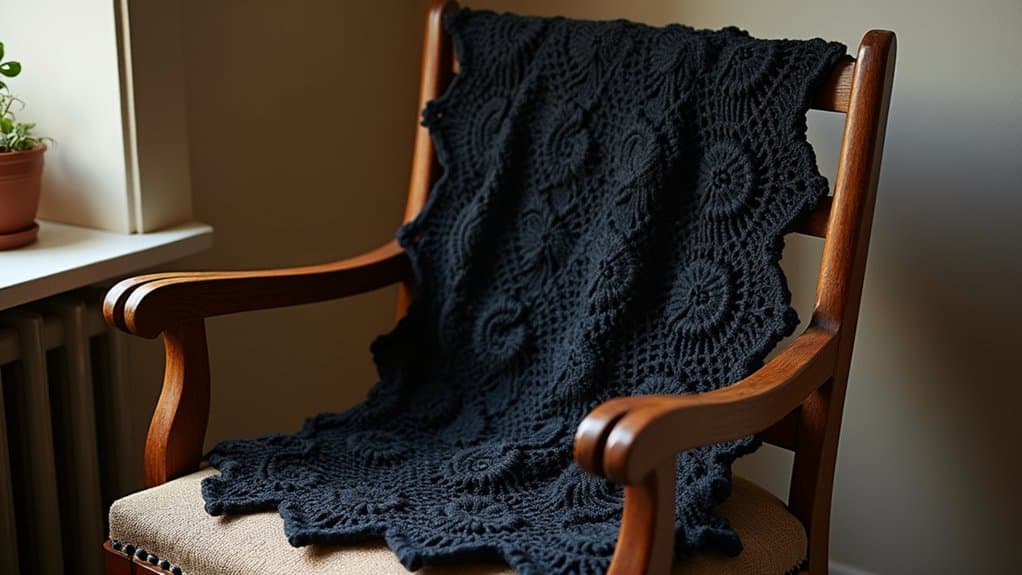
20 Amazing Crochet Black Ideas
Marvel at these 20 amazing black crochet projects that will ignite your creativity and inspire your next crafting adventure! Discover your new favorite today.
Need personal guidance?
Talk to an advisor
Our care experts are here to help you make the right choice — for free.