Retirement living in East Hampshire

East Hampshire offers a quieter, countryside feel within the South East, with good links to larger towns and a choice of retirement living schemes. It suits those seeking a less urban setting with strong community ties and proximity to family in the wider region.

4 properties

4 homes found
Clover Leaf Court - ResaleVerified

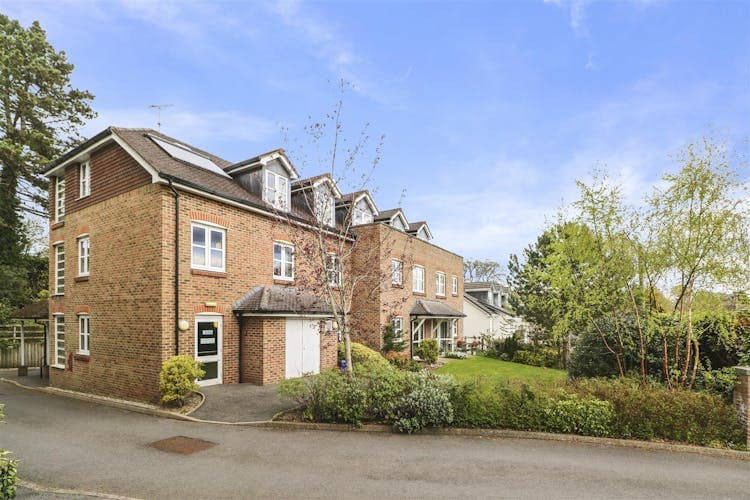
Nestled in the heart of the enchanting market town of Alton, in the picturesque Hampshire countryside, you'll find Clover Leaf Court. This charming retirement living development, built in 2014,…

Starting from £210,000
View home
Queen Elizabeth PlaceVerified

Introducing Queen Elizabeth Place, a fresh and modern development by McCarthy Stone, nestled in the charming town of Alton, Hampshire. This development boasts 43 elegantly designed one and…

Starting from £299,000
View home
Austen Place - ResaleVerified

Discover Austen Place, a Retirement Living PLUS development nestled in the bustling market town of Alton, managed by McCarthy & Stone Resales. This development offers a selection of one and…

Starting from £230,000
View home

Overwhelmed by choice?

Tell us what matters and a care advisor will shortlist homes for you — free.
Get a free shortlist
Radford Court - ResaleVerified

Nestled in the heart of Liphook, in the scenic region of East Hampshire, you'll find the delightful Radford Court. This McCarthy Stone Resales development is conveniently located near a variety of…

Starting from £230,000
View home

Is East Hampshire a good retirement location?

East Hampshire is a mixed rural and market-town area in the South East, well-positioned for people who value green surroundings and established village life. The area has a modest selection of retirement living options, so choice may be more limited than in larger towns, but it attracts those who want to stay rooted in a smaller community with reasonable access to services and nearby cities. It suits retirees with family or social links in the region, a car or willingness to rely on buses, and a preference for countryside over urban living.

Health & support

  • Medical access: Most settlements have GP surgeries and pharmacies within easy reach; larger nearby towns such as Alton, Petersfield and Haslemere provide additional facilities, and the South Coast and larger Surrey hospitals are accessible.
  • Safety: Crime levels in East Hampshire are lower than the national average, reflecting the quieter, more rural character of the area.
  • Family & connection: Consider how close your family and existing support networks are — rural areas may feel isolated if you rely on regular local visits rather than driving or planned journeys.

Finances & daily life

  • Cost of care: Weekly retirement living fees in East Hampshire are broadly in line with or slightly below the national average, making it a reasonably affordable choice for South East living.
  • Transport: Bus services connect main settlements and link to larger towns; rail stations at nearby centres provide connections to London and the South Coast. The area is car-dependent for full independence, especially outside village centres.
  • Housing options: A modest range of retirement living schemes is available — four listed here — so choice is narrower than in larger towns; early enquiry and viewing is advisable.

Lifestyle & environment

  • Green space & hobbies: The countryside offers good walking and outdoor activity; nearby commons, bridleways and market towns provide local interest. Community halls and village groups are common; you may need to travel short distances to larger clubs or events.
  • Community: Smaller villages are tight-knit; established residents often have long-standing local connections. Memory cafés and support groups exist but may require a short journey to neighbouring towns.
  • Climate: South East England experiences a mild, temperate climate with moderate rainfall — typical of southern England.

Things to weigh up

  • Limited choice of schemes: Only four retirement living options are listed locally, so you may need to be flexible, plan early viewings, or look into nearby areas if your first choices are full.
  • Rural car-dependency: Without a car or willingness to use taxis for some journeys, access to services and social activities beyond your immediate village may feel restricted.