 Verified
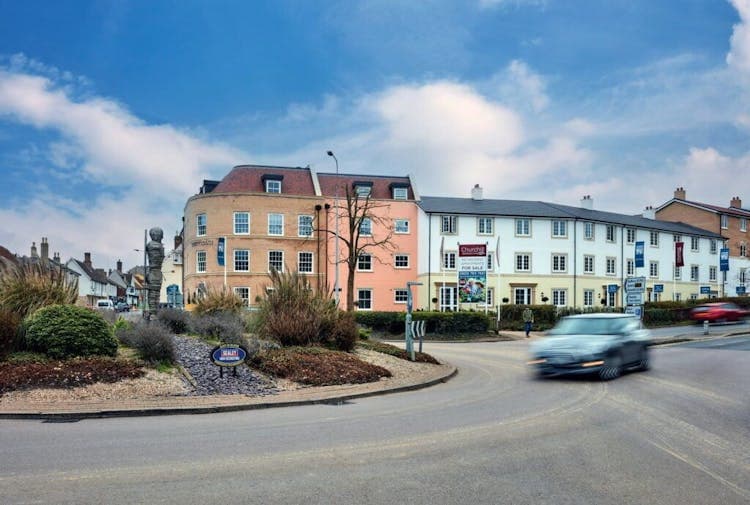
Nestled in the picturesque market town of Bury St Edmunds, Liberty Lodge stands as a vibrant retirement living community that champions independent living during the golden years. This Churchill…
Starting from £319,950
Suffolk offers a wide choice of retirement living options—54 schemes across the county—set in quieter, often rural surroundings with good access to Norwich and Cambridge. It suits people wanting a less urban pace of life while keeping family connections and services within reach.
54 properties
VerifiedNestled in the picturesque market town of Bury St Edmunds, Liberty Lodge stands as a vibrant retirement living community that champions independent living during the golden years. This Churchill…
 Verified
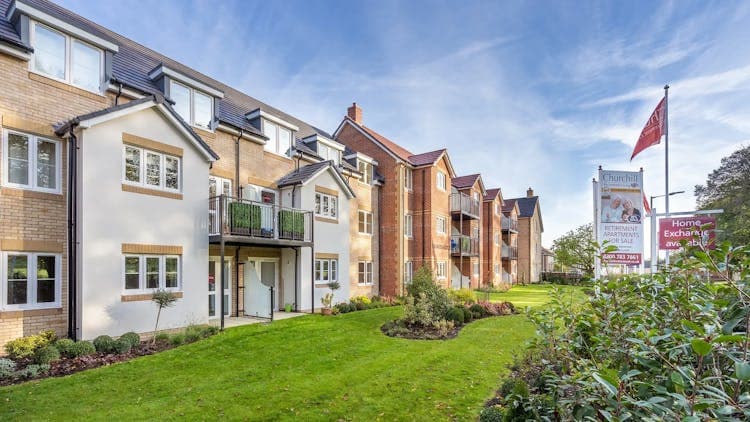
Weavers Lodge presents an elegant assortment of 50 newly built one and two-bedroom retirement apartments, nestled in the heart of the friendly community of Haverhill, a charming town in Suffolk. Each…
 Verified
A & A Healthcare Services Ltd is a care home in Suffolk providing support for older people aged 65 and over, younger adults under 65, and people with…
Tell us what matters and a care advisor will shortlist homes for you — free.
VerifiedAvenues East - Services is a retirement living provider in Stowmarket, Suffolk, run by The Avenues Trust.
VerifiedB & H Care is a residential home in Ipswich, Suffolk, providing dementia care alongside support for older people aged 65 and over.
VerifiedBlackbourne View is a dementia care home in Bury St Edmunds, Suffolk.
VerifiedCephas Care Ltd Domiciliary Care Agency is a care provider based in Ipswich, Suffolk, offering domiciliary care services in the East of England.
VerifiedClover Court is a retirement living community in Lowestoft, Suffolk, run by Sanctuary Care Limited.
VerifiedVerifiedDimensions Essex and Suffolk Domiciliary Care Office is a domiciliary care service based in Haverhill, Suffolk.
VerifiedEmily Bray House is a dementia care home in Ipswich, Suffolk.
VerifiedVerifiedVerifiedVerifiedVerifiedVerifiedVerifiedVerifiedVerifiedSuffolk is a solid choice for retirement living if you value space, green surroundings and a slower pace. The county has a strong supply of retirement schemes (54 listed), most rated good by the Care Quality Commission, and broadly affordable fees compared to the South East. It works well for those with family nearby in Norfolk, Essex or further afield, and for people drawn to countryside or coastal living. The trade-off is that some areas are car-dependent and medical facilities cluster in larger towns; you'll need to weigh your own mobility and how far you want to be from a major hospital.