Pickleball for Seniors: The Ultimate Guide For 2025
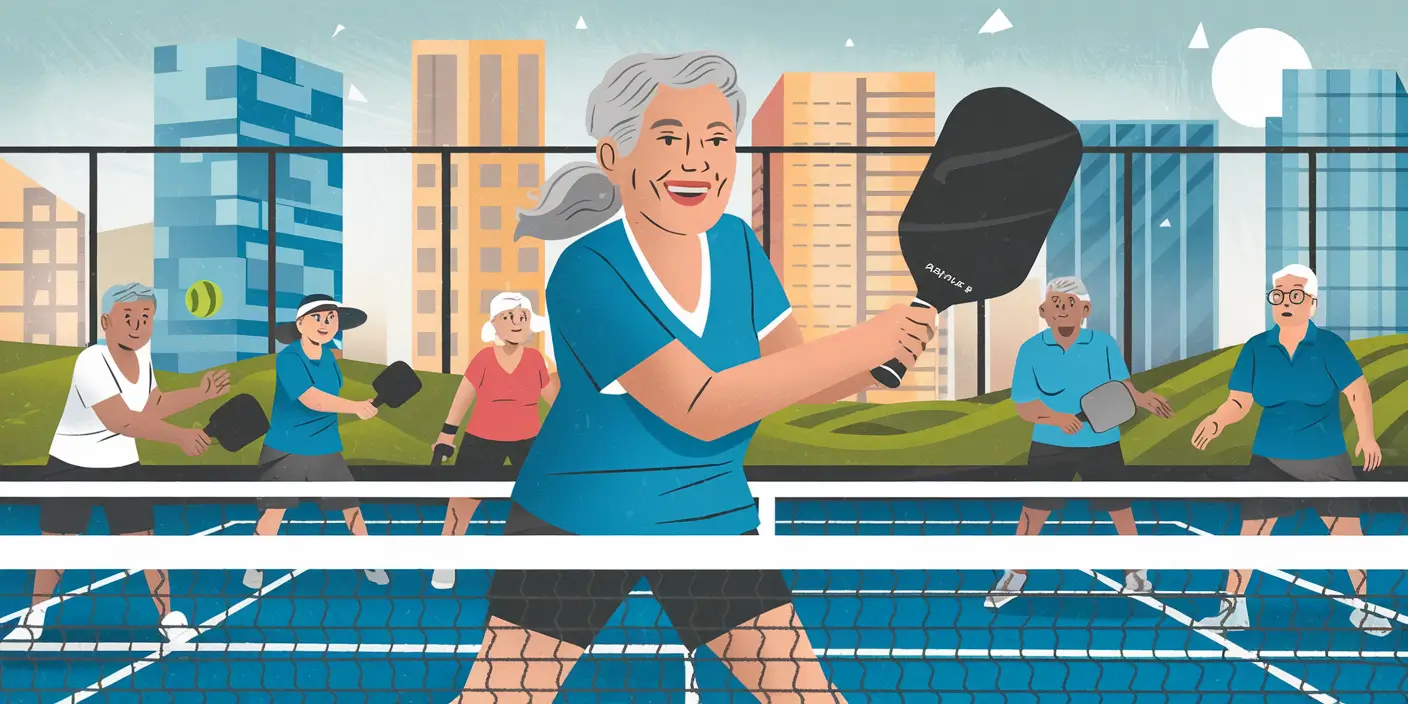
You might say that pickleball is a delightful way to stay active as the years pass. It offers seniors an engaging opportunity to enhance physical health, sharpen cognitive skills, and foster meaningful social connections. As you explore this guide, you'll uncover essential gear, the basic rules of play, and effective strategies to elevate your game. But what about the unique safety factors for older players? Understanding these aspects could greatly impact your overall experience, making it essential to take into account what comes next.
Key Takeaways
- Pickleball enhances seniors' physical health by improving coordination, balance, and cardiovascular fitness while being low-impact to minimize joint stress.
- Engaging in pickleball provides cognitive and emotional benefits through strategic gameplay and fosters social interactions to combat loneliness.
- Essential gear, including lightweight paddles and supportive footwear, is crucial for comfort and performance on the court.
- Beginners should familiarize themselves with court dimensions, scoring systems, and practice regularly to enhance their skills and enjoyment.
- Joining local clubs and community events offers opportunities for skill development, social interaction, and practical game experience.
Benefits of Pickleball for Seniors

Pickleball offers numerous benefits for seniors, making it an ideal sport for maintaining both physical and mental well-being. One of the most significant advantages is the social interaction it fosters. When you play pickleball, you're not just engaging in exercise; you're also building relationships with fellow players. This sense of community can combat feelings of loneliness and isolation, which are common challenges for many seniors.
Moreover, pickleball promotes cognitive engagement. The game requires you to think strategically, anticipate your opponent's moves, and react quickly, all of which can enhance your mental acuity. As you learn new techniques and strategies, you're actively stimulating your brain, which can help improve memory and cognitive function over time.
Additionally, the sport's simple rules and adaptability make it accessible for players of all skill levels. Whether you're a beginner or have played for years, you can enjoy the game while reaping its physical benefits, such as improved coordination, balance, and cardiovascular health.
Essential Gear and Equipment

Playing pickleball requires some essential gear and equipment to guarantee you're well-prepared and comfortable on the court.
First up is paddle selection. Choosing the right paddle can greatly impact your game. Look for a paddle that feels comfortable in your hand, and consider factors like weight, grip size, and material. A lightweight paddle with a larger sweet spot can enhance your control and power, making it easier to place shots where you want them.
Next, don't underestimate the importance of court shoes. These shoes provide the necessary support, traction, and cushioning for quick lateral movements and sudden stops. Opt for shoes specifically designed for court sports, as they usually offer better grip and stability. Make sure they fit well to prevent discomfort or injury during play.
Lastly, consider wearing comfortable athletic clothing that allows for easy movement. Moisture-wicking fabrics can help keep you cool and dry as you play.
Basic Rules and Gameplay

When you're stepping onto the pickleball court, understanding the basic rules and gameplay is essential for enjoying the sport fully.
The court dimensions are 20 feet wide and 44 feet long for doubles, with a 7-foot non-volley zone, commonly called the kitchen. This area is critical for strategic play, as it limits where you can hit volleys.
The scoring system is simple: you only score points when serving, and games typically go to 11 points, requiring a 2-point lead to win.
Familiarize yourself with different paddle types, as they can affect your gameplay. Lighter paddles offer better control, while heavier ones might provide more power.
Serve techniques play an important role in starting the game. You must serve underhand, with the paddle below your waist, and the ball must land in the diagonal service court.
Additionally, you can explore gameplay variations, such as singles or doubles matches, which can change the dynamics and strategies involved.
Tips for Beginners

Keen to plunge into the world of pickleball? You're in for a fantastic journey! First, familiarize yourself with the court dimensions. A standard pickleball court is 20 feet wide and 44 feet long for doubles play. Understanding the layout will help you position yourself effectively during games.
Next, get a grip on the different scoring systems. The most common is the rally scoring system, where points can be earned by either team regardless of who served. Familiarizing yourself with how scoring works will keep the pace of the game enjoyable and engaging.
Practice your serves and volleys regularly. Serving is essential in pickleball; aim for depth and precision. When volleying, focus on maintaining control and positioning yourself well to react to your opponent's shots.
Don't shy away from local clubs or beginner classes. Connecting with other players not only improves your skills but also enhances your enjoyment of the game.
Strategies to Improve Your Game

Next, improve your court positioning. Positioning plays an essential role in both offense and defense. Stay aware of where you're on the court relative to your partner and opponents. Maintain a balanced stance, and be ready to move quickly in any direction. Good positioning allows you to intercept shots and respond effectively.
Additionally, consider employing a "two-player" strategy with your partner. Communicate consistently about who takes which shots, minimizing confusion and maximizing coverage.
Safety Considerations and Precautions

Prioritizing safety on the pickleball court guarantees you can enjoy the game while minimizing the risk of injury. Start with proper footwear—invest in shoes specifically designed for court sports to provide adequate support and traction. Incorporate warm-up exercises to prepare your muscles and joints, enhancing your overall performance and fall prevention.
Stay hydrated throughout your game. Hydration strategies, like sipping water before and during play, keep your energy levels high and your focus sharp. Maintaining mental focus is vital, as distractions can lead to accidents or injuries.
Practice good court etiquette, such as calling out when you're about to hit the ball and being aware of your surroundings. This not only promotes social interaction but also prevents collisions with other players.
Injury management is essential; know how to respond to minor injuries, like sprains or strains, by having ice packs or compression wraps handy.
Finding Local Pickleball Communities

Finding local pickleball communities can greatly enhance your playing experience and social interactions. Engaging with fellow players not only improves your skills but also fosters friendships.
Start by checking online platforms like Meetup or Facebook, where you can find local meetups specifically for pickleball enthusiasts. These platforms often highlight community events, allowing you to join in on friendly matches or tournaments.
Another effective way to discover pickleball communities is through local recreation centers or sports clubs. Many facilities host regular sessions or events, creating a perfect opportunity for you to meet other players.
Don't hesitate to ask staff members for recommendations; they often have insights on active groups in your area.
Additionally, consider reaching out to local senior centers. They frequently organize community events centered around pickleball, providing a welcoming environment for seniors to connect.
Health Benefits and Fitness

Playing pickleball isn't just fun; it also offers numerous health benefits that can greatly enhance your overall well-being. As you engage in this dynamic sport, you're actively promoting joint health by encouraging movement and reducing stiffness.
The low-impact nature of pickleball makes it a fantastic choice for seniors, allowing you to enjoy physical activity without putting undue stress on your joints.
Moreover, pickleball fosters social interaction, which is essential for mental and emotional well-being. Connecting with others while playing can combat feelings of loneliness and isolation, providing a sense of community and support.
You'll also experience mental stimulation as you strategize and react to your opponents, keeping your mind sharp.
From a fitness perspective, pickleball greatly boosts cardiovascular fitness. The quick bursts of activity help you maintain a healthy heart while also aiding in weight management.
Plus, the varied movements contribute to flexibility improvement, allowing you to maintain mobility as you age.
Resources for Ongoing Learning

Platforms like Paddle Academy or Pickleball University provide structured lessons that you can follow at your convenience.
In addition to online courses, instructional videos are a treasure trove of knowledge. YouTube features countless channels dedicated to pickleball, where you can find everything from basic techniques to advanced strategies.
Watching experienced players demonstrates proper form and tactics, helping you visualize what you need to work on.
Don't forget about local clubs and community centers, as they often host workshops and clinics. Connecting with fellow players not only enhances your skills but also builds a supportive community.
Conclusion

In summary, pickleball isn't just a fun way to stay active; it's also incredibly beneficial for seniors. Did you know that nearly 75% of players report improved mental well-being? By engaging in this sport, you enhance your physical health, sharpen your cognitive skills, and foster new friendships. With the right gear, a solid grasp of the rules, and a supportive community, you can truly thrive in the world of pickleball. So grab your paddle and get started!
Keep reading
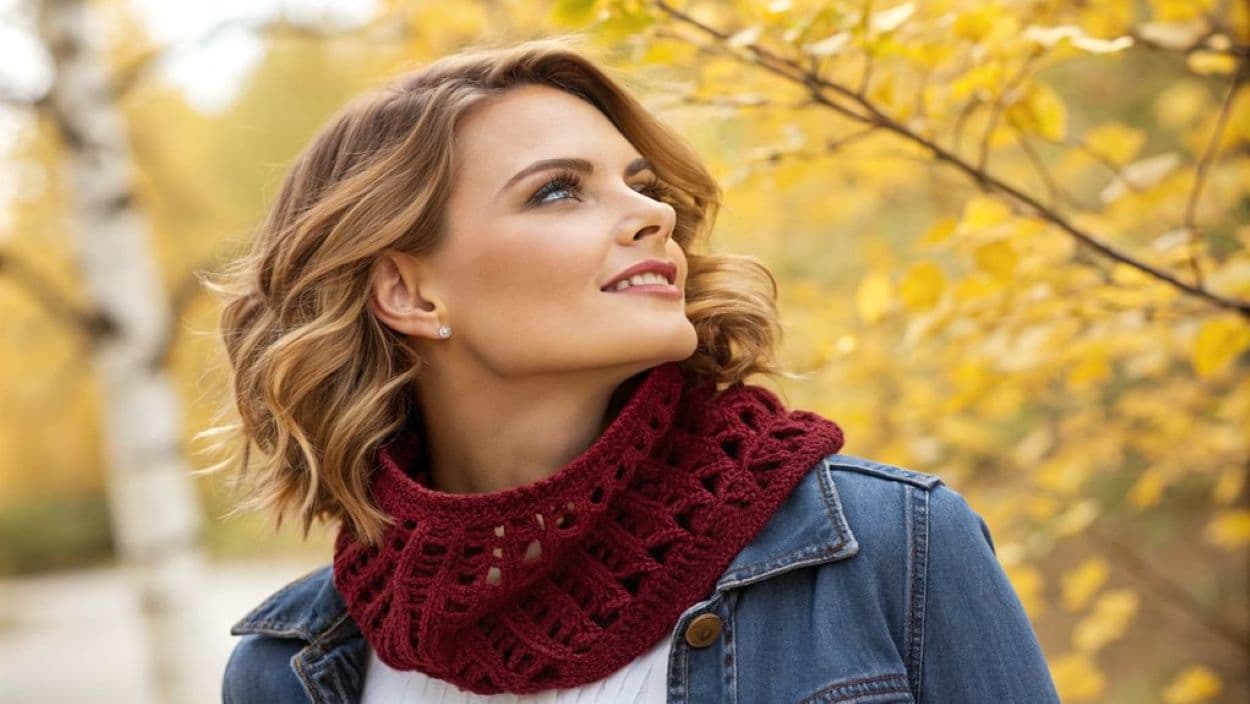
20 Latest Crochet Neck Warmer Ideas To Try In 2025!
Link up with the 20 best crochet neck warmers that blend warmth and style—discover which designs will transform your winter wardrobe!
20 Amazing Crochet Jewelry Ideas
Amazing crochet jewelry ideas await you, featuring unique designs that will inspire your creativity and elevate your accessory game to new heights.
20 Amazing Crochet Kit Ideas
Navigate through 20 amazing crochet kit ideas that spark creativity and joy; discover the perfect project to ignite your crafting passion!
Need personal guidance?
Talk to an advisor
Our care experts are here to help you make the right choice — for free.