Number of Incarcerated Retirees Triples
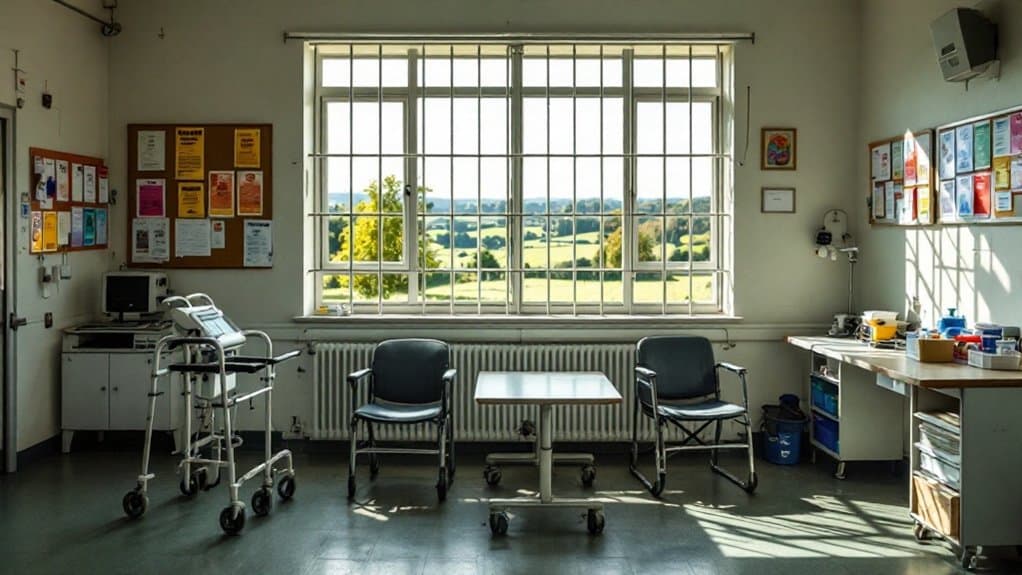
The number of incarcerated elderly inmates has grown dramatically over recent decades. Prisoners aged 55 and older increased by 400% from 1993 to 2013, now representing about 10% of the prison population. By 2030, projections suggest one-third of U.S. prisoners will be 55 or older. This aging trend creates significant challenges for prison systems, costing two to three times more than younger inmates. The causes and solutions to this crisis reveal a complex correctional dilemma.
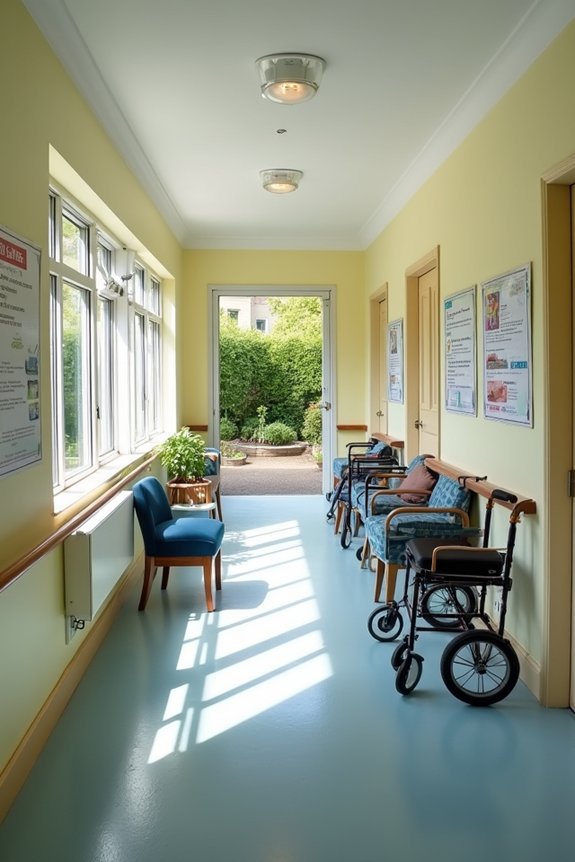
Gray hair and walkers are becoming an increasingly common sight in America's prison system. The number of prisoners aged 55 and older has grown dramatically, increasing 400% between 1993 and 2013. During this period, older inmates went from just 3% of the prison population to 10%. This trend shows no signs of slowing, with projections suggesting that by 2030, one-third of all U.S. prisoners will be 55 or older.
This surge in elderly inmates creates significant challenges for the prison system. Older prisoners typically cost two to three times more than younger inmates to house, with annual expenses reaching $60,000 to $70,000 per person. These higher costs stem from increased medical needs, specialized housing requirements, and greater staffing needs. From 1999 to 2016, the United States witnessed a dramatic 280% increase in inmates aged 55 or older.
The exploding elderly inmate population strains prison budgets, requiring specialized care that drives costs to nearly triple those of younger prisoners.
Several factors have contributed to this aging prison population. Tougher sentencing laws, including mandatory minimums, have led to longer prison terms. More older adults are being arrested and sent to prison than in previous decades. Many inmates are simply "aging in place" while serving lengthy sentences, and fewer prisoners are being granted parole or early release.
Health issues present a major concern for elderly inmates. They experience higher rates of chronic conditions, dementia, and mental health disorders than younger prisoners. The prison environment often accelerates physical aging, leaving a 50-year-old inmate with the health problems typical of someone much older on the outside. Many require assistance with basics like bathing, dressing, and eating due to physical disabilities and chronic health conditions. Some facilities have begun implementing circulation boosters to help elderly inmates with vascular health issues and reduce swelling in their legs and feet.
Most prisons weren't designed for geriatric care. They lack trained staff, specialized medical facilities, and accessibility features needed by older inmates. Mobility challenges make it difficult for elderly prisoners to navigate traditional prison settings, and they face higher risks of victimization.
Some states have begun implementing policy changes to address these issues. These include expanded compassionate release programs, specialized housing units for elderly inmates, and improved reentry support for seniors leaving prison.
As the number of incarcerated retirees continues to grow, reaching an estimated 400,000 by 2030, finding effective solutions becomes increasingly urgent.
Keep reading

State Pension Payment Date to Change for Millions
Your state pension payment might arrive unexpectedly early in April 2025 - learn why this crucial change affects millions of retired Brits.

Survey Shows 58% Of Care Workers Are Currently Paid Below The National Living Wage
Despite soaring demand for care services, most workers earn poverty wages - exposing a shameful reality in an industry dominated by women and minorities.
UK First’ Health and Social Care Bill to Receive Royal Assent in Wales
Wales defies British healthcare norms with a groundbreaking Health Bill while England's £86,000 care cost cap crumbles away. What changed?
Need personal guidance?
Talk to an advisor
Our care experts are here to help you make the right choice — for free.