Grandparenting 101: An Expert Guide to Starting Your Journey Right
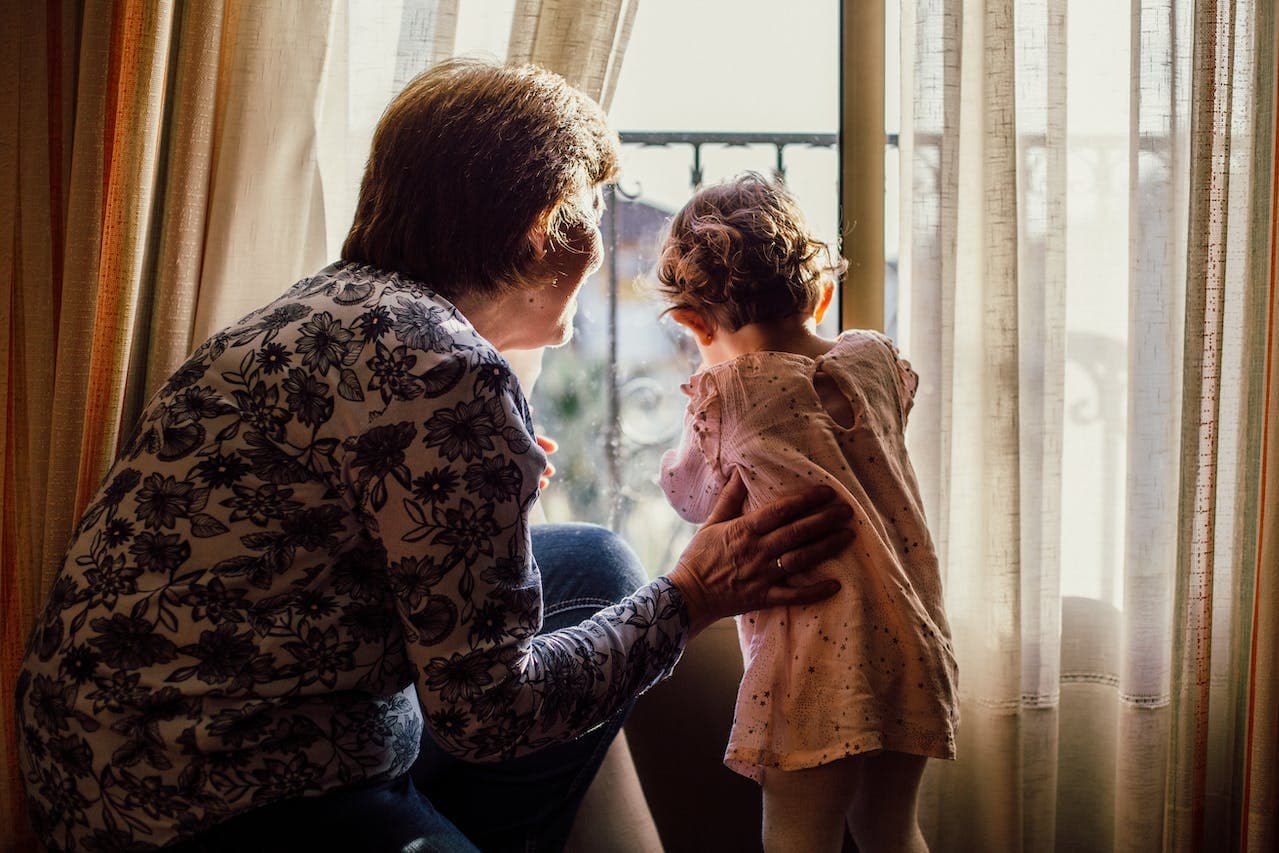
Becoming a grandparent is an exciting new chapter, filled with joy and a few surprises along the way. Whether you’re bursting with anticipation or feeling a bit unsure about your new role, this guide has you covered. Inside, you’ll find practical advice and thoughtful tips to help you step into grandparenthood with ease.
From building a strong connection with your grandchild to offering the right kind of support to their parents, this guide will give you the tools to navigate these relationships with confidence. Ready to embrace this new adventure? Let’s get started…
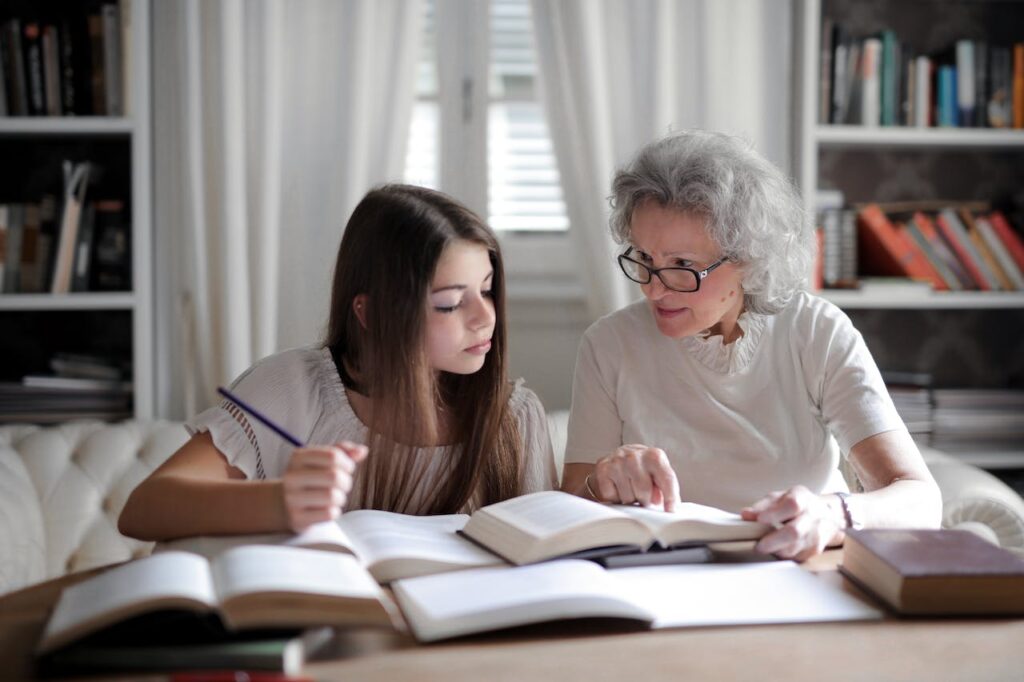
As an expert in retirement living and later life care, let's delve into the enriching experience of becoming a grandparent for the first time. Embracing this role offers a unique opportunity to contribute positively to your family's new generation, whether you're an active retiree or adapting to a more sedentary lifestyle. Here's a comprehensive guide with thoughtful advice and practical tips for first-time grandparents.
Embrace Supportive Parenting
Respecting Parental Choices: In your grandparenting journey, remember the value of supporting your children's parenting decisions. While your experience is a treasure trove of wisdom, the key is to offer guidance without imposing. Respect their parenting rules and choices, creating a harmonious family dynamic where your support is cherished.
Advice from Experts: Claire from Life, Love, and Dirty Dishes emphasizes enjoying the grandparent role while providing support without overwhelming the new parents with advice. Similarly, Rachel Bustin, a family lifestyle blogger, suggests being supportive, helping with practical tasks like meals and errands, easing the parents' load.
Effective Communication
Stay Informed and Involved: Active listening and clear communication are vital. Keep up-to-date with the child's evolving needs and ask questions to ensure you align with the parents' approach, especially regarding dietary restrictions or specific care routines.
Insight from Lauren (The Heaton Family): Lauren advises asking parents what they need and respecting their boundaries, highlighting the importance of being supportive in practical ways beyond just spending time with the baby.
Calm And Reassuring Presence
Offer Stability: Your experience as a parent equips you to be a steadying influence. Avoid adding to new parents' anxieties. Instead, offer calm reassurance during challenging times, whether it's a health scare or adjusting to parenthood.
Mindful Gift-Giving And Assistance
Avoid Overwhelming with Gifts: While it's tempting to shower your new grandchild with gifts, moderation is key. Please coordinate with the parents to understand their needs and preferences.
Offer Practical Help: Your support in daily tasks can be invaluable. Offer to assist with shopping, cooking, or babysitting. Your understanding of the parents' needs can make a significant difference.
Hannah's Story (Han Plans): Hannah shares how her grandmother's practical support, like managing household chores and giving the new parents space, was invaluable.
Karen's Perspective (The 3am Diary): Karen suggests asking parents how to help, emphasizing adapting to their needs and avoiding unnecessary gifting.
Flexibility And Adaptability
Be Accommodating: Your ability to adapt to changing situations will make you an invaluable support. Sarah from Life in Full Flavour highlights the importance of grandparents being flexible to accommodate the new family's evolving routine.
Engaging In Activities With Grandchildren
Interactive Play: Engage your grandchildren with activities suitable for their age. From simple games like peek-a-boo and puppet shows to sensory toys that aid development, these activities are entertaining and crucial for their growth.
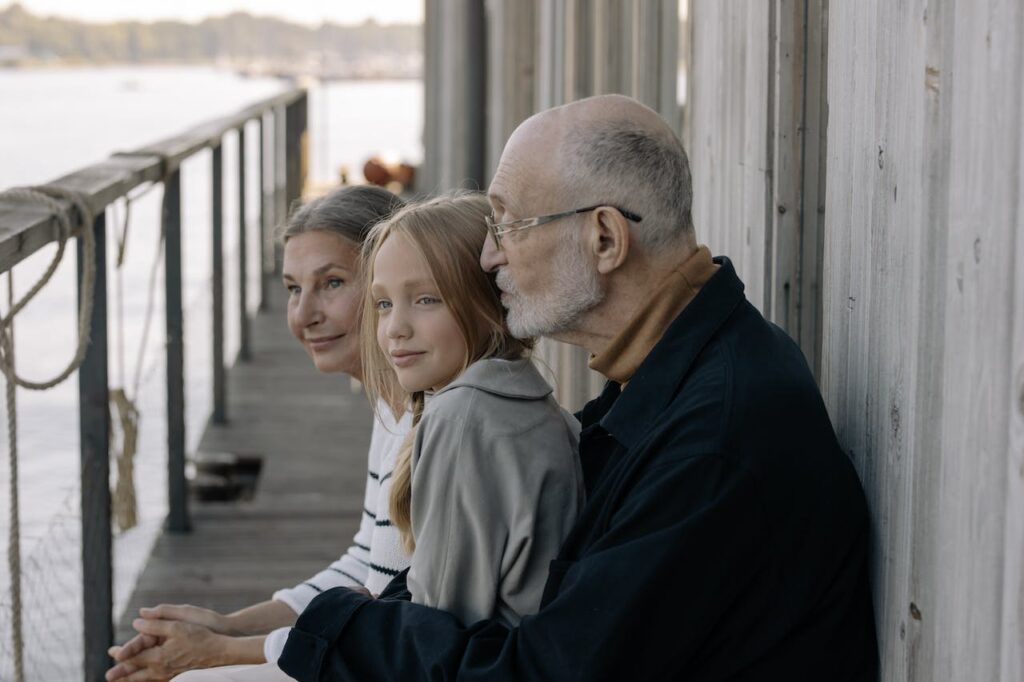
Encourage Reading: Reading to your grandchildren is a wonderful way to bond and educate. Choose age-appropriate books and involve them in the storytelling process.
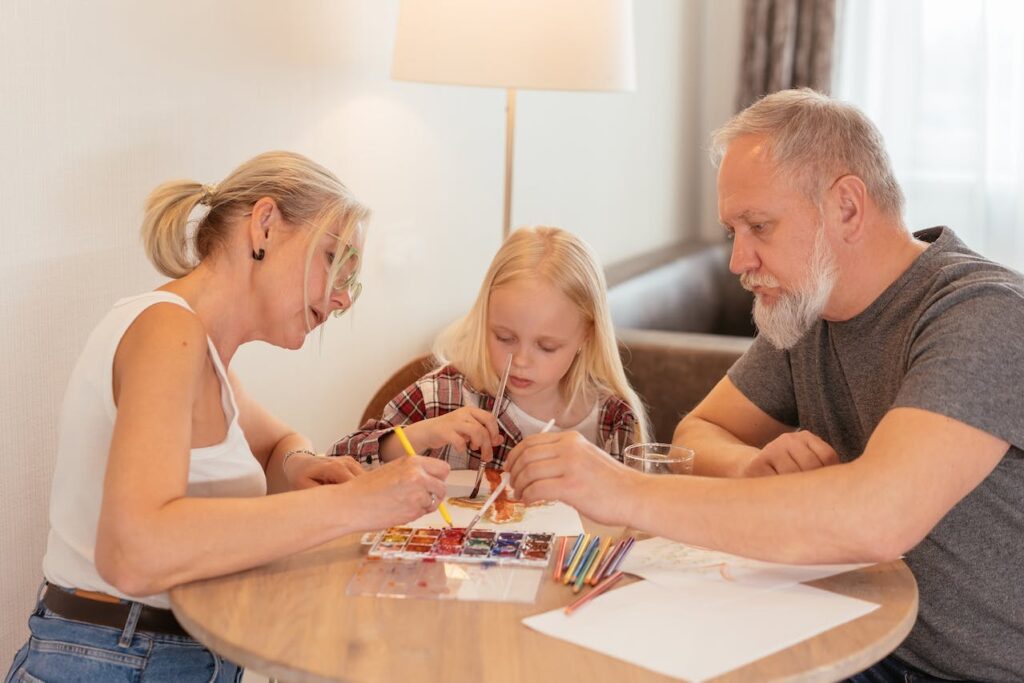
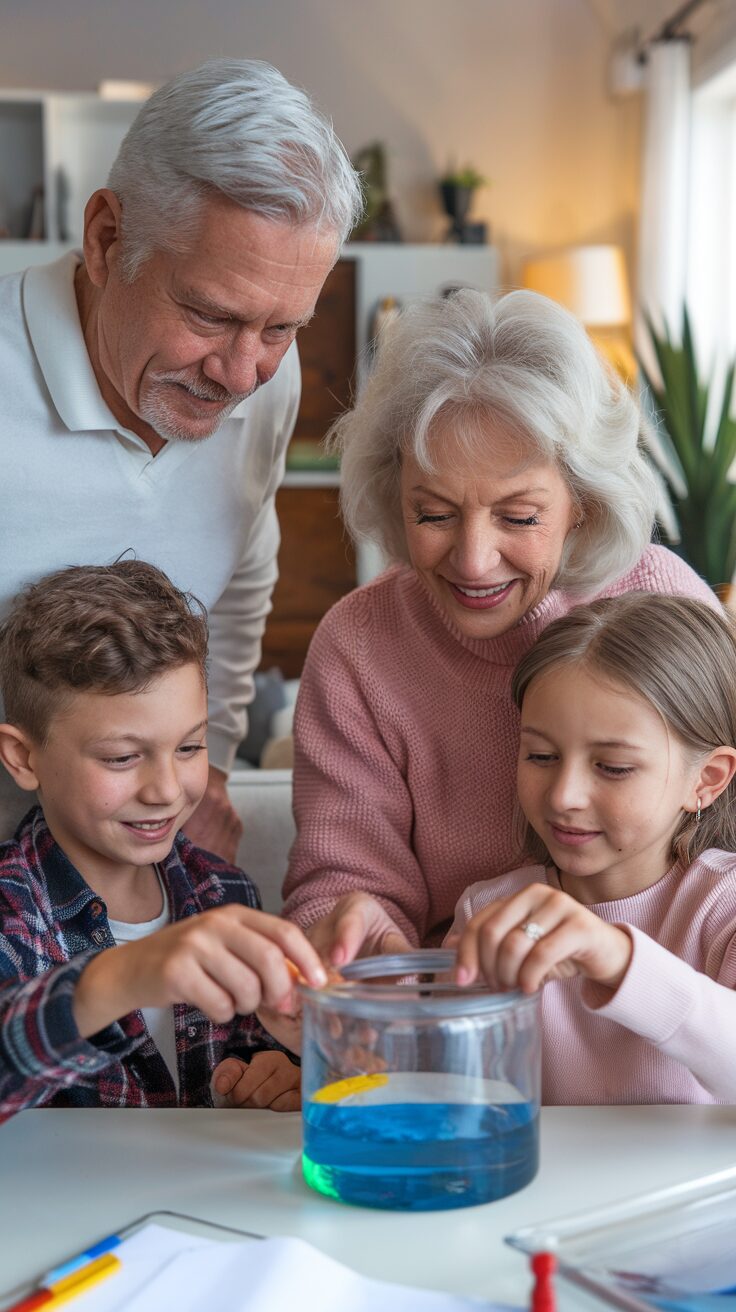
Creative and Outdoor Activities: Encourage creativity through drawing, science experiments, and outdoor activities like bug hunting or gardening. These fun and educational activities foster a love for nature and science.
Childproofing Your Home
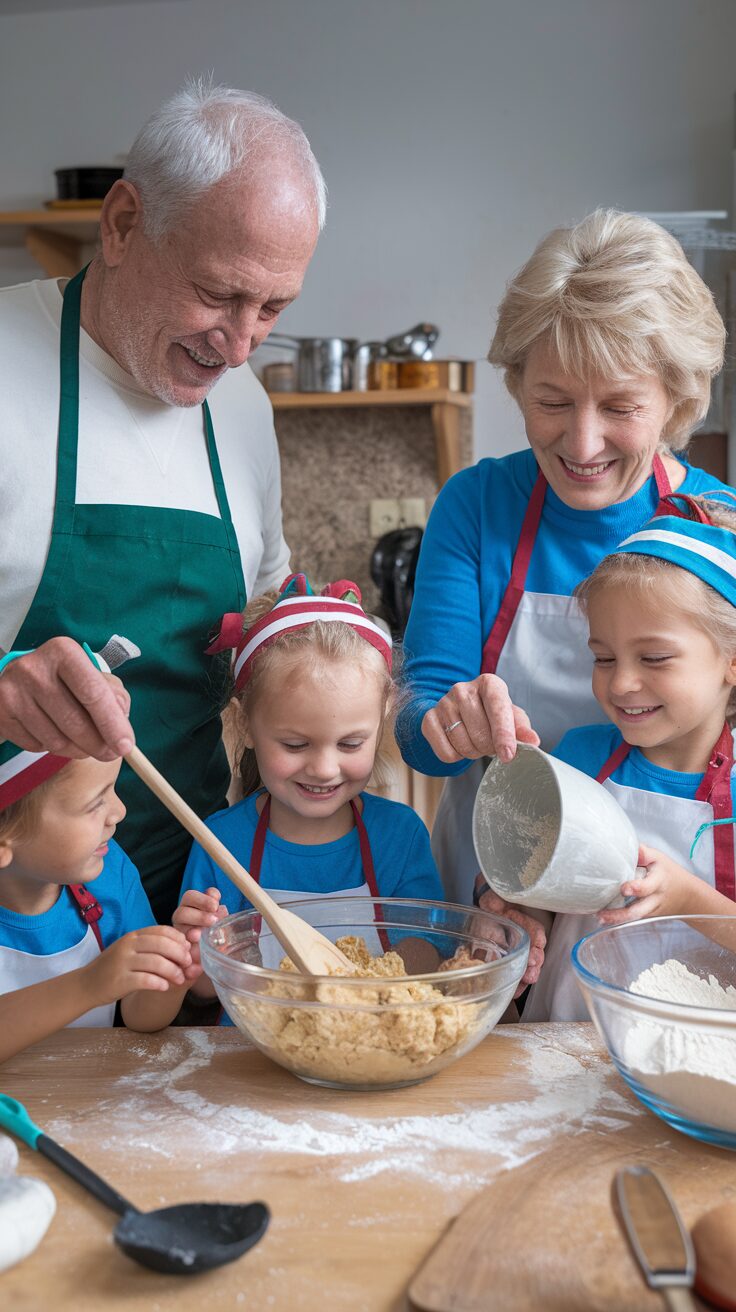
Securing Electronics: Use plug guards and cable clips to protect little ones from electrical hazards. Tuck away cords behind furniture to prevent tripping accidents. Storing Dangerous Items Safely: Place potentially harmful objects like knives or cleaning agents well out of children's reach. Creating a Safe Play Space: Designate a specific area or room for your grandchildren to play. Ensure it's free from fragile ornaments and equipped with age-appropriate toys.
Outdoor Play Area
Encourage Outdoor Activities: Set up a child-friendly outdoor space with slides, swings, and sandpits to promote active play and exploration.
Preparing Your Vehicle
Child-Friendly Car Preparation: Familiarize yourself with child car seat laws and equip your car with the necessary safety gear, like car seats and sunshades. Jaime from The Oliver's Madhouse recommends using a seat protector to preserve your car's upholstery.
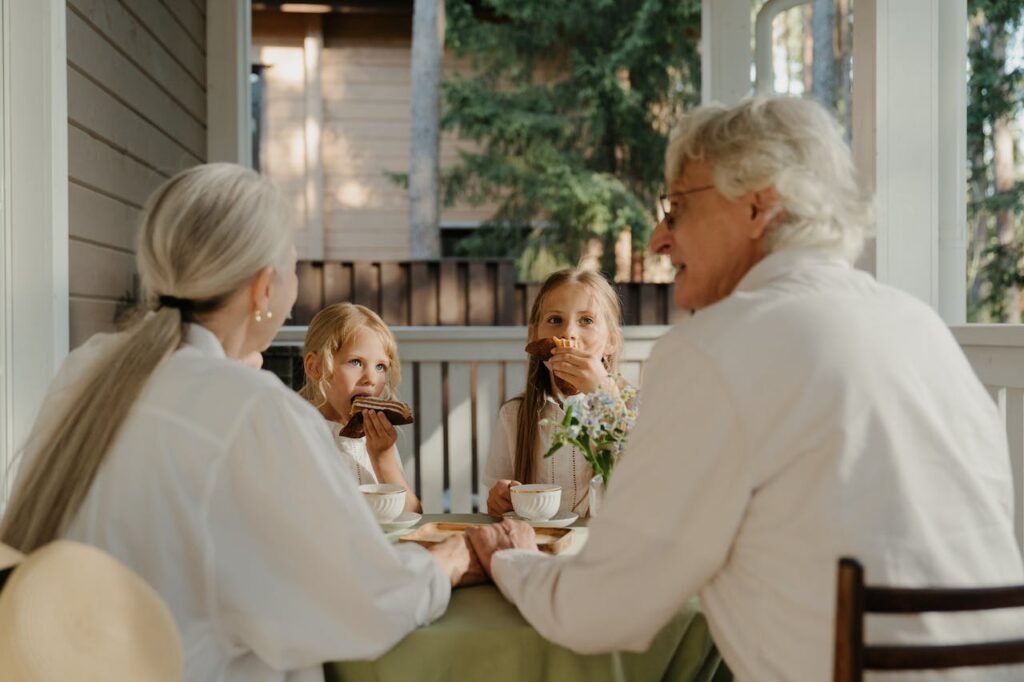
Being Mindful Of Your Limitations
Know Your Boundaries: Recognize and respect your physical limitations. Opt for activities that allow you to engage with your grandchild while conserving your energy, like board games or storytelling.
Cherishing Every Moment

Creating Lasting Bonds: Embrace the opportunity to build a meaningful relationship with your grandchild, which benefits your mental and emotional well-being. Karen from the 3am Diary and Sarah from Boo Roo and Tigger Too highlight the positive impact of spending quality time with grandchildren on both parties' health.
Essential Items For Grandparents
Preparing for Grandchild Visits:
- Car Seat: Ensure you have a suitable car seat for safe travel.
- Pram: A lightweight, easily storable pram is essential for outings.
- Sleeping Arrangements: Invest in a travel cot for naps and overnight stays.
- Changing Bag: Keep a stocked changing bag ready for on-the-go needs.
- Clothing and Necessities: Maintain a stock of baby clothes, food, nappies, and a changing mat to handle any situation.
Feeding Your Grandchild
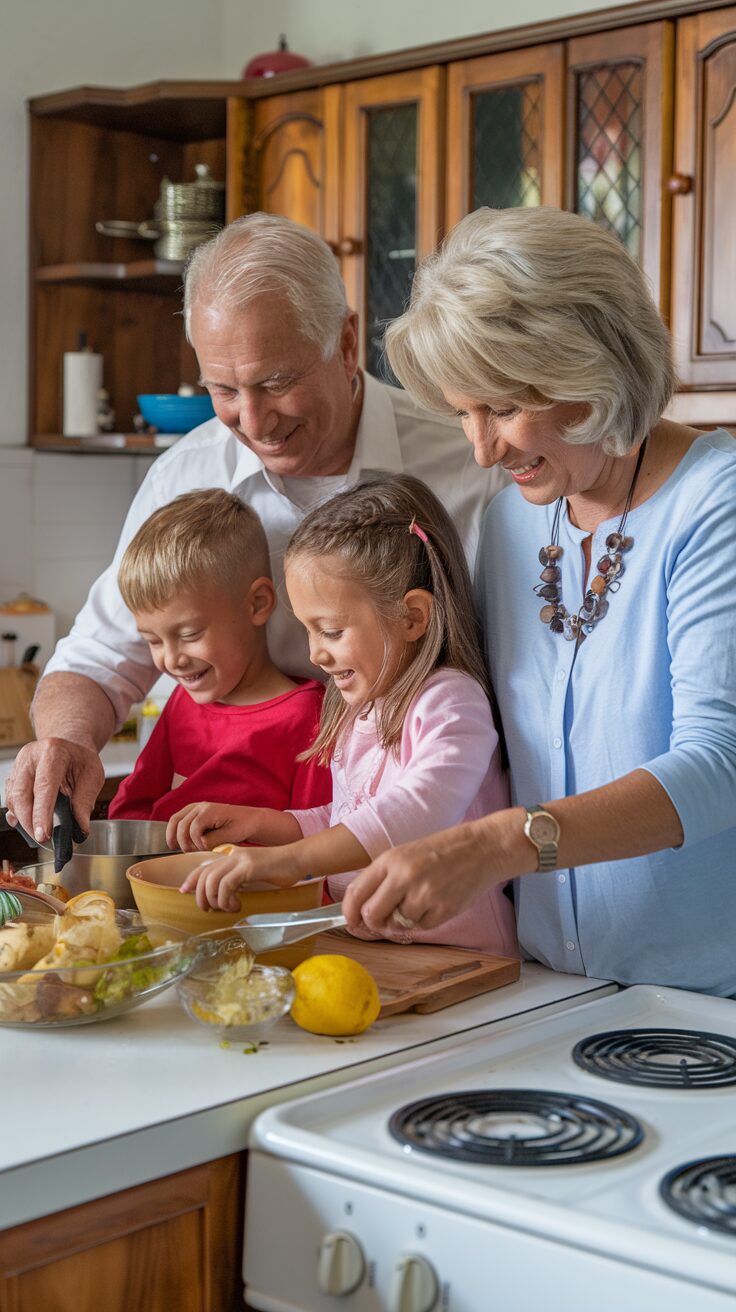
Understanding Dietary Needs: Consult with the parents regarding your grandchild's diet, including any allergies or preferences. Keep appropriate baby food available and understand the basics of baby feeding stages.
Bathing Items For Grandchildren
Preparing for Bath Time: Ensure you have essential items like a baby bath, soft towels, child-friendly shampoo, and body wash. Bath toys can transform bath time into a fun and engaging activity for your grandchildren.

Key Items For New Grandparents
Preparing Your Home:
- Car Seat: Essential for safe travel with your grandchild.
- Pram: A lightweight, foldable pram is convenient for outings.
- Sleeping Arrangements: A travel cot is ideal for naps and overnight stays.
- Changing Bag: Stocked with nappies, wipes, and other necessities for diaper changes.
- Clothing: Keep a stock of baby clothes for unexpected spills or overnight stays.
- Food: Have age-appropriate baby food available, and always check for allergies or dietary restrictions.
- Nappies and Changing Mat: Essential for clean and comfortable diaper changes.
- Bathing Items: Ensure you have all the necessary items for a safe and enjoyable bath time.
Supporting Grandchildren With Disabilities
Adapting to Special Needs: If your grandchild has a disability, it's crucial to make your home accessible and safe. This might involve installing home aids like home lifts and learning about their needs to provide the best support possible.
Communication Is Key: Maintain open communication with the parents to understand how to best support them and your grandchild. Your unconditional love and support are invaluable.
Resources For Prospective Grandparents

Expanding Your Knowledge:
- Gransnet: An online community offering advice, support, and discussions relevant to grandparents.
- Passing Down The Love: A resource for first-time grandmothers with tips and activity ideas.
- Family Lives Offers crisis support and articles on various topics, from internet safety to healthy living for grandchildren.
- Bristol Grandparents Support Group: A support network for grandparents offering advice and community support.
- Contact: A charity providing resources for grandparents of disabled children, including guides on navigating the role and available support.
- Government Benefits: Information on National Insurance credits and other support available to grandparents caring for children.
What Are Some Specific Examples Of Age-Appropriate Activities For Grandchildren?
Certainly! Engaging in age-appropriate activities with grandchildren fosters a strong bond and contributes to their development. Here are some examples categorized by different age groups:
Infants (0-12 months)
- Tummy Time: Encourages motor skills and prevents flat head syndrome.
- Peek-a-Boo: Develops an understanding of object permanence and entertains.
- Reading Board Books: Introduces language and reading at an early age.
- Sensory Play: Use soft toys with different textures to stimulate their senses.
- Singing Lullabies: Soothes and comforts, promoting auditory development.
Toddlers (1-3 years)
- Puzzle Games: Simple puzzles help develop fine motor skills and problem-solving.
- Coloring and Finger Painting: Enhances creativity and hand-eye coordination.
- Outdoor Exploration: Nature walks or park visits encourage curiosity and physical activity.
- Building Blocks: Improves motor skills and introduces basic concepts of physics.
- Interactive Storytelling: Encourages language development and imagination.
Preschoolers (3-5 years)
- Craft Projects include making collages and boosting creativity and fine motor skills.
- Educational Games: Learning numbers, letters, or basic math through play.
- Simple Cooking Activities: Like decorating cookies, which teaches following directions and basic measuring.
- Gardening: Introduces biology and responsibility for caring for plants.
- Basic Sports: Throwing a ball or running races to develop coordination and teamwork.
School-age children (6-12 years)
- Board Games and Card Games: Develop strategic thinking and patience.
- Science Experiments: Simple at-home experiments to spark interest in science.
- Art Projects: More advanced crafts, like building a birdhouse or knitting, promote creativity and patience.
- Bike Riding: Encourages physical fitness and independence.
- Reading and Book Clubs: To instill a love for reading and improve comprehension.
Teenagers (13+ years)
- Cooking Meals Together: Teaches life skills and healthy eating habits.
- Tech Projects: Like coding or video editing, to encourage tech skills.
- Physical Activities: Like hiking, yoga, or team sports for health and social interaction.
- Volunteering Together: Promotes social responsibility and empathy.
- Cultural Outings: Visits museums, theaters, or concerts to expand cultural awareness.
Each of these activities provides entertainment and supports grandchildren's cognitive, emotional, and physical development at different stages of their growth.
How Can Grandparents Effectively Communicate With Their Adult Children Who Are New Parents?

Effective communication between grandparents and their adult children who are new parents is crucial for maintaining a harmonious family dynamic. Here are some strategies for grandparents to communicate effectively:
Practice Active Listening
- Understand Their Perspective: Listen attentively to their parenting philosophies and concerns. Understanding their point of view helps in providing appropriate support.
- Acknowledge Their Autonomy: Recognize that they are the primary decision-makers for their child. Your role is supportive, not directive.
Offer Support, Not Criticism
- Be Encouraging: Compliment their parenting skills and achievements.
- Offer Help, Not Judgement: Frame advice as suggestions rather than criticisms. Say "Have you considered trying...?" instead of "You should do...".
Ask Before Advising
- Seek Permission: Ask if they want to hear your thoughts or experiences before giving advice. Respect their decision if they prefer to handle things independently.
Communicate Openly And Respectfully
- Honest Conversations: If you have concerns, express them respectfully and clearly. Avoid accusatory language.
- Respect Boundaries: Understand and respect any boundaries they set regarding childcare, visits, and other aspects.
Use Positive And Affirmative Language
- Encourage, Don't Critique: Use positive language that encourages rather than language that could be perceived as critical or undermining.
Stay Updated With Modern Parenting Trends
- Educate Yourself: Be aware of current parenting practices and recommendations, which might differ from those of your parenting years.
Be Technologically Savvy
- Embrace Technology: Use text messages, video calls, and emails to stay in touch, especially if living at a distance. This also shows your willingness to engage in their world.
Share Experiences, Don't Impose Them
- Narrate, Don't Dictate: Share your parenting experiences and stories as anecdotes, not guidelines they must follow.
Show Appreciation And Understanding
- Acknowledge Their Efforts: Parenting is challenging. Recognize their hard work and the love they put into raising their child.
Keep Conversations Balanced
- Talk About Other Topics: Show interest in their lives outside of parenting. This keeps the relationship well-rounded and relatable.
Effective communication is key to building a trusting relationship with your adult children and playing a positive role in your grandchild's life. Remember, every family is unique, and what works for one might not work for another, so be adaptive and sensitive to your family's specific dynamics.
Conclusion

In conclusion, childproofing your home for the safety of your grandchildren is an essential yet wholly rewarding task. It's about blending vigilance with a warm, welcoming environment. By anchoring furniture, securing electrical outlets, and safeguarding potentially dangerous areas, you significantly reduce the risks of accidents. Simple measures like installing safety gates, using non-slip mats, and keeping hazardous items out of reach go a long way in creating a safe haven for your little explorers. Remember, as they grow, your childproofing strategies will evolve, too, so staying informed and adaptable is key. Taking these proactive steps ensures a secure environment for your grandchildren and peace of mind for yourself and their parents. It's about crafting a space where memories can be safely made and cherished. So, embrace this journey confidently, knowing that your efforts build a foundation of safety and love that will last a lifetime.
Here’s a suggested section you can include in your article:
Useful Links To Learn More
- Gransnet - Grandparenting Advice – Offers a range of tips and advice for new grandparents, including relationship advice and activity ideas.
- NCT - Grandparents and Parenting – Provides resources for grandparents, covering how to support new parents and your role in the baby’s life.
- Age UK - Being a Grandparent – Offers practical advice on enjoying your role as a grandparent and how to stay involved in family life.
- BabyCentre - Grandparenting – Includes tips for new grandparents on supporting your children as new parents and bonding with your grandchild.
- Family Lives - Grandparenting Support – Provides advice on maintaining healthy relationships with your children and grandchildren and tips on navigating family dynamics.
Feature Image Photo By Juan Pablo Serrano Arenas on Pexels
Keep reading

20 Amazing Crochet Beginner Ideas
Join the fun with these 20 amazing beginner crochet projects that will inspire your creativity and lead you to endless possibilities!

20 Amazing Crochet Blue Ideas
Join us as we unveil 20 amazing blue crochet projects that will inspire your creativity and elevate your crafting game!
20 Amazing Crochet Black Ideas
Marvel at these 20 amazing black crochet projects that will ignite your creativity and inspire your next crafting adventure! Discover your new favorite today.
Need personal guidance?
Talk to an advisor
Our care experts are here to help you make the right choice — for free.