7 National Parks Perfect for Stargazing
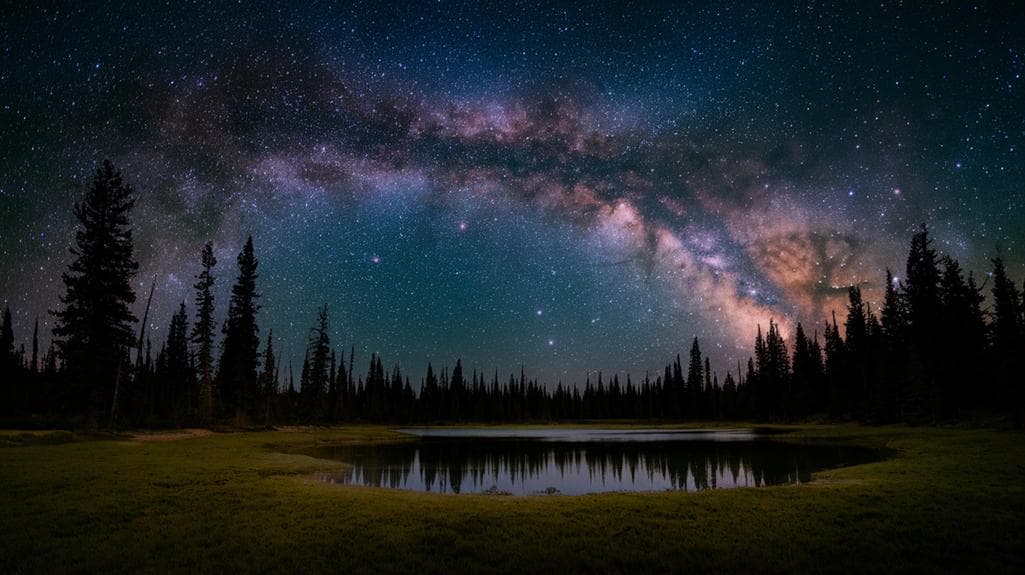
When you think about escaping city lights for a night under the stars, several national parks come to mind as ideal destinations. Each park offers a unique experience, whether it's the vast, open skies of Death Valley or the serene wilderness of Glacier National Park. With minimal light pollution and breathtaking landscapes, these locations transform into celestial wonderlands after sunset. You might be surprised to discover which parks provide the best views and the most magical moments. So, where should you start your stargazing adventure?
Key Takeaways
- Death Valley National Park offers unobstructed views of constellations and hosts meteor showers, making it a prime stargazing location.
- Big Bend National Park is a designated Dark Sky Park, ideal for viewing the Milky Way and celestial events with minimal light pollution.
- Joshua Tree National Park enhances visibility of the Milky Way and features various meteor showers throughout the year for stargazers.
- Acadia National Park provides stunning coastal views, with Cadillac Mountain as a prime spot for observing stars and meteor showers.
- Olympic National Park, with its darkest skies on the West Coast, is perfect for identifying constellations and witnessing shooting stars.
Death Valley National Park

Under a blanket of stars, Death Valley National Park transforms into one of the best stargazing destinations in the world. The vast desert landscapes offer an unobstructed view of the night sky, where you can witness seasonal constellations glittering above you.
As you settle in, keep an eye out for upcoming celestial events like meteor showers or planetary alignments, which can enhance your experience.
To capture the beauty of the cosmos, consider some astrophotography tips. Use a sturdy tripod and a camera with manual settings to adjust exposure times. As for stargazing equipment, a good pair of binoculars or a telescope can deepen your exploration of the stars.
Just remember to follow park regulations, which help preserve the pristine environment and local wildlife.
The darkness of Death Valley not only reveals the wonders of the universe but also creates a tranquil atmosphere, allowing you to appreciate the vastness around you.
Whether you're a novice or a seasoned stargazer, this park promises an unforgettable experience, connecting you with the beauty of the universe in ways you've never imagined.
Big Bend National Park

Nestled along the border of Texas and Mexico, Big Bend National Park offers an expansive canvas of dark skies perfect for stargazing. With minimal light pollution, you're in for a treat as you gaze up at the breathtaking night sky. The park is designated as a Dark Sky Park, making it an ideal spot to witness the Milky Way's dazzling band stretching across the horizon.
During your visit, keep an eye out for celestial events like meteor showers and eclipses, which can turn an ordinary night into a spectacular display. The vast desert landscape provides a stunning backdrop, where you can lie on a blanket and watch shooting stars streak by.
Whether you're an amateur astronomer or simply someone who enjoys the beauty of the universe, Big Bend has something special to offer.
Don't forget to bring a star chart or a stargazing app, so you can identify constellations and planets amid the twinkling stars. As the night deepens, you'll feel a connection to the cosmos that's hard to find elsewhere.
Joshua Tree National Park

Just a few hours' drive from Big Bend, Joshua Tree National Park beckons stargazers with its own mesmerizing night sky. As day shifts into night, you'll find yourself surrounded by vast desert landscapes that create the perfect backdrop for celestial wonders.
The park is renowned for its minimal light pollution, allowing you to witness the brilliance of the cosmos.
When you arrive, make sure to check out these stargazing highlights:
- The Milky Way - On clear nights, the Milky Way stretches across the sky, creating a breathtaking view that feels almost otherworldly.
- Meteor Showers - Throughout the year, various meteor showers grace the night sky, offering stunning displays that you won't want to miss.
- Constellations - With a little guidance, you can spot familiar constellations and perhaps even learn a few new ones.
Whether you're an astronomy enthusiast or just looking to unwind, Joshua Tree's night sky provides an enchanting experience.
Grab a blanket, lie back, and let the universe unfold its secrets before your eyes.
Glacier National Park

Glacier National Park's expansive wilderness offers a stunning canvas for stargazing, inviting you to explore its celestial wonders. As you venture into the park, you'll find that the absence of light pollution reveals a breathtaking night sky filled with stars. The crisp mountain air enhances your experience, making the stars appear even brighter.
During the day, you might hike the breathtaking trails, immersing yourself in Glacier's rich geology and history. Keep an eye out for Glacier wildlife, from mountain goats to elusive bears, adding an element of adventure to your journey. Don't forget your camera; Glacier photography opportunities abound, capturing the park's natural beauty by day and night.
As you settle down to stargaze, reflect on the importance of Glacier conservation. You'll appreciate how these efforts protect both the stunning landscapes and the diverse ecosystems that thrive here. The Milky Way stretches overhead, and constellations come to life, reminding you of the vastness of the universe.
Whether you're a seasoned astronomer or just looking to soak in the serenity, Glacier National Park offers an unforgettable stargazing experience that connects you to nature and the cosmos.
Acadia National Park

Acadia National Park offers a spectacular backdrop for stargazing, with its rugged coastline and serene landscapes creating an enchanting atmosphere.
When night falls, you'll find that Acadia's Nightscapes transform into a canvas of brilliance. The dark skies reveal a universe teeming with stars, making it an ideal spot for celestial events.
Here are three must-visit locations within the park for the ultimate stargazing experience:
- Cadillac Mountain: As the highest point on the East Coast, you'll gain an unobstructed view of the night sky, perfect for capturing breathtaking constellations.
- Jordan Pond: The calm waters reflect the celestial wonders above, creating a mesmerizing mirror effect that enhances your stargazing.
- Sand Beach: Feel the cool ocean breeze as you lay on the sand, watching meteors streak across the sky during peak meteor showers.
Whether you're an avid astronomer or just someone who enjoys the beauty of the night, Acadia's tranquil environment invites you to immerse yourself in the awe-inspiring magic of the cosmos.
Don't miss the chance to witness these celestial events in one of America's most beautiful national parks.
Grand Canyon National Park
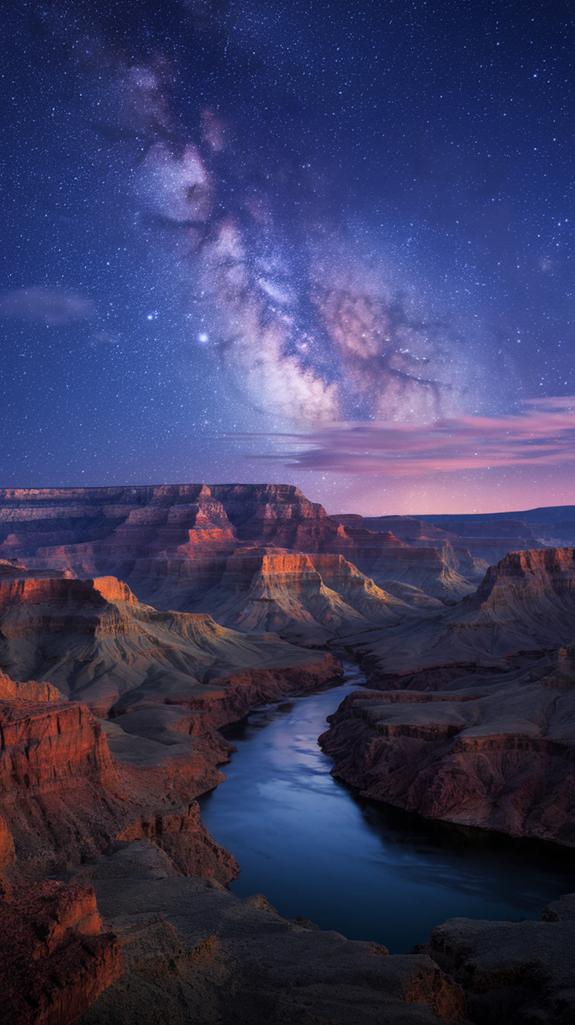
As the sun sets over the vast expanse of Grand Canyon National Park, the shift from day to night reveals a celestial spectacle that's hard to match. With its incredible Grand Canyon geology, the park provides a stunning backdrop for stargazing. The layers of rock, carved by the mighty Colorado River, create a dramatic landscape that enhances your evening experience.
Once darkness falls, the park's isolation from city lights allows the night sky to come alive. You'll find a tapestry of stars, planets, and constellations stretching endlessly above you. Bring a blanket and lie back to soak in the vastness; you might even catch a glimpse of the Milky Way, shimmering like a river of light.
As you gaze upward, you may also hear the sounds of Grand Canyon wildlife settling in for the night. From the rustle of nocturnal creatures to the calls of owls, the park's natural symphony enriches your stargazing adventure.
Olympic National Park

When night falls over Olympic National Park, a breathtaking array of stars twinkles above the lush forests and rugged coastline.
You'll find yourself surrounded by some of the darkest skies on the West Coast, perfect for immersing yourself in celestial wonders. As you gaze up, you might spot:
- The Milky Way's brilliant band stretching across the sky.
- Constellations like Orion and Ursa Major, guiding you through the night.
- Shooting stars that dart across the vast expanse, inviting wishes.
The park's remote location and minimal light pollution create an ideal backdrop for stargazing.
Whether you're nestled in a quiet campsite or hiking to a scenic overlook, you're bound to be captivated.
Don't forget to bring a blanket and a warm drink to enhance your experience.
Consider visiting during a new moon phase for the best views of the night sky.
You'll be amazed at how many stars you can see, far removed from the glow of city lights.
Conclusion

So, grab your gear and venture into these celestial wonders where the night sky dances like Van Gogh's "Starry Night." Each park offers a unique canvas, inviting you to gaze at constellations and lose yourself in the Milky Way's embrace. Whether you're wandering through the vastness of Death Valley or the rugged charm of Acadia, these stargazing havens promise unforgettable nights. Let the cosmos be your guide, and may your adventures be filled with awe-inspiring sights.
Keep reading

20 Latest Crochet Neck Warmer Ideas To Try In 2025!
Link up with the 20 best crochet neck warmers that blend warmth and style—discover which designs will transform your winter wardrobe!

20 Amazing Crochet Jewelry Ideas
Amazing crochet jewelry ideas await you, featuring unique designs that will inspire your creativity and elevate your accessory game to new heights.

20 Amazing Crochet Kit Ideas
Navigate through 20 amazing crochet kit ideas that spark creativity and joy; discover the perfect project to ignite your crafting passion!
Need personal guidance?
Talk to an advisor
Our care experts are here to help you make the right choice — for free.