Expert Guide To Memory Assessment Services In 2025
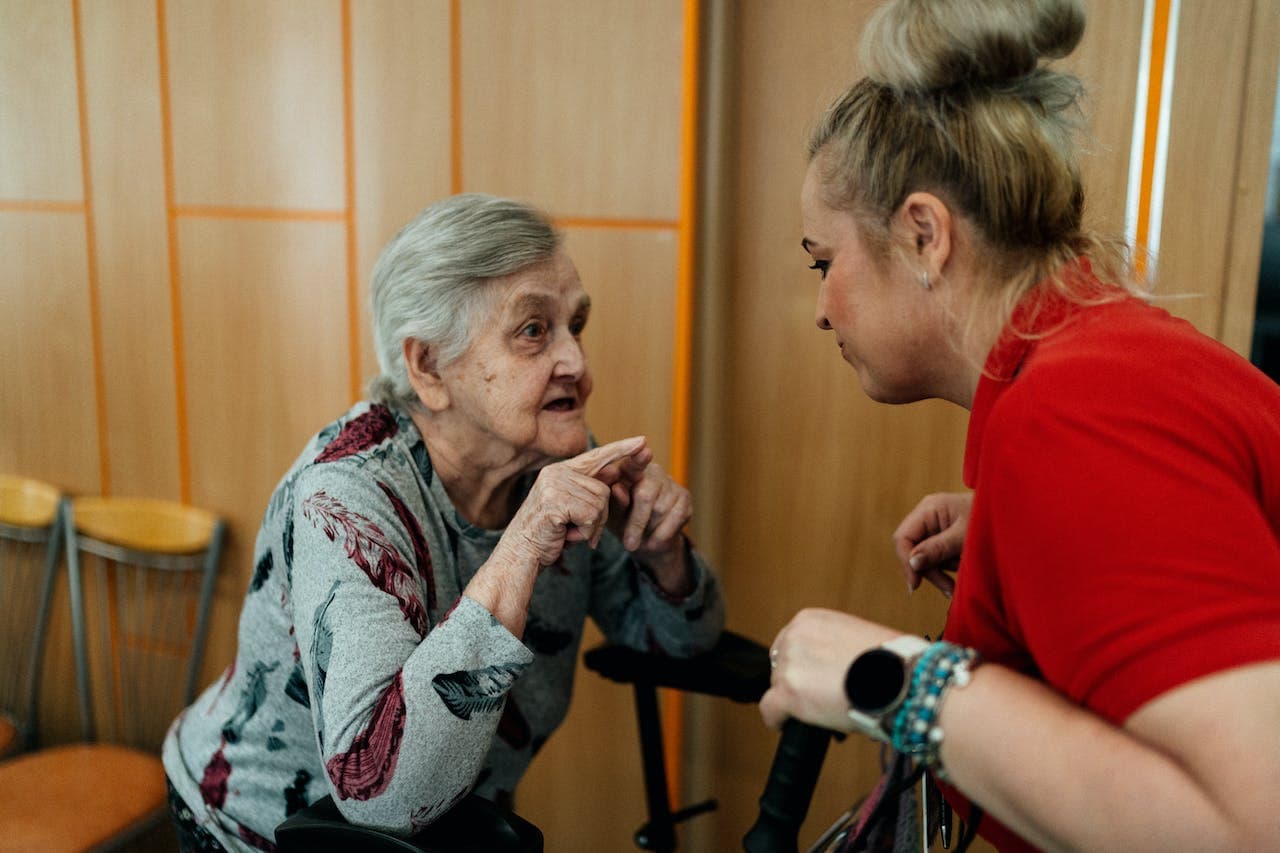
Understanding the difference between occasional forgetfulness and something more serious, like dementia, can be tricky. It’s a fine line, but knowing when to take action is essential. This article will help you recognize when memory issues may need closer attention and explain the importance of early detection through memory assessment services.
You’ll get a clear picture of what to expect from memory clinics and learn how to spot potential warning signs before they escalate. Plus, we’ll cover practical steps for seeking professional help and what you can do next if memory loss is becoming a concern for you or a loved one. Ready to take control and gain peace of mind? Let’s dive in…
The Purpose Of Memory Assessment Services
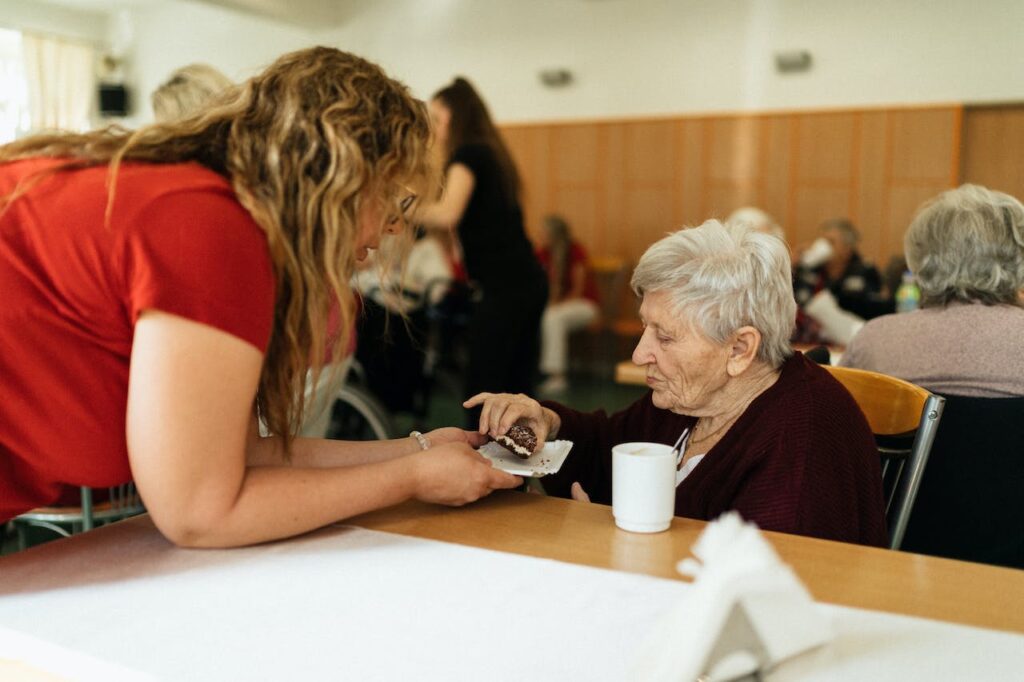
Memory Assessment Services (MAS), or memory clinics, are specialized healthcare facilities that evaluate cognitive health. Their primary objective is to identify signs of cognitive decline and dementia or to confirm that dementia is not the underlying cause of cognitive issues. These clinics are staffed by a multidisciplinary team, including doctors, nurses, psychologists, occupational therapists, and dementia support workers. GPs or nurse practitioners commonly make referrals to MAS, though paramedics and social workers may also refer in certain circumstances.
Significance Of Memory Clinics
Early detection of dementia symptoms is critical, as there's no definitive cure for dementia. Early intervention through lifestyle changes can significantly mitigate the risk of dementia or alleviate symptoms of cognitive decline. An MAS plays a vital role not only in detecting dementia but also in excluding it as a diagnosis, which is crucial for the appropriate treatment of other brain-related conditions.

The Memory Clinic Experience
The assessment process will be thoroughly explained at a memory clinic, and your consent will be sought before proceeding. If your referral comes from a GP, they can also provide detailed information about the assessment. Typically, the evaluation includes:
- Discussions about personal, social, and work life.
- Focused inquiries regarding memory and mood.
- Recommendations for diagnostic imaging, such as CT or MRI scans.
Following The Assessment
Post-assessment, the outcomes will determine the next steps:
- You may be discharged from the MAS if no cognitive issues are detected.
- In cases where cognitive problems are linked to depression, a referral to your GP for treatment, such as antidepressants, may be made.
- A diagnosis of mild cognitive impairment necessitates ongoing monitoring, usually with annual assessments.
- If dementia is diagnosed, a comprehensive treatment plan will be discussed and initiated.
As an expert in retirement living and later life care, it's important to emphasize the value of memory clinics. They are not just diagnostic centers; they are gateways to understanding and managing cognitive health, offering guidance and support for individuals and their families navigating the challenges of cognitive decline and dementia.

What Is The Process Like For Seeking Professional Evaluation At A Memory Clinic?
Seeking professional evaluation at a memory clinic is a structured process designed to accurately assess cognitive health. Here's an overview of the typical steps involved:
- Initial Referral: The journey usually begins with a referral from a general practitioner (GP) or nurse practitioner. In some cases, paramedics or social workers might also make referrals, especially if they observe symptoms indicative of cognitive decline.
- Pre-Assessment Information: Before your visit, the memory clinic may provide information about what to expect. This can include details about the types of assessments and tests that will be conducted. It's a good opportunity to prepare any questions or concerns.
- First Visit and Consultation: During your initial visit, a healthcare professional, often a specialist in cognitive disorders, will conduct a detailed interview. This interview typically covers medical history, current medications, lifestyle factors, and specific questions about memory, mood, and daily functioning.
- Cognitive Testing: A key component of the evaluation involves cognitive tests. These assess various aspects of memory, reasoning, attention, and language skills. The tests range from simple tasks like recalling words to more complex problem-solving exercises.
- Physical Examination and Diagnostic Tests: A physical examination might be conducted depending on the initial findings. Additionally, diagnostic tests such as blood tests, CT scans, or MRI scans may be recommended to rule out other causes of memory loss and to get a clearer picture of brain health.
- Discussion of Results and Next Steps: You'll have a follow-up appointment after completing the assessments and receiving test results. During this session, the clinician will discuss the findings, provide a diagnosis if applicable, and discuss the next steps. This could include treatment options, management strategies for cognitive issues, or further monitoring.
- Ongoing Support and Management: If a diagnosis is made, the memory clinic team will offer guidance on managing the condition. This could involve medication, lifestyle modifications, therapy, or referrals to other specialists. They also provide support for family members and caregivers, offering resources and advice on supporting a loved one with cognitive decline.
Throughout this process, the emphasis is on providing a comprehensive evaluation to accurately diagnose or rule out dementia and related conditions. It's important to approach this journey openly and actively participate in the assessment process for the most beneficial outcomes. As experts in later-life care, we understand the importance of a thorough and compassionate approach to cognitive health assessments, ensuring that individuals receive the care and support they need.
9 Other Brain-Related Conditions Can Be Diagnosed At A Memory Clinic
Memory clinics, with their specialized focus on cognitive health, are equipped to diagnose a range of brain-related conditions beyond dementia. These clinics employ a multidisciplinary approach, utilizing the expertise of neurologists, psychologists, and other healthcare professionals. Here are some of the key conditions that can be identified and managed through a memory clinic:
- Mild Cognitive Impairment (MCI): This condition has a noticeable decline in cognitive abilities (like memory and thinking skills) but is not severe enough to interfere significantly with daily life. MCI can be an early sign of Alzheimer's disease or other dementias, but not everyone with MCI progresses to dementia.
- Alzheimer's Disease: As the most common cause of dementia, Alzheimer's disease is characterized by a progressive loss of memory and other cognitive functions. Memory clinics play a crucial role in its early diagnosis and management.
- Vascular Dementia: This form of dementia is caused by reduced blood flow to the brain, often due to strokes or other vascular conditions. Memory clinics can help identify vascular dementia and distinguish it from Alzheimer's.
- Lewy Body Dementia: This type of dementia, associated with abnormal protein deposits in the brain called Lewy bodies, affects cognition, movement, and behavior. It can be diagnosed at memory clinics through clinical assessments and imaging studies.
- Frontotemporal Dementia: Unlike Alzheimer's, frontotemporal dementia often affects younger people and involves the frontal and temporal lobes of the brain. It leads to personality, behavior, and language changes and can be assessed in a memory clinic.
- Depression and Mood Disorders: Sometimes, what seems like memory loss can actually be a symptom of depression or other mood disorders. Memory clinics are adept at differentiating between cognitive decline due to mood disorders and dementia.
- Traumatic Brain Injury (TBI) and Concussions: After-effects of TBIs and concussions, especially repeated ones, can lead to cognitive issues. Memory clinics can assess these conditions and suggest appropriate treatments.
- Parkinson's Disease and Related Disorders: Some movement disorders, like Parkinson's, can also affect cognitive abilities. Memory clinics can help identify these cognitive changes and provide comprehensive care.
- Normal Pressure Hydrocephalus (NPH): Characterized by an abnormal buildup of cerebrospinal fluid in the brain's ventricles, NPH can cause memory loss, difficulty walking, and impaired bladder control. It's often reversible and can be diagnosed in a memory clinic.
In summary, memory clinics are pivotal in the early detection, accurate diagnosis, and effective management of various brain-related conditions. They offer a holistic approach to understanding cognitive changes, differentiating between various cognitive disorders, and guiding patients and their families toward appropriate care and support.
What Kind Of Treatment Plan Is Typically Discussed And Initiated In Case Of A Dementia Diagnosis?
Upon a diagnosis of dementia, a comprehensive and personalized treatment plan is formulated, focusing on managing symptoms, slowing disease progression, and improving quality of life. This plan is typically multi-faceted, involving medication, lifestyle modifications, support services, and planning for future care needs. Here's an overview of the typical components of a dementia treatment plan:
Medication Management:
- Cholinesterase Inhibitors: Drugs like donepezil, rivastigmine, and galantamine are often prescribed for Alzheimer's disease to improve symptoms related to memory, thinking, language, and judgment.
- Memantine: This medication is used to treat moderate to severe Alzheimer's disease and works differently from cholinesterase inhibitors.
- Medications for Behavioral Symptoms: Antidepressants, anxiolytics, or antipsychotics may be prescribed to manage mood swings, depression, or behavioral issues.
Lifestyle Modifications And Non-Pharmacological Interventions:
- Cognitive Stimulation: Activities like memory exercises, puzzles, and engaging in hobbies can help maintain mental function.
- Physical Exercise: Regular physical activity can improve mood and cardiovascular health and possibly slow cognitive decline.
- Diet and Nutrition: A balanced diet rich in fruits, vegetables, and whole grains is recommended. The Mediterranean diet, in particular, is often suggested for its potential brain health benefits.
Support Services:
- Counseling and Support Groups: These provide emotional support for individuals with dementia and their family members.
- Occupational Therapy: To help adapt living spaces to the needs of someone with dementia and teach coping behaviors.
- Home Care and Assistance: Additional help with daily activities may be necessary as the disease progresses.
Safety And Environment Modifications:
- Home Safety Evaluations: To minimize risks and create a safe living environment.
- Routine and Structure: Establishing a daily routine can provide stability and security.
Planning For Future Care:
- Advanced Care Planning: Discussing and documenting preferences for future care and end-of-life decisions.
- Legal and Financial Planning: Arranging for power of attorney, living wills, and managing financial affairs.
Caregiver Education And Support:
- Training for Caregivers: Education on dementia, its progression, and how to manage various challenges.
- Respite Care: Providing temporary relief to caregivers to prevent burnout.
Monitoring And Follow-Up:
- Regular follow-up appointments to monitor the progression of the disease, adjust medications, and update the treatment plan as needed.
It's important to note that the treatment plan should be tailored to the individual's specific type of dementia, overall health, and personal circumstances. Collaboration among healthcare providers, patients, and their families is key to creating an effective and responsive treatment plan. As specialists in later-life care, our approach emphasizes compassion, respect for the patient's dignity, and a focus on maximizing quality of life at every stage of the disease.
Conclusion
In conclusion, navigating the complexities of dementia and related cognitive conditions can be challenging, but understanding the importance of early detection and comprehensive care makes a significant difference. Remember, memory clinics are valuable resources for accurate diagnosis and tailored treatment plans, helping to manage symptoms and maintain quality of life. While there's no current cure for dementia, lifestyle changes, medication, and supportive care can greatly assist in managing the condition. Risks can be mitigated with early intervention, and a supportive network, including healthcare providers and caregivers, plays a crucial role in this journey. It's important to stay informed, proactive in seeking evaluations when necessary, and engaged in creating a supportive environment for those affected. With the right approach and resources, individuals and families can navigate these challenges with resilience and hope. Let this knowledge empower you to take the necessary steps for yourself or your loved ones, fostering a life of dignity and quality, even in the face of cognitive changes.
Here’s a suggested section you can include in your article:
Useful Links To Learn More
- NHS Memory Services – Provides information on memory assessment services and how to access them through the NHS.
- Alzheimer’s Society - Memory Assessment – Offers guidance on memory assessments and support for those dealing with memory loss or dementia.
- Age UK - Memory Problems – Provides advice on recognizing memory issues and seeking help, including memory clinics and assessments.
- Dementia UK – Offers expert information and support for those living with dementia and their carers, including how to get a diagnosis and manage symptoms.
- Mind - Memory Problems – A mental health charity providing resources and support for individuals experiencing memory loss, including advice on assessments and services.
Keep reading

20 Amazing Crochet Beginner Ideas
Join the fun with these 20 amazing beginner crochet projects that will inspire your creativity and lead you to endless possibilities!

20 Amazing Crochet Blue Ideas
Join us as we unveil 20 amazing blue crochet projects that will inspire your creativity and elevate your crafting game!

20 Amazing Crochet Black Ideas
Marvel at these 20 amazing black crochet projects that will ignite your creativity and inspire your next crafting adventure! Discover your new favorite today.
Need personal guidance?
Talk to an advisor
Our care experts are here to help you make the right choice — for free.