How To Do Chest Flys When Over 50
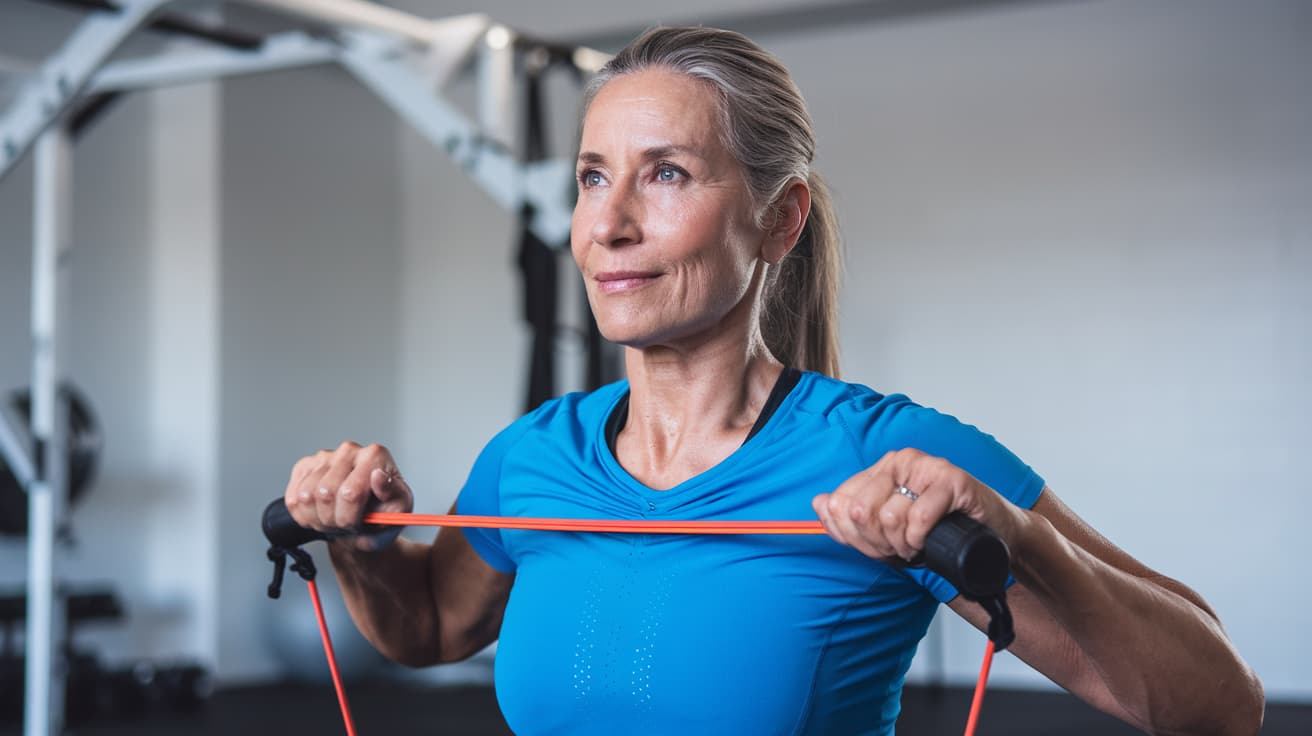
Imagine lying back on a bench, the soft cushion beneath you, as you prepare to stretch and strengthen your chest. When you're over 50, it's important to approach chest flys with care to maximize benefits while minimizing risk. You'll want to focus on proper form and controlled movements, but there are nuances that can make all the difference. If you're curious about how to adapt this exercise safely and effectively for your age, you might find some surprising techniques that can enhance your workout routine.
Key Takeaways
- Begin with a thorough warm-up of 5-10 minutes to prepare muscles and joints for safe movement.
- Choose light weights or resistance bands to maintain control and avoid strain during the exercise.
- Focus on proper form: keep elbows slightly bent and arms parallel to the floor while performing the movement.
- Listen to your body; stop if you experience any pain or discomfort during the exercise.
- Consider consulting a healthcare professional or fitness trainer for personalized guidance on your routine.
Benefits of Chest Flys

Chest flys offer a unique way to enhance your upper body strength and flexibility, especially as you age. By incorporating chest flys into your routine, you'll experience significant muscle engagement in your pectorals, shoulders, and triceps. This exercise not only builds strength but also promotes balanced muscle development, which is essential for maintaining good posture and preventing injuries.
As you perform chest flys, your joints benefit too. The controlled movement helps improve joint flexibility, allowing for a greater range of motion. This is particularly important as we age, as joint stiffness can limit your ability to perform daily activities.
You'll find that chest flys can be easily modified to suit your fitness level, making them accessible whether you're a beginner or more advanced. Additionally, they can be performed with various equipment, such as dumbbells or resistance bands, giving you the flexibility to work out at home or in the gym.
Incorporating chest flys into your workout routine won't only enhance your upper body strength but also keep your joints healthy and flexible.
Preparing for Chest Flys

Before diving into chest flys, it's vital to confirm you're physically prepared to get the most out of this exercise. Start by selecting the right equipment. You can use dumbbells, resistance bands, or a cable machine, depending on your preference and fitness level. If you're new to this exercise, lighter weights are advisable to guarantee you maintain control and avoid injury.
Next, incorporate warm-up exercises into your routine. Warming up is essential, especially as we age, to prepare your muscles and joints for the workout ahead. Consider performing dynamic stretches or light cardio for about 5-10 minutes. Focus on movements that engage your shoulders, chest, and upper back, such as arm circles or torso twists.
This preparation will help increase blood flow to the targeted muscles and improve your overall performance. Remember, taking the time to prepare not only enhances your workout but also reduces the risk of injury.
Proper Form and Technique

When you're ready to start your chest flys, focusing on proper form and technique is essential for maximizing benefits and minimizing the risk of injury.
Begin by lying flat on a bench, holding a dumbbell in each hand, and ensuring your feet are firmly planted on the ground. Keep your arms slightly bent at the elbows, and raise them above your chest, palms facing each other.
As you lower your arms out to the sides, engage your chest muscles. This muscle engagement is significant to ensuring you're effectively targeting the right area. Lower your arms until they're parallel to the ground, but avoid overstretching.
Your breathing technique plays an important role here. Inhale as you lower your arms and exhale as you bring them back to the starting position. This rhythm not only helps maintain control but also supports your overall stability.
Always remember to maintain a neutral spine, avoiding arching your back.
Common Mistakes to Avoid

As you commence your chest fly journey, it's essential to be aware of common mistakes that can hinder your progress and lead to injuries. One major pitfall is using incorrect weights. Lifting weights that are too heavy can compromise your form and increase the risk of strain. Start with lighter weights to master your technique before gradually increasing the load.
Another common mistake is poor posture. Maintaining proper alignment is imperative for effective chest flies. If you slouch or arch your back excessively, you not only reduce the effectiveness of the exercise but also put unnecessary stress on your spine. Keep your core engaged and your shoulders down throughout the movement to avoid this.
Additionally, be cautious about the range of motion. Overextending your arms beyond shoulder level can lead to shoulder injuries. Focus on a controlled movement, ensuring that your elbows are slightly bent and your arms remain parallel to the floor.
Modifications for Different Fitness Levels

Finding the right modifications for chest flys can help you tailor the exercise to your unique fitness level, ensuring you get the most benefit while minimizing the risk of injury.
Whether you're just starting out or looking to challenge yourself, there are several ways to adjust the exercise to fit your needs.
- Use lightweight options: Start with lighter dumbbells to focus on form and control. This approach allows you to build strength gradually without overexerting yourself.
- Incorporate resistance bands: Resistance bands are a fantastic alternative. They provide adjustable tension and can help you maintain proper alignment while reducing stress on your joints.
- Modify your position: Perform chest flys lying on a stability ball or bench, or even standing to engage your core more and make it easier on your shoulders.
Incorporating Chest Flys Into Your Routine

Incorporating chest flys into your routine can considerably enhance your upper body strength and improve muscle definition. To get started, consider how often you'll perform this exercise. Aim for two to three sessions per week, allowing your muscles time to recover. This frequency will help you build strength without overexerting yourself.
When it comes to equipment options, you have several choices. If you're at the gym, you can use cable machines or dumbbells. Both provide excellent resistance and allow you to target your chest effectively. If you prefer working out at home, a set of dumbbells or resistance bands can work wonders.
Before diving into your routine, warm up properly to prepare your muscles. Start with lighter weights to master your form, gradually increasing the weight as you gain confidence.
Safety Tips for Older Adults

It's essential to prioritize safety when performing chest flys, especially for older adults. Keeping your joint health and muscle flexibility in mind can help you avoid injuries and enjoy your workouts more.
Here are some important safety tips to take into account:
- Warm Up Properly: Spend at least 5-10 minutes warming up to prepare your muscles and joints for exercise.
- Use Light Weights: Start with lighter weights to guarantee you maintain control and form throughout the movement.
- Listen to Your Body: If you feel pain or discomfort, stop immediately and assess your technique or the weight you're using.
Before you begin, think about consulting a healthcare professional or a fitness trainer who specializes in working with older adults. They can provide personalized advice and modifications tailored to your needs.
Always focus on maintaining proper form to maximize benefits while protecting your joints.
Conclusion

Incorporating chest flys into your routine can be a game-changer for your upper body strength and overall fitness. Remember, it's never too late to invest in your health. By focusing on proper form and listening to your body, you'll not only build muscle but also boost your confidence. So, lace up your shoes and get started—taking small steps today can lead to big gains tomorrow. Your journey to a stronger you is just beginning!
Keep reading
20 Latest Crochet Neck Warmer Ideas To Try In 2025!
Link up with the 20 best crochet neck warmers that blend warmth and style—discover which designs will transform your winter wardrobe!

20 Amazing Crochet Jewelry Ideas
Amazing crochet jewelry ideas await you, featuring unique designs that will inspire your creativity and elevate your accessory game to new heights.

20 Amazing Crochet Kit Ideas
Navigate through 20 amazing crochet kit ideas that spark creativity and joy; discover the perfect project to ignite your crafting passion!
Need personal guidance?
Talk to an advisor
Our care experts are here to help you make the right choice — for free.