How Much Does A Hospital Bed Cost In 2025 - Get The Facts
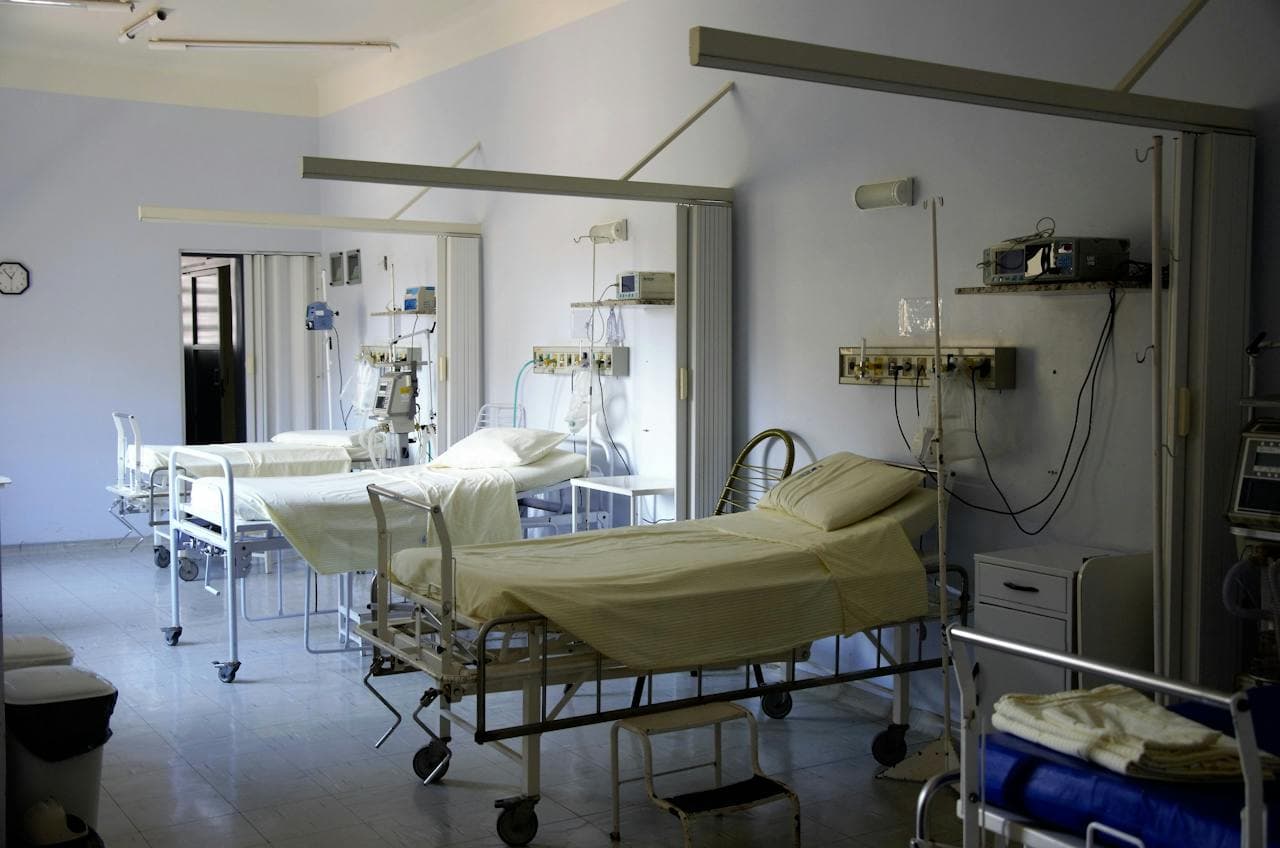
Exploring the costs and features of hospital beds offers insight into their critical role in patient care. These specialized beds, designed to enhance comfort, mobility, and recovery, come with varying price points depending on their functions. In this article, you'll learn about the different types of hospital beds available, from basic manual models to high-tech electric options, and how each impacts overall healthcare costs. Whether you're a caregiver or a patient looking to make an informed choice, this guide will help you understand the options and choose the best bed for your needs—ensuring both comfort and value.
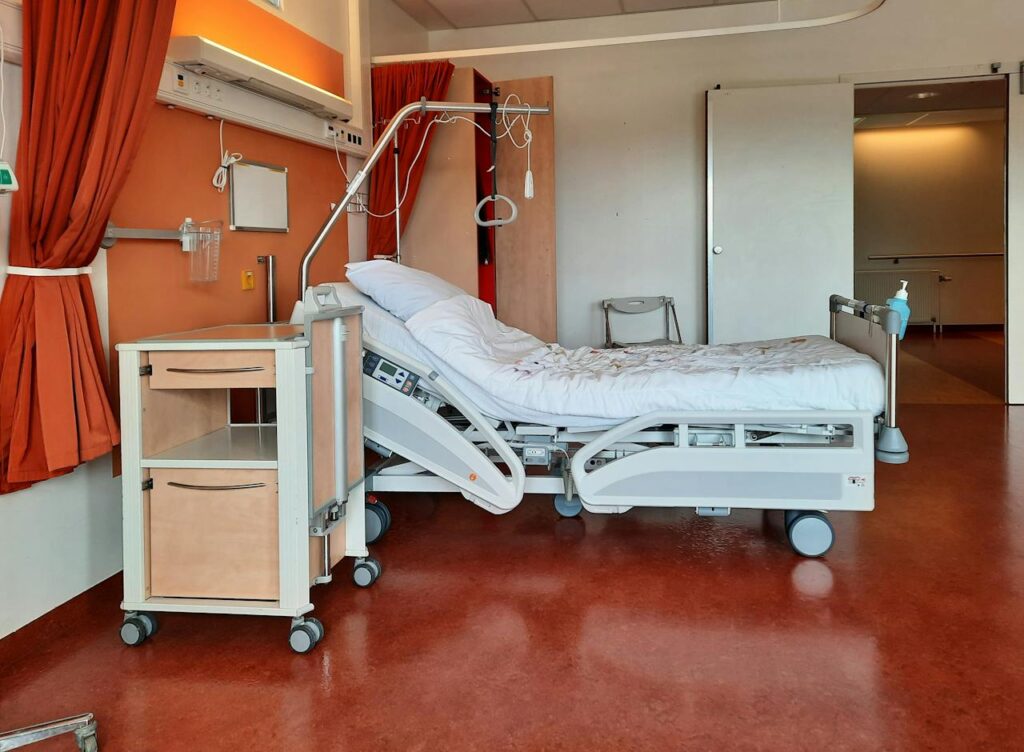
Manual Hospital Beds: Affordable And Traditional Care
Manual hospital beds represent the most basic yet cost-effective option in patient care, with prices typically ranging from £500 to £2,000. These beds require physical adjustment by a caregiver or family member, making them suitable for patients with regular access to personal care. They offer a practical solution for short-term or less complex care needs.
Electric Hospital Beds: Enhanced Comfort And Independence
Electric hospital beds, priced between £2,000 and £5,000, offer patients enhanced comfort and greater independence. Operated by a handheld remote, these beds allow for easy height and position adjustment. This feature is particularly beneficial for patients with limited mobility or requiring frequent positional changes, facilitating easier bed entry and exit and promoting patient autonomy in comfort adjustment.
Bariatric Hospital Beds: Supporting Larger Patients
Specially designed for obese and overweight patients, bariatric hospital beds are robust, with stronger frames and motors to support additional weight. Their prices range from £3,000 to £8,000. These beds are also wider, accommodating larger body sizes comfortably, ensuring patient safety and comfort.
Low Hospital Beds: Minimizing Fall Risks
Low hospital beds, costing between £2,000 and £5,000, are designed for patients at a high risk of falling. These beds sit closer to the ground than standard hospital beds, aiding patients in safely getting in and out. Their lower height significantly reduces the risk of injury from falls, making them an essential option for patients with mobility or balance issues.
Speciality Hospital Beds: Tailored For Specific Needs
For patients with unique medical requirements, specialty hospital beds, priced between £4,000 to £10,000, provide customized support. These include beds with advanced mattress systems for individuals with spinal cord injuries or pressure ulcers, offering targeted care that addresses specific health challenges.
Safety Features: Ensuring Patient Well-being
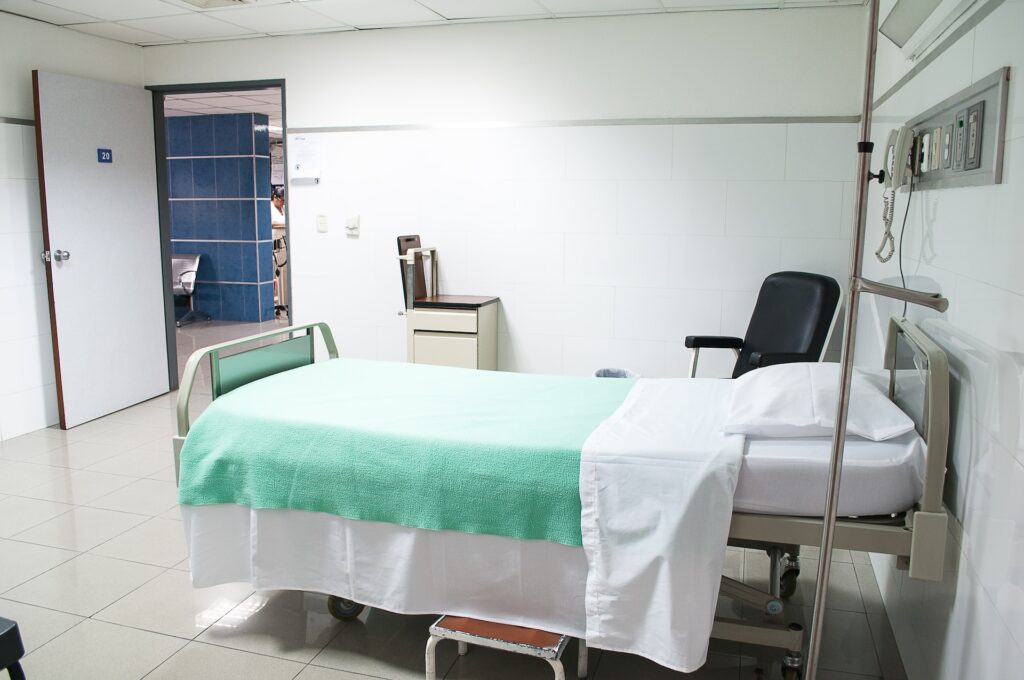
Essential safety features such as bed rails, alarms, and lockable wheels are critical considerations in selecting a hospital bed. While these features might increase the cost, they play a vital role in patient safety, preventing falls and enhancing overall security during care.
What Are The Average Prices For Hospital Beds Across The Different Types Mentioned In The Article?
The average prices for the different types of hospital beds mentioned in the text are as follows:
- Manual Hospital Beds: Ranging from £500 to £2,000, the average price would be approximately £1,250. These are the most basic and cost-effective options, requiring manual adjustments.
- Electric Hospital Beds: With prices varying between £2,000 and £5,000, the average price for electric hospital beds would be around £3,500. These beds offer greater comfort and independence, with adjustments made via a handheld remote.
- Bariatric Hospital Beds: Designed for obese and overweight patients, these beds range from £3,000 to £8,000. The average cost here would be about £5,500. They have stronger frames and motors and are wider to accommodate larger patients.
- Low Hospital Beds: These are priced similarly to electric beds, between £2,000 and £5,000, so the average would again be around £3,500. Low hospital beds are designed to minimize the risk of falls for patients.
- Specialty Hospital Beds: For patients with unique medical needs, these beds range in price from £4,000 to £10,000, making the average price approximately £7,000. They include advanced features tailored to specific conditions, such as spinal cord injuries or pressure ulcers.
These averages provide a general idea of the cost of acquiring different types of hospital beds, which is crucial for budgeting and decision-making in healthcare settings.
8 Essential Safety Features To Look For When Selecting A Hospital Bed
When selecting a hospital bed, several safety features are essential to ensure the well-being and security of the patient. These features enhance patient care and aid caregivers in their duties. Key safety features to consider include:
- Bed Rails: Side rails are crucial for preventing falls from the bed. They can be adjustable and lowered or raised as needed. These rails provide a physical barrier for added safety for patients with mobility issues or those at risk of rolling out of bed.
- Lockable Wheels: Hospital beds are often equipped with wheels for easy mobility. However, these items must be locked securely to prevent the bed from moving or shifting when the patient gets in or out or during care procedures.
- Adjustable Height: The ability to adjust the bed's height is comfortable and safe. Lowering the bed can reduce the risk of injury from falls while raising it can assist caregivers in providing care without straining their backs.
- Alarms: Some hospital beds have built-in alarms that notify caregivers if a patient tries to get out of bed unassisted. This is particularly useful for patients with dementia or those at high risk of falls.
- Pressure Redistribution Mattresses: For patients who are bedridden or have limited mobility, beds equipped with pressure redistribution mattresses can help prevent pressure ulcers (bedsores), which are painful and can lead to serious infections.
- Emergency Lowering Feature: In case of power failure or emergency, an emergency lowering feature allows the bed to be quickly brought to a flat and low position, facilitating patient evacuation or emergency treatment.
- Backup Power Supply: For electric hospital beds, a backup power supply ensures that bed adjustments can still be made during a power outage, maintaining patient comfort and safety.
- Remote Control Operation: For electric beds, remote controls that are easy to use and accessible allow patients to adjust their position safely and comfortably, reducing the risk of strain or injury.
Incorporating these safety features in a hospital bed selection ensures higher care and safety for patients, particularly those vulnerable due to age, illness, or post-surgery conditions.
8 Other Hospital Beds You Might Have Heard Of
- Pediatric Hospital Beds: Designed specifically for children, these beds often have additional safety features like higher side rails and are sized appropriately for younger patients. They may also come with child-friendly designs to create a more comforting environment.
- ICU (Intensive Care Unit) Beds: These are specialized for critically ill patients. ICU beds typically come with advanced features like built-in scales for accurate weight measurement, multiple electrically adjustable sections for optimal positioning, and facilities for integrating critical life-support equipment.
- Air-Fluidized Beds: Used for patients with severe burns, skin grafts, or pressure ulcers, these beds use warm air under pressure to simulate the feeling of floating on a fluid. This helps reduce pressure on the skin, enhancing circulation and promoting healing.
- Birthing Beds: These are designed specifically for women in labor and delivery. They can be easily adjusted for various stages of labor and provide the necessary support and comfort during childbirth.
- Low Air Loss Beds: These contain air sacs that can be inflated and deflated, providing a softer surface for patients and helping to keep the skin cool and dry. They are often used for patients with pressure ulcers, skin disorders, or burns.
- Rotational Beds: Also known as turning beds, they are designed to rotate the patient to different positions automatically. This is particularly beneficial for patients who are immobile and at risk of developing pneumonia or pressure ulcers due to prolonged bed rest.
- Cardiac Chairs (or Chair Beds): These beds can transform from flat to chair-like. They are often used for cardiac and respiratory patients, as the upright position can help with breathing and circulation.
- Geri-Chairs (Geriatric Chairs): More of a recliner than a bed, these are designed for elderly patients who require additional support for prolonged sitting. They offer adjustable positioning and are used in various care settings, including hospitals and nursing homes.
Each type of hospital bed is designed with specific patient needs in mind, and choosing the right one depends on the medical condition, the level of care required, and the length of time the bed will be in use.
Conclusion
In hospital bed selection, the key is balancing patient needs with available options, ensuring safety and comfort. Whether choosing a healthy facility or home care, understanding the diverse types of beds—from the basic manual to the more sophisticated ICU or bariatric beds—is crucial. Remember, the right bed can significantly enhance patient recovery and well-being. Consider safety features like bed rails and adjustable heights, essential for preventing falls and other injuries. Don't forget about the lack of specialized beds for specific needs, such as low-air-loss beds for skin care or pediatric beds for children. This knowledge gives you the power to make informed decisions, positively impacting patient care. Ultimately, each choice in selecting a hospital bed is a step towards improved health outcomes and patient comfort. So, apply this information thoughtfully, and be confident in your ability to contribute positively to the care journey.
Useful Links To Learn More
- NHS Wheelchair and Special Seating Service – Information on accessing NHS-provided hospital beds and equipment for those with long-term medical needs.
- Age UK Equipment and Adaptations – Offers advice and support on how to obtain mobility aids, including hospital beds, for older adults.
- British Red Cross Mobility Aids – Learn how the British Red Cross provides short-term loans of hospital beds and other equipment for those in need.
- Disability Rights UK – Independent Living – A comprehensive guide to funding and obtaining specialist equipment, including hospital beds, for individuals with disabilities.
- Turn2us – Grants Search – Discover potential grants available to help cover the cost of hospital beds and other medical equipment.
Keep reading

15 Best Kimono Sewing Ideas You Need to Try
Stunning kimono sewing projects blend traditional Japanese techniques with modern style—discover which of these fifteen designs will transform your wardrobe forever.

15 Best Wallet Sewing Ideas You Need to Try
Want to create the perfect wallet but unsure where to start with these 15 ingenious sewing patterns that range from beginner to advanced?

5 Amazing Black and White Kitchen Ideas You Need to See
Never settle for a dull kitchen when these stunning black and white designs can transform your space into a masterpiece.
Need personal guidance?
Talk to an advisor
Our care experts are here to help you make the right choice — for free.