20 Foods With More Fiber Than Oatmeal
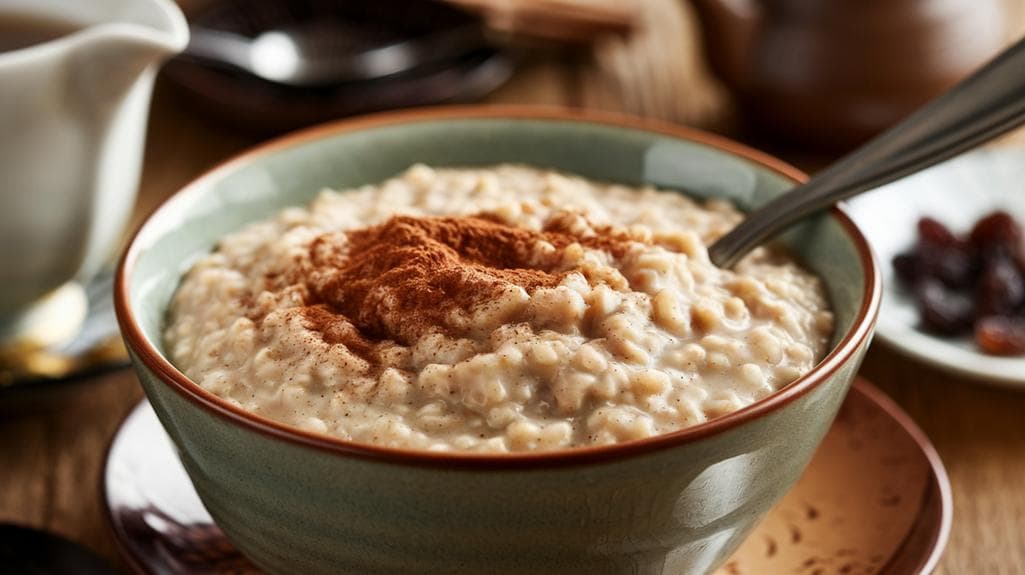
You might think oatmeal reigns supreme in the fiber world, but it's actually just the tip of the iceberg. If you're looking to boost your fiber intake, there are a variety of foods that not only outshine oatmeal but can also enhance your meals with flavor and nutrients. Imagine swapping your morning bowl for something like chia seeds or lentils; the possibilities are vast. Curious about which foods can provide you with more fiber? Let's explore some standout options that could transform your diet.
Key Takeaways
- Chia seeds provide about 10 grams of fiber per ounce, surpassing oatmeal's fiber content and promoting digestive health.
- Lentils offer 15 grams of fiber per cooked cup, making them an excellent choice for high-fiber diets.
- Split peas contain 16 grams of fiber per cooked cup, supporting digestion and providing plant-based protein.
- Figs deliver approximately 14 grams of fiber per cup, aiding digestion and reducing inflammation.
- Raspberries have around 8 grams of fiber per cup, exceeding oatmeal and packed with antioxidants for added health benefits.
Chia Seeds

When it comes to boosting your fiber intake, chia seeds stand out as a powerhouse option. These tiny seeds pack a punch, offering about 10 grams of fiber per ounce, which is considerably more than oatmeal. One of the key chia seed benefits is their ability to promote digestive health. The soluble fiber in chia seeds absorbs water, forming a gel-like substance that helps keep you feeling full and supports regular bowel movements.
Incorporating chia seeds into your diet is easy with a variety of chia seed recipes. You can sprinkle them on salads, blend them into smoothies, or use them to create delicious chia puddings. For a simple recipe, mix two tablespoons of chia seeds with one cup of almond milk and let it sit for a couple of hours. You'll have a nutritious snack that's rich in fiber and omega-3 fatty acids.
Moreover, chia seeds are versatile and can be added to baked goods like muffins or pancakes, boosting their fiber content without altering flavor. Shop For Supplements For Women Over 50
Lentils
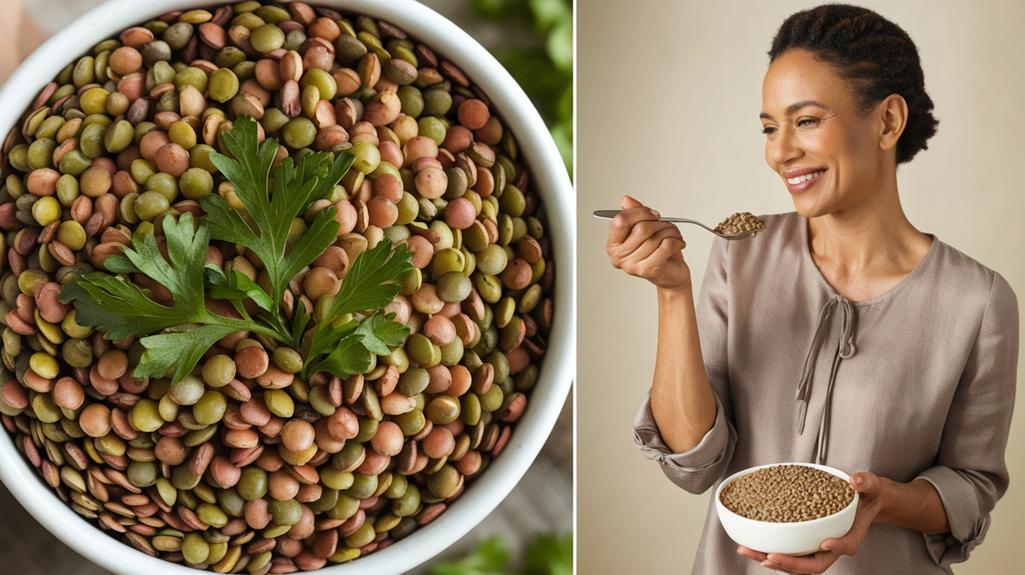
Chia seeds aren't the only fiber-rich food worth adding to your diet; lentils are another fantastic option. Packed with lentil nutrition, these legumes offer a whopping 15 grams of fiber per cooked cup, making them a powerhouse for digestive health.
You'll find a variety of lentil types, including green, brown, and red, each bringing unique flavors and textures to your meals. Lentils not only provide fiber but also boast impressive protein content, making them ideal for vegetarians and meat-eaters alike.
Their versatility shines in lentil recipes, from hearty lentil soups to invigorating lentil salads. Plus, lentils cook quickly, typically needing just 20-30 minutes on the stove.
The health benefits of lentils extend beyond fiber and protein. They're rich in essential vitamins and minerals, supporting overall well-being.
When it comes to lentil storage, they're easy to keep on hand—dried lentils can last for years in a cool, dry place.
Incorporating lentils into your diet not only enhances your meals but also boosts your nutritional intake, making them a smart choice for health-conscious eaters.
Black Bean
If you're looking to boost your fiber intake, black beans should definitely be on your radar. These legumes are packed with black bean nutrition, offering around 15 grams of fiber per cup. That's more than most oatmeal servings!
The black bean benefits extend beyond fiber; they're rich in protein, antioxidants, and essential vitamins, making them a powerhouse for your health.
You can explore various black bean varieties, each with unique flavors and textures. Don't hesitate to experiment with black bean recipes, like hearty black bean soups or invigorating black bean salads. Pair them with ingredients like corn, avocados, or tomatoes for a nutritious boost.
When it comes to black bean storage, keeping them dry in a cool place extends their shelf life. You might've heard some black bean myths, such as them causing digestive issues—most people can enjoy them without discomfort when consumed in moderation. Ultimately, incorporating black beans into your diet can enhance your overall health. So, whether you're whipping up a delicious black bean dish or adding them to your meals, you're making a smart choice for your fiber goals!
Split Peas
Split peas are another fantastic option for boosting your fiber intake, offering an impressive 16 grams of fiber per cooked cup. Not only do they help keep your digestive system running smoothly, but they also pack a nutritional punch. They're a versatile ingredient that can easily elevate your meals.
Consider these benefits of incorporating split peas into your diet:
- High in Protein: They're a great plant-based protein source, making them perfect for vegetarians and vegans.
- Low in Fat: With minimal fat content, they're a heart-healthy choice.
- Rich in Vitamins: Split peas are loaded with vitamins A, B, and K, contributing to overall wellness.
- Variety of Dishes: You can enjoy them in classic split pea soup or try a revitalizing split pea salad.
Adding split peas to your meals not only enhances your fiber intake but also provides essential nutrients.
Whether you're stirring them into a warm soup or tossing them in a salad, they make a satisfying addition that supports your health goals.
Avocado

While split peas are an excellent source of fiber, avocados take it up a notch with their creamy texture and rich nutrients. Did you know that a single avocado contains about 10 grams of fiber? That's impressive and makes them a fantastic addition to your diet. The fiber in avocados not only helps maintain healthy digestion but also aids in lowering cholesterol levels, which is essential for heart health.
Beyond fiber, avocado nutrition is packed with healthy monounsaturated fats, vitamins, and minerals, making it a powerhouse food. You can enjoy avocados in various ways. Whether you're spreading it on toast, adding it to salads, or blending it into smoothies, there's no shortage of avocado recipes to try.
Try making guacamole, mixing diced avocado into your salads, or simply slicing it onto your favorite sandwich for added creaminess and flavor. The versatility of avocados makes them easy to incorporate into meals while boosting your fiber intake. Shop For Supplements For Women Over 50
Artichokes
Savoring artichokes not only delights your taste buds but also boosts your fiber intake considerably. These unique vegetables are packed with nutritional value, making them a fantastic addition to your diet. When you choose artichokes, you're opting for a rich source of fiber that supports healthy digestion and may help lower cholesterol levels.
Here are some key points to reflect on about artichokes:
- Health Benefits: They're loaded with antioxidants and vitamins, contributing to overall well-being.
- Cooking Methods: You can enjoy them steamed, grilled, or even roasted, making them versatile in the kitchen.
- Artichoke Varieties: Explore globe, baby, and purple artichokes, each offering distinct flavors and textures.
- Recipe Ideas: Try making artichoke dips or incorporating them into salads for a delightful twist.
Artichokes are usually in season from March to May, so keep an eye out for fresh varieties.
If you're interested in growing them, they thrive in well-drained soil and ample sunlight. For preservation, think about freezing or pickling to savor their flavor year-round.
With all these options, adding artichokes to your meals can enhance both taste and nutrition!
Quinoa

Artichokes are a fantastic source of fiber, but if you're looking to switch things up, quinoa is another powerhouse that deserves attention. This ancient grain packs in about 5 grams of fiber per cooked cup, making it an excellent choice for boosting your fiber intake.
Plus, quinoa isn't just about fiber; it also offers impressive quinoa nutrition. It's a complete protein, containing all nine essential amino acids, which is rare for plant-based foods.
Quinoa's versatility makes it easy to incorporate into your meals. You can whip up delicious quinoa recipes like salads, grain bowls, or even breakfast porridge. The nutty flavor and fluffy texture pair well with various ingredients, allowing you to experiment with different cuisines.
Moreover, quinoa is gluten-free, making it a fantastic option for those with gluten sensitivities. When preparing quinoa, remember to rinse it well before cooking to remove any bitterness from the saponins.
With its high fiber content and nutritional benefits, quinoa is a smart choice for anyone looking to enhance their diet. So why not give it a try? You might just discover a new favorite staple!
Whole Wheat Pasta
Packed with nutrients and flavor, whole wheat pasta is an excellent alternative to traditional pasta, especially when you're aiming to increase your fiber intake. This nutritious option offers a wealth of whole grain benefits that can enhance your meals while supporting your health goals.
By choosing whole wheat pasta, you're not just enjoying its hearty texture; you're also fortifying your diet with essential nutrients.
Here are some key reasons to contemplate whole wheat pasta as a staple in your pantry:
- Higher Fiber Content: Whole wheat pasta contains more fiber than its refined counterparts, helping with digestion and satiety.
- Rich in Nutrients: It's packed with vitamins and minerals, including B vitamins and iron, which are crucial for energy and overall health.
- Lower Glycemic Index: Whole wheat pasta can help stabilize blood sugar levels, making it a smart choice for those managing diabetes.
- Versatile Pasta Alternatives: From salads to casseroles, you can easily incorporate whole wheat pasta into various dishes, making healthy eating enjoyable.
Switching to whole wheat pasta can greatly upgrade your meals while boosting your fiber intake!
Raspberries

Raspberries are a delicious powerhouse of fiber that can easily enhance your diet. With about 8 grams of fiber per cup, they surpass oatmeal in this essential nutrient. Their vibrant color and sweet-tart flavor make them perfect for a variety of dishes, whether you're blending them into invigorating raspberry smoothies or using them in decadent raspberry desserts.
Raspberry nutrition is impressive, packed with antioxidants that help combat oxidative stress and promote raspberry health. Plus, they come in numerous raspberry varieties, each offering unique flavors and textures to explore. When you incorporate these berries into your meals, you're not just enjoying their taste; you're also reaping the benefits of their high fiber content.
If you're looking for ways to enjoy raspberries, there are countless raspberry recipes available that can fit any meal or snack. From breakfast bowls topped with fresh berries to a tangy raspberry sauce drizzled over grilled meats, the possibilities are endless.
And if you're interested in raspberry cultivation, growing your own can be rewarding; you can enjoy fresh berries straight from your garden, ensuring you have a constant supply of this nutritious fruit. Shop For Supplements For Women Over 50
Pears
Pears are a sweet and crunchy delight that offers an impressive fiber content, boasting around 6 grams per medium-sized fruit. This makes them an excellent choice for anyone looking to boost their fiber intake.
With numerous pear varieties available, you can enjoy different flavors and textures while reaping the fiber benefits that pears provide.
Here are some reasons to love pears:
- High Fiber Content: Pears are rich in soluble and insoluble fiber, promoting digestive health.
- Versatile: You can eat them raw, add them to salads, or cook them in various dishes.
- Nutrient-Rich: Pears also offer vitamins C and K, along with potassium, making them a nutritious choice.
- Hydrating: With a high water content, pears can help keep you hydrated.
Including pears in your diet can aid in weight management, support heart health, and improve gut function.
Whether you prefer the classic Bartlett or the unique Asian pear, you can enjoy the many benefits these fruits offer.
Barley

Although you might think of grains as being low in fiber, barley stands out as an excellent source, containing about 6 grams of fiber per cooked cup. This makes it a fantastic addition to your diet, offering numerous barley benefits such as improved digestion and heart health.
Barley nutrition goes beyond fiber; it's rich in vitamins and minerals, making it a wholesome choice. You can explore various barley varieties, like hulled barley and pearl barley, each with its unique cooking properties and flavors.
When looking for barley recipes, consider hearty soups, salads, and even risottos, as they can easily incorporate this versatile grain. If you're keen on barley cooking, keep in mind that it can be a great substitute for rice or pasta in many dishes.
Barley history dates back thousands of years, making it one of humanity's oldest cultivated grains. Additionally, barley farming practices have evolved, ensuring sustainable cultivation that supports healthy ecosystems.
With its numerous health benefits and versatility in the kitchen, barley is a grain worth adding to your pantry. So, why not give it a try? You might find it's a delicious and nutritious staple for your meals!
Brussels Sprouts

When it comes to fiber-rich foods, Brussels sprouts are a powerhouse that shouldn't be overlooked. With their impressive nutritional profile, these mini cabbages offer a wealth of health benefits. You'll find that incorporating Brussels sprouts into your diet can enhance your overall well-being.
- High in fiber and vitamin C
- Supports digestion and gut health
- Versatile for various recipes
- Available in several delicious varieties
When exploring Brussels sprouts nutrition, you'll discover they're low in calories yet packed with vitamins and minerals.
For ideal Brussels sprouts preparation, trim the ends and remove any yellow leaves before cooking. Popular Brussels sprouts cooking methods include roasting, steaming, or sautéing, each enhancing their unique flavor.
You can experiment with different Brussels sprouts recipes, pairing them with flavors like garlic, balsamic vinegar, or even bacon for added depth.
When it comes to Brussels sprouts storage, keep them in a cool, dry place, ideally in the refrigerator, to maintain freshness.
With a wide range of Brussels sprouts varieties available, from classic green to purple, you can easily find the perfect match for your meals. Embrace the benefits of Brussels sprouts and elevate your dishes!
Oats (Steel-Cut)
Brussels sprouts are a fantastic fiber source, but if you're looking to mix things up, steel-cut oats deserve your attention. These whole grain oats are minimally processed, resulting in a hearty texture and higher fiber content than instant varieties. With about 5 grams of fiber per serving, they offer impressive health benefits, from improved digestion to better heart health.
When it comes to cooking methods, steel-cut oats require a bit more time—typically around 20-30 minutes—but the result is well worth it. You can easily meal prep by cooking a larger batch and reheating throughout the week. Plus, they're naturally gluten-free, making them a great option for those with dietary considerations.
For serving suggestions, try topping your oats with fresh fruits, nuts, or a drizzle of honey. Flavor pairings like cinnamon or nutmeg can enhance their natural taste. If you're looking for recipe ideas, consider savory steel-cut oats with sautéed vegetables or a sweet version with almond milk and berries.
Their versatility makes them an excellent choice for breakfast or even dinner. In a nutritional comparison, steel-cut oats stand out, providing sustained energy to keep you going throughout the day. Shop For Supplements For Women Over 50
Almonds
Almonds are a powerhouse of nutrition, boasting impressive fiber content that can easily outshine oatmeal. With their delightful crunch and versatile nature, almonds offer numerous health benefits that you'll love incorporating into your diet.
- High in fiber and protein
- Rich in healthy fats
- Packed with essential vitamins and minerals
- Available in various varieties, like raw, roasted, and flavored
When it comes to almond nutrition, a mere ounce provides about 3.5 grams of fiber, promoting digestive health and keeping you full longer. You can enjoy almond snacks on the go or whip up delicious almond recipes, such as almond butter or almond milk.
Almond farming has a long history, dating back thousands of years, which speaks to their enduring popularity. Each almond variety—from sweet to bitter—offers unique flavors and uses, making them a staple in kitchens worldwide.
Incorporating almonds into your diet not only adds texture and taste but also boosts your overall health. So grab a handful of almonds today and experience the many almond benefits they bring to your life!
Popcorn
If you're looking for a snack that packs more fiber than oatmeal, popcorn should definitely be on your radar. This whole grain isn't only delicious but also boasts impressive popcorn nutrition. A single serving can provide about 3.5 grams of fiber, making it a great option for boosting your daily intake.
You can enjoy popcorn in various ways, with countless popcorn varieties available, from classic buttered to gourmet flavors. Experimenting with popcorn recipes can add excitement to your snacking.
Try air-popped popcorn as a low-calorie option, perfect for weight loss goals. You can also elevate your snack by pairing it with spices or nutritional yeast for added flavor.
The health benefits of popcorn are significant, too. It aids digestion and can help keep you feeling full longer. You might consider popcorn serving suggestions like mixing it with nuts or dried fruits for a balanced snack.
When it comes to popcorn flavor pairings, think sweet or savory to suit your mood.
Ultimately, popcorn is an excellent choice as a snack. With its versatile cooking methods and health advantages, it surely deserves a place in your pantry!
Sweet Potatoes

Sweet potatoes are a fantastic source of fiber, offering about 4 grams per medium-sized tuber. This fiber content not only aids digestion but also contributes to various health effects, such as reducing the risk of heart disease and improving gut health.
Here are some meal ideas and sweet potato recipes you can try:
- Roasted sweet potatoes with olive oil and herbs
- Mashed sweet potatoes with a hint of cinnamon
- Sweet potato fries seasoned with paprika
- Sweet potato and black bean tacos
When it comes to cooking methods, you can roast, boil, or mash them to enhance their natural sweetness. Seasonal varieties, like the purple and white sweet potatoes, bring different flavors and nutritional benefits.
For the best storage tips, keep your sweet potatoes in a cool, dark place to maintain freshness. When preparing them, wash thoroughly and consider pairing them with ingredients like garlic or ginger to elevate the taste.
With their versatility and fiber content, sweet potatoes can easily become a staple in your diet while providing essential nutrients and satisfying meals.
Flaxseeds
Flaxseeds are a powerhouse of fiber, packing around 3 grams per tablespoon. These tiny seeds offer significant health benefits, especially for digestive health. Their high fiber content promotes regularity and can help alleviate constipation. Incorporating flaxseeds into your meal planning is easy and versatile, making them an excellent addition to various recipes.
For nutritional value, flaxseeds aren't just about fiber. They're also rich in omega-3 fatty acids, antioxidants, and protein. You can use them in different culinary uses, such as sprinkling ground flaxseeds on yogurt or blending them into smoothies. If you're looking for snack options, try making flaxseed energy balls or adding them to your favorite granola.
There are different seed varieties to choose from, including brown and golden flaxseeds. When it comes to growing tips, they thrive in well-drained soil and full sunlight, making home gardening a rewarding experience.
To maximize their benefits, consider grinding flaxseeds before use, as whole seeds may pass through your digestive system undigested. With these simple ideas, you can easily boost your fiber intake and enjoy the many advantages that flaxseeds provide. Shop For Supplements For Women Over 50
Broccoli

When it comes to fiber-rich foods, broccoli stands out as a nutritious powerhouse. This vibrant vegetable not only delivers a generous amount of fiber but also packs a punch with its impressive broccoli nutrition profile. You can enjoy various broccoli varieties, each offering unique flavors and textures, making it versatile for your meals.
Here are some fantastic reasons to incorporate broccoli into your diet:
- High in Fiber: Boosts digestive health and keeps you feeling full.
- Rich in Vitamins: Packed with vitamins C and K, essential for immune and bone health.
- Antioxidant Properties: Helps combat oxidative stress and may reduce cancer risk.
- Easy to Cook: Can be steamed, roasted, or stir-fried for quick broccoli recipes.
Broccoli benefits extend beyond just fiber; its rich nutrient content supports overall well-being.
Whether you're looking for healthy broccoli recipes or experimenting with different broccoli cooking methods, this vegetable is a must-have in your kitchen.
Green Peas
Green peas aren't just a tasty addition to your meals; they're also a fantastic source of fiber. With about 8 grams of fiber per cup, these little green gems can help you meet your daily fiber needs, enhancing digestion and promoting gut health.
One of the key green peas benefits is their ability to keep you feeling full longer, which can aid in weight management.
Incorporating green peas into your diet is easy and versatile. You can toss them into salads for a crunchy bite, blend them into soups for a creamy texture, or even use them in pasta dishes.
Looking for quick green peas recipes? Try sautéing them with garlic and olive oil for a simple side dish or mixing them into your favorite stir-fry for added nutrition. Don't forget to reflect on frozen green peas, which retain most of their nutrients and can be a convenient option year-round. Shop For Supplements For Women Over 50
Figs
Figs pack a powerful fiber punch, delivering about 14 grams of fiber per cup, making them an excellent choice for boosting your dietary intake. Not only do they taste great, but they also come with a variety of fig health benefits that can enhance your overall well-being.
Here's why you should consider adding figs to your diet:
- Digestive Health: The high fiber content aids digestion and prevents constipation.
- Antioxidant Properties: Figs are rich in antioxidants, which can help reduce inflammation and lower the risk of chronic diseases.
- Bone Health: They contain calcium and potassium, essential for maintaining strong bones.
- Weight Management: Their fiber content can help you feel full longer, supporting weight loss efforts.
You can enjoy figs fresh or dried, making them versatile for various dishes. Dried figs recipes are especially popular; you can add them to salads, yogurt, or even blend them into energy bars.
Conclusion

Incorporating these high-fiber foods into your diet is like adding vibrant colors to a blank canvas—each one enhances your health and well-being. By swapping out oatmeal for options like chia seeds, lentils, and avocados, you're not just boosting your fiber intake; you're also enriching your meals with essential nutrients. Embrace this variety, and watch your digestive health flourish while enjoying delicious flavors. Remember, a fiber-rich diet is key to feeling your best every day!
Keep reading

20 Latest Crochet Neck Warmer Ideas To Try In 2025!
Link up with the 20 best crochet neck warmers that blend warmth and style—discover which designs will transform your winter wardrobe!

20 Amazing Crochet Jewelry Ideas
Amazing crochet jewelry ideas await you, featuring unique designs that will inspire your creativity and elevate your accessory game to new heights.

20 Amazing Crochet Kit Ideas
Navigate through 20 amazing crochet kit ideas that spark creativity and joy; discover the perfect project to ignite your crafting passion!
Need personal guidance?
Talk to an advisor
Our care experts are here to help you make the right choice — for free.