How Many People Turn 100 Every Day In The UK?

Curious about what it takes to reach 100? The quest for longevity in the UK is more than just a numbers game—it's about understanding how where you live can shape your chances of becoming a centenarian. In this article, we'll dive into how different regions across the UK influence the likelihood of living to 100. But it’s not just about the stats. We’ll explore how regional factors affect quality of life and offer insights that could guide your choices for a fulfilling, long life. Whether you're pondering the best place to spend your golden years or just intrigued by what drives longevity, this guide will provide valuable tips and revelations.
Ready to uncover how your surroundings might impact your journey to a century? Let’s explore the fascinating links between geography and longevity in the UK.

To unravel this, the post examines comprehensive data on the U.K.'s oldest residents - the centenarians and supercentenarians (those over 110 years old). We look at the total number and average age of centenarians per region, offering insights into geographic longevity patterns. Additionally, we delve into how these trends have evolved, including fascinating metrics like the daily rate at which people turn 100 in the U.K.
Whether you're nearing retirement, planning for the future, or intrigued by the prospects of a long life, this post offers valuable insights about aging in the U.K., grounded in data. It's a blend of demographic analysis and practical information for those contemplating the best places to enjoy their later years. Let's embark on this enlightening journey into the world of U.K.'s centenarians.
Centenarians: A Remarkable Achievement
A centenarian is an individual who has lived to see their 100th birthday. This milestone is particularly noteworthy given that average life expectancies globally fall well short of a century. As of recent estimates, there are approximately 633,000 centenarians worldwide, symbolizing this rare and impressive longevity.
The Growing Population of Centenarians in the U.K.
The number of centenarians in the U.K. has been on a steady rise. 2020 marked a record high, with 15,384 individuals aged 100 or over. This figure represents a significant increase of nearly 20% from the year before. Over the last two decades, the U.K. has seen a 58% surge in its centenarian population.
Percentage of U.K. Centenarians

As of 2020, centenarians constituted 0.02% of the U.K.'s population. The gender distribution in this age group shows a notable difference: over 12,000 were female, while around 2,700 were male. Current predictions suggest that one in three newborns in the U.K. may reach their 100th birthday, with factors such as current age and gender playing a significant role in this likelihood.
Age Breakdown of the Oldest in the UK
- 106 years old: 149 individuals
- 107 years old: 75 individuals
- 108 years old: 29 individuals
- 109 years old: 13 individuals
- 110 years old: 9 individuals
- 111 years and older: 6 individuals
Supercentenarians: Beyond 110 Years
In the U.K., 237 individuals have surpassed the age of 110, known as supercentenarians. Most of them reside in England (206), with Scotland (18), Wales (11), and Northern Ireland (2) trailing behind. The southeast of the U.K. is a notable hotspot for supercentenarians.
Regional Insights
London stands out with 25 supercentenarians, boasting an average age of 110.8 years. Surrey and Kent follow, highlighting regions where people not only live longer but perhaps also enjoy better standards of elderly care. Interestingly, Scotland and Wales also feature regions with exceptionally aged individuals, indicating varied geographic patterns in longevity.

Elderly Care And Living Conditions
The data suggests a correlation between regions with high supercentenarians and quality elderly care, as seen in Swansea, Wales. This implies that the choice of residence in later life can profoundly impact longevity and quality of life.
The Gender Disparity Among Supercentenarians
In the U.K., the gender split among supercentenarians - individuals aged 110 and above - mirrors a global trend in gender life expectancy differences. Of 238 supercentenarians in the U.K., 223 are female, accounting for 93.7% of this age group. Conversely, only 15 males have reached this age, representing just 6.3% of the U.K.'s supercentenarian population.
The U.K.'s Longest Married Couples
The distinction of being the U.K.'s longest-married couple belongs to W.& E. Jones, who were wed for an extraordinary 83 years and 359 days, representing 80% of their lives. Close on their heels are M.& H. Kaye, who enjoyed nearly 79% of their life together. Remarkably, the next three couples in line each celebrated 82 years of marriage, with minor differences in days. Notably, E.A. Day, the second oldest male on this list, and his wife, E.M. Day, exemplify a lifetime commitment of 82 years and seven days.
Marriage Longevity Insights
In a surprising twist, over half of the top 20 longest-married couples feature husbands who outlived their wives, contradicting the usual trend of female longevity. This finding offers an intriguing perspective on the dynamics of longevity within marriages.
2023: The Oldest Living People in the UK
- Ethel May Caterham, 113 years old (Born: August 21st 1909)
- Ada Thompson, 112 years old (Born: November 28th 1910)
- Edna Strickland, 111 years old (Born: March 6th 1911)
- Mary Florence Walker, 111 years old (Born: August 28th, 1911)
- Mary Letitia Keir, 110 years old (Born: March 3rd 1912)
- John Alfred Tinniswood, 110 years old (Born: August 26th, 1912)
- Mary Rosa Pevovar, 110 years old (Born: September 27th, 1912)
- Merah Louise Smith, 110 years old (Born: November 9th, 1912)
- Sylvia Annie Cissie Corfield, 110 years old (Born: November 21st, 1912)
- Adela Lauretta Harrison, 110 years old (Born: January 2nd 1913)
The Oldest Living Person in the UK

Ethel May Caterham, born on August 21st, 1909, is the oldest living person in the U.K. at 113 years and 299 days old as of June 16th, 2023. Ethel, a resident of Surrey for over five decades, is a testament to U.K. longevity and ranks among the oldest verified individuals in Europe.
The Oldest Living Man In The UK
John Tinniswood holds the title of the oldest living man in the U.K. Born on August 26th, 1912, John, aged 110, is not only the sole male among the U.K.'s ten oldest people but also the oldest known resident of Merseyside. His lifelong support of Liverpool FC adds a personal touch to his remarkable achievement at his age.
These insights into the U.K.'s oldest citizens and longest marital unions highlight remarkable individual stories and provide valuable data on longevity patterns and relationships in later life.
The Journey to 100: A Historical Perspective
- 1950s: The Early Centenarians - In the 1950s, less than 2.2% of 30-year-olds in the U.K. reached 100, with a slightly higher proportion of women achieving this milestone. The odds for men were 0.84%, compared to 3.5% for women.
- 1980s: A Shift in the Trend - By 1980, the likelihood of men reaching 100 surpassed 1%. Of the 288,000 60-year-old males that year, only 3,000 celebrated their centenary. In contrast, the success rate for females was over 4%.
- Entering the 21st Century - The turn of the millennium saw a significant rise in centenarians. Out of 213,000 octogenarians in 2000, over 5% (42,000) lived to be 100. The gender split was 2.5% for men and 6.67% for women.
The Current State of Centenarianism in the U.K.
- Nonagenarians and Their Odds - By 2010, the nonagenarian population decreased to just over 100,000. However, their chances of reaching 100 escalated to 15%, with women still leading.
- Daily Celebrations - In 2020, an average of 20 people per day in the U.K. turned 100, totaling 7,590 for the year.
The Global Context Of U.K. Centenarians
- World Ranking - The U.K., home to nearly 68 million people, impressively ranks 10th globally in the number of centenarians and 4th in Europe, following France, Germany, and Italy.
- Centenarian Density - Despite its high absolute numbers, the U.K. is 19th when considering centenarians per 100,000 people, with 23 centenarians per 100,000. Caribbean islands lead globally, with Guadeloupe, Barbados, and Martinique topping the list.
- Gender Disparities - The U.K.'s centenarian population is 81% female. However, 67 other countries have a higher percentage of female centenarians.
U.K. Life Expectancy Trends
- Recent Developments - For the first time in 40 years, male life expectancy in the U.K. has declined to 79 years, while female life expectancy remains around 83.
- Historical Growth - Since 1841, life expectancy for both genders has roughly doubled, with a more pronounced increase for men from 1969 to 2019.
- Future Projections - Over the next 50 years, life expectancy is expected to increase by about 5.5 years for women and 6.6 years for men.
Research Methodology
- Data Sources - The analysis utilized the United Nations' Population Dynamics data and the Oldest in Britain webpage.
- Metrics Evaluated - The study calculated centenarian densities per million, analyzed gender-based trends, and ranked countries by centenarian percentages.
- UK-Specific Analysis - A detailed examination of U.K. centenarians, including age progression, supercentenarians, and longest-married couples, was conducted to provide a comprehensive view of longevity in the U.K.
This detailed analysis charts the remarkable progress in life expectancy in the U.K. It places it within a broader, global context, highlighting the nuances of aging and longevity across different regions and genders.
What Are The Factors That Influence Longevity In The U.K.?
Longevity in the U.K., as in other parts of the world, is influenced by genetic, environmental, lifestyle, and healthcare factors. Here's a breakdown of these key elements:
- Genetics: A person's genetic makeup is crucial in determining their lifespan. Genetic predispositions can affect susceptibility to certain diseases and overall health.
- Healthcare Access: The U.K.'s healthcare system, including the NHS (National Health Service), provides widespread access to medical care. Early detection and treatment of diseases, regular health check-ups, and access to vaccinations and medical treatments contribute significantly to increased life expectancy.
- Lifestyle Choices: Lifestyle factors such as diet, physical activity, smoking, and alcohol consumption have a substantial impact on longevity. A balanced diet rich in fruits, vegetables, and whole grains, regular physical activity, abstaining from smoking, and excessive alcohol consumption are associated with longer life.
- Social and Economic Factors: Socioeconomic status can influence longevity. This includes factors like education, income, and occupation. Higher socioeconomic status often correlates with better access to healthcare and healthier lifestyle choices.
- Environmental Factors: The environment one lives in can affect one's health and lifespan. This includes air and water quality, exposure to pollutants and toxins, and the availability of green spaces for physical activity.
- Mental Health and Well-being: Mental health is increasingly recognized as important for longevity. Stress management, mental resilience, social connections, and having a sense of purpose are all factors that contribute to a longer and healthier life.
- Public Health Policies: Government policies on public health, such as campaigns against smoking, initiatives promoting physical activity, and programs addressing social inequality, also play a role in improving life expectancy.
- Advances in Medical Science: Improvements in medical treatments, preventive medicine, and understanding of diseases have led to better management of chronic conditions and illnesses, contributing to longer lifespans.
- Cultural Factors: Cultural attitudes towards aging, family support systems, and community engagement can also influence how long and well people live.
- Nutrition and Diet: The traditional British diet has evolved, incorporating more diverse and healthier options. Diets low in saturated fats and high in fiber, fruits, and vegetables are associated with reduced risks of chronic diseases.
It's important to note that these factors often interact, and their influence can vary from person to person. Pursuing longevity is about extending life and enhancing the quality of life in the later years.
How Have The Trends In The Number Of Centenarians And Supercentenarians Evolved Over Time?
The trends in the number of centenarians and supercentenarians have seen a significant evolution over time, characterized by a steady increase in their numbers globally, including in the U.K. This evolution can be attributed to various factors, such as advancements in healthcare, improved living standards, and increased awareness of healthy lifestyles. Here's a closer look at how these trends have developed:
- Early and Mid-20th Century: In the early part of the 20th century, the number of centenarians was relatively low. This period was marked by higher rates of infectious diseases, less advanced medical care, and lower life expectancies. As a result, reaching the age of 100 was quite rare.
- Post-World War II: There was a noticeable increase in centenarians after World War II. This rise can be attributed to better medical treatments, improvements in public health, and higher living standards. The introduction of the National Health Service (NHS) in the U.K. in 1948, for example, provided broader healthcare access, which significantly improved life expectancy.
- Late 20th Century to Early 21st Century: The late 20th and early 21st centuries saw a more pronounced increase in centenarians and supercentenarians. Advancements in medicine, including the development of vaccines, antibiotics, and better management of chronic diseases, contributed to this trend. Additionally, better nutrition, decreased smoking rates, and a greater emphasis on physical fitness also played a role.
- Recent Decades: The number of centenarians and supercentenarians has grown recently. This growth is due to advancements in healthcare and the aging of larger population cohorts, such as the baby boomer generation. The improved senior care and the increasing focus on preventive medicine have further boosted this trend.
- Gender Disparity: Throughout this period, there has been a consistent gender disparity among centenarians and supercentenarians, with women significantly outnumbering men. This disparity is attributed to biological, genetic, and lifestyle factors contributing to women generally having longer life expectancies.
- Future Projections: The trend of increasing numbers of centenarians and supercentenarians is expected to continue. With ongoing medical advancements, a better understanding of aging, and continued emphasis on healthy lifestyles, more people are likely to reach these advanced ages.
In summary, the increasing number of centenarians and supercentenarians reflects broader health, science, and societal advancements. As we progress in these areas, it's expected that the number of individuals living to 100 and beyond will keep rising, reshaping our understanding of aging and longevity.
Does Residing In A Region With A Higher Population Of Older Individuals Equate To Better Living Conditions For The Elderly?
Residing in a region with a higher population of older individuals does not automatically equate to better living conditions for the elderly, but it can be a contributing factor. The relationship between the population of older individuals in a region and the quality of living conditions for the elderly is complex and influenced by multiple factors:
- Healthcare Services: Areas with a higher population of older adults might have better healthcare services tailored to their needs, including specialized medical facilities, senior care, and easier access to healthcare providers experienced in aging-related conditions.
- Community Support and Services: Regions with a larger elderly population often have more community resources and services targeted at seniors, such as social clubs, senior centers, and age-friendly activities.
- Infrastructure and Accessibility: These areas may have infrastructure more attuned to the needs of older people, including public transportation options, housing designed for accessibility, and public spaces that are senior-friendly.
- Social Networks and Community Engagement: A higher concentration of older individuals can lead to stronger social networks, reducing isolation and promoting community. This can have a positive impact on mental health and overall well-being.
- Policy and Funding: Regions with a significant elderly population may receive more government attention and funding for senior-specific programs and initiatives that can improve living conditions.
However, there are also potential downsides:
- Resource Strain: A high concentration of elderly residents can strain local resources, including healthcare, housing, and social services, especially if not adequately supported by funding and infrastructure.
- Varied Individual Needs: The needs of older people are diverse, and a one-size-fits-all approach in a region with many older adults might not adequately address individual preferences and requirements.
- Economic Factors: The overall economic status of a region also plays a crucial role. Even with a high population of older individuals, areas with economic challenges may need help to provide adequate services and support for older people.
In summary, while a higher population of older individuals in a region can indicate certain benefits for the elderly, it's not a definitive measure of better living conditions. The quality of life for older people is influenced by various factors, including healthcare access, community support, infrastructure, and the region's economic health.
Conclusion
In conclusion, becoming a centenarian is a fascinating blend of genetics, lifestyle choices, and a dash of good fortune. While we've seen that certain regions and genders tend to have higher rates of centenarians, it's important to remember that healthy aging is within reach for many. Embracing a balanced diet, regular exercise, and a mentally active lifestyle are key factors that contribute to longevity. Maintaining strong social connections and a sense of purpose as we age is also crucial. Although the path to 100 may come with challenges and risks, including age-related health concerns, staying informed and proactive about our health can make a significant difference. Let this knowledge inform you and inspire you to nurture your well-being at every stage of life. With the right approach and attitude, we can all strive for a long, fulfilling life rich in experiences and joy.
Useful Links To Learn More About
- Office for National Statistics (ONS): Centenarians in the UK
- Statistics and insights on the growing number of centenarians in the UK, including demographic details and trends.
- Age UK: Older People and Longevity
- Information and research on older people, including centenarians, and factors contributing to longevity.
- The King's Fund: Longevity and Ageing
- Research and articles on the trends in ageing and longevity, providing context and analysis on what influences long life.
- National Institute for Health and Care Research (NIHR): Research on Longevity
- Insights and findings from research into ageing, including studies focused on centenarians and their health.
- Dementia UK: Support for Older Adults
- Resources and support services for older adults, including those living to advanced ages, with a focus on health and wellbeing.
- British Geriatrics Society: Understanding Ageing
- Articles and guidelines on understanding the ageing process, including the factors that contribute to living a long life.
- Longevity Science Foundation: Research on Centenarians
- Research and updates on the science of longevity, including studies related to centenarians and their lifestyles.
Feature Image Photo By Vlada Karpovich on Pexels
Keep reading

5 Amazing Black and White Kitchen Ideas You Need to See
Never settle for a dull kitchen when these stunning black and white designs can transform your space into a masterpiece.

Can I Get A Mobility Car On Standard Rate Pip - An Expert Guide
Find out why standard PIP mobility payments won't qualify for Motability cars, but discover alternative solutions that could transform your transportation options.
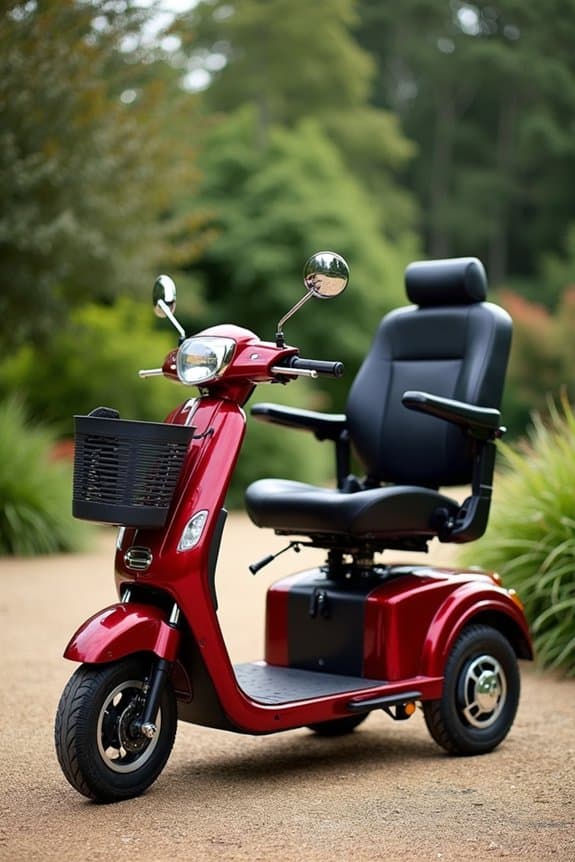
Best Best Mobility Scooter Uk
Browse top-rated UK mobility scooters from leading brands, discovering essential features that guarantee comfort and independence for your lifestyle.
Need personal guidance?
Talk to an advisor
Our care experts are here to help you make the right choice — for free.